
Loading dispatches...
← Return to NewsroomEconomy
US visa, green card approval gets tougher as new USCIS rules take effect: What applicants need to know
The United States has introduced stricter rules for processing immigration benefit applications, empowering US Citizenship and Immigration Services (USCIS) officers to reject visa, green card and other immigration requests that are incomplete or lack the required supporting documents without first asking applicants to provide additional information. The change is expected to affect thousands of Indian applicants.In a press release, USCIS said it has reaffirmed that applicants are responsible for proving they qualify for an immigration benefit when submitting their application. If a request does not include sufficient evidence or the mandatory initial documentation to establish eligibility, officers may deny it outright instead of issuing a Request for Evidence (RFE) or a Notice of Intent to Deny (NOID).USCIS said its application forms and filing instructions already outline the documents and evidence required for each immigration benefit, allowing applicants to submit complete applications when they file."The burden is on the requestor to establish that he or she is eligible for the requested benefit at the time of filing the benefit request and that he or she continues to be eligible through adjudication," the USCIS mentioned in a statement on Wednesday.The agency said the revised policy brings its procedures in line with the Department of Homeland Security's (DHS) long-standing regulatory authority, reinforces the integrity of the immigration system and makes it harder for people to submit frivolous immigration benefit applications.The new guidance rolls back a policy adopted during the Biden administration, under which immigration officers were encouraged to issue RFEs before rejecting applications, even if they were incomplete or missing the required supporting documents at the time of filing.USCIS said the earlier policy allowed incomplete or significantly deficient applications to delay the processing of other pending cases. It also claimed that some applicants used "placeholder" applications to access related immigration benefits, including employment authorisation, while their requests were still under review.The agency said it has reinstated officers' authority to deny immigration benefit applications without first issuing a RFE or a NOID whenever deemed appropriate.According to USCIS, the revised policy will enable more efficient use of agency resources, accelerate case processing and discourage the submission of meritless applications.The policy came into effect immediately and applies to all immigration benefit requests that are pending or filed on or after August 5, 2026, unless existing regulations or USCIS policy provide otherwise.Biden's former adviser slams USCIS ruleFormer adviser to former US President Joe Biden, Ajay Bhutoria, has criticised the new USCIS policy that allows officials to reject incomplete applications for visas, green cards and other immigration benefits without first requesting additional evidence, describing it as a "major step backwards" for due process and administrative fairness, as per ANI.Responding to the revised policy, Bhutoria said allowing immigration officers to deny applications outright without first issuing a RFE or a NOID would have a disproportionate impact on genuine applicants trying to navigate the complex US immigration system.He said the previous policy acknowledged the complexity of the immigration process and helped ensure that legitimate applicants were not refused benefits because of minor procedural mistakes."The recent decision by USCIS to allow outright denials without first issuing a Request for Evidence (RFE) or Notice of Intent to Deny (NOID) is a major step backwards for basic due process, administrative fairness, and procedural justice. During the Biden-Harris administration, encouraging officers to issue RFEs before issuing rejections was designed to ensure that minor clerical errors, missing documentation, or misunderstood technical requirements didn't de
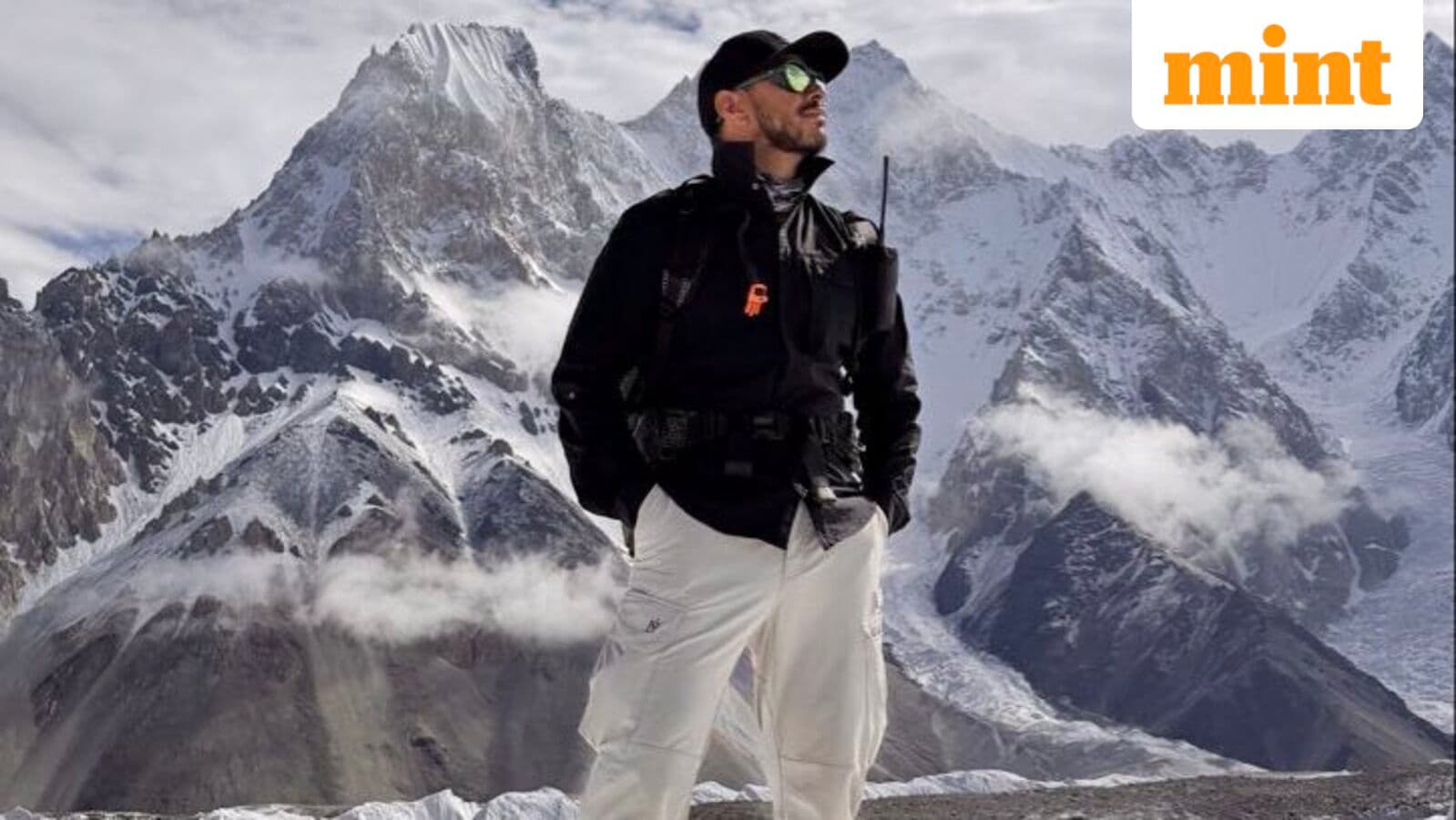
Record-breaking mountaineer Nirmal Purja, widely known as Nimsdai, has died after an avalanche struck Broad Peak in Pakistan-occupied Kashmir's Gilgit-Baltistan region, where he was leading a climbing expedition on Thursday.The news of his death was confirmed on Saturday by Elite Exped, the expedition company he co-founded. In a statement, the company said several members of the team also lost their lives in the avalanche. Among those named were Pur Bahadur Gurung and Nima Sherpa. The organisation requested privacy for the bereaved families during this difficult time.Purja, celebrated for redefining modern high-altitude mountaineering, had recently spoken about his ambitions for the climb and reflected on his journey in what has now become his final public message.Why Was Nirmal Purja Climbing Broad Peak?According to a post shared by Purja on X on July 27, Broad Peak was not originally part of his climbing plans.The British-Nepali climber explained that his primary objective had been Project Hattrick, an expedition focused on climbing Gasherbrum II (G2). However, shortly before leaving for Pakistan, he realised that adding Broad Peak to his expedition would bring him one step closer to a historic achievement.If successful, he would have needed only Cho Oyu to become the first mountaineer to summit all 14 peaks above 8,000 metres twice without supplemental oxygen. That possibility prompted him to include Broad Peak in his schedule.Nirmal Purja's Final Message Before The ExpeditionIn the same post on X, Purja shared a heartfelt note about the mountain he was preparing to climb."Broad Peak, I ask for nothing but safe passage up and back down."He added that despite years of experience in extreme mountaineering, he had never underestimated any mountain and approached every expedition with humility and complete focus.According to Purja, each step beyond base camp demanded total respect, and he never considered success guaranteed regardless of previous accomplishments.How The Search Operation UnfoldedHope initially remained after Thursday's avalanche when Purja's tracking device indicated movement, leading rescuers to believe he might have survived.Search teams reportedly thought he was alive and conscious while awaiting assistance. However, as rescue operations progressed, the chances of finding survivors diminished.A drone launched from the expedition's base camp later detected what appeared to be the bodies of four climbers near Camp I on Broad Peak's Concordia side. Those believed to have been located included Nirmal Purja, Kili Pemba Sherpa, Nima Sherpa and Wang Zhong.According to search teams, the avalanche may have claimed the lives of as many as ten climbers.From The Military To Mountaineering RecordsBorn in Nepal, Purja spent 16 years in military service, including six years with the Gurkhas and 10 years with the UK Special Forces, before turning his attention to professional mountaineering.He later became one of the three leaders of Elite Exped, alongside Mingma David Sherpa and Tejan Gurung.Purja earned global recognition in 2019 after completing one of mountaineering's most remarkable achievements—climbing all 14 mountains above 8,000 metres in less than seven months. The feat was later documented in a Netflix film, introducing his story to audiences around the world.His journey into high-altitude climbing began unexpectedly during a 2012 trek to Everest Base Camp. Rather than ending the trip there, he decided to continue to the summit of Mount Everest—a decision that ultimately transformed the course of his life.In recognition of his achievements, Purja was also appointed a Member of the Order of the British Empire (MBE).His Response To CriticsThroughout his career, Purja also faced criticism, particularly over aspects of his record-breaking 2019 expedition.Addressing those debates in what became his final public post, he wrote that he had never viewed mountaineering as a competition against others. Instead, he measured
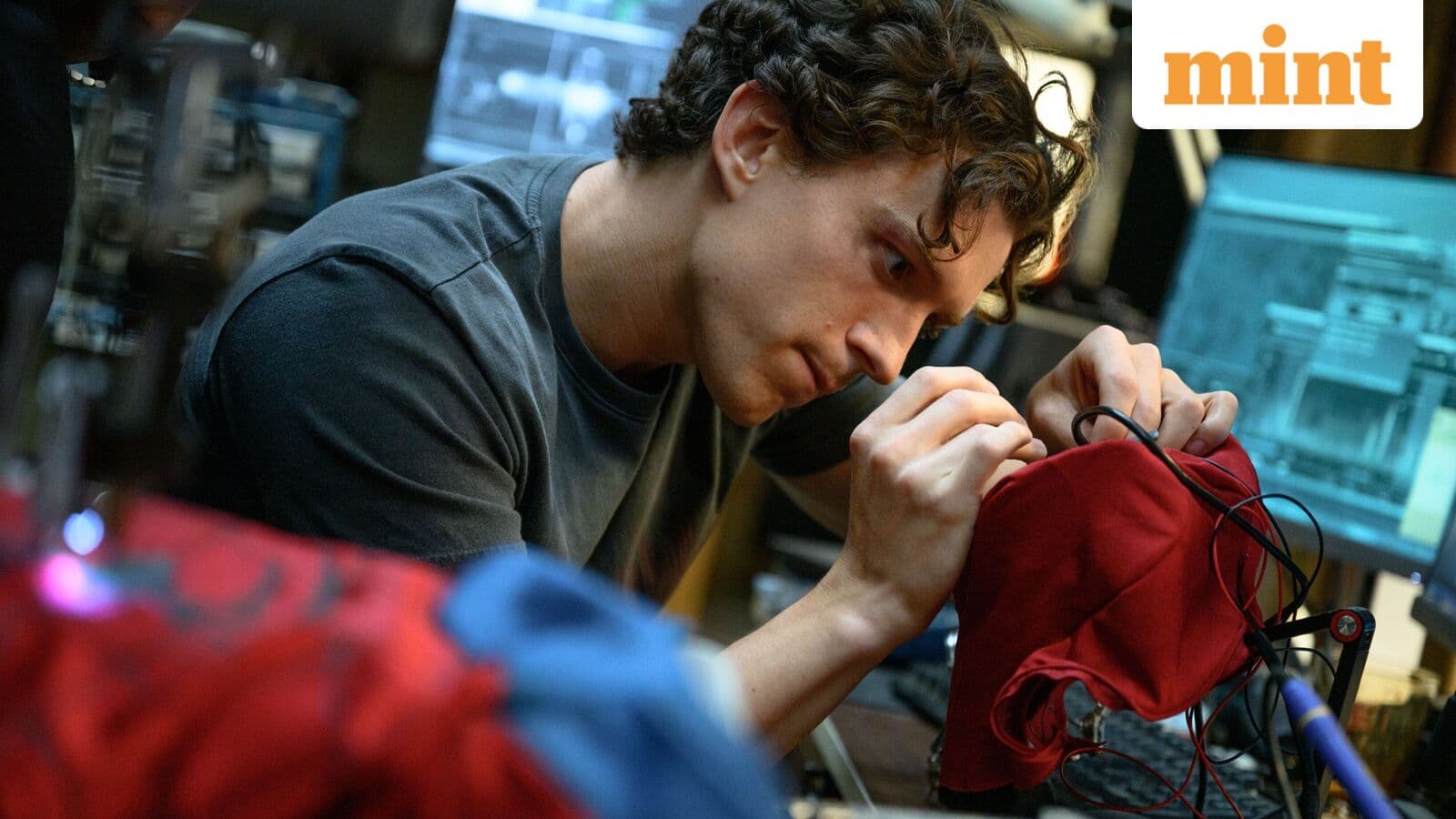
Warning: This article contains major spoilers for 'Spider-Man: Brand New Day'.The ending of 'Spider-Man: Brand New Day' brings Peter Parker back to the people he lost following the events of 'Spider-Man: No Way Home', although neither MJ nor Ned appear to fully recover their memories of him.Spider-Man: Brand New Day Ending ExplainedInstead, the film suggests that some connections may survive even when the memories attached to them have been erased. Through a broken necklace, a familiar handshake and an unexpected signal from outer space, the closing moments leave Peter’s personal future open while setting up a potentially larger conflict for Spider-Man.Quick answers to key questions•5 QUESTIONSThe broken necklace symbolizes Peter Parker's connection to MJ, suggesting that emotional bonds may persist even when memories are erased, highlighting the depth of their relationship.Their interactions indicate that although their memories of each other may be compromised, certain familiar gestures, like their handshake, trigger unexplainable recognition, suggesting underlying emotional ties.The post-credits scene reveals a Spider-Man tracker detecting a presence outside Earth, indicating that Peter's upcoming challenges may extend beyond his immediate world and potentially involve multiverse threats.Peter’s journey illustrates the theme of hope and the belief in a future despite loss, as he strives to reconnect with those he has lost while navigating new challenges.Yes, the film ends with a message indicating that Spider-Man will return, suggesting continued exploration of Peter's journey and potential multiverse conflicts in upcoming stories.One of the film’s most emotional moments centres on the Black Dahlia necklace Peter bought for MJ during their school trip to Europe in Spider-Man: Far From Home.Peter had intended to give MJ the necklace before becoming involved in his battle with Mysterio. He eventually entrusted it to Happy Hogan for safekeeping. When Peter and MJ reunited after the fight, however, Peter discovered that the necklace had been damaged.MJ’s response gave the object a deeper meaning. Rather than being disappointed, she told Peter that she preferred it in its broken form.The necklace later appeared again in Spider-Man: No Way Home, with MJ continuing to wear it. At the end of Brand New Day, MJ is seen sitting alone on a rooftop while holding the necklace. Although her memories of Peter have not returned, the moment suggests she still feels an unexplained emotional connection to the object and perhaps to the person who gave it to her.The scene does not confirm that MJ remembers Peter. Instead, it leaves open the possibility that their bond exists beyond the memories erased by Doctor Strange’s spell.Peter’s reunion with Ned follows a similarly understated approach.Ned is sitting and eating at a local deli when Peter enters. Peter initially arrives to buy a bouquet but decides to reconnect with his former best friend before continuing with his plans. Ned recognises him as the man who brought flowers to his and MJ’s housewarming party, but does not appear to remember the years they spent together.Peter smiles and offers Ned his hand. When Ned accepts, Peter begins their familiar secret handshake. Ned instinctively follows each movement, despite having no conscious memory of learning it.After the handshake is complete, Peter smiles before Ned unexpectedly says, “Peter”.The moment suggests that Ned’s memories have not fully returned. However, his reaction indicates that some part of their friendship remains, with the familiar movement triggering a sense of recognition that he cannot immediately explain. The scene also offers Peter his clearest sign yet that the people he lost may still find their way back to him.The post-credits scene then shifts the focus away from Peter’s personal life and towards a possible new threat.The Spider-Man tracker created by Ned detects a Spider-Man outside Earth. The identity of the person b

Gadkari confirmed that some BS-III vehicle components may require attention for E20 fuel use. Studies indicate no significant performance issues in legacy vehicles. AAP's Kejriwal claimed that manufacturers are pressured to downplay E20 compatibility risks for pre-2023 vehicles.Gadkari said that with regard to the concern of vehicle mileage due to the use of E20 fuel, automobile manufacturers and vehicle/engine testing agencies have clarified that vehicle mileage is influenced by a host of factors beyond just fuel type.(ANI)Union Road Transport and Highways Minister Nitin Gadkari on Wednesday said some rubber parts and gaskets in BS-III vehicles, introduced from April 1, 2005, and manufactured before 2016, may need to be replaced when operated with E20 fuel.In a written reply to the Rajya Sabha, Gadkari said that with regard to the concern of vehicle mileage due to the use of E20 fuel, automobile manufacturers and vehicle/engine testing agencies have clarified that vehicle mileage is influenced by a host of factors beyond just fuel type.'No performance variations'Gadkari said a study for the evaluation of effects of E20 on two-wheelers and four-wheelers was carried out jointly by Indian Oil Corporation Limited (IOCL), Indian Institute of Petroleum (IIP) Dehradun, Society of Indian Automobile Manufacturers (SIAM) and Automotive Research Association of India (ARAI).He said studies have not shown any need to modify the car and two-wheeler engines.According to him, these studies confirmed that even legacy vehicles did not exhibit any significant variations in performance, nor do they show abnormal wear-and-tear when operated with E20 fuel.The minister, however, said that no issues were reported in parameters such as drivability, startability, metal compatibility, and plastic compatibility."Only in case of testing done on BS-III vehicles introduced from 1st April, 2005, and manufactured prior to 2016, some rubber parts and gaskets may require replacement, which can be easily managed during routine servicing regime of the vehicle," he said.Growing opposition to E20 rolloutGadkari’s admission about E20 petrol’s potential harms comes as criticism continues to grow over the rollout of ethanol-blended fuel. Critics have questioned whether all vehicles are fully compatible with E20, flagged the possibility of reduced fuel efficiency and higher maintenance costs, and sought clarity on liability if engine or fuel-system problems arise.The government has maintained that the transition has been phased and backed by extensive testing, while automobile manufacturers have said they continue to honour warranty claims for vehicles using E20 fuel. Opposition parties have repeatedly sought greater transparency on vehicle compatibility and consumer safeguards.Kejriwal hits out at governmentAam Aadmi Party (AAP) supremo Arvind Kejriwal on Wednesday claimed that automobile manufacturers were reluctant to publicly clarify whether E20 fuel was suitable for petrol vehicles manufactured before 2023, alleging they were under pressure from the Centre.Addressing a press conference, Kejriwal said he had written to 29 automobile manufacturers seeking clarification on whether E20 fuel could safely be used in petrol-powered vehicles made before 2023 and whether the companies would bear the cost of repairs or compensate consumers for any loss in mileage if damage was caused by the fuel.Claiming that none of the companies responded in writing, Kejriwal said officials of nine manufacturers had informed him over the phone that using E20 fuel in vehicles manufactured before 2023 could affect engines, fuel systems and mileage, but they were unwilling to make such observations publicly.He alleged that the companies were not issuing written responses as consumers could seek compensation if vehicles were found to have been damaged or experienced reduced mileage.Kejriwal further claimed that the Centre wanted manufacturers to say that E20 fuel was safe for older vehicles.
The four-year cap on student visas proposed by the US Department of Homeland Security has faced criticism from Khanderao Kand of FIIDS, who warns it may harm education and research. International students are advised to return to the US before September 15 to avoid disruptions.The rule is expected to impact all professionals and students of Indian origin in the USA(AP Photo/Mark Schiefelbein)International students currently outside the United States for academic breaks have been advised by their universities to return before 15 September to remain under the existing immigration framework, according to an NDTVWorld report.The advisory, which also affects Indian students, comes ahead of the US Department of Homeland Security's (DHS) Final Rule, which will replace the long-standing Duration of Status (D/S) system for F and J visa holders.Under the new framework, international students will be admitted to the US for a fixed period of up to 4 years, rather than being allowed to remain for the duration of their academic programme.In a notice to students, Columbia University said: “This final rule has a 60-day implementation period. We recommend all students return to New York before the beginning of classes on 8 September 2026.”The DHS rule will impose a maximum four-year stay for F-1 student visa holders, J-1 exchange visitors, and I visa holders for foreign journalists. It will also reduce the grace period after completing studies from 60 days to 30 days and require students seeking extensions to apply through Form I-539 with the US Citizenship and Immigration Services (USCIS).The rule is scheduled to take effect on 15 September. However, students already in the US under the current D/S system on that date will be allowed to remain until the programme completion date listed on their Form I-20 or until the end of their approved Optional Practical Training (OPT) or STEM OPT, provided they continue to maintain their academic status.The changes are expected to affect hundreds of thousands of international students, including many Indians, raising concerns about uncertainty over future study and work plans.Khanderao Kand, chief of policy and strategy at the Foundation for India and Indian Diaspora Studies (FIIDS), criticised the proposal, calling it "a self-inflicted wound on US competitiveness."He argued that a four-year cap does not reflect the realities of higher education."A four-year cap misaligns with how modern degrees actually work. The median time to complete a bachelor's degree is about 52 months, while a PhD takes around 5.7 years. USCIS is already dealing with roughly year-long processing times," Kand said.He warned that students could be forced to leave before completing their programmes, disrupting research and weakening the US innovation ecosystem.FIIDS also cautioned that uncertainty surrounding visa extensions could disrupt laboratories, delay graduations and complicate faculty recruitment. Many research-intensive programmes, including doctoral studies, medical training, and J-1 research appointments, typically require 5 to 7 years to complete.Kand urged the administration to delay implementation of the rule."If the goal is to strengthen immigration integrity, it should be done without disrupting degree pathways that power American laboratories and startups," he said.Stay updated with the latest Trending, India , World and US news. Follow CJP Protest LIVE updates for Sonam Wangchuk’s health, the Centre’s response, police action and the protesters’ next move.HomeNewsUs NewsUS colleges urge F-1 and J-1 visa holders to return before 15 September as new rules nearMore



Discussion (0)