
Loading dispatches...
← Return to Newsroomgeneral
At 88, Ramadoss leaves politics, ending era that reshaped Tamil Nadu’s reservation debate, its caste politics
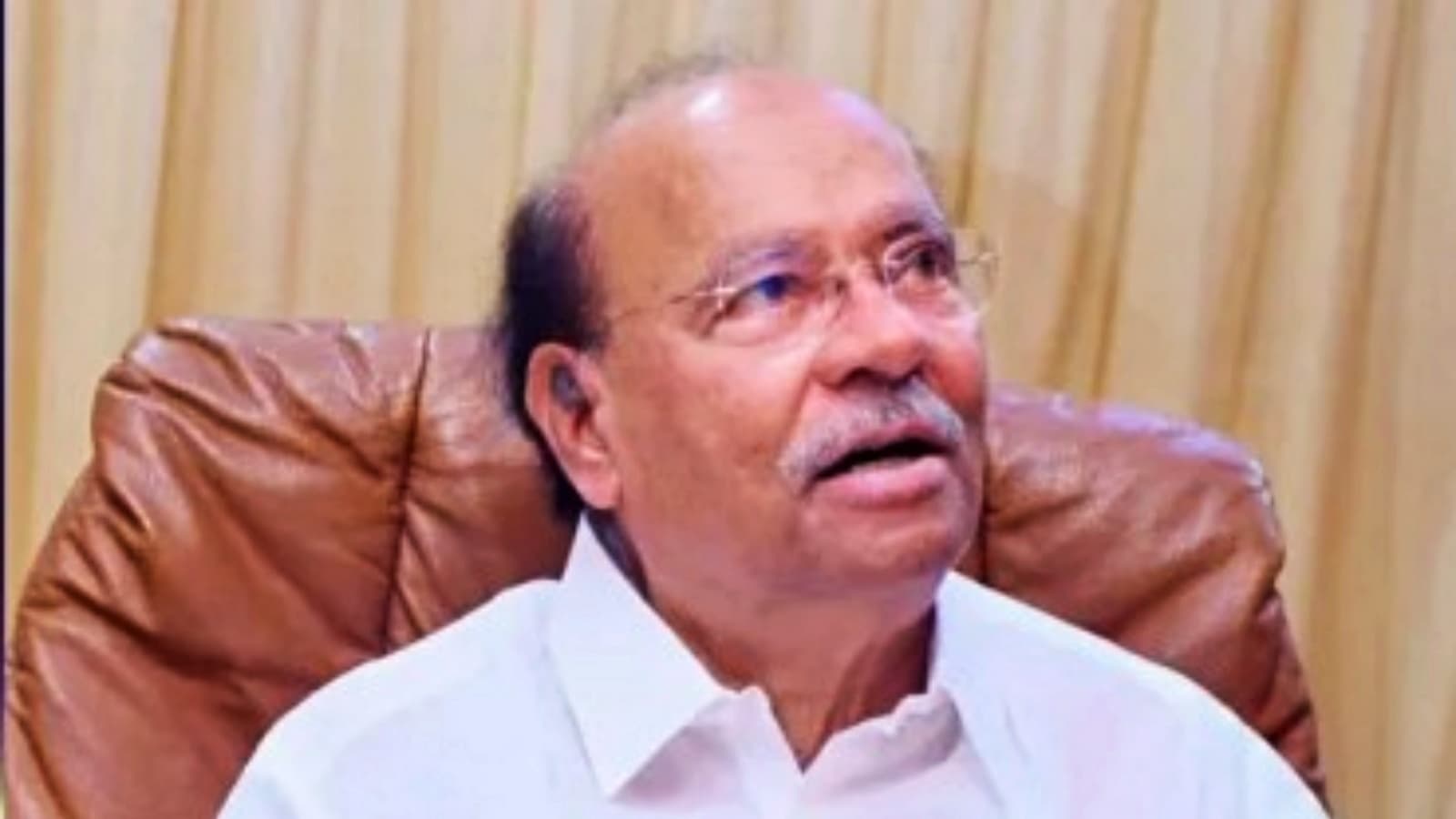
Every political movement eventually confronts the same question: what remains after the founder decides to stop speaking? On Saturday, as he turned 88, Pattali Makkal Katchi (PMK) founder Dr. S. Ramadoss attempted to answer that question with unusual simplicity.“I am retiring from politics,” he told party workers gathered at Saraswathi College near Tindivanam. “From today, I will not speak about politics or interfere in political matters. Anbumani will take care of politics. His wife will also support him. Those who come to meet me should not discuss politics with me.”The declaration, delivered during a birthday programme that also marked the planting of 88 saplings, formally transfers the political movement he built over four decades to his son, PMK president Dr. Anbumani Ramadoss. Citing recurring vertigo, Ramadoss asked visitors henceforth to enquire only about his health — not politics. “I am suffering from vertigo. I was eager to meet all of you and have come here,” he said. “The relationship between you and me will never change.” The announcement comes barely weeks after father and son ended a bitter leadership struggle that had split the PMK into rival camps, with both publicly differing over organisational control, alliances and the party’s future. Their emotional reunion at Thailapuram last month signalled reconciliation. Saturday’s announcement transformed reconciliation into succession. The declaration, delivered during a birthday programme that also marked the planting of 88 saplings, formally transfers the political movement he built over four decades to his son, PMK president Dr. Anbumani Ramadoss.The Ramadoss legacy Yet Ramadoss leaves behind far more than a political party. He leaves behind one of the most consequential — and contested — social movements modern Tamil Nadu has produced. Long before he became a politician, Ramadoss was a village doctor in Villupuram whose inexpensive medical practice earned him local recognition. In 1980, he founded the Vanniyar Sangam, seeking greater educational and employment opportunities for one of Tamil Nadu’s largest and most politically consolidated Most Backward Class (MBC) communities. That movement would fundamentally reshape Tamil Nadu’s reservation politics. Throughout the 1980s, the Vanniyar agitation demanded separate reservation in education and government employment. It also developed an unmistakable style of protest. Roads across northern Tamil Nadu were blocked not with barricades but with freshly cut government-owned roadside trees. Villages stopped highways at their own boundaries. Entire transport networks came to a standstill. One week-long blockade in September 1987 paralysed large parts of northern Tamil Nadu. Earlier road and rail blockades had already demonstrated the movement’s organisational capacity. The method became so iconic that one of PMK’s most recognisable leaders would forever carry the nickname “Kaduvetti” (tree cutter) Guru — a name that itself became shorthand for that era of agitation. Those protests often turned violent. Police firing and clashes claimed several lives. But they also achieved their central political objective. After the DMK returned to power in 1989, the existing Backward Class category was divided into Backward Classes and Most Backward Classes. Vanniyars were placed within the newly created MBC category, securing a separate 20 percent reservation that remains one of the defining achievements claimed by Ramadoss throughout his political career. From that social movement emerged the Pattali Makkal Katchi, or PMK, in 1989. The ambition was never modest. Ramadoss repeatedly spoke of capturing power in Tamil Nadu itself. At one point he recalled believing the PMK would win government immediately after its birth and argued that history, including Rajiv Gandhi’s assassination, altered that trajectory. Reality proved less accommodating. The PMK once emerged as an indispensable alliance partner capable of influencing government

Discussion (0)