
Loading dispatches...
← Return to Newsroomgeneral
Bengal Mukhya Mantri Swasthya Bima Yojana: eligibility, exclusions, how to apply
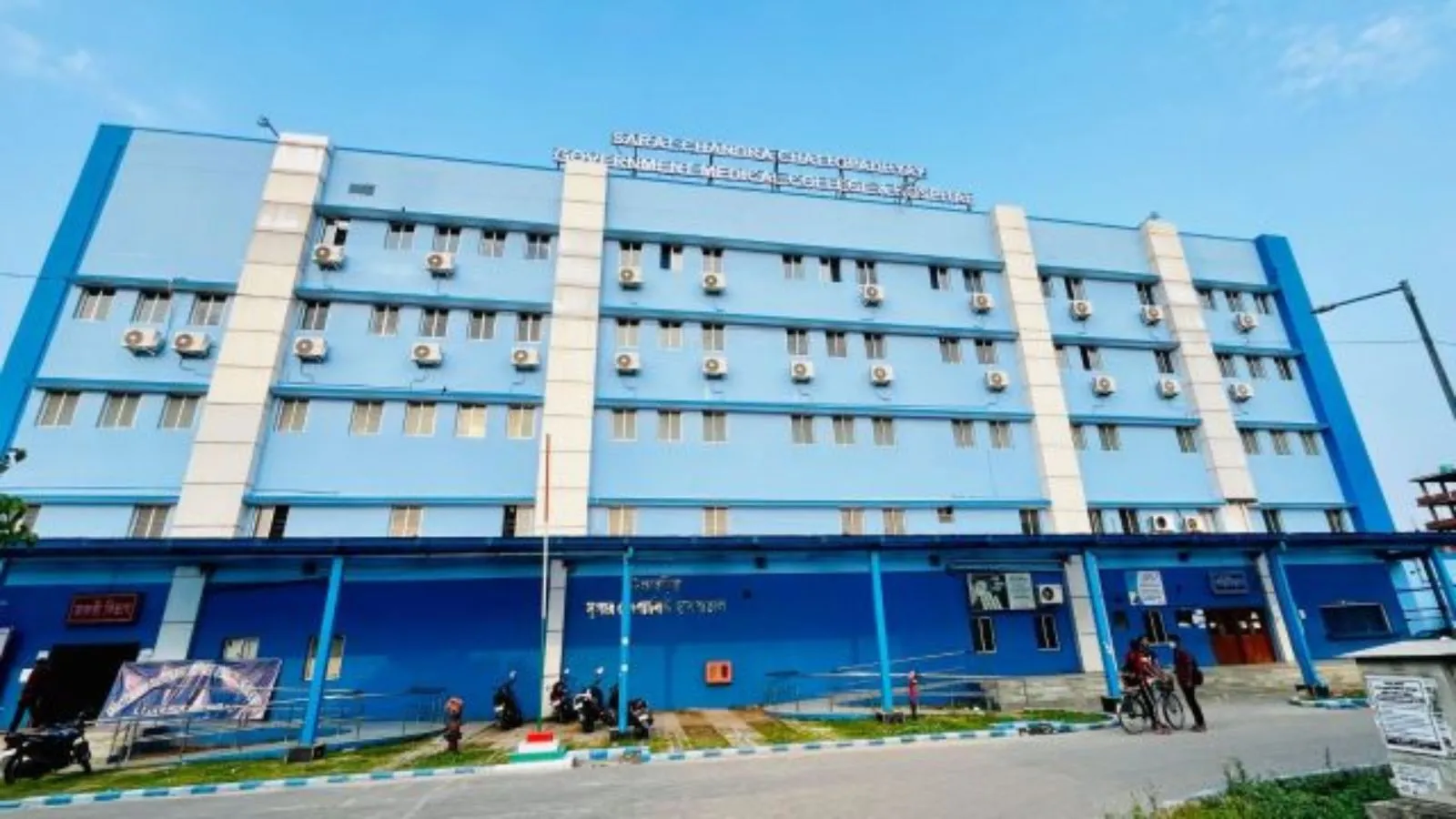
The West Bengal scheme allows cashless treatment at all Ayushman Bharat-empanelled hospitals across India. (File Photo)The West Bengal government on Monday introduced the Mukhya Mantri Swasthya Bima Yojana (MMSBY) to strengthen access to public healthcare and insulate households from high medical expenses. It offers a Rs 5-lakh health coverage to residents who are covered under the state’s Swasthya Sathi scheme but do not qualify for the central Ayushman Bharat Yojana. Who is not eligible?To ensure targeted financial assistance and avoid duplicating benefits, the government has outlined specific exclusion criteria. You are ineligible for the MMSBY if you fit into any of the following categories: Income cap: Families with an annual income exceeding Rs 8 lakh. State government health scheme: Employees or pensioners covered under the West Bengal Health Scheme 2008. Central government health scheme (CGHS): Employees or pensioners covered under the CGHS 1954. ESI coverage: Employees or pensioners covered under the Employees’ State Insurance Act 1948. PSU/statutory body insurance: Employees or pensioners enrolled in any group medical insurance scheme operated by central or state public sector undertakings, urban local bodies, statutory corporations, trusts, societies, or boards.Story continues below this ad Medical allowance recipients: State or central government, parastatal employees and pensioners drawing a regular medical allowance. Senior citizens: Individuals over 70 years of age (as they qualify for coverage under the Ayushman Vaya Vandana Yojana). Electoral roll deletions: Individuals whose names were removed during the Special Intensive Revision (SIR) of the electoral roll under the absentee, deceased, shifted, or duplicate lists. Applicants with pending Citizenship Amendment Act or SIR tribunal adjudications remain eligible if they satisfy all other conditions. MMSBY vs Swasthya SathiStory continues below this ad While the MMSBY builds upon the foundations laid by Swasthya Sathi, it introduces key structural changes: Pan-India portability: Under Swasthya Sathi, cashless medical treatment was primarily limited to empanelled hospitals within the state. In contrast, the MMSBY offers nationwide portability, allowing beneficiaries to access cashless treatment at any Ayushman Bharat-empanelled hospital across India—a major relief for people travelling or working outside the state. Refined income and target criteria: Swasthya Sathi provided near-universal coverage by removing income barriers for all residents (except those on specific government health schemes). The MMSBY introduces a defined annual family income ceiling of Rs 8 lakh along with targeted exclusions to streamline resources for families without secondary coverage. What remains the same Despite these logistical upgrades, the key benefits that protect families against medical debt remain intact:Story continues below this ad Coverage amount: Families receive up to Rs 5 lakh per year for secondary and tertiary care hospitalisation on a floater basis. Pre-existing conditions: Covered from Day 1 with zero waiting period. No family cap: No limit on the number of dependent family members who can be covered under a single policy unit. How to apply Because MMSBY targets residents covered under Swasthya Sathi who lack Ayushman Bharat coverage, the application and verification process is integrated directly into the state’s existing healthcare setup. Swasthya Sathi cardholders can check their eligibility status directly on the official portal (swasthyasathi.gov.in) by entering their registered mobile number or unique registration number.Story continues below this ad If your family is not yet registered under Swasthya Sathi, you can fill in the standard registration form on the official portal or submit a physical copy at local administrative camps (such as Duare Sarkar outreach drives or block development or municipal offices). Required doc
West Bengal Chief Minister Suvendu Adhikari. (File Photo)The West Bengal Panchayat (Amendment) Bill, aimed at temporarily transferring exclusive authority to sign financial documents from pradhans to panchayat secretary and assistant secretary, was passed in the Assembly on Saturday. The Bill mandates that in the absence of both the pradhan and upa-pradhan for more than 15 days, and if none of the elected members agrees to take charge, the authority can appoint an extension officer or an officer of a higher rank as the administrator for a maximum period of 30 days. During this period, the administrator will exercise all powers and perform all functions of the gram panchayat.According to the government, it was forced to bring these amendments because many panchayats became defunct after TMC lost in the Assembly election. The Bill also aims to curb corruption at the panchayat level. “Provided that in case of non-availability of Pradhan and Upa-Pradhan for more than fifteen days, affecting the public services and unwillingness of any of the members to take the charge of Pradhan and Upa-Pradhan, the Prescribed Authority may appoint an officer, not below the rank of an Extension Officer, to be designated as Administrator for a period of thirty days at a time to remove the hardship of the people and stagnation of the Gram Panchayat,” the Bill states. “Explanation, during the incumbency of the Administrator, the Gram Panchayat body and the Upa-Samitis will be in a state of temporary moratorium and all the powers, duties and functions of the Pradhan, Gram Panchayat or its Upa-Samitis shall be exercised, discharged or performed by Administrator,” it adds. “Provided also that when meetings of Gram Panchayat could not be held under this section for two consecutive months due to absence of Pradhan and Upa-Pradhan, Secretary of the Gram Panchayat shall convene meeting and take necessary action after taking approval of the concerned Block Development Officer in writing and at such meeting the Block Development Officer may engage an observer not below the rank of an Extension Officer and the Executive Assistant shall attend the meetings of Gram Panchayat and participate in the deliberation thereof,” it adds. To curb corruption, the Bill mandates the executive assistant’s signature on all payment orders issued from the gram panchayat fund, while cheques will require the joint signatures of the executive assistant and the secretary of the respective gram panchayatStory continues below this ad “In accordance with the powers and functions conferred on the Pradhan under the Act and the rules made thereunder and subject to such general control as the Gram Panchayat may exercise from time to time, all orders for payment from the Gram Panchayat Fund shall be signed by the Pradhan, or in his absence, by the Upa-Pradhan and in pursuance of such orders of payment, cheque or cheques shall be signed jointly by the Pradhan, or in his absence, by the Upa-Pradhan and by the Executive Assistant of the Gram Panchayat.” The bill further states, “It will be the duty of the Executive Assistant to submit the monthly income and expenditure report to the Pradhan of Gram Panchayat and the Pradhan will be responsible to place it before the Gram Panchayat and the concerned Executive Assistant will be responsible to place it before the concerned Block Development Officer in a regular manner.”. Higher Education Minister Jagannath Chattopadhyay said, “We have no intention to squeeze democratic space of the panchayat. The TMC government looted in the name of panchayat. If we will regularise panchayat elections, the Act can be amended.” Slamming the government, ISF MLA Naushad Siddiqui said, “It is basically an attack on democracy. The TMC government started it and the BJP government is carrying it forward.” Atri Mitra is a highly accomplished Special Correspondent for The Indian Express, bringing over 20 years of experience to



Discussion (0)