
Loading dispatches...
← Return to Newsroomgeneral
Saudi-US nuclear deal exposes alarming contradictions of new world order
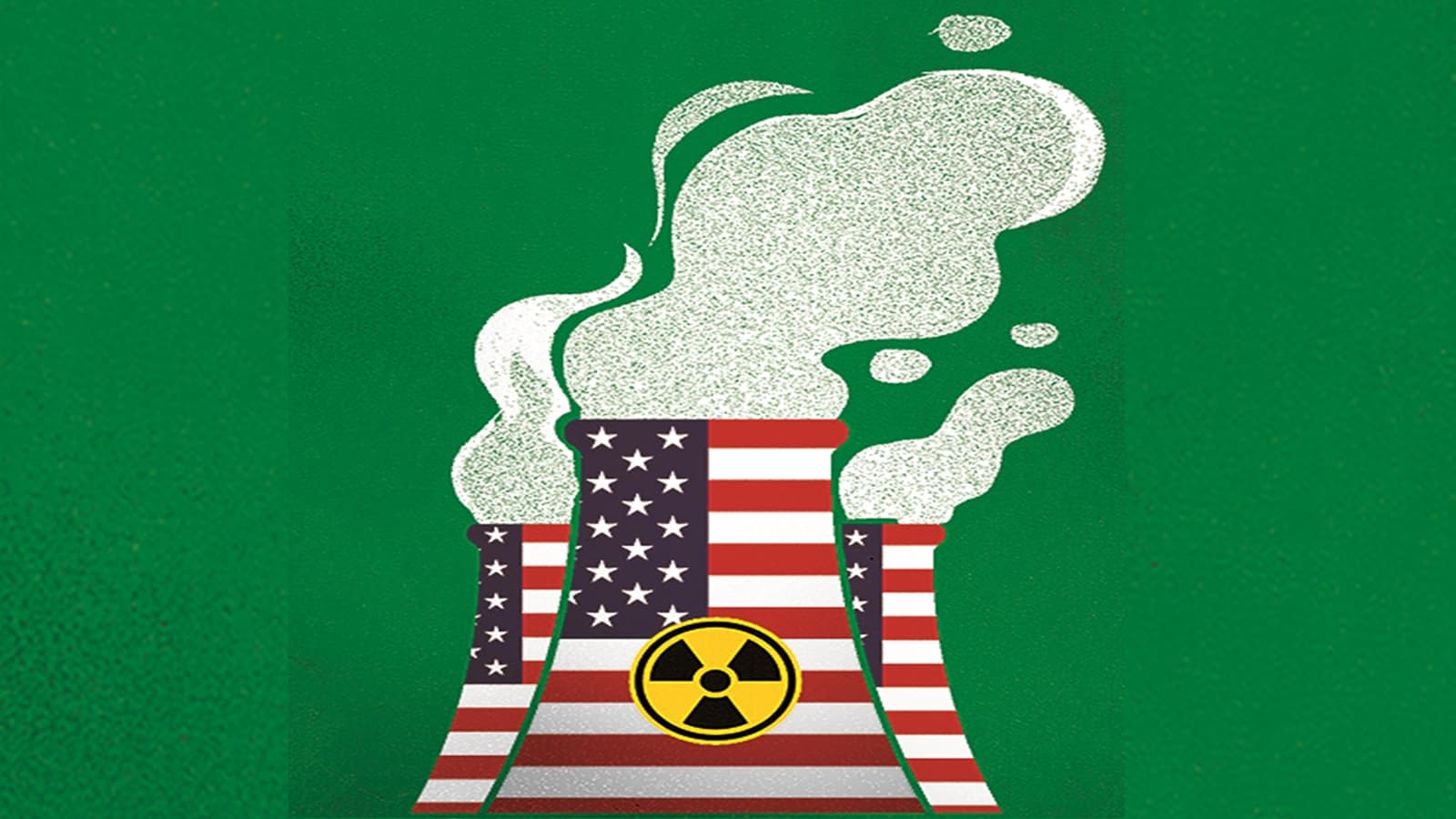
The first casualty of this arrangement is any coherent American non-proliferation strategy. (Illustration: Suvajit Dey) 4 min readJul 27, 2026 06:24 AM IST First published on: Jul 27, 2026 at 06:24 AM IST The reported Saudi-American nuclear cooperation agreement (if it lasts Trump’s mood swings) represents a geopolitical inflexion point that exposes the fundamental contradictions at the heart of the current international order — the fragility of strategic partnerships, and the hollow nature of values-based foreign policy in an age of competitive great power interests. On its surface, the deal is straightforward: The United States extends civilian nuclear technology to Saudi Arabia as part of a broader package aimed at normalising Israeli-Saudi relations, consolidating American influence in the Gulf, and offsetting Iranian regional reach. The optics are managed. The Saudis frame it as energy security for a hydrocarbon-dependent economy transitioning toward Vision 2030. The Americans frame it as non-proliferation-compliant, insisting that enrichment and reprocessing restrictions will be embedded in any agreement. Yet the subtext is unmistakable, and it is alarming: This is a pathway toward a nuclear-armed Saudi Arabia, and everyone at the table knows it.The first casualty of this arrangement is any coherent American non-proliferation strategy. The Iran nuclear deal, painstakingly negotiated under Obama and methodically dismantled under Trump, was predicated on the principle that nuclear proliferation in the Middle East had to be arrested, that Iranian enrichment was the primary threat, and that a rules-based order required consistency. The Saudi agreement obliterates that principle. If the United States is now willing to facilitate nuclear technology transfer to Riyadh in exchange for regional alignment, the message to every aspiring nuclear power is crystalline: Proliferation is negotiable when strategic interest demands it. This brings us to the second-order question: What does a nuclear-armed Saudi Arabia mean for Iran, and by extension, for the Shia-Sunni sectarian divide that has metastasised across the region? The Saudi-Iranian rivalry has been the organising principle of Middle Eastern geopolitics for decades. It is sectarian in language and theology, but fundamentally it is about hegemony. This competition has raged through proxy wars in Syria, Iraq, Yemen, and Lebanon. It has shaped Pakistan’s strategic calculus, influenced Gulf monarchies’ foreign policies, and roiled Afghanistan. A nuclear-armed Saudi Arabia fundamentally alters the power dynamic. It removes the Iranian presumption that technological and strategic initiative rests with Tehran. More dangerously, it injects a nuclear dimension into a sectarian conflict that has proven difficult to manage even in conventional terms. The psychological impact on Iran should not be underestimated. For Tehran, which has invested decades in its nuclear programme as both a shield and a symbol of national dignity and technological prowess, the sight of its Arab rival acquiring nuclear capacity through American largesse will be read as an existential provocation. The likely Iranian response is further acceleration of enrichment, pursuit of weapons capability outside any negotiating framework, and a hardening of revolutionary credentials at home. The sectarian divide, which has shown signs of pragmatic negotiation in certain contexts (the Iraqi political settlement, the Lebanese confessional model), will deepen. We should expect a renewed arms race in asymmetric capabilities, proxy conflicts, and sectarian mobilisation across the region. The Israel dimension adds another layer of complexity and contradiction. For decades, Saudi Arabia and Israel shared a common enemy in Iran. That symmetry justified quiet cooperation. But now, with a nuclear Saudi Arabia on the horizon, Israel confronts a new version of the problem it has always sought to prevent: A nuclear Middle East that it



Discussion (0)