
The memory crisis made Dell innovate on XPS 13’s entry-level price point… here is the story


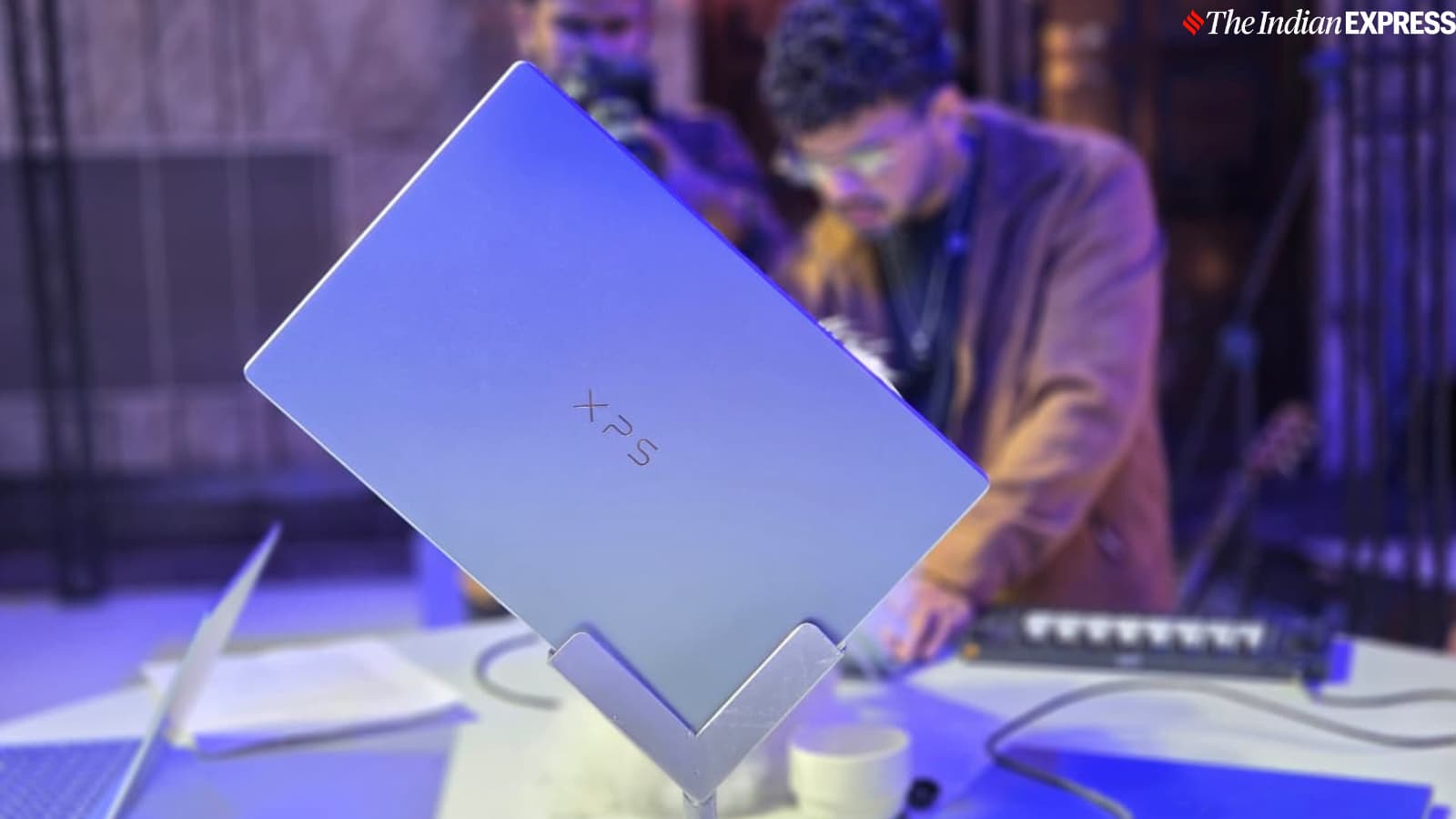
The current memory crisis may signal the end of entry-level, mass-market laptops, as the cost of producing any consumer electronics device has shot up due to the rising cost of key components. The shortage of memory chips, dubbed “RAMageddon,” is also forcing companies like Dell back to the drawing board to design notebooks that, while not necessarily high-end, are practical for everyday use and cost only slightly more than the typical budget laptop on the market.“I think this is one of the first time when the innovation was focused on how to deliver a great premium device at less than half the entry price we typically have,” Chris Cowger, Senior Vice President, Global Consumer and eCommerce at Dell Technologies, told indianexpress.com in an interview on the sidelines of the company’s launch of its new consumer notebook portfolio in Delhi on Tuesday. Its new XPS 13 looks and feels like a flagship laptop and is just as nice to use as the premium models that came before it, yet it costs Rs 79,990, a price point that makes the XPS brand more accessible to a broader range of consumers.“We did focus on cost out while also still trying to maintain premium and not ultimately delivering a device that you would consider cheap was probably the biggest focus with the XPS 13,” he added. Despite the shortage of RAM caused by growing demand from data centers, fuelled by the AI boom, the industry is facing a memory crunch that has sent laptop and smartphone prices soaring, especially in a tough economy. Yet, as Cowger pointed out, products like the XPS 13 feel like a mainstream notebook while remaining interesting to be considered experimental in nature in the midst of an ongoing memory crisis. The XPS 13 base model will run Intel’s Wildcat Lake platform, which is a relatively new entry-level series. ( At just 12.7mm thick and weighing less than a kilogram, Dell’s XPS 13 is not only the thinnest and lightest version of the XPS 13 the company has ever made, but it also comes with a premium feature set, including a CNC-machined aluminium chassis, a 2.5K IPS display, quad speakers, Wi-Fi 7 support, and an Intel Core Series 3 “Wildcat lake” processor paired with 8GB of RAM and 512GB of storage. That puts the XPS 13 in the same category as the MacBook Neo, Apple’s lower tier Mac notebook. Both the XPS 13 and the MacBook Neo are aimed at people who may have been using tablets as their primary computers but are now looking for a regular laptop with reasonable specifications, with no intention of settling for a bargain notebook. “We can work with partners globally to deliver a system that hits many of those entry-level price points. But I think every time we explore a product in that space, we end up with something that still doesn’t quite meet Dell’s standards,” Cowger responded when asked whether it was even possible to create a sub-Rs 50,000 notebook that ticks all the boxes in the current market environment.Story continues below this ad Historically, the XPS line (which Dell resurrected at CES 2026 and used to reframe its laptop marketing around build quality, battery life, and display performance) has targeted a different set of consumers, including corporate professionals, high-flying executives, and other premium buyers. With the new XPS 13, however, the company is targeting students. As Cowger pointed out, Dell’s goal was never to build a cheap XPS computer. After all, the company is not willing to sacrifice what it considers quality in exchange for a lower price. There are trade-offs, of course. The base version ships with 8GB RAM, though Dell is also selling a model with 16GB RAM for Rs 94,990. ‘Moving from the AI PC hype’ In the last two years, the entire industry has hyped “AI PCs,” a term OEMs have used to market notebooks and computers by capitalising on the generative AI boom to drive sales. Consumers, however, have either failed to understand the messaging or have not found much value in the

Discussion (0)