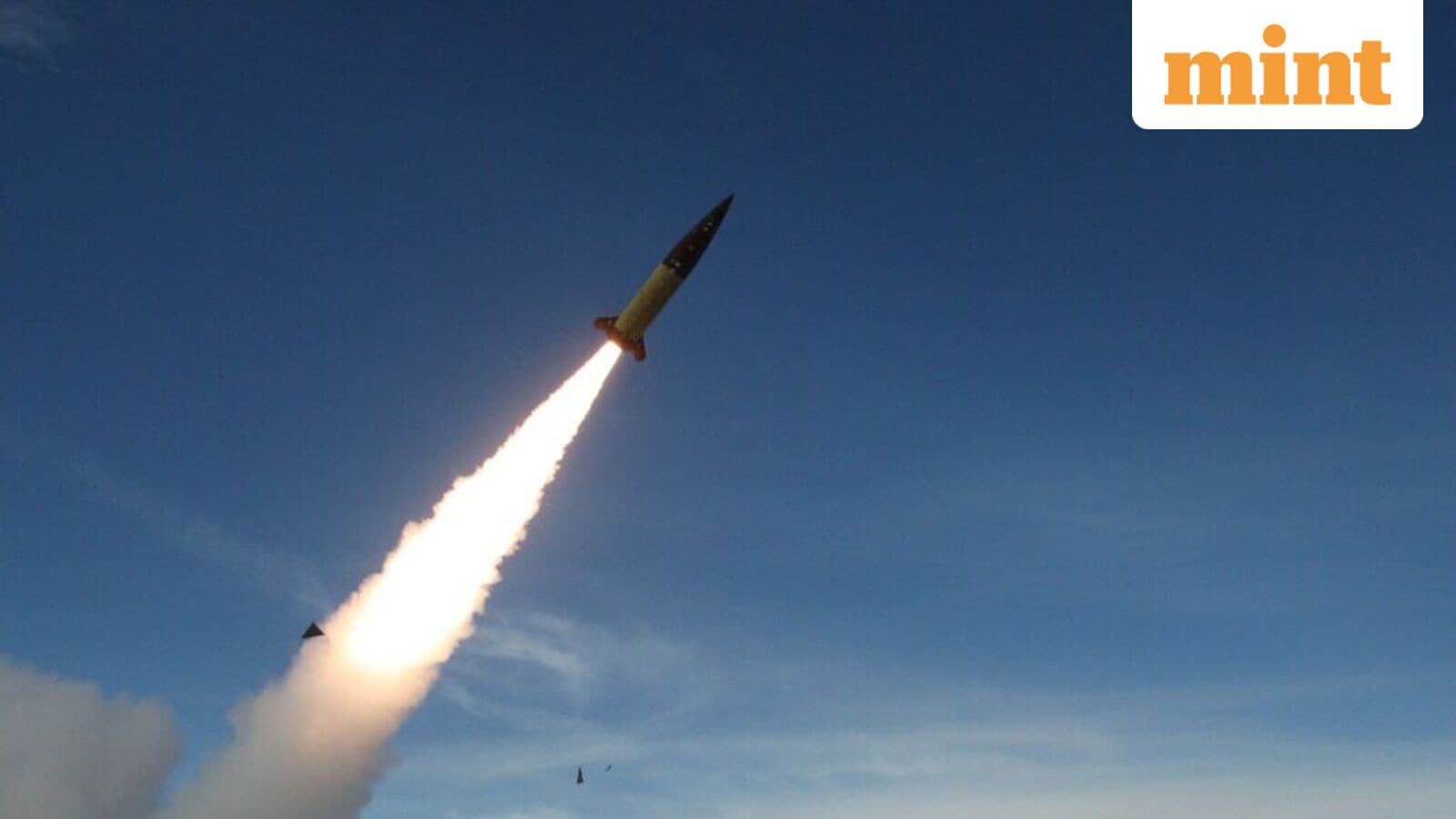
As the U.S.-Iran war continues, stockpiles of critical weapons, including precision missiles, are nearly exhausted. Despite assurances from Trump about U.S. munitions, a report indicates that if escalation occurs, military leaders may resort to riskier bombing missions due to diminishing resources.The U.S. Army conduct live fire tests of the Army Tactical Missile System (ATACMS) at the White Sands Missile Range in New Mexico, (Getty Images)As the US-Iran war is in its sixth month, Washington has nearly exhausted its stockpile of highly accurate long-range missiles, raising questions about the future of the conflict. According to Reuters, the US has used "virtually all" of its Army Tactical Missile Systems (ATACMS) and Precision Strike Missiles (PrSM) in the first five months of the war, which began on February 28.The PrSM is a newer, more advanced generation that will replace the ATACMS, which have a shorter range.The long-range munitions – which cost more than $1 million each – are an important part of the military's arsenal, allowing accurate strikes from a safe distance.Why it mattersAccording to CBS News, US officials said there are limited inventories of the ATACMS and Precision Strike Missiles, and that the most pressing concern involves the number of Patriot and Terminal High Altitude Area Defense (THAAD) interceptors, which have been used faster than the industry can replace them.Patriots and THAADs are systems that detect and destroy incoming missiles and are among the most effective in the country's arsenal.US stockpile before Iran warA report by the Center for Strategic and International Studies last month estimated that before the war began, the US had 2,330 Patriots, and at the end of July, was down to between 759 and 827 of them. Similarly, before the war, the US had 452 THAAD interceptors, and as of July 27, was down to between 234 and 278.CSIS also estimated that it could take until at least mid-2029 to return to pre-war inventory levels for both Patriots and THAADs.The US also burned through a little less than half of its global supply of Tomahawk cruise missiles, which are generally launched from ships, since the start of the war, the Reuters report added.While ATACMS and PrSMs, along with the THAAD system, are made by Lockheed Martin, Tomahawk missiles and Patriot interceptors are manufactured by Raytheon.What is next for US?According to the Reuters report, the dramatic rundown in precision, long-range missiles means the US may have to rely more on riskier, piloted bombing missions if Trump relaunches large-scale attacks on Iran.Military leaders have for weeks warned the president that stockpiles of defensive weapons were dwindling, said two of the sources. Last week, several media outlets reported Trump had decided not to launch another massive offensive inside Iran in part because his military advisers had warned about the U.S. stockpile.A US official disputed those accounts, saying Trump chose not to move forward with another attack because of pressure from Gulf states.An unnamed source, however, told Reuters that despite the high usage of precision weapons, the US can resupply from around the world.In response to the Reuters report about the stockpile data, the White House issued a statement from Trump, saying the US had “far more munitions than anyone in the world" and "far more than we need.""Our defense companies are, at this moment, making more munitions than they have ever made before, in addition to expanding their plants and equipment at record levels," Trump said.Get Latest real-time updatesStay updated with the latest Trending, India, World and US news. HomeNewsUs NewsUS has used almost all of its long-range precision missiles including ATACMS and PrSM in Iran war: ReportMore




Discussion (0)