
Loading dispatches...
← Return to Newsroomgeneral
Fatty liver fix? My patient chose herbal detoxes. Five years later, he had cirrhosis
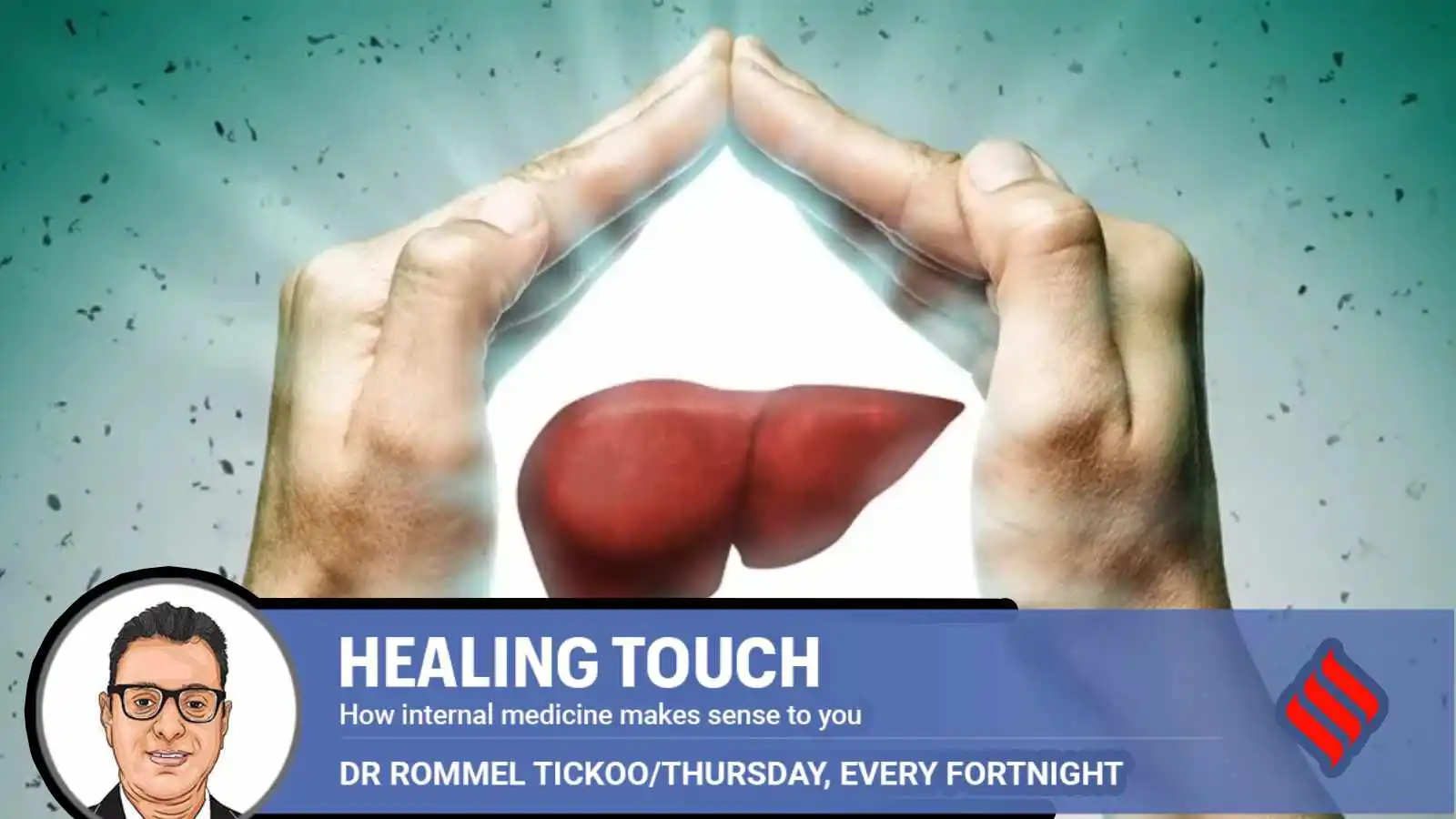
The internet is flooded with advertisements promising to cleanse, regenerate or detoxify the liver using herbal capsules, powders and tonics. (Image: Thinkstock)Five years ago, a 50-year-old businessman walked into my clinic with what, at that stage, was a very manageable problem. He had obesity, diabetes, hypertension and mildly elevated liver enzymes. An ultrasound showed Grade 2 fatty liver, while a FibroScan revealed significant fibrosis — evidence that his liver had already begun to develop scar tissue but had not yet reached a point of no return. I explained his treatment plan. It wasn’t glamorous, but it was backed by solid evidence: lose weight, adopt a Mediterranean-style diet, take medicines to control diabetes and obesity (metformin and empagliflozin cause modest weight loss too), return for regular follow-up blood tests and FibroScans, and monitor for disease progression. He listened carefully but then chose a different path.Instead of following evidence-based treatment, he became convinced that he could “cleanse” his liver naturally. He began taking over-the-counter herbal supplements and liver cleansers purchased online, including products containing milk thistle (Silymarin). He stopped taking his diabetes medication, skipped his follow-up appointments and believed he was protecting his liver naturally. Five years later, he returned. His weight had increased by another 10 kg. His HbA1c (average blood sugar count of three months) had climbed from 7.5% to 9%, reflecting poorly controlled diabetes. His cholesterol remained high. He proudly told me he had continued walking for half an hour every day throughout those years, an effort too little. He had begun experiencing persistent fatigue, abdominal bloating and declining stamina. Blood tests showed his platelet count had fallen to 80,000, a warning sign of advanced liver disease. His liver function tests revealed low albumin, indicating chronic liver dysfunction. A repeat FibroScan showed advanced fibrosis or scarred tissue, far worse than what we had documented five years earlier. An endoscopy demonstrated enlarged veins in his oesophagus or food pipe caused by increased pressure in the liver’s blood vessels and carrying a risk of life-threatening bleeding. His liver disease had progressed to cirrhosis. Yet much of this progression could likely have been prevented. Why ‘liver Detox’ sounds so convincing My patient’s story is not unique. Increasingly, I see people who postpone proven treatment because they believe herbal supplements and liver detox products offer a safer, more natural alternative. The internet is flooded with advertisements promising to cleanse, regenerate or detoxify the liver using herbal capsules, powders and tonics. Testimonials often sound persuasive, and “natural” is frequently equated with “safe.” But medicine does not work on testimonials. It works on evidence. Recent evidence reviews published in 2025 found that while Silymarin may produce a small improvement in liver enzyme levels in some patients, it has not consistently improved liver fibrosis, liver fat, disease progression or long-term outcomes. Most studies on efficacy of herbal supplements remain small, of low methodological quality or inconsistent, making their conclusions uncertain. At present, there is insufficient high-quality evidence to recommend OTC herbal liver cleansers as improving fatty liver.Story continues below this ad Equally important, the quality of supplements sold online is highly variable. Unlike prescription medicines, many herbal products are not subjected to the same rigorous standards of manufacturing, purity and quality control. Some have themselves been implicated in drug-induced liver injury because of contamination, adulteration or unpredictable ingredients. Why treatment delays can be costly? So, every year spent relying on an unproven liver cleanser is another year during which diabetes remains uncontrolled, obesity worsens, cholesterol stays elevated an
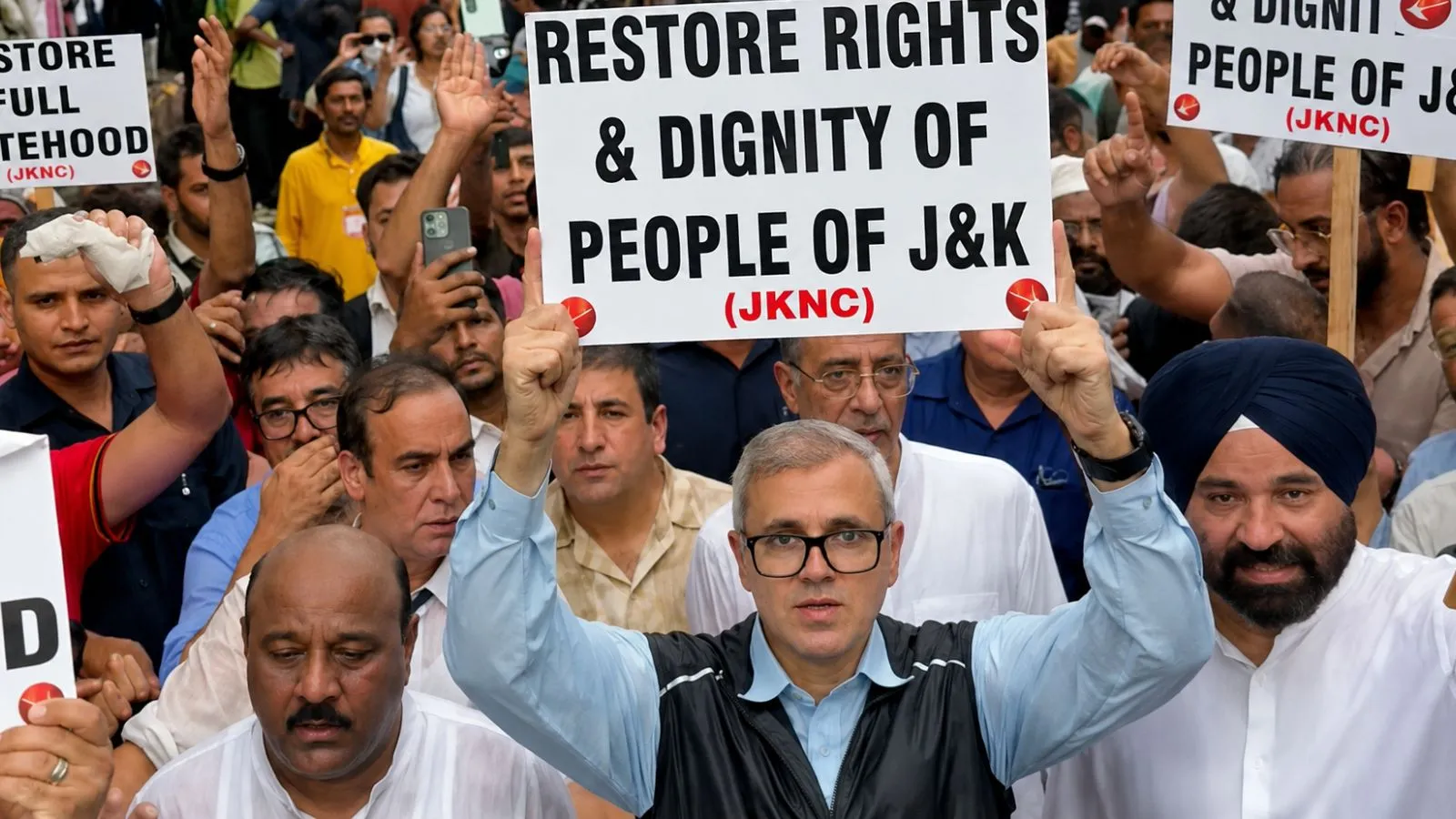
As another anniversary comes and goes of Jammu and Kashmir being stripped of its special status and reduced to a Union Territory, the Narendra Modi government continues to promise restoration of statehood, but has not committed to when it will happen. Under increasing political pressure on the issue, Chief Minister Omar Abdullah has hardened his political stance and recently held his first protest in Delhi for statehood.Marking the seventh year of the Centre’s August 5, 2019, move, Abdullah declared Wednesday that he had neither “forgotten” nor “accepted”. “My party & I remain committed to reversing all that was done to J&K that took away our rights & threatens our identity,” he said in a post on X, adding Robert Frost’s famous lines: “I have promises to keep. And miles to go before I sleep.”The statement marked a departure from the calibrated approach the National Conference (NC) leader has adopted since he led his party to power in October 2024, in the first elections held after the abrogation of Article 370. In the period after that, his government maintained a cooperative relationship with the Centre in the hope that statehood would follow and, crucially, did not press it on the intractable question of restoration of Article 370 and constitutional guarantees to J&K. Participants carry a 200-metre Tricolour during a Tiranga Rally organised by the Jammu and Kashmir Peoples Forum (JKPF) in Reasi. (PTI)Realisation seems to be dawning now that this strategy has produced little. Promises, promises Since Parliament passed the Jammu and Kashmir Reorganisation Act on August 5, 2019, the Centre’s position has been consistent: statehood will be restored at an “appropriate time”, repeated a number of times, but always without a timeline. The first assurance came during the debate on the reorganisation Bill. Replying to concerns in Parliament in August 2019, Union Home Minister Amit Shah said: “When normalcy returns… jab uchit samay aayega (when the right time arrives), it (J&K) will be given statehood again.” In October 2019, Shah said J&K would not remain a UT forever, and statehood would return once the security situation normalised. In February 2021, he again assured Parliament that “full statehood” would be granted, at an “appropriate juncture”. Visiting J&K in October 2021, he laid out what he described as a roadmap – delimitation, Assembly elections and then restoration of statehood. In early 2022 and again in 2023, he reiterated that elections would precede restoration. PDP leader Iltija Mufti during a protest demanding the restoration of J&K ‘s special status in Srinagar on Wednesday. (PTI)Prime Minister Narendra Modi too has given similar assurances. During a rally in J&K before the 2024 Lok Sabha polls, he spoke of restoring statehood and holding Assembly elections, but stopped short of specifying any timeline. The same position has been taken before the Supreme Court. During hearings on the constitutional validity of the abrogation of Article 370, Solicitor General Tushar Mehta has maintained that J&K’s UT status is temporary. However, to the Constitution Bench’s queries about a timeframe, the Centre has said it is unable to provide one, while assuring that it is “progressively proceeding” towards restoring full statehood. After it came to power following the 2024 Assembly elections, one of the first acts of the Abdullah government was to pass a Cabinet resolution seeking restoration of statehood. But, while it had committed to statehood after the J&K elections were held, the Centre is no closer to giving it. In March 2025, Shah reiterated that the promise would be fulfilled, but added that “it can’t be disclosed when… at a public forum”. More recently, Union Law Minister Arjun Ram Meghwal said people would “soon hear about a decision”. Omar’s gamble The NC contested the 2024 Assembly elections promising to strive for restoration of Article 370, Article 35A and statehood, as existed before August 5, 2019. However, pragm
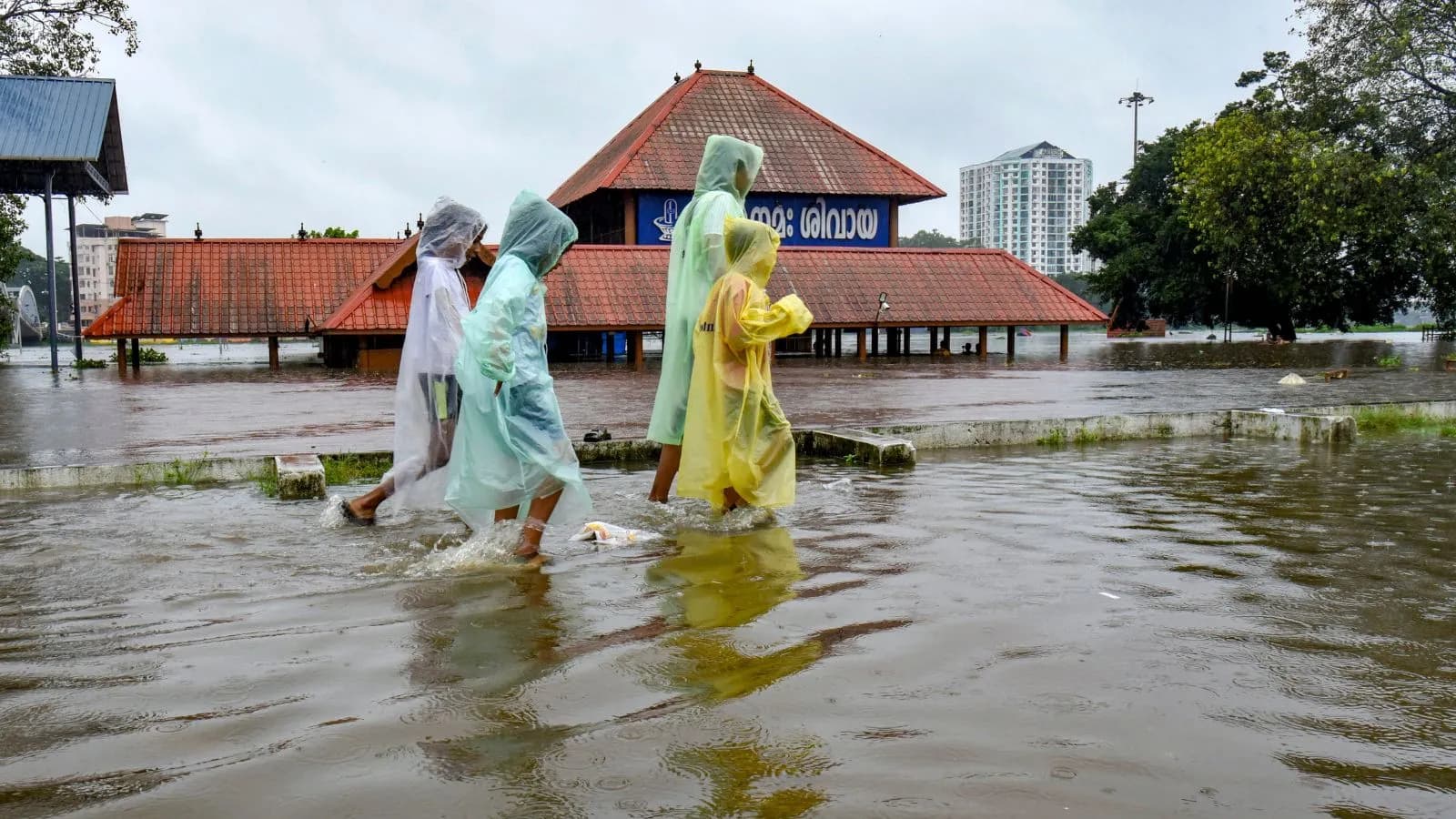
Children cover themselves as they move on a waterlogged road following rainfall in Kochi. (PTI Photo)25 people have been killed and 4 missing as heavy rains continues to batter Kerala. More rains are expected in the southern state, with the India Meteorological Department (IMD) issuing an orange alert for heavy rain on Wednesday. The IMD has put two districts, Pathanamthitta and Kottayam, under red alert on Wednesday morning. The fresh rain alert comes after consecutive days of heavy rains, which led to flooding in parts of state. The Kerala government said on Tuesday 52 houses were destroyed and 565 homes were partially damaged since August 1.Over 18,000 people have been shifted to over 400 relief camps across the state. Pathanamthitta, Kottayam and Alappuzha remain the worst affected districts in the state. The IMD bulletin on Wednesday morning forecast widespread rainfall was likely over Kerala, costal Karnataka, Telangana from August 5 to August 11. The met department also predicted heavy rainfall in parts of the state till Saturday. “Isolated heavy rainfall likely over Tamil Nadu, Puducherry & Karaikal during 5th-7th August; Kerala & Mahe during 5th-8th August; Coastal Karnataka and South Interior Karnataka during 5th-7th August; Coastal Andhra Pradesh & Yanam during 8th-9th August,” the IMD bulletin added. Floods engulf part of Kerala Parts of northern Kerala, including high range areas of Kozhikode and Kannur, has received heavy rains. Floodwaters are yet to recede from most low-lying areas and many houses remained waterlogged. Several residents were shifted to relief camps as people, including the elderly, women and children, were seen wading through waterlogged areas of the northern districts.Story continues below this ad Moderate rainfall accompanied by winds reaching up to 40 kmph is forecasted at isolated places in Kollam, Pathanamthitta, Idukki and Ernakulam during the same period, according to IMD. Panathur in Kasaragod district has seen the highest rainfall in the state between 3 am on August 4 and midnight on August 5, receiving 84 mm of rain. Cheruvanchery in Kannur saw 61 mm during the same period.
The biggest concern is the youth. For years now Jammu and Kashmir has reported one of the highest youth unemployment rates in India, much higher than the national average. (File Photo) Anniversaries can often become rituals. Worse, they can become alibis. Seven years ago, Article 370 was abrogated, and the state of Jammu and Kashmir was reduced to two Union Territories. The constitutional argument around it is over. The law that Parliament passed received the imprimatur of the Supreme Court and has attained a measure of political finality. The bigger question is: Did the 2019 intervention achieve what was promised? Three principal rationales were given in 2019 for the abrogation and downgrading of the state of Jammu and Kashmir. First, that Article 370 had taken on a psychological resonance well beyond its legal purport. It fed the idea of conditional integration and in doing so nurtured separatism. On this score, the record is significant. The separatist lexicon has clearly lost much of its sheen. The Hurriyat exists only on paper. Apart from the occasional sermon delivered by the Mirwaiz from the pulpit at Jama Masjid, little of the once all-pervasive separatist combine survives. Political parties that forecast a constitutional apocalypse have resumed electoral politics and elections are increasingly inclusive. Cycles of mass agitation once commonplace, the ecosystem of hartals, shutdowns and street violence that routinely brought life in the Valley to a halt have significantly abated, if not ended.The absence of an uprising, however, is not the presence of belonging. Integration cannot be judged merely by quiet streets, tourist arrivals, cultural festivals, or the National Song and National Anthem being sung with ritualistic precision. Does the citizen fully feel that this is his or her republic, too: Equal, responsive, and unafraid to question? Second, the arrangement held the promise of strengthening nationalist political forces while allowing the state to deal more aggressively with cross-border terrorism and home-grown militancy. There is no denying the substantial security gains. Terrorist networks have been disrupted; the organisational sinews of violence, much of it fuelled from across the border, have been – rightly — dealt with ruthlessness. Targeted killings continue, however, to be a reminder that operational stability is not yet political certainty. The Pakistan-sponsored terrorist attack on Baisaran in Pahalgam last year was just one reminder of that. No less significant, the Assembly election in 2024, the first in 10 years, returned the National Conference to power. August 2019, and the delimitation that followed, did not yield the political realignment that was either expected or would have served the Centre’s purposes best. That the Union government gracefully accepted the verdict of polls it did not win tells you something that no amendment to the Constitution can – Indian electoral democracy functions in Jammu and Kashmir, and its sovereignty there is not contingent on winning elections. Contrast that with the manipulated governance structures in POJK, and the mass uprising and repression being unleashed across the LOC. Third, direct central rule was also meant to cleanse the state of long-entrenched networks of patronage and corruption, improve governance, and deliver development on the ground directly from New Delhi without local interference. It is here that the promise of 2019 remains most unfulfilled. Direct rule may have temporarily increased accountability, but the emergency dispensation has been allowed to settle into permanence. There is now an elected Chief Minister and cabinet in Jammu and Kashmir. But powers are scattered between them, the Lieutenant Governor and New Delhi. The Lieutenant Governor cannot be held accountable at the polls; the chief minister can but does not have the authority of a full state government. Both positions are diminished by this arrangement. I spent much of my summe
Discussion (0)