
Loading dispatches...
← Return to Newsroomgeneral
Pratap Bhanu Mehta writes: Gen Z rebellion is against a government — and those who came before it
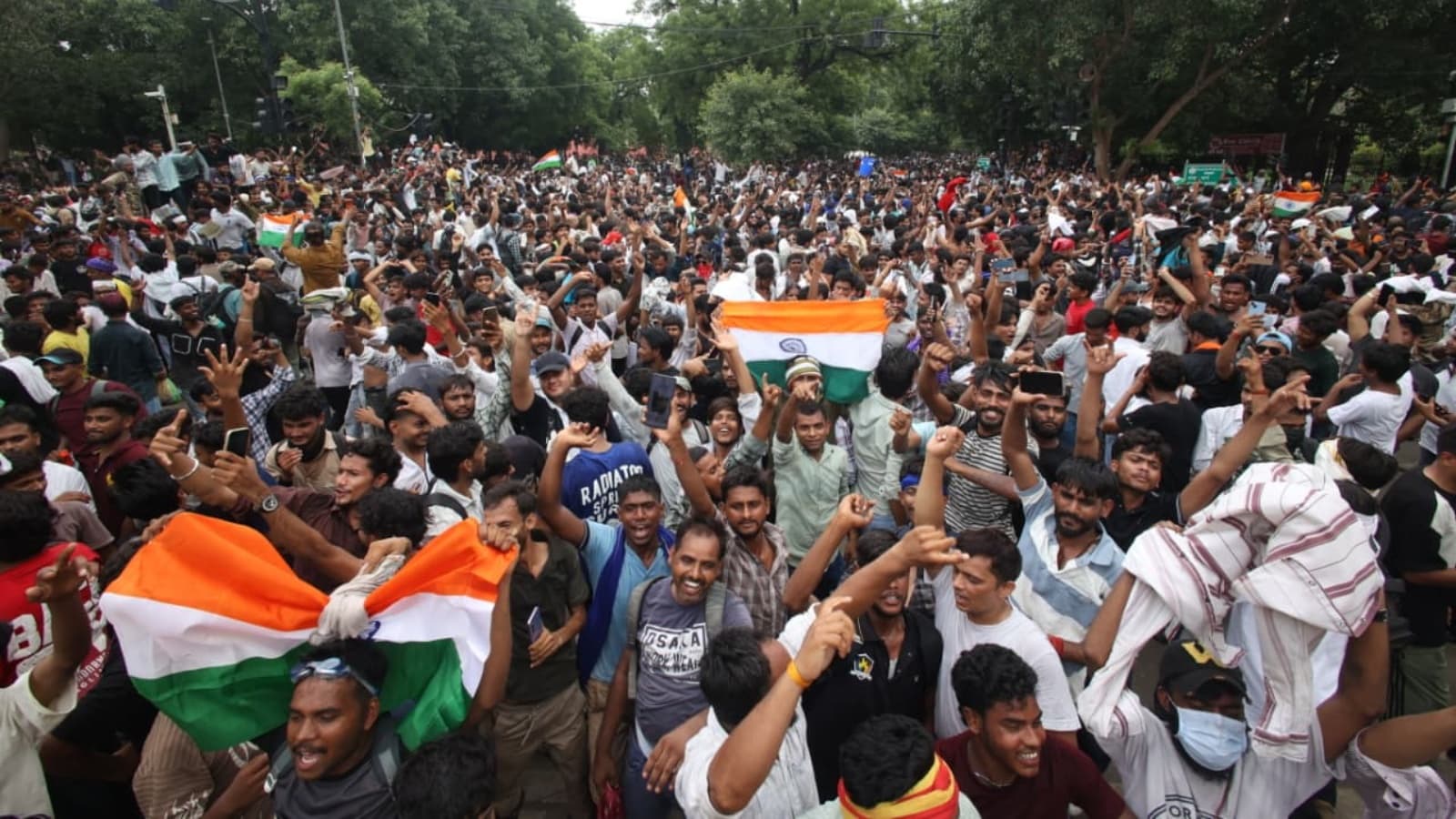
By understandably directing their anger at the Modi government, the protestors are, in a sense, giving their parents a dignified way out. The Gen Z protest shattered the government’s illusions of invincibility. But the protests, which continue in a different form amongst students in Jharkhand, are not just a protest against a political dispensation or Narendra Modi. They are a protest against society itself, its current architecture and institutions, and all of us who have, in different ways, become complicit in them. This might seem like a surprising claim. The core demands of the students are hardly radical: Most of them are not here to tear down capitalism. This is not 1968. The demands are ordinary: Institutional accountability, fairness in exams, quality of education, jobs. Under the surface, there are profound issues of unequal access, but these are not going to take the form of radical caste wars. Some students have, rightly, understood that their demands are even less likely to be met under conditions of creeping authoritarianism and communalism. They speak a resolutely constitutional language. The remedies they demand still reflect a faith in institutional process: Better appointments to UPSC, resignations of ministers. Why do these protests then feel like a more radical rebellion against society itself? These protests are radical in different ways. The first is more psychological: It is a refusal to accept fear as a social norm. Some of that fear has been induced by the exacerbating authoritarianism of the Modi government. But behind it was a deeper social norm internalised in the generation of the students’ parents. This was the idea of survival or flourishing required accommodation. The generation shaped by economic liberalisation developed its own anti-protest sensibility. The memory of student mobilisation and street politics in the Seventies was often one of violence, dogmatism, and political instrumentalism, rather than any deep democratic renewal. A lot of that politics destroyed the very universities which we so yearn for. Post-liberalisation, politics became privatised in a double sense: Some idealists invested their hope in technical work and policy reform rather than mass mobilisation. A more symbiotic relationship between civil society and the state would make this possible. Others came to regard a refusal of social movement as itself a progressive stance. Genuine change would come about by advancing to positions of power across a range of institutions, not by collective public action. In cultural terms, the left-right distinction was not so much about the content of ideologies or demands: It was about the modality of political action. The fear of the imagined “Left” was not the actual influence of its ideas, but its perceived encouragement to movement politics. So “activism” always got designated as “Left.” Prudent individual advancement would itself add up to social change over the long run. Millions of Indians concentrating on their careers would be a better recipe for India’s progress than thousands on the streets. The cumulative effect would be greater. The Gen Z revolt has shattered this illusion. It is hard to make a prudential argument for concentrating on your career when even the constitutive norms that made fair access to those careers possible have been eroded. The failing exam system is just that. But the underlying promise that there would be enough careers to be made has never been redeemed. The politics of accommodation is becoming unsustainable. Materially, it no longer offers a credible path to security or advancement to most. Morally, the complicity involved in acquiescing to the current system is growing. The acquiescence seems too suffocating. The Gen Z revolt is radical not because of its demands. It is radical because it is stating a blunt truth: The politics of accommodation is not an option, even on its own terms. But a revolt against the politics of accommodation is the most int

Discussion (0)