
Loading dispatches...
← Return to Newsroomgeneral
Independence Day 2026: Delhi Metro to start services early on August 15, check timings
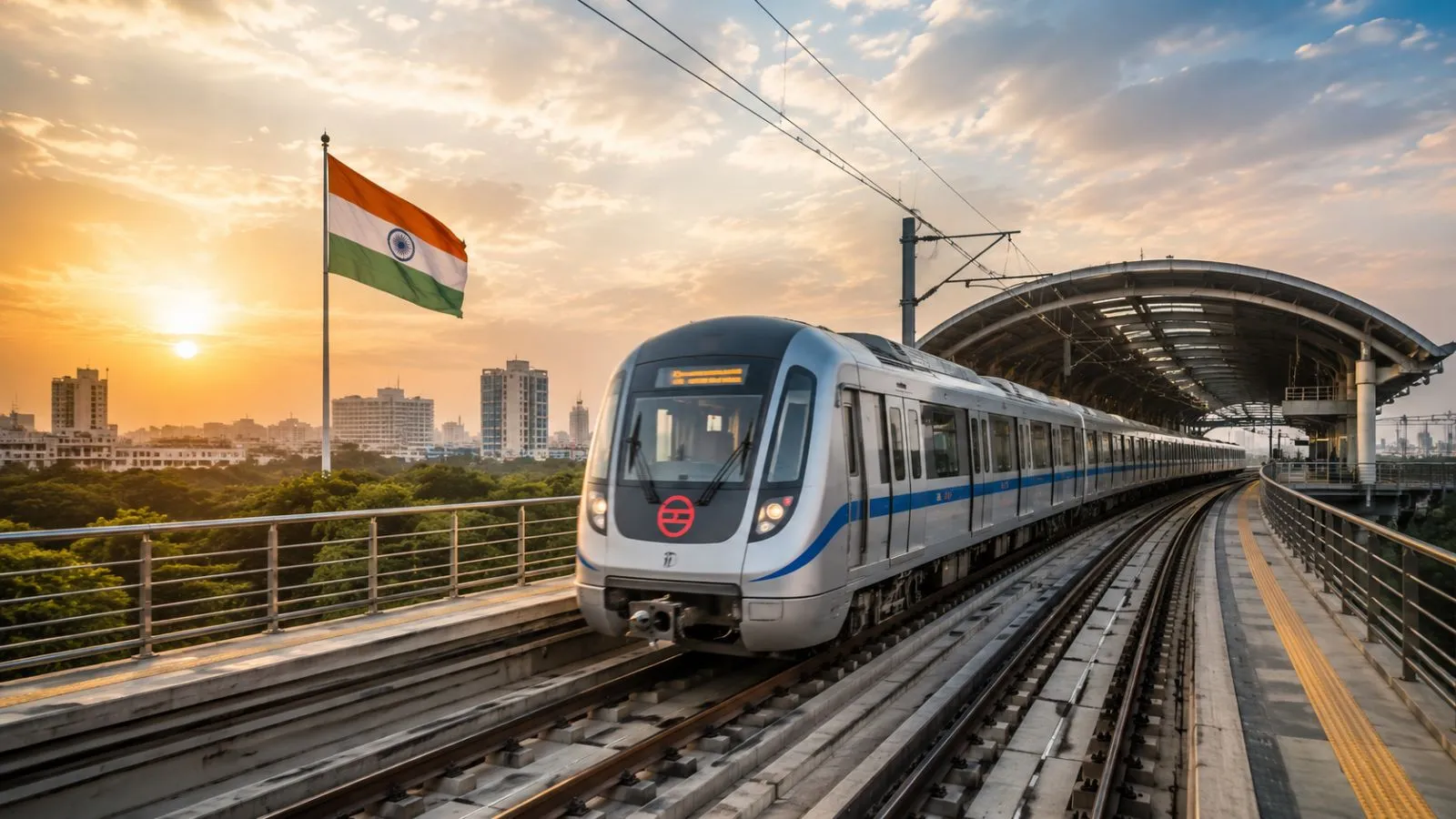
Delhi Metro August 15 timings: Early services for Independence Day 2026 (Image generated using AI)Delhi Metro timings on August 15: The Delhi Metro Rail Corporation (DMRC) has revised its train timings for Independence Day 2026 on August 15 to ensure smooth travel for people heading to the Red Fort to watch the celebrations. The move aims to help passengers plan their journey in advance and use the early morning Metro services to avoid last-minute inconvenience. The DMRC will start train services at 4 am on all lines on Saturday. Trains will run every 30 minutes from all terminal stations until regular services begin at 6 am.In a statement, Anuj Dayal, Principal Executive Director, Corporate Communications, DMRC said: “To facilitate the movement of Special Guests, Invitees, and the general public attending the Independence Day Celebration 2026 on Saturday, 15th August 2026, the Delhi Metro Rail Corporation (DMRC) will commence metro services from 4:00 AM from all terminal stations across the DMRC network. Metro services will operate at a 30-minute frequency on all lines until the commencement of regular revenue services, as per the scheduled timetable for the day.” Nearest Delhi Metro stations to Red Fort For those attending the Independence Day celebrations at the Red Fort, Lal Quila, Jama Masjid and Delhi Gate are the nearest Delhi Metro stations. The DMRC has also provided 1.3 lakh special pre-vended QR tickets to the Ministry of Defence for special guests and invited attendees. However, people carrying valid physical admit cards issued by the Ministry of Defence will also receive these QR tickets at designated Metro stations. “The cost of travel undertaken using these special QR tickets will be reimbursed to DMRC by the Ministry of Defence,” Anuj Dayal said.Story continues below this ad Delhi Metro advisory: Avoid kite flying near elevated metro lines Flying kites is a popular tradition in Delhi-NCR, especially around Independence Day. To ensure safety, the DMRC has advised people not to fly kites near elevated Metro lines, particularly those passing through residential areas. The Delhi Metro network spans around 416 km across Delhi-NCR and is largely elevated. The tracks have 25,000-volt overhead electrical wires (OHE) that supply power to Metro trains. If a kite or its string gets caught in these wires or in the pantograph, the equipment that draws power from the OHE, it could disrupt Metro services and damage the electrical system. The incident could also be dangerous or even fatal for people flying kites, especially when using metallic manja. The DMRC has advised people to fly kites only in open areas and away from Metro lines to avoid accidents and disruption to train services. Anish Mondal is a journalist with over nine years of experience covering the railways and roadways. Currently a member of the Indianexpress.com editorial team, Anish specializes in high-impact sectors. Professional Journey Anish began his career at the public broadcaster Rajya Sabha Television (now Sansad TV), where he developed a foundational understanding of legislative processes and national governance. In 2018, he transitioned to digital financial journalism at FinancialExpress.com, spending nearly six years refining his expertise in market trends and corporate reporting. Before joining The Indian Express in 2025, he served as a key contributor at ETNowNews.com. Education & Expertise Anish’s reporting is backed by a rigorous academic background in communication and the humanities: Master of Journalism and Mass Communication (MJMC) – Apeejay Stya University Post Graduate Diploma in Journalism and Production (PGTVRJP) – Apeejay Institute of Mass Communication Bachelor of Arts (English Honours) – University of Calcutta Areas of Coverage Connectivity: Detailed reporting on the expansion of Indian Railways and National Highway networks. ... Read More Stay updated with the latest - Click here to
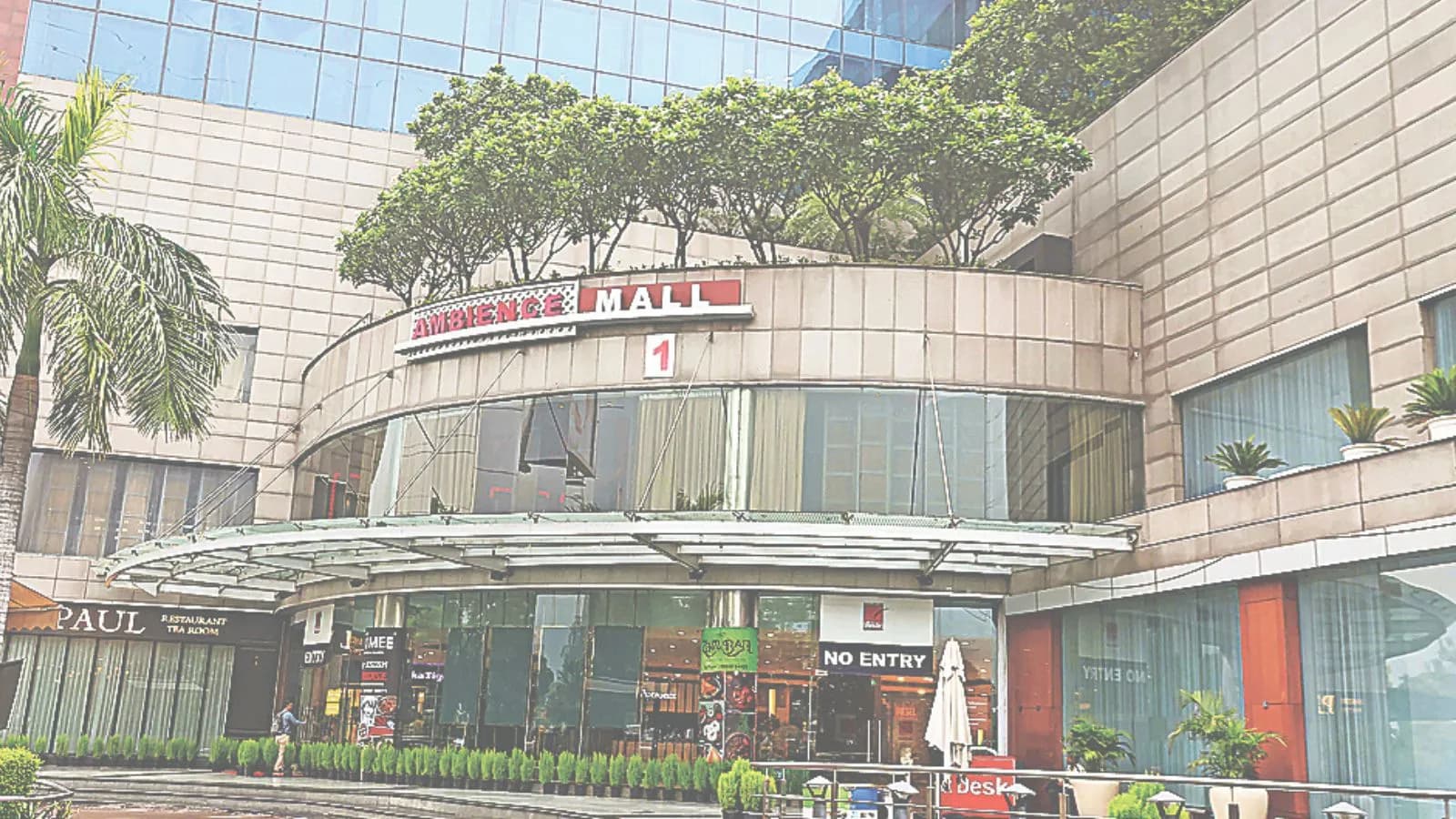
Mohit Gogia almost sold the Ambience Mall in Gurgaon for around Rs 180 crore, police found during probe. ( 9, Amrita Shergill Marg is one of the most exclusive addresses in Delhi. Minutes from the Prime Minister’s residence, embassies and Parliament, the Lutyens’ Delhi bungalow would almost never be expected to come up for sale. Police said 38-year-old businessman Mohit Gogia, who has been arrested, allegedly used the luxury status of the property to pull off his biggest scam.

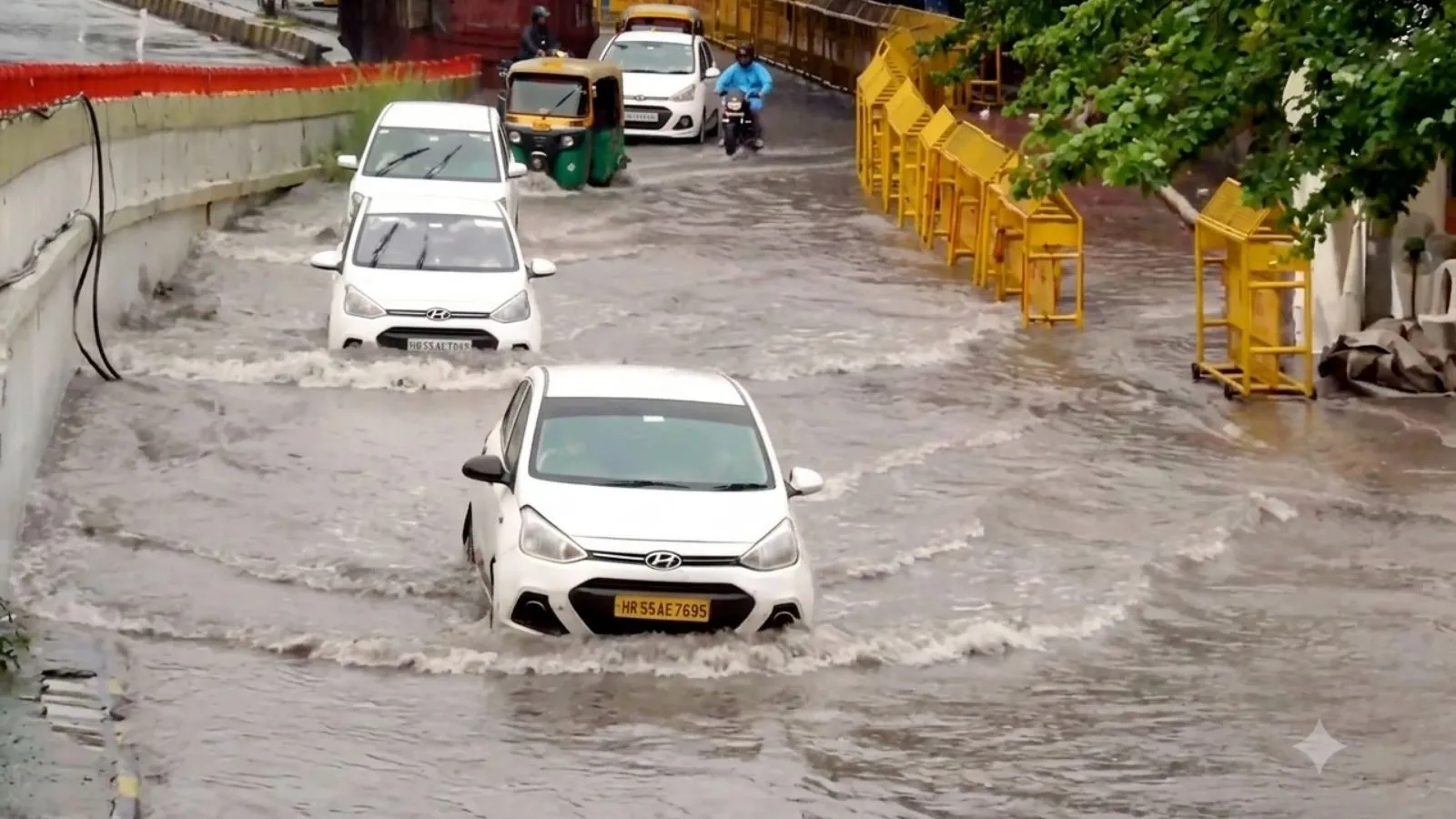
New Delhi: Hours of heavy rain turned several of Delhi's arterial and connecting roads into choke points on Friday, with waterlogged stretches, fallen trees and long traffic queues slowing movement across large parts of the national capital.From Mahipalpur and Dhaula Kuan to MB Road, Ring Road, ITO and parts of east Delhi, commuters faced prolonged delays as multiple bottlenecks emerged almost simultaneously.By the end of the day, the scale of the disruption was showing up in complaint registers too.The Public Works Department (PWD) received 66 complaints of waterlogging and 17 complaints of fallen trees, while the New Delhi Municipal Council (NDMC) received 15 waterlogging complaints and 15 tree-fall complaints.That meant 81 waterlogging calls and 32 complaints of fallen trees across the two agencies alone.South Delhi Bears The BruntSouth and southeast Delhi were among the worst-hit parts of the city.Waterlogging was reported from Mahipalpur, Chhatarpur, Okhla, Sangam Vihar, Sainik Farms, Vasant Kunj, Vasant Vihar, Malviya Nagar and Greater Kailash-II, among other areas.The Mehrauli-Badarpur Road emerged as one of the major trouble spots, with traffic slowing sharply as water accumulated on parts of the stretch.Commuters travelling through Khanpur, Sangam Vihar, Deoli and Ambedkar Nagar also faced delays.At Mahipalpur and on roads leading towards Dhaula Kuan, long queues formed as the rain coincided with peak traffic hours.One Jam Leads To AnotherThe problem soon moved beyond individual waterlogged roads.Traffic slowed on parts of Ring Road, NH-48 and Mathura Road, while congestion was also reported around Dhaula Kuan, Ashram, ITO and several central Delhi stretches.The Gurugram-Dhaula Kuan route, one of the busiest entry corridors into Delhi, saw long queues of vehicles.With several key roads choking at the same time, motorists trying to avoid one jam often ran into another.East Delhi was affected too.Waterlogging and slow traffic were reported from parts of Shakarpur, Mandawali, Mayur Vihar, Gandhi Nagar and Krishna Nagar, adding to the list of bottlenecks across the city.More Than 100 mm Rain In Some AreasThe traffic chaos came after an intense spell of rainfall, particularly over south Delhi.Between 8.30 am and 5.30 pm on Friday, Pushp Vihar recorded 111.5 mm of rain, while Chhatarpur received 104.5 mm.Ayanagar recorded 87.4 mm, Palam 73.5 mm, Janakpuri 68 mm, Pusa 59.5 mm and Safdarjung 57.3 mm during the same period.The heavy downpour meant drains and roads in some parts of the city had to deal with a large volume of water within a relatively short period."Wherever Work Is Going On, There Will Be Problems": Parvesh VermaDelhi PWD Minister Parvesh Verma said many of the locations where problems were being reported were areas where drainage or other infrastructure work was underway.Responding to the Opposition's allegations over waterlogging, Mr Verma said, "There are many places in Delhi where our work is going on, where new drain works are going on, where many other works are going on. So, wherever the work will go on, there will be problems."He also accused the Opposition of circulating videos of problems that, according to him, predated the current government."The videos the Opposition is sharing are not about today's problems. They are highlighting issues that remained unresolved during their own 10 or 11 years in power," he said.The Delhi government has maintained that several traditional waterlogging hotspots have performed better this monsoon after drainage and desilting work.Mr Verma has also pointed to stretches such as Minto Bridge and other traditionally vulnerable underpasses to argue that preparedness measures are showing results.But Friday's rain produced a different challenge.Instead of one or two familiar flooding hotspots bringing traffic to a halt, waterlogging and congestion surfaced across several corridors at once, turning Delhi's road network into a series of choke points through the day. How may i

New DelhiAug 8, 2026 12:26 PM IST The accident took place in front of Himalayas Apartment in Delhi's Narela around 8 am. ( The accident took place around 8 am in front of Himalayas Apartment in Mamurpur, Narela. According to preliminary police inquiry, following the collision, the WagonR was thrown backwards and hit a three-wheeler loading van parked nearby.The woman, identified as Urmila, a resident of Mamurpur, was present at the spot when she was caught between the vehicles. She died on the spot, the police said. The driver of the WagonR sustained minor injuries and was provided medical aid. The police said a fatal accident case is being registered. Urmila’s body has been sent for post-mortem examination. Further investigation into the circumstances leading to the accident is underway. © The Indian Express Pvt Ltd Sakshi Chand is an Assistant Editor at The Indian Express, based in New Delhi. With over a decade of experience in investigative journalism, she is a leading voice on crime, the prison system, and institutional governance in the National Capital. Professional Background Specialization: Her reporting focus includes high-stakes crime, national security, prison reforms, and traffic governance. Key Coverage: She has been on the frontlines of major events such as the 2G spectrum case, the 2020 North-East Delhi riots, and communal clashes across Uttar Pradesh (Kasganj, Aligarh). Earlier Career: Before joining The Indian Express, she was a reporter for The Times of India. Personal Interests: Outside of her career in journalism, Sakshi is a National-level basketball player and coach, bringing a unique sporting discipline to her professional life. Major Recent Coverage (Late 2025) Her reporting in the latter half of 2025 has been dominated by a major terror investigation and administrative accountability: 1. The Red Fort Blast Investigation Throughout November and December 2025, Sakshi led the coverage of a car explosion near Delhi's Red Fort: Forensic Breakthroughs: She reported on the use of TATP and ammonium nitrate in the IED and identified the shops where raw materials were sourced (Nov 14-16, 2025). The "i20 Route": She meticulously tracked the journey of the vehicle used in the blast, tracing it to a Pulwama-based resident who entered Delhi via the Badarpur toll plaza (Nov 12, 2025). Victim Support: She recently reported on the Delhi Police providing a list of damaged vehicle owners to the Finance Ministry to expedite insurance claims for those caught in the blast (Dec 4, 2025). 2. Crime & Police Accountability "Crackdown on Extortion Gangs": In December 2025, she reported on a syndicate that was blackmailing traffic cops. Following five arrests, the Special CP directed officers to report all such attempts (Dec 12, 2025). "Corruption in the Ranks": She covered the arrest of five Delhi Police personnel by the Vigilance branch following a wave of public complaints (May 19, 2025). Cold Cases & International Murders: She has extensively tracked the case of a man who allegedly killed his wife in London and fled to India, reporting on his "Proclaimed Offender" status and the denial of his anticipatory bail (May 2025). 3. Governance & Public Policy "13,000 Homes for 90,000 Cops": A data-driven feature on why the majority of Delhi Police personnel are forced to live on rent despite the city's housing projects (May 4, 2025). Traffic Decongestion: Using her interest in urban logistics, she detailed how the Traffic Police eased congestion on Vikas Marg by switching off signals and creating U-turns (April 2, 2025). Signature Style Sakshi Chand is known for a data-driven and investigative approach. She frequently uses forensic reports, CCTV analysis, and administrative data to go beyond the "official version" of a crime s
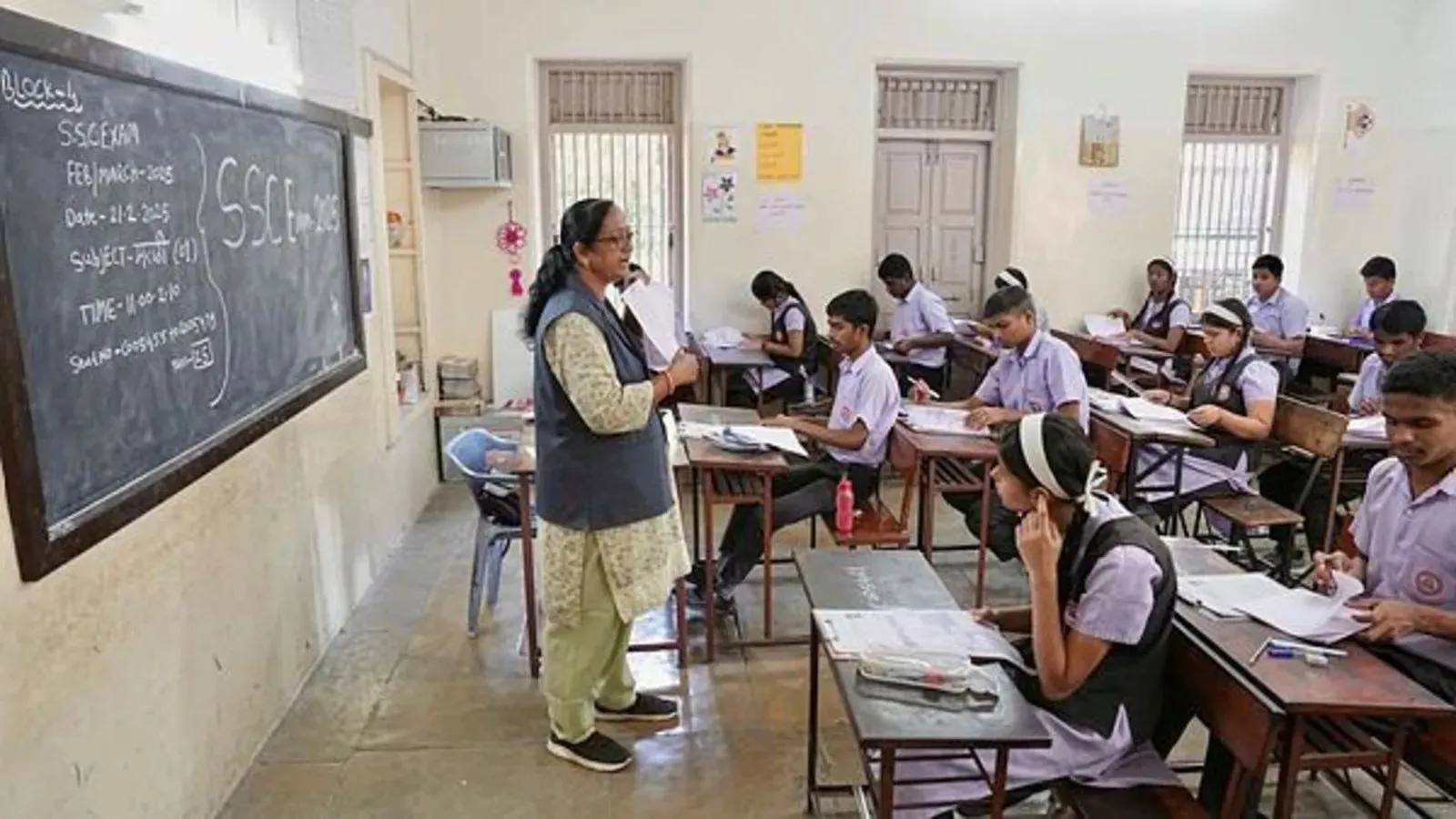
New DelhiUpdated: Aug 7, 2026 08:30 PM IST Under the order, private schools will have 10 days from its publication in the Delhi Gazette to constitute SLFRCs for blocks of three academic years beginning 2026-27. (File Photo)The Delhi government tabled Delhi School Education (Removal of Difficulties) Order, 2026, in the Legislative Assembly on Friday on the first day of the Monsoon Session. The bill sets down a timeline for the constitution of the School-Level Fee Regulation Committee (SLFRC) and addresses difficulties in implementing the Delhi School Education (Transparency in Fixation and Regulation of Fees) Act. The notification states that “some difficulties have arisen in the implementation of the Act” for the academic year 2025-26, since the Act was notified and brought into effect only on December 10, 2025, even though it required SLFRCs to be set up by July 15 of that academic year.Invoking the removal of difficulties provision under Section 21 of the Act, the government said the order was intended “to give effect to the Act as well as the legislative intent” for blocks of three academic years beginning 2026-27, and to “fix appropriate timelines” for the constitution of the committees. Delhi Education Minister Ashish Sood explained that the provision was invoked to ensure timely constitution of fee regulation committees, as the school admission process for the next academic year would have been completed by April, while the committees would otherwise have been formed only around June-July. He said the move was challenged in court, following which the government agreed to keep the matter in abeyance and assured that schools would not increase fees until the committees were constituted. “The order was placed before the Assembly to formally to fix timelines and ensure schools do not impose exorbitant fee on parents and students,” the minister said. “…Removal of the Difficulties Order, it is intended to give effect to the Act as well as the legislative intent for the block of three academic years commencing from 2026-27 and fix appropriate timelines for constitution of the State Level Fee Regulation Committee and the consequential obligations under the Act on the respective stakeholders; and whereas, it appears that some difficulties would also arise with respect to collection of fee for the intervening period between the expiry of one block of three academic years and the fixation of fee for the succeeding block of three academic years…,” the order read. Under the order, private schools will have 10 days from its publication in the Delhi Gazette to constitute SLFRCs for blocks of three academic years beginning 2026-27. School managements must then submit details of the proposed fee structure for the next three academic years within 14 days, after which the SLFRCs will fix the fee as per the provisions of the Act. SLFRCs already constituted under the December 24, 2025 order will continue to be treated as valid under the new order.Story continues below this ad The order also directs the Directorate of Education (DoE) to constitute District Fee Appellate Committees (DFACs) for each education district within 30 days. On the transition between fee cycles, the order states that no school may charge fees beyond the last approved amount until the next fee structure is fixed. “…Till the fee is fixed for the next block of three years in terms of the Act as well as the aforesaid provisions, the schools shall not charge any fees over and above the fee already being charged w.e.f. 01.04.2025 by the respective school,” the order read. This means that no fresh fee hike is permitted during the current academic year. The notification adds that any “exorbitant fee” charged by schools for the 2025-26 academic year will be regulated and examined, subject to the final outcome of the court proceedings challenging the Act that are pending before the Delhi High Court and the Supreme Court of India.Story continues below this ad Further,
New DelhiAug 7, 2026 09:56 AM IST Heavy rainfall prompted drain-cleaning teams to return to Delhi's roads despite the completion of pre-monsoon desilting. (Image: PTI/X)The stench of wet sludge hung in the air outside Govindpuri Metro station on Thursday as commuters stepped around heaps of freshly-dredged muck from a roadside stormwater drain, hours after heavy morning showers lashed Delhi and prompted the India Meteorological Department (IMD) to issue a red alert across most of the Capital. With 56 mm of rainfall recorded at Safdarjung – the base station for Delhi – as of Thursday night, the city has received 67.8 mm of showers, nearly 29% of its total normal August rainfall of 233.1 mm, as per the IMD.Throughout the day, contractual sanitation workers remained bent over open drains, loosening compacted silt with iron rods before lifting it out with a shovel, as fresh rainfall carried silt, debris and waste into the drainage system. The Public Works Department (PWD) had earlier said that it had completed nearly 90% of the annual desilting exercise across its road network before the onset of monsoon. Govind from Uttar Pradesh, who was clearing a drain near the Govindpuri Metro station, said, “We have been doing this for months, but the workload increases during the monsoon. Even when it is raining, we are outside clearing the drains. People throw garbage into them, which blocks the flow and makes our work harder.” Govind and many like him were carrying out the work without any personal protective equipment. Meenu, who runs a roadside stall near the Metro station, said drain cleaning is a regular exercise in the area. “Workers keep coming here, but during the rainy season, they come more often because the drains fill up quickly.”Story continues below this ad Standing nearby, Mahesh, a contractual sanitation worker from Madhya Pradesh, said every spell of rain brings fresh deposits into the drains. “Rain washes mud, garbage and construction waste into the drains. If roads are not cleaned properly, we have to keep returning to clear them so they don’t choke and cause waterlogging,” he added. According to Govind, similar teams of four to five workers have been deployed along the stretch from Chirag Delhi to Govindpuri to carry out desilting and drain-cleaning operations through the monsoon. A senior PWD official, requesting anonymity, told The Indian Express that “removing sludge is a continuous process”. “During rain, construction debris, sludge and sewage enter the drainage system. Even after scheduled desilting is completed, workers have to continue removing these deposits manually to keep drains functional,” the official added. According to PWD, as of July, 1,900.15 km of drains – around 90% of its 2,125.87-km network – had been desilted. It also removed around 12.7 lakh metric tonnes of silt from the Najafgarh drain – the largest component of the exercise – before the June 30 deadline to complete major pre-monsoon desilting across civic agencies.Story continues below this ad Despite the pre-monsoon exercise, Thursday’s rain led to brief waterlogging at vulnerable locations, including the Modi Mill flyover underpass near Okhla in Southeast Delhi and Bhairon Marg along the Outer Ring Road in Central Delhi, slowing traffic. Earlier in the day, the IMD issued a three-hour red alert for East, Shahdara, Central, Northeast, South, New Delhi, Southwest, West, Northwest and North Delhi, warning of heavy rain accompanied by thunderstorms and lightning. The remaining districts remained under an orange alert. The city had received light to moderate rainfall over the previous 24 hours, with Lodhi Road recording the highest rainfall (43.8 mm) until 8.30 am Thursday. It was followed by KVK CRPF Campus (28.5 mm), Narayana (27.5 mm), Palam (25.2 mm) and Safdarjung (18.7 mm). The rain also brought temperatures down, with Safdarjung recording a maximum of 32.6°C, 1.6°C below normal while the minimum settled at 25.6°C, 1.3°C below


Discussion (0)