
Loading dispatches...
← Return to NewsroomEconomy
NEET-UG leak 2026: CBI chargesheet claims paper setting done at NTA's Okhla building: What key evidence did agency find?
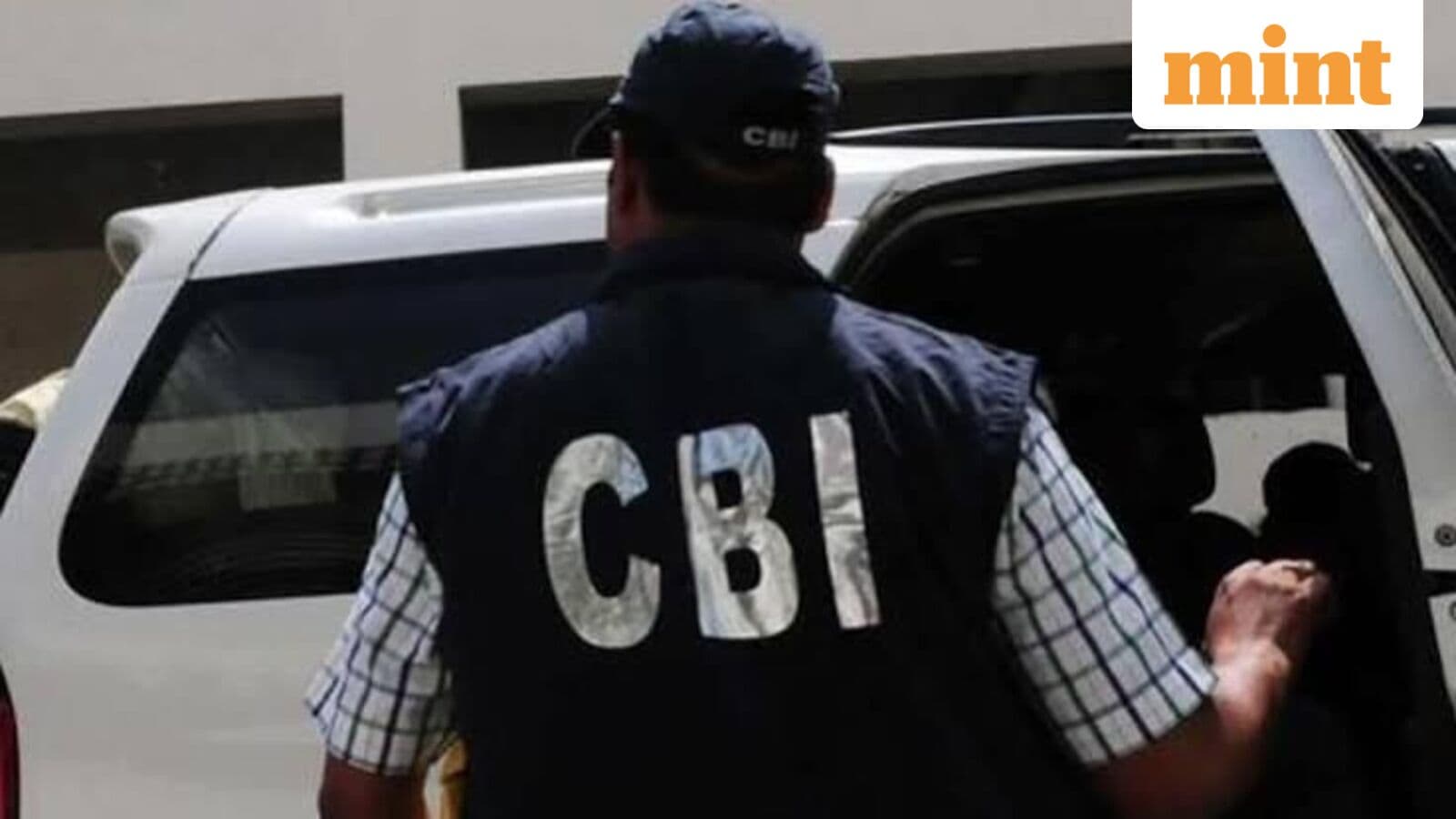
The Central Bureau Of Investigation (CBI) charge sheet in the NEET-UG 2026 paper leak case is backed by extensive digital forensic evidence, including records from an access-control app used by a residential society in Pune where National Testing Agency (NTA) chemistry expert and accused PV Kulkarni lived, officials said.The agency has found that the process of paper setting, translation and back translation was carried out at the NTA’s Okhla office in a secured environment, where several procedural lapses were allegedly identified, according to PTI.The agency included data from the app used by Kulkarni’s residential society, including biometric records of students attending his special coaching classes, in its July 28 charge sheet against 13 accused persons filed before a special CBI court.The app is used by gated housing societies to monitor and record the entry and exit of visitors, among other functions.The CBI used the data to establish the presence of students and their parents at the society in April, days before the NEET-UG 2026 examination was held on May 3. Kulkarni was in Pune during this period. The agency further corroborated the students’ presence through call data records (CDR) and an analysis of the locations of their mobile phones.NTA experts leaked questions for huge cash, claims CBI chargesheetThe CBI charge sheet has placed three Pune-based subject experts from the NTA's panel at the centre of the NEET-UG 2026 paper leak case. The accused experts — P V Kulkarni for chemistry, Manisha Gurunath Mandhare for zoology and botany, and Manisha Sanjay Havaldar for physics — allegedly took advantage of procedural loopholes within the NTA to leak confidential exam questions in exchange for large sums of money.The agency traced the involvement of the experts through beautician Manisha Sanjay Waghmare, who allegedly circulated the leaked papers to aspirants in states including Rajasthan and Haryana through a network of intermediaries. This chain eventually exposed the paper leak and resulted in a complaint being filed with the NTA.According to the charge sheet, Waghmare had arranged for students to attend the special coaching classes conducted by Kulkarni and Mandhare in April. She later collected their notebooks, which contained questions dictated by the two experts, with certain sections marked as “important” and “very important.”The CBI also identified the alleged involvement of Havaldar, who, at Mandhare’s direction, provided 16 pages of physics questions containing 68 questions to the mother of an aspirant, officials said.The agency forwarded the leaked question material recovered from various candidates and intermediaries to an expert committee formed by Delhi University for analysis. The panel found that a significant portion of the material matched four NEET-UG 2026 paper sets — Kailash, Shivalik, Set 2 and Set 3 — to varying extents, as per PTI.Officials said the sets that the experts had access to showed the highest number of matches, reaching up to 85 per cent, while the sets they did not have access to recorded the lowest number of similarities. The agency said these loopholes were exploited by Kulkarni, Mandhare and Havaldar, who allegedly reconstructed the NEET question paper material after returning to their hotel rooms.Kulkarni allegedly used rough sheets to carry small chits containing brief questions and optional answers out of the secured facility. He memorised simpler questions and reconstructed them later at his hotel after each day’s work.The agency alleged that Kulkarni carried out back translation for three NEET-UG 2026 paper sets, and the leaked material recovered during the probe showed the highest number of chemistry-related matches with those sets.Havaldar and Waghmare reportedly relied largely on their memory to recreate the questions. After returning to their hotel rooms, they wrote down and marked the questions in their subject books, according to the agency.The officials said the accused


Discussion (0)