
Loading dispatches...
← Return to Newsroomgeneral
US Senate passes bill for 100% tariffs on India, China over Russian oil; bill heads to House
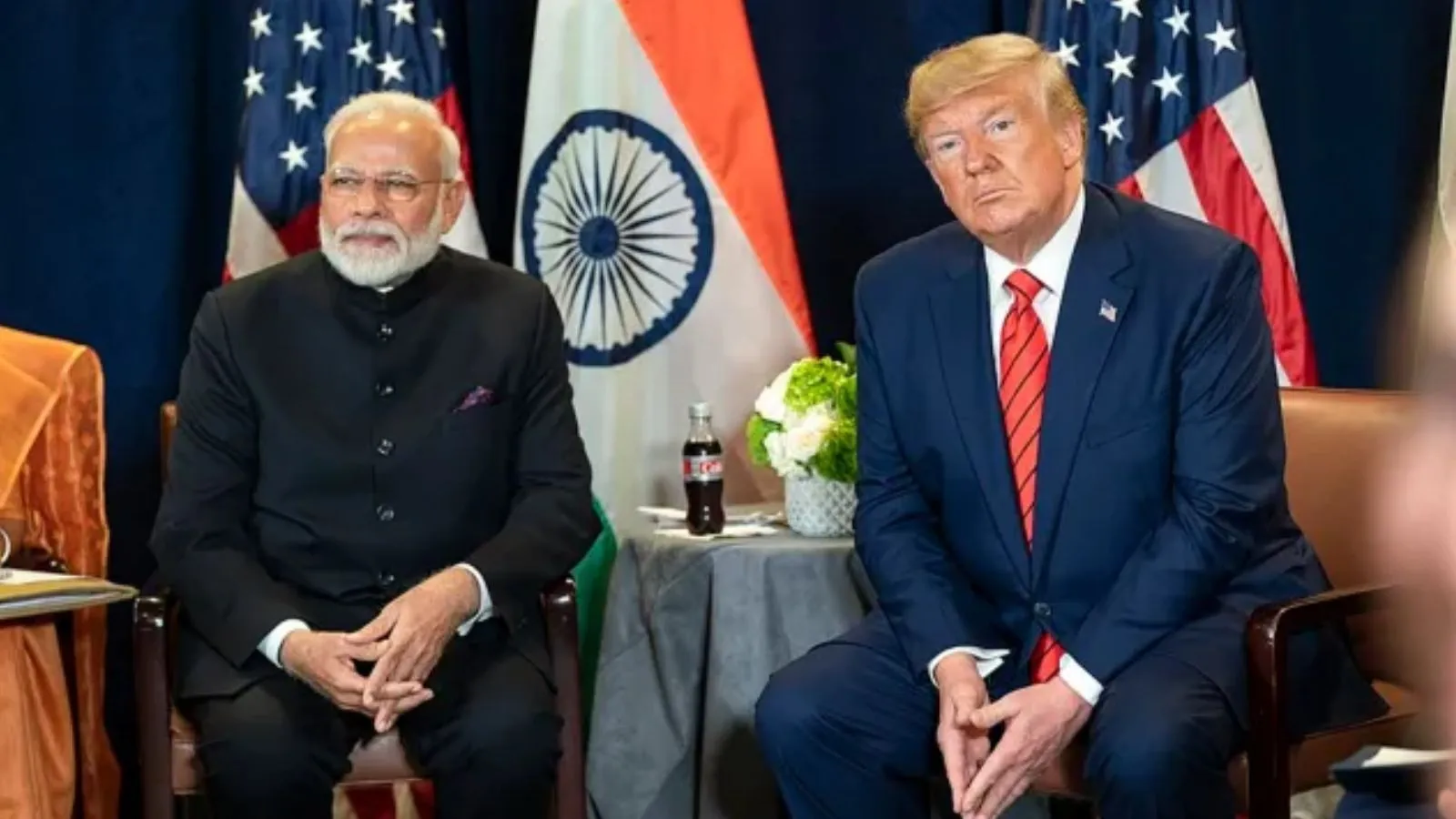
NewsWorldUS Senate passes bill for 100% tariffs on India, China over Russian oil; bill heads to House The bill, renamed the Lindsey O. Graham Sanctioning Russia and Iran Act of 2026, was approved by the Senate by an 86-11 vote. 4 min readAug 8, 2026 05:16 AM IST First published on: Aug 8, 2026 at 05:13 AM IST US President Donald Trump and Prime Minister Narendra Modi. (File Photo) The US Senate on Friday passed a bill that could impose tariffs of up to 100 per cent on India, China and three other countries over their purchases of Russian oil and gas, in a move lawmakers say is aimed at squeezing Moscow’s war financing in Ukraine. The bill passed with an overwhelming 86-11 vote and has been renamed the Lindsey O. Graham Sanctioning Russia and Iran Act of 2026, after the Republican senator who authored and championed it before his death on 11 July, following a visit to Kyiv.Why this matters for India: India is the second-largest buyer of Russian crude after China, and this bill directly threatens Indian exports to the US with tariffs on top of the 50 per cent already in place since August 2025. What does the sanctions bill actually do? The legislation gives President Donald Trump the authority to impose tariffs of up to 100 per cent on goods from the five countries that are currently the largest importers of Russian oil and gas: China, India, Azerbaijan, Hungary and Slovakia. It also extends the expiration date of the Iran Sanctions Act of 1996 which penalises companies investing in Iran’s energy sector to 2031.Story continues below this ad Meanwhile, the bill imposes fresh sanctions on Russian President Vladimir Putin, along with Russian oligarchs, senior officials and financial institutions tied to the Kremlin. The bill does not trigger tariffs automatically. It hands the President discretionary authority to impose them, with implementation depending on the final legislative text and executive decisions once it becomes law. Why is India in the crosshairs? India has emerged as one of the world’s largest buyers of discounted Russian crude since the Ukraine war reshaped global energy markets in 2022, a shift that has helped Indian refiners manage costs and secure stable fuel supplies. That reliance deepened further after the conflict in West Asia disrupted shipping through the Strait of Hormuz, pushing Indian refiners to lean more heavily on Russian oil as an alternative. In August 2025, Washington had already imposed an additional 25 per cent tariff on Indian goods over Russian oil purchases, taking total tariffs on some Indian exports to 50 per cent. Import volumes did not fall in response Indian imports of Russian crude rose sharply through 2026, climbing 34 per cent in June alone to record levels, after Washington briefly eased restrictions through a waiver during the Iran conflict.Story continues below this ad New Delhi has consistently maintained that its energy purchases are guided by national interest and energy security, a position it is expected to reiterate if the bill advances further. What are lawmakers saying about the bill? Darline Graham, who was appointed to her late brother’s Senate seat, said the bill forces countries “keeping Russia’s economy afloat” to choose between doing business with America or buying cheap Russian energy. Senator Richard Blumenthal, a Democrat who worked alongside Graham on the bill, said Graham would be “proud of what we’ve done,” adding that the sanctions and tariffs would stop those he called complicit in Russia’s war against Ukraine. Not all lawmakers are behind the tariff provisions. Democratic Congressmen Gregory Meeks and Don Beyer have warned the bill hands Trump sweeping new tariff powers that he “could weaponise with abandon, as he has repeatedly done in the past.” They argue the bill in its current form would let Trump avoid holding Russia accountable while adding to his broader trade disputes, with the cost ultimately falling on American consumers.Story co
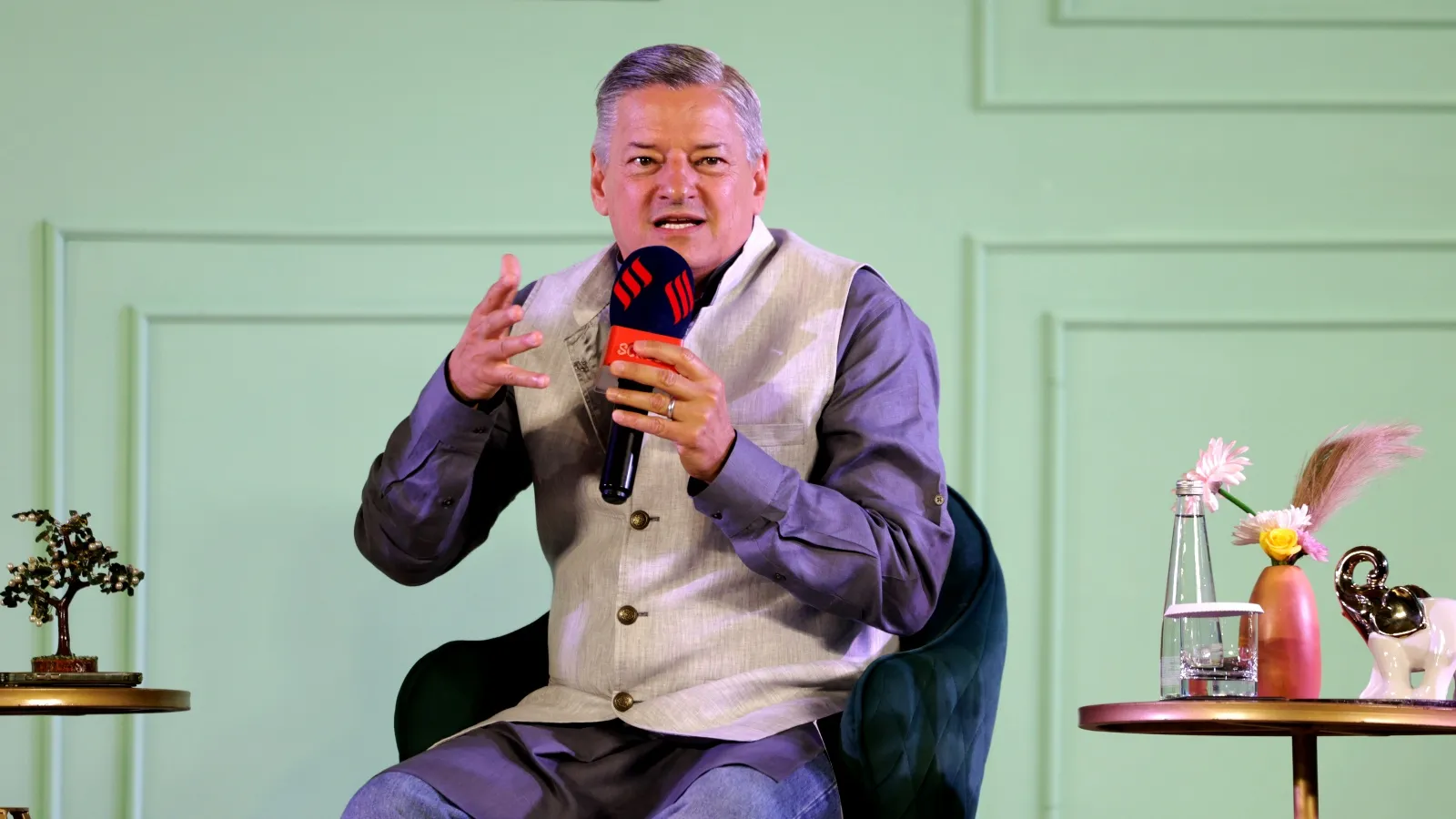
Contrary to popular belief that streaming is in competition with theatres, Netflix co-CEO Ted Sarandos wants viewers to keep watching films on the big screen.“We don’t see it as a competition at all,” Sarandos said Thursday at the Express Adda in New Delhi. “People on Netflix love movies, (they) love to go to movies and watch them at home. An individual watches an average of seven movies in a month and sees one or two in the theatre. We are not saying one (medium) is better than the other. It is a rich, beautiful ecosystem and I want our viewers to go to the theatres because it strengthens their relationship with movies. That’s where we will benefit.”The Netflix co-CEO, who was in conversation with Anant Goenka, Executive Director, Indian Express Group, said, “What we compete for is screen time. We want to become the first place you check for something great to watch and the last place you would want to cancel.” Considered one of the architects of the streaming revolution, Sarandos has played a pivotal role in transforming Netflix into one of the world’s leading entertainment companies. Expanding into all areas of entertainment programming, he led the company’s transition into original content production with the launch of the series House of Cards, Arrested Development, and Orange Is the New Black, among others. Named one of Time Magazine’s 100 Most Influential People in 2013 and 2025, Sarandos led the platform in investing in diverse voices, reshaping the way audiences discover and experience films and series, and championing bold, innovative and engaging storytelling from around the globe. Sarandos was in India to mark 10 years of Netflix in the country and for the premiere of one its most ambitious Indian projects yet — Safed Sagar, which spotlights the Indian Air Force’s role in the 1999 Kargil War. Headlined by actors Siddharth and Jimmy Shergill, the series was shot at 16,800 feet, “the highest altitude production we’ve ever been involved in”. The scale of the show, said Sarandos, speaks to the success Netflix has had in India, “one of the greatest storytelling cultures in the world but dramatically under screened.” “In India, there are fewer movie theatre screens per person than in any country in the world and it is the country with the biggest appetite for movies,” he said, adding, “We can solve that problem. We can tell those stories to audiences that want them and otherwise didn’t have access to them.” Netflix entered the Indian market with the thriller series, Sacred Games, and has since brought in productions that oscillate between classy and massy. One of their current top shows is the reality series, Lock Upp. Sarandos said he wants to give the audiences “everything they may want to watch”. “We want to be classy and massy,” he said. India has had some of its biggest national and international recognitions with Netflix productions, including The Elephant Whisperers, which became the first India-produced film to win the Academy Award for Best Documentary Short film in 2023; and Emmy wins for Delhi Crime Season 1 and Vir Das: Landing in 2020 and 2023, respectively, among several other nominations. “We have had an Indian movie or series in the global Top 10 every week since 2024. We have 3.5 billion hours of watching Indian content on Netflix around the world this year,” Sarandos said.Story continues below this ad Although, for Sarandos, who joined Netflix in 2000 and became its co-CEO in 2020, the success of the platform lies more in “informed intuition” rather than just “data”. “There’s no data in the world that could tell you to make this and don’t make that. Data only tells you what worked before. The audience is always looking to be surprised…that generally doesn’t come in some formula and you definitely can’t reverse engineer into it. We have access to data, yes, but if anybody mad



Discussion (0)