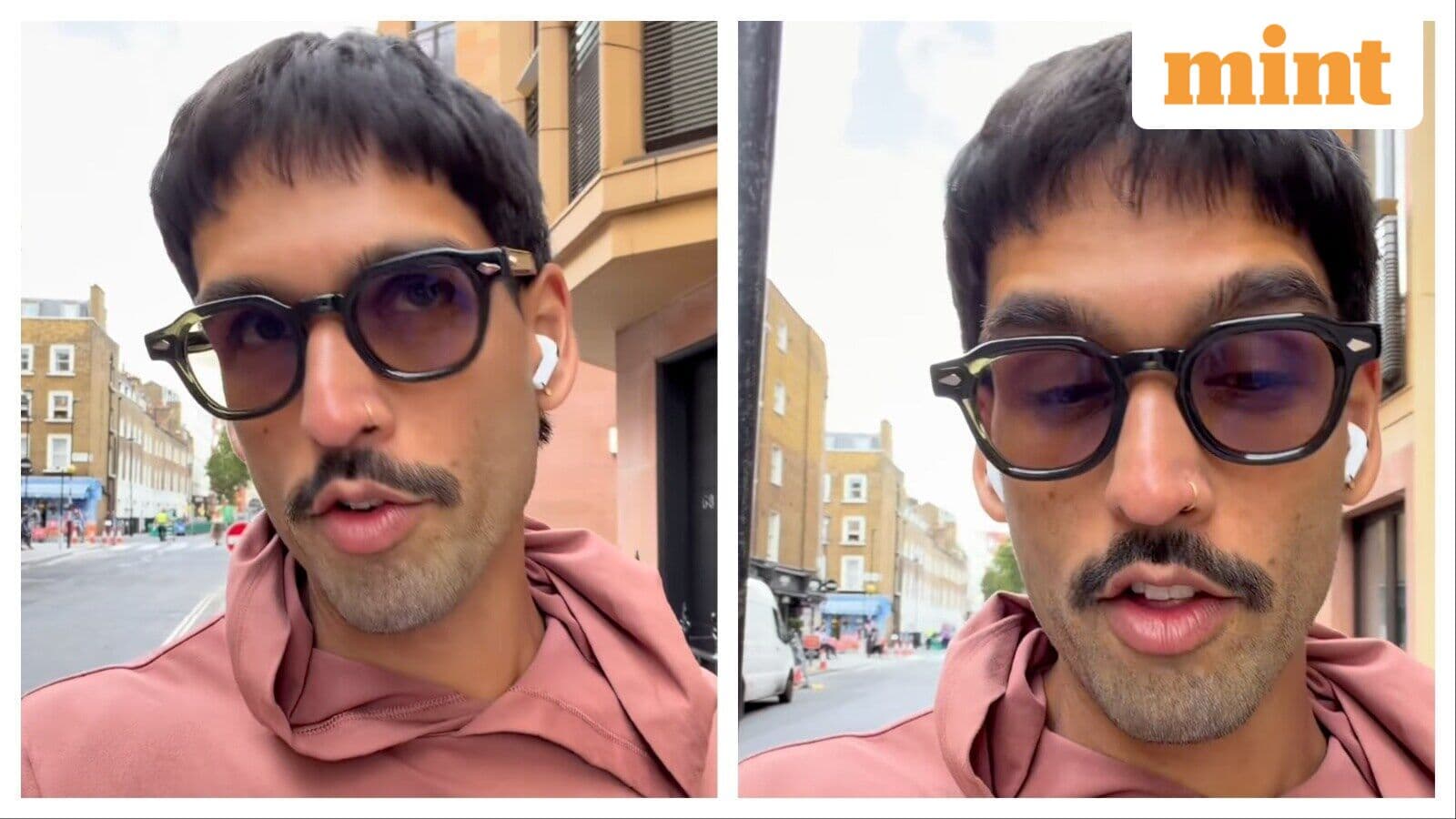
Actor Siddharth Mallya, son of businessman Vijay Mallya, marked eight years of staying alcohol-free with an emotional Instagram post, revealing that he gave up drinking to cope with OCD and severe anxiety rather than alcohol dependence.Siddharth Mallya Marks 8 Years Of Sobriety(Instagram/sidmallya)Actor Siddharth Mallya, son of businessman Vijay Mallya, has completed eight years of sobriety, and marked the milestone with a heartfelt message on social media. The 39-year-old had given up alcohol to cope with severe anxiety and has since often used his platform to speak about mental health.On Thursday, he shared a short video on Instagram with the caption: “8 years since I stopped drinking. Remember if there is anything you want to change in your life, you have the power to do it. You just have to want it bad enough.”In the video, Mallya spoke about personal accountability and the importance of putting mental health above outside opinions. Clarifying that his decision to quit wasn't linked to alcohol addiction, he said, "For those of you who don't know my story, I wasn't an alcoholic or anything like that. I just had OCD, so whether I had one drink or 10 drinks a night, the anxiety levels the next day were way off the scale." He added that the toll drinking took on him outweighed any of its positives.He also revealed that several people had reached out to him over the years, saying his journey inspired them, while others admitted they wished they could quit but hadn't been able to. Addressing them, he said, "If you want anything bad enough, trust me, you will figure out a way to do it, and you have the strength to make whatever changes you want." He acknowledged that making such life changes is far from easy, adding that he is "not a superhero."As Consumption Increases, Symptoms Also IntensifyMedical research backs the link between alcohol and mental health struggles. A study published on the National Institutes of Health's PMC platform notes that alcohol can trigger episodes of intense depression or severe anxiety. It states, “Depressed or anxious alcohol-dependent people often believe that they drink to relieve symptoms of sadness or nervousness. However, research does not unanimously support the prior existence of severe depressive or anxiety disorders as a usual cause of alcoholism.”Many people turn to alcohol believing it offers temporary relief from sadness or emotional distress. However, the study explains that while alcohol may create a brief numbing effect, it disrupts the brain's neurotransmitter balance, often worsening underlying mood and anxiety disorders over time.The study further notes that alcohol can cause feelings of sadness during intoxication, which evolve into anxiety during a hangover, adding, "The greater the amounts of alcohol consumed and the more regular the intake, the more likely a person will be to develop temporary anxiety and depressive symptoms. As consumption increases even more, these symptoms also are likely to intensify."About the AuthorAnjali ThakurAnjali Thakur is a Senior Assistant Editor with Mint, reporting on trending news, entertainment and health, with a focus on stories driving digital conversations. Her work involves spotting early signals across news cycles and social media, sharpening stories for SEO and Google Discover, and mentoring young editors in digital-first newsroom practices. She is known for turning fast-moving developments—whether news-driven or culture-led—into clear, tightly edited journalism without compromising editorial rigour. Before joining Mint, she was Deputy News Editor at NDTV.com, where she led the Trending section and covered viral news, breaking developments and human-interest stories. She has also worked as Chief Sub-Editor at India.com (Zee Media) and as Senior Correspondent with Exchange4media and Hindustan Times’ HT City, reporting on media, advertising, entertainment, health, lifestyle and popular culture. Anjali holds a Bachelor of A



Discussion (0)