
Loading dispatches...
← Return to Newsroomgeneral
Delhi Master Plan: 40 lakh homes, more rental housing and smaller flats proposed
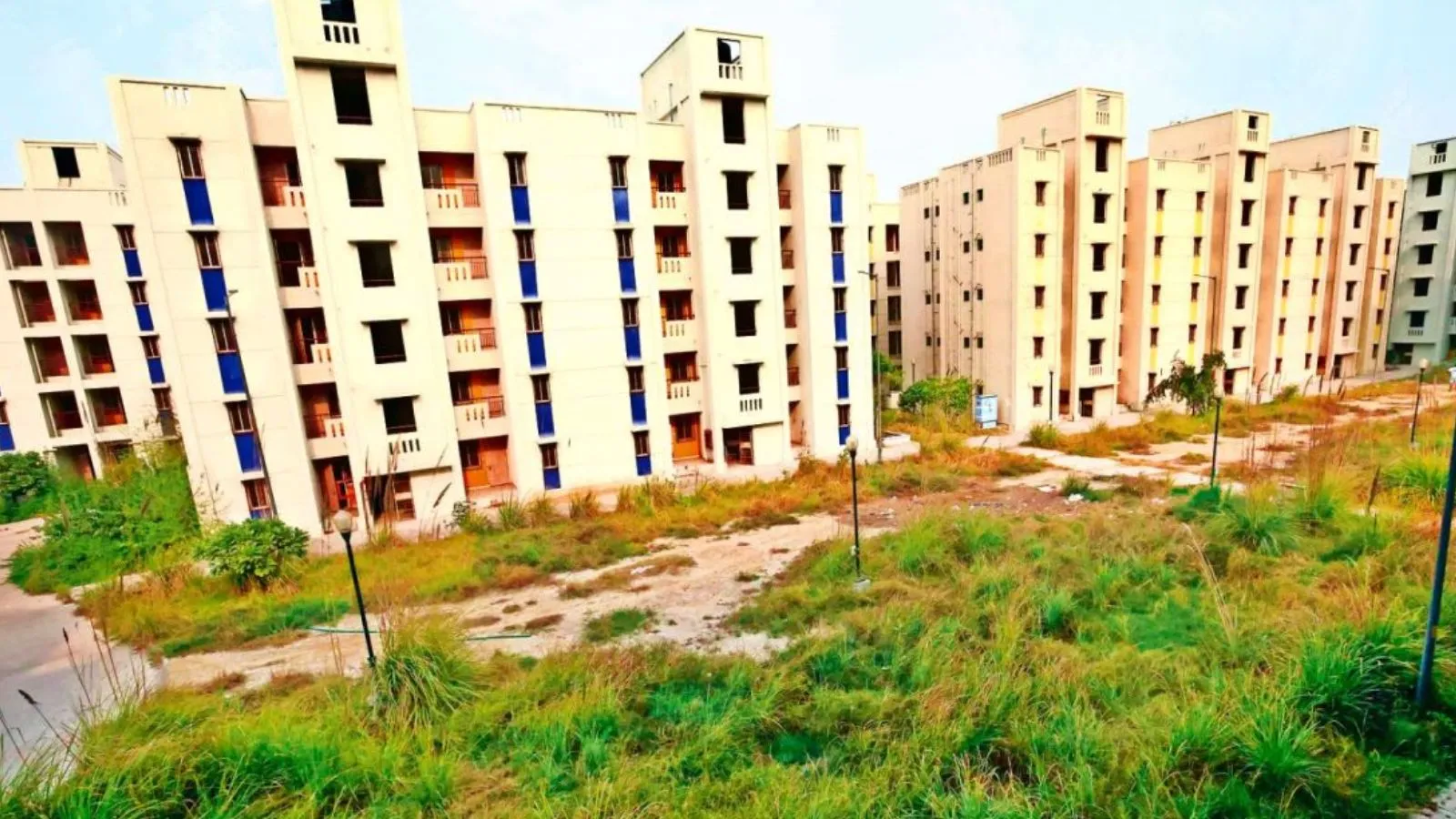
New DelhiUpdated: Aug 14, 2026 02:30 AM IST On unauthorised colonies, the plan said regeneration would facilitate “development of proper road network, open spaces, facilities and accessibility to emergency vehicles, fire tenders etc”. The much-awaited Delhi Master Plan 2047 projects that the Capital will need about 40 lakh additional homes by 2047, as population growth, smaller households and continued urban expansion put pressure on the city’s housing stock. Officials said that affordable housing is set to become a central part of the policy, with public and private developers encouraged to build smaller homes ranging from 25 to 60 sq m of carpet area. “The approach is intended to make housing more accessible while allowing developers to fit more homes onto scarce land,” an official said.The plan also proposes incentives for private developers who can develop hostels for students and young workers, dormitories with shared accommodation to keep rents low, and dedicated worker housing for labourers. The master plan’s housing strategy seeks to tackle Delhi’s projected shortage on two fronts — adding new homes while squeezing more capacity out of existing residential areas. It places affordable and rental housing at the centre of the approach, with smaller homes, land pooling and higher densities around public transport hubs expected to generate much of the new supply. Multi-pronged housing strategy The plan outlines a multi-pronged approach to closing the gap: building new homes, redeveloping existing residential areas, regenerating existing neighbourhoods and expanding affordable rental housing. It also proposes expanding housing options across income groups and ownership and rental models. “…while promoting an enhanced built environment with improved safety, livability, and quality of life,” the plan said. Affordable housing would be the priority, with the plan calling for serviced land — equipped with roads, water and sewerage — to support new development and giving private developers a major role in building the homes. Officials said the plan proposes new housing in land-pooling areas, where multiple landowners can combine their land for development; Transit-Oriented Development (TOD) zones around Metro stations and other major public-transport hubs; and both high-density corridors and low-density areas (LDA). “…public agencies will primarily act as facilitators,” the official said.Story continues below this ad “At the same time, existing housing areas shall be regenerated and upgraded to improve the quality of the built environment, infrastructure and public amenities. This shall include employer housing, resettlement colonies, cooperative group housing societies and housing developed by the DDA,” the plan said. Officials highlighted that the government sees land-pooling and transit-oriented areas as major sources of new housing, including smaller homes, with the potential to add about 30 lakh housing units. The plan also aims to increase the housing supply by redeveloping existing neighbourhoods and allowing greater density; and proposes regeneration for the renewal of planned residential areas, including Delhi Development Authority housing, cooperative housing societies, employer-provided housing and resettlement colonies. “Regeneration will enable optimal utilisation of land to create new housing, and improve the quality of existing housing stock,” the plan said. Curbing illegal colonies, construction The plan also emphasises on prevention of further growth of unauthorised colonies and illegal construction. “Disincentives such as levying prohibitive property tax, higher electricity charges, higher water charges, etc. may be considered by the local bodies to curb unauthorised construction… Use of eco-friendly materials, innovative construction technology and disaster resilient structures shall be encouraged for sustainability and time-bound delivery,” it said.Story continues below this ad On unauthorised colon
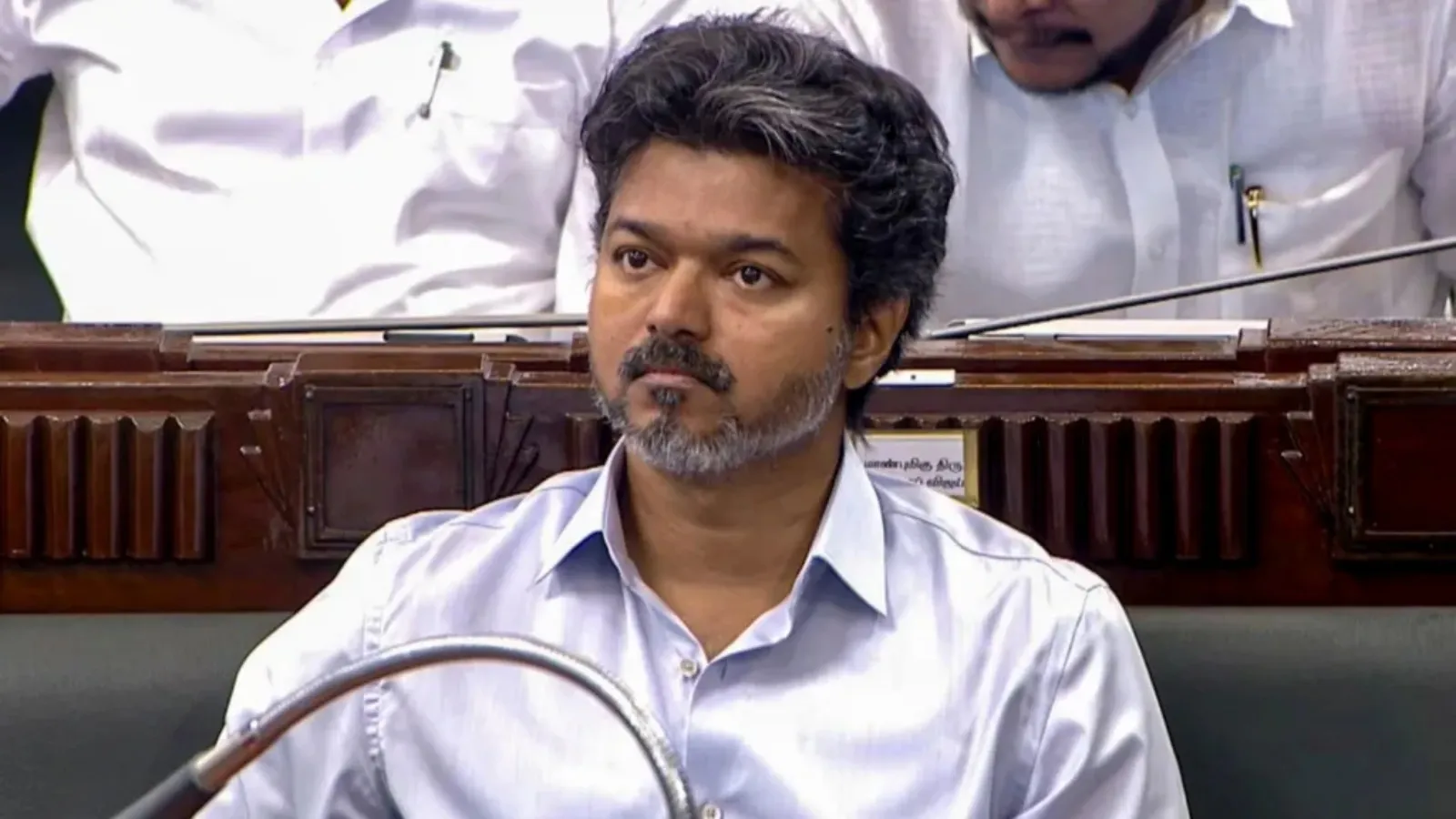
At the end of its first 100 days in power, the Tamilaga Vettri Kazhagam-led government Thursday sought to define its economic ambitions not simply by the size of investments it could attract, but by something considerably harder to manufacture: the confidence that factories can be built, approvals secured and businesses expanded without the government becoming an obstacle.At its first major investment conclave, the Vettri Tamil Nadu Investment Conclave 2026 in Chennai, the government signed 97 memoranda of understanding involving proposed investments of Rs. 67,542 crore and employment for more than one lakh people.The agreements take the cumulative investment commitments secured during the government’s first 100 days past Rs 1 lakh crore, with more than 1.2 lakh potential jobs, Industries, Investment Promotion and Commerce Minister S Keerthana said. “This is, on average, Rs 1,000 crore of committed capital for every single day we have been in office,” Keerthana said. “Some would call that a significant milestone. But for us, the number is only a small part of the story. Your confidence in our government is the important story.” The MoUs were exchanged in the presence of Chief Minister C Joseph Vijay, Keerthana, Guidance Managing Director and Chief Executive Officer Deepak Jacob and Industries Secretary S Vijayakumar. Guidance, the State’s investment-promotion agency, was instrumental in bringing together the agreements. For a government completing its politically important first 100 days, the conclave also offered Vijay’s administration an opportunity to set out the economic architecture behind its promise of building a 1.5-trillion USD Tamil Nadu economy by 2036. “It is a big number, but its impact is even larger,” Keerthana said. “For a young graduate, growth means a better job. For a woman, it can mean economic independence. For an entrepreneur, it means the confidence to take a risk.Story continues below this ad For a family, it means upward mobility. And for a district like Ramanathapuram, which is receiving its first industrial investment today, it means that a young person will not have to leave home to find opportunity.” That emphasis on geography in the industrial projects is significant in a state whose industrial strength has historically grown through several regional entrepreneurial centres rather than around Chennai alone. Southern India’s industrialisation developed a more diverse social and regional base than the old stereotype of a Madras-centred business class suggests, with Coimbatore and its surrounding region emerging as a major centre of light engineering, cotton textiles and knitwear. Coimbatore’s rise was particularly striking because it lacked many conventional advantages of an industrial centre — mineral resources, proximity to major ports or the status of a political or financial capital — yet developed into a manufacturing powerhouse through locally rooted entrepreneurship.Story continues below this ad Beyond Chennai The larger historical trajectory is one of a Tamil industrial economy repeatedly widening its entrepreneurial base, including the movement of farming communities into manufacturing. Thursday’s investment map suggests that the Vijay government wants to extend that geography while changing its technological composition. The Hinduja Group has committed Rs 2,500 crore across renewable energy, electric mobility, automotive and digital mobility businesses, including more than 200 MW of solar, wind and battery projects. Phoenix Kothari Group’s Rs 1,000-crore investment will mark what the government described as Ramanathapuram’s first major industrial investment.Story continues below this ad Germany’s Daimler India Commercial Vehicles will invest Rs 4,000 crore to expand its 400-acre Oragadam operation for commercial-vehicle design, research and manufacturing. Saint-Gobain has proposed Rs 2,000 crore for a greenfield facility in Krishnagiri and expansion in Kancheepuram, while Japanese zipper a
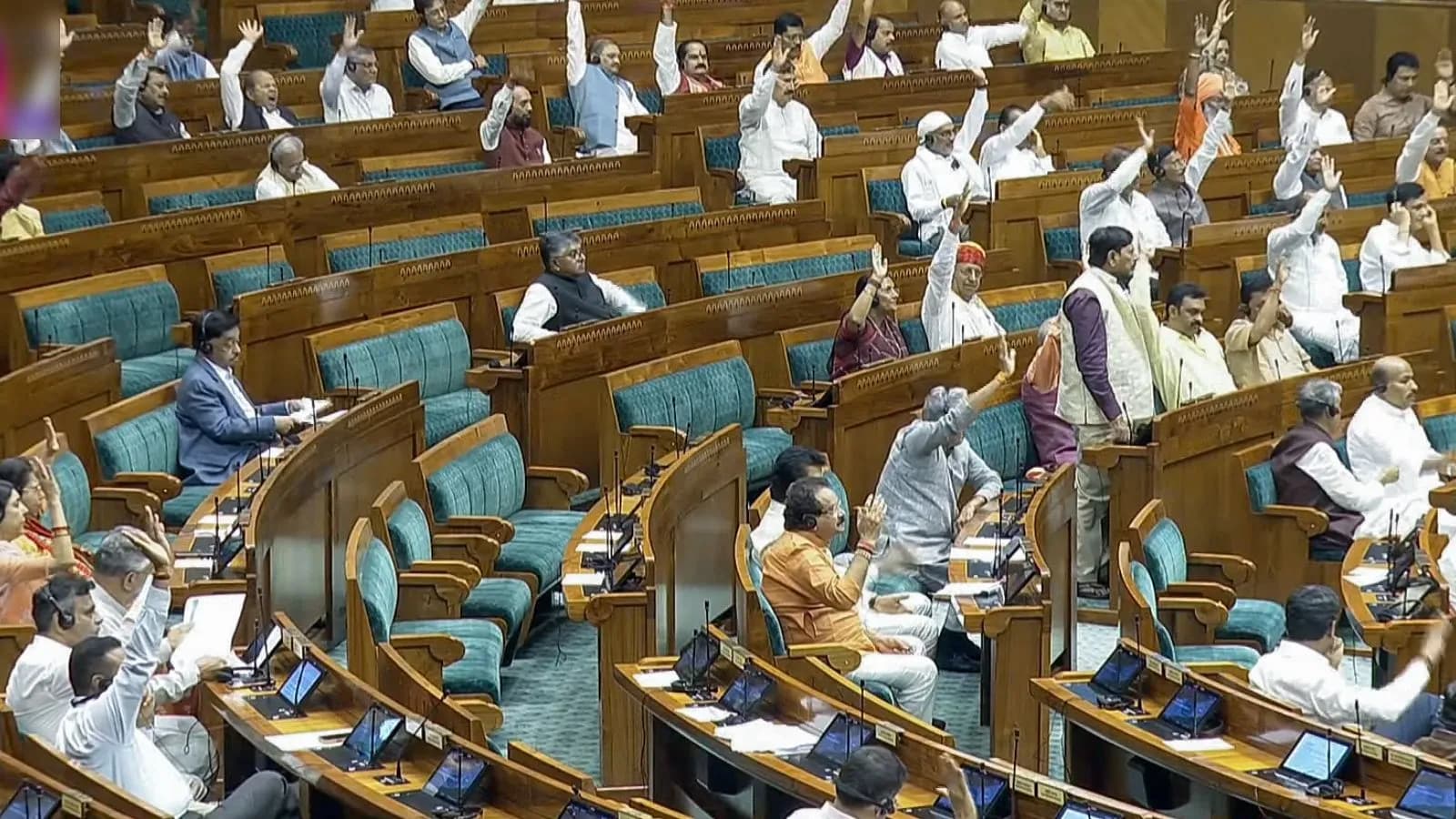
The Opposition has been demanding the withdrawal of the Bill and civil society and religious bodies, especially the Church, have expressed concern that asset-vesting rules in the Bill could be used to penalise past investments. Several Church bodies have voiced their fears in meetings with Union Home Minister Amit Shah over the last few days.A Union Minister said, “There is nothing in the Bill to oppose it. It is not against any community. However, we are ready to send the Bill to a JPC for further deliberation.” The Opposition parties, including the Congress, TMC, Left parties and DMK, have been demanding that the Bill be withdrawn entirely. However, sources said the government’s willingness to refer it to a JPC could provide a way out of the standoff inside and outside Parliament – the monsoon session is due to end August 13. A CPM MP said, “Through this Bill, the government is not trying to regulate the use of foreign contributions. It is actually trying to regulate the organisations receiving them. That is not acceptable. The provisions of the Bill are draconian. We want the Bill to be withdrawn completely. But if the government does not want to withdraw the Bill, we are okay with it being sent to the JPC.” The Congress too has maintained that the Bill should be withdrawn although sources said the party would be agreeable to its referral to a JPC. DMK MP P Wilson met Shah last week with a delegation of Church leaders and handed over a memorandum expressing concerns over provisions of the Bill being perceived as adverse to the Christian community. The memorandum had sought withdrawal of the Bill or its reference to a JPC.Story continues below this ad Mizoram Chief Minister Lalduhoma too met the Union Home Minister and conveyed concerns of the state’s Christian community. An AAP MP said the government’s argument that only a small fraction of FCRA contributions actually went to Christian NGOs missed the larger issue. “A law passed by Parliament will outlive the government of the day. It will have far-reaching consequences,” the MP said. What is a JPC? A JPC and a Select Committee are both ad hoc committees constituted to examine a Bill in greater detail, but the key difference is in their composition. A JPC has members from both Houses of Parliament, with the composition decided through motions adopted by Lok Sabha and Rajya Sabha, while a Select Committee is constituted by one House and consists only of members of that House. In either case, the committee can examine the Bill clause by clause, hear the government and stakeholders, seek evidence and suggest amendments; its recommendations are not binding on the government, though they carry considerable parliamentary weight. A JPC is generally seen as a broader mechanism because it brings MPs from both Houses into the examination process. Some key Bills that were sent to the JPC included the Waqf (Amendment) Bill, Personal Data Protection Bill,’One Nation, One Election’ Bill.Story continues below this ad The government’s decision to consider a JPC referral for the FCRA Bill is also being viewed in the context of its political outreach to the Christian community in Kerala and Tamil Nadu. The BJP has been seeking to expand its electoral footprint in Kerala and has been making a concerted effort to build ties with the Christian community, whose support it sees as important for any future electoral headway in the state. The timing is also significant in the context of the BJP’s efforts to secure DMK’s support on the delimitation Bill that the government is planning to bring in the near future. While the government has the numbers to push the Bill through Parliament, sources maintained that the government does not want to pass the Bill without proper discussion. The Bill proposes to insert a new Chapter IIIA into the FCRA, providing for the vesting of foreign contributions and assets created from them in a government-designated authority in certain circumstances.Story continues b



Discussion (0)