
Loading dispatches...
← Return to Newsroomgeneral
No beds at Gadchiroli tribal school, a night of horror leaves 3 dead of snakebite
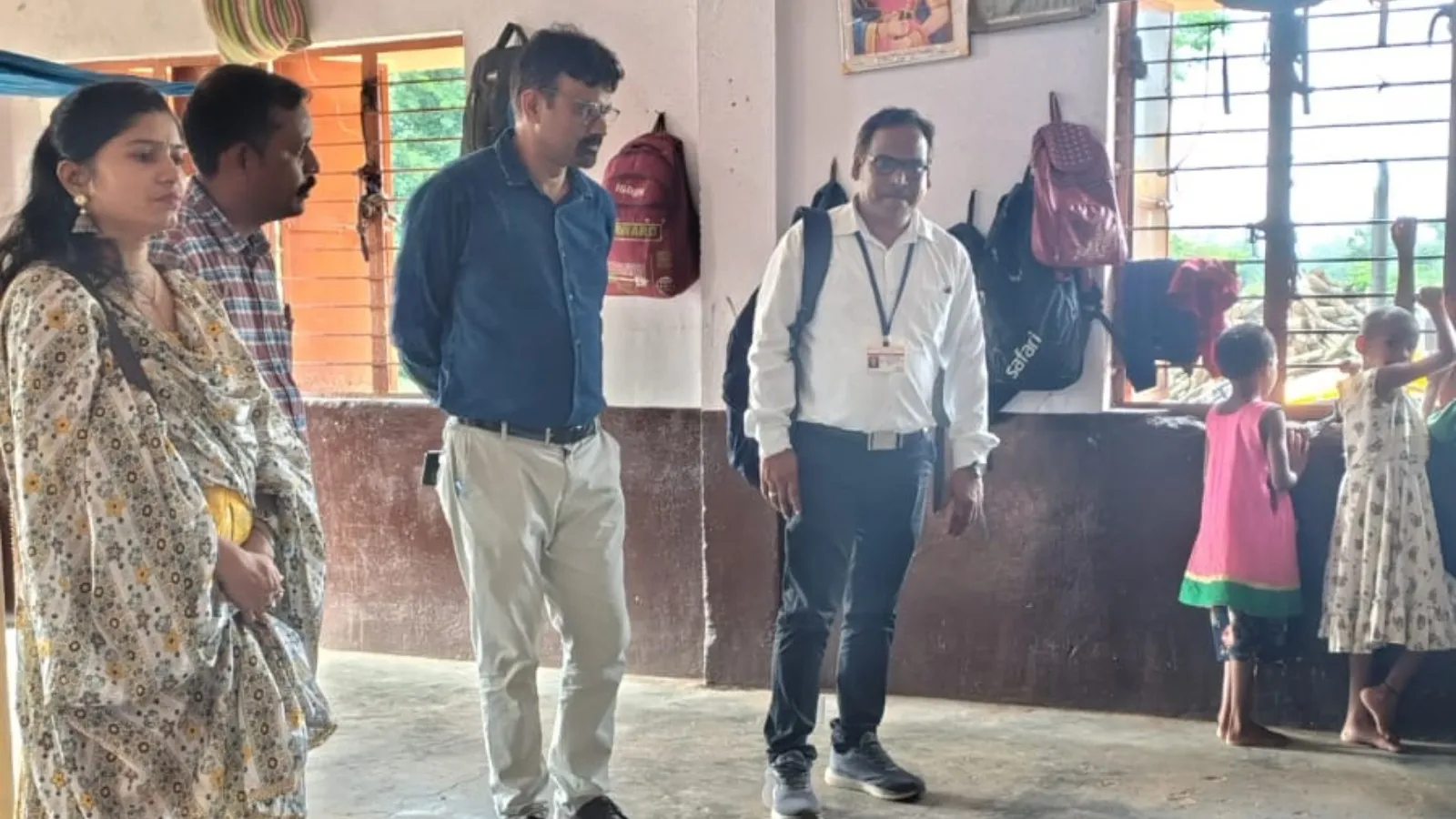
The hall where the kids slept on the floor. Maharashtra Chief Minister Devendra Fadnavis Tuesday ordered permanent cancellation of the licence of a government-aided residential school for tribal children in Gadchiroli after three girls died of a snakebite there. A month more, and the incident may not have come to pass.The children at the school – which was started in 1992 and has 233 students on its rolls currently – slept on mats spread on the ground. A teacher said they had been raising the issue of lack of beds with the principal. “We were told that the students would get the beds after the Pola festival (in September).” The deaths, at the school located in Japtalai village, has drawn outrage, with the Opposition raising questions over the state of tribal residential schools in Maharashtra, and the Mahayuti government announcing a third-party audit of over 500 ‘ashram’ or residential schools for tribal children in the state. The school is run by a trust whose secretary is local Congress leader Vishwajeet Marotrao Kowase. There were 65 girls on the premises of the co-ed residential school, Anudanit Prathamik/Madhyamik Ashram Shala in tribal-dominated Japtalai, when the snake bit six of them in the early hours of Monday. While two died, another succumbed on the way to hospital, and a fourth is critical and on ventilator supports. The nearest hospital is 10 km away and, as per sources, poor road conditions, worsened by the rains, delayed the journey. Deepika Madavi, 12, who was also bitten, was airlifted to Nagpur, and is now admitted to the Paediatric Intensive Care Unit at Government Medical College and Hospital (GMCH). Doctors said she is stable.Story continues below this ad Fifteen other students, sleeping in the hall along with the injured girls, are believed to be in shock and are under observation. The snake, a common krait, was caught and killed. A Class 5 student, Deepika was rushed to Nagpur along with a teacher and her grandfather, Chaturshah Madavi. Sitting by her bedside, gently stroking Deepika’s hair, Chaturshah says: “This was Deepika’s first year at the school.” There was no time to inform Deepika’s parents, who were in the fields working when the school called to say what had happened. “I rushed to the school, and they told me Deepika had to be shifted to Gadchiroli. I then came to know that we would have to leave in a helicopter for Nagpur,” Chaturshah says. Till Class 4, Deepika studied at the only school in her village, Kehekavahi. Her parents then shifted her to the ashram school, where her elder brother was also studying.Story continues below this ad Anil Sahare, who has been associated with the Japtalai school for 26 years and teaches Mathematics and Marathi, admits there were no wardens present Sunday night when the incident happened. “We celebrated World Tribal Day that morning. After that, since it was Sunday, the teaching staff went home. My home is around 2 km from the school,” Sahare says. Additional Tribal Commissioner Ayushi Singh told The Indian Express that a team has visited the school and identified lapses related to safety and infrastructure. Notices have also been issued to the principal and the wardens (male and female), as well as a show-cause notice management representative, Singh says. “We have also started corrective action at the level of the Tribal Development Department. The verification of all government-aided schools in the Vidarbha region will be done, apart from a third-party audit of these ashram schools.”Story continues below this ad Gadchiroli Collector Avishyant Panda told The Indian Express, “It is a government-aided private ashram school run by a trust. They did not follow norms and kept the window open at night (the snake is believed to have got in through the window). Action will be taken against those responsible.” The government has announced Rs 5 lakh each for families of the students who died, as well as a similar sum from
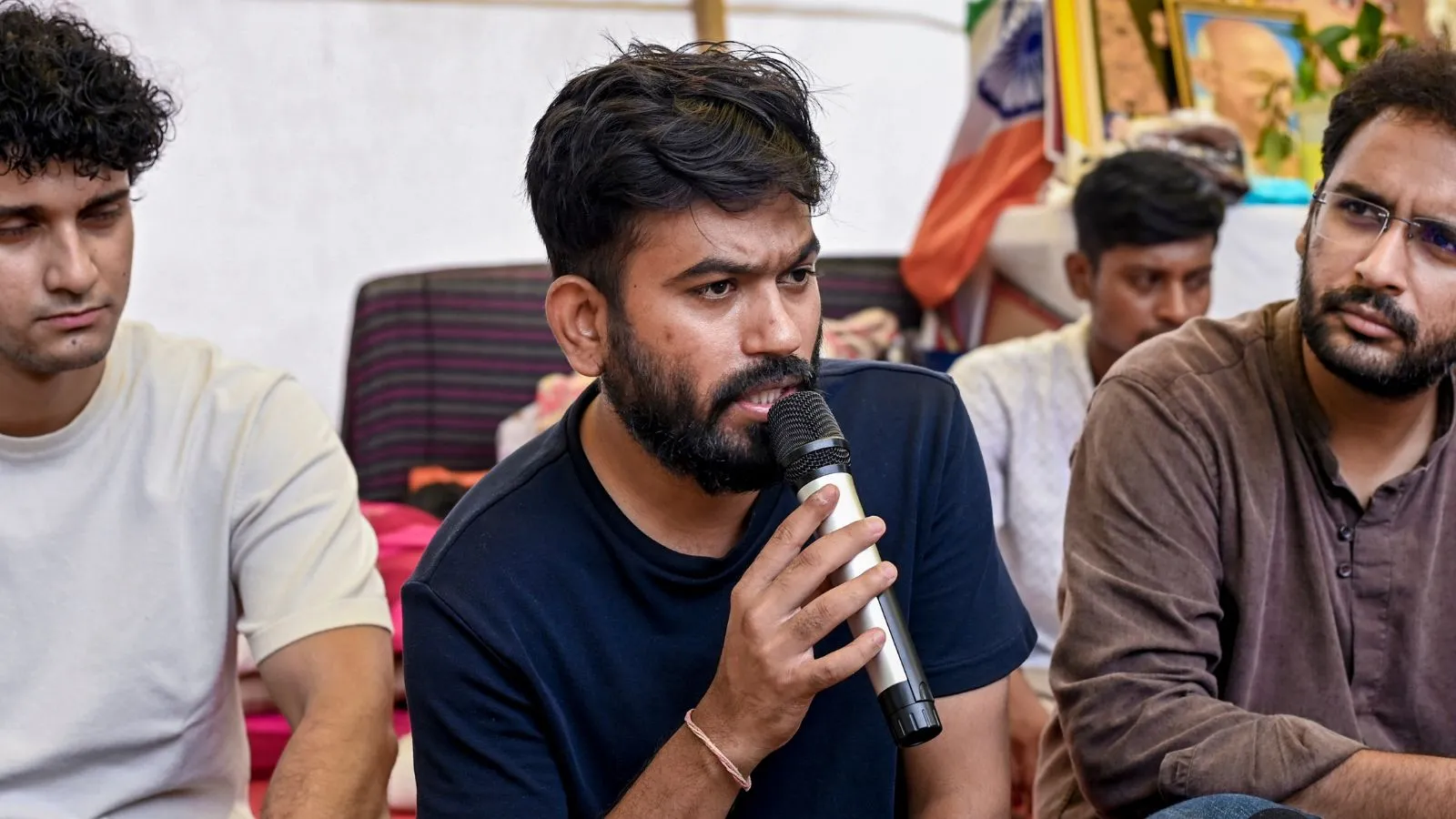
Days after announcing a Kya Bolti Public campaign starting next month, Cockroach Janta Party (CJP) founder Abhijeet Dipke on Tuesday announced a “social audit” of government schools in rural India, urging people to inspect the schools for basic amenities on August 15. ”As India celebrates its 80th Independence Day, a nationwide campaign led by CJP is being launched to draw attention to the severe neglect of educational facilities in rural areas. This campaign calls upon citizens, parents, and village leaders to unite and demand fully-equipped government schools with all necessary amenities for the children of farmers and labourers,” Dipke said in a press release.Dipke said that since Independence, cities had developed and major national projects—such as the new Parliament building and the prime minister’s residence—had been completed. “However, the development of rural schools has been largely neglected. To this day, millions of children in rural areas have to walk miles to reach schools that lack basic facilities such as electricity, clean drinking water, and toilets. Young girls bear the brunt of this problem,” he said. ”Are the children in our villages not a part of the country’s future? Do we not consider them a part of our nation? Every citizen’s child in India deserves a bright future because quality education is their fundamental right. This August 15, our entire focus must be on ensuring that every government school functions effectively,” the statement added. The campaign will kick off at Hingoli in Maharashtra’s Hingoli district, where Dipke will meet the sarpanch and urge him to ensure that all necessary facilities are available in the village government school. The CJP urged sarpanches across the country to participate in this campaign. To appreciate those doing commendable work, “before” and “after” photos of school improvements will be shared on social media platforms, the statement said, adding that this would be an honour to sarpanches who transform the schools in their villages. Checklist for ‘social audit’ As part of the “social audit”, Dipke urged parents to visit their children’s government schools and inspect the following essential facilities:

Discussion (0)