
Loading dispatches...
← Return to NewsroomPolitics
Possibilities and pitfalls of facial recognition system | Explained
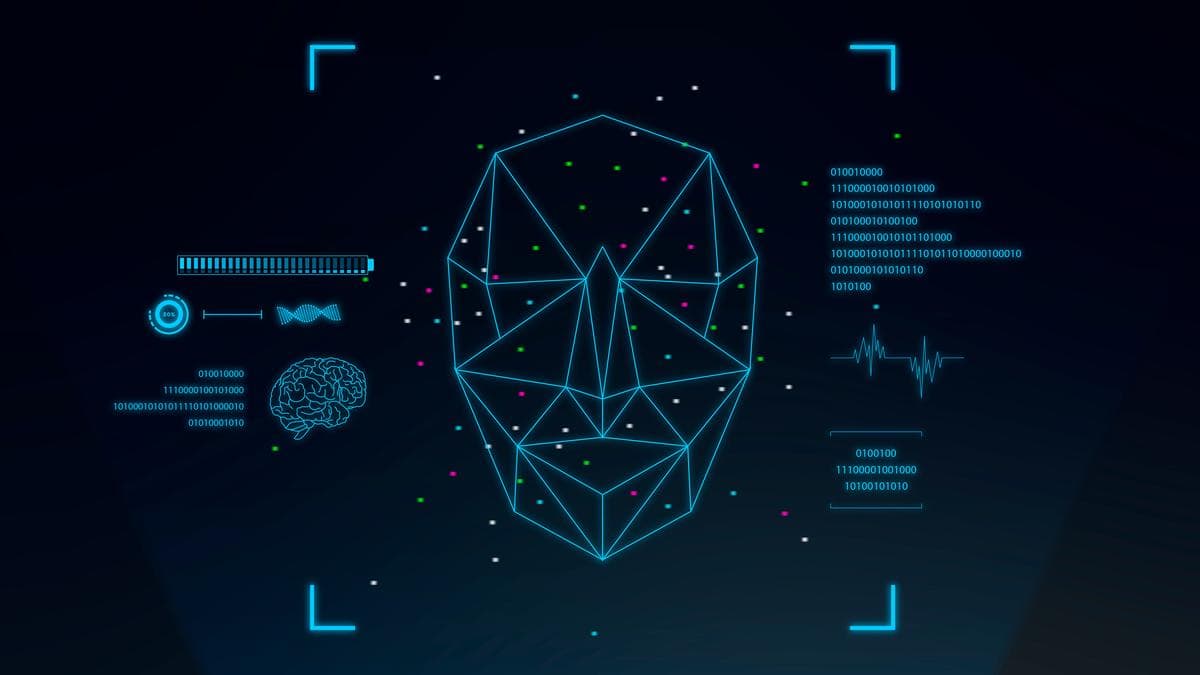
The story so far: The Supreme Court on Tuesday (August 18, 2026) said it will examine the “proportionality” of the use of facial recognition system (FRS) deployed during the students’ protest in the national capital last month after the Delhi Police in an affidavit admitted to its use.The police said that “FRS does not automatically capture, create, generate, or maintain profiles of every individual present at the protest site, nor is it deployed for indiscriminate surveillance or collection of personal information of peaceful protesters unless he has a previous criminal record,” and assured that the use of the technology was “legitimate, bona fide, and proportionate policing measure”.However, the very nature of the system and its possibilities that, if left unchecked, could have extreme implications for public behaviour in the country is concerning.How does facial recognition work?While the use of the AI-powered product of machine learning to monitor a mass gathering is something new for many, facial recognition has been part of the everyday life of human beings around the world for some time. From screen locks in mobile phones to contactless air travel with DIGI Yatra initative, Indian are getting increasingly exposed to various degrees of FRS. The use of the technology can be broadly classified into two avenues, verification and identification.The most common use that has been incorporated into daily lives is verification where the system confirms the identity of a person from previously provided datasets, like in the case of mobile phone security systems. In case of identification processes, the system scans the distinguishable features of people and runs it against a database to determine their identity without them having to reveal it. Verification using FRS is voluntary while identification may or may not be done with the consent of those under the lens.Once a digital image is entered into an FRS for identification, the programme will break down the faces into numbers and other specific information like distance between the eyes, length and shape of nose, patterns of wrinkles or other distinguishable characteristics and compare these with the database of faces available to it in search of a match. But since the system has to work with a pre-existing database which can be subject to manipulation, combined with the hallucinations that come with AI systems, FRS identifications cannot always be accurate. This lack of accuracy is one of the main technical concerns regarding the ethics of FRS since it can be trained for bias and can lead to false detentions over misidentification.How is FRS being used in India?In its recent affidavit in the Supreme Court, the Delhi Police said that “FRS does not automatically capture, create, generate, or maintain profiles of every individual present at the protest site, nor is it deployed for indiscriminate surveillance or collection of personal information of peaceful protesters unless they have a previous criminal record.”In March 2020, the Union Home Ministry accorded approval for the implementation of the Automatic Facial Recognition System (AFRS) by the National Crime Record Bureau (NCRB). The system intended to use police records and will be accessible only to law enforcement agencies, then Union Minister of State for Home Affairs, G. Kishan Reddy, said in a written reply to a question in the Rajya Sabha. Law enforcement agencies also have access to first investigation reports, chargesheets, and investigation reports from all police stations in the country through the Crime and Criminal Tracking Network and Systems (CCTNS), which also has access to past and current crime records of individuals, including personal details of an accused, charge-sheeted persons, convicts, habitual offender, proclaimed offender, and others.The CCTNS is also linked to the National Intelligence Grid (NATGRID), a secure platform for the police and investigating agencies to access government and private datab
Does that mean anything? India Today People raise concern over communication blackout in Pakistan’s Balochistan Telangana Today Mobile, internet shutdown in Quetta disrupts daily life, affecting students, healthcare workers, businesses The Tribune


Discussion (0)