
Loading dispatches...
← Return to Newsroomgeneral
Maharashtra Freedom of Religion Act, 2026: Law to come into force from August 28, Pune police drop anti-conversion law provisions from two cases
A senior officer from Pune police said that prosecution in both the cases will continue under the remaining provisions. (File image)PUNE CITY police, who were the first to register two cases under the newly enacted Maharashtra Freedom of Religion Act, 2026, have removed the provisions of the anti-conversion law from both cases after the state Home department notified that the legislation will come into force only from August 28. A 21-year-old man had been arrested in one of the cases, while a British national had secured anticipatory bail in the other. A notification issued by the Home department on Monday reads that August 28 has been decided as the date on which the Maharashtra Freedom of Religion Act, 2026 will come into force.When contacted, Pune Police Commissioner Amitesh Kumar said, “The Presidential assent had come on July 31 and a notification was issued. So we assumed that the law had come into force. However, in that notification the date on which it will come into force was not mentioned. The date of enforcement has now been notified as August 28. So now we shall file a chargesheet in the case without applying those sections. So the provisions under the Maharashtra Freedom of Religion Act have been deleted in both the cases. We have informed the court about the removal of the provisions.” A senior officer from Pune police said that prosecution in both the cases will continue under the remaining provisions. Two separate cases were registered with Pune city police under the Maharashtra Freedom of Religion Act, 2026, the first on August 5 and the second on August 9. In the first case registered at a police station on August 5, a 45-year-old man, currently living in Ludhiana and a native of Uttar Pradesh, has filed a complaint about his 17-year-old daughter who had gone missing last year. When the family came to Pune recently in search of her they found out that she was allegedly sexually abused by a 21-year-old man, who had made attempts for her religious conversion. A case was registered against the 21-year-old accused under provisions of the Protection of Children from Sexual Offences Act and Maharashtra Freedom of Religion Act, 2026. The 21-year-old accused is currently in judicial custody. Second case was registered at the Khadak police station under the Immigration and Foreigners Act, 2025 and Maharashtra Freedom of Religion Act, 2026. In this case, a British national Pankaj Devnoor was booked based on a complaint filed by a 31-year-old rickshaw driver. The British national who holds an Overseas Citizen of India (OCI) has secured an interim anticipatory bail in the case. The complainant has said in the FIR that, “In a programme organised on August 7 at Guruwar Peth area, Devnoor was trying to spread misconceptions about Hindu religion and was trying to lure the people in the audience into religious conversion.” The legislation criminalises religious conversion brought about through coercion, fraud, force, threats, misrepresentation, inducement or undue influence. It also covers conversions allegedly linked to marriage or a promise of marriage. Significantly, the law places the onus on the person facilitating the conversion to establish that it was carried out voluntarily. It prescribes stricter punishment when the alleged conversion involves a minor, woman, member of a Scheduled Caste or Scheduled Tribe, or a person of unsound mind. The Maharashtra Legislature passed the law earlier this year. It subsequently received the President’s assent and was notified by the state government on July 31.Story continues below this ad Devnoor’s lawyer Vijaysinh Thombre said, “This means that Pune police registered a case in a hurried manner when the law was not even in force. This was done just to make certain people and organisations happy. This is very condemnable. We have already approached the high court and have submitted that Devnoor has been booked in a false case.” Sushant Kulk
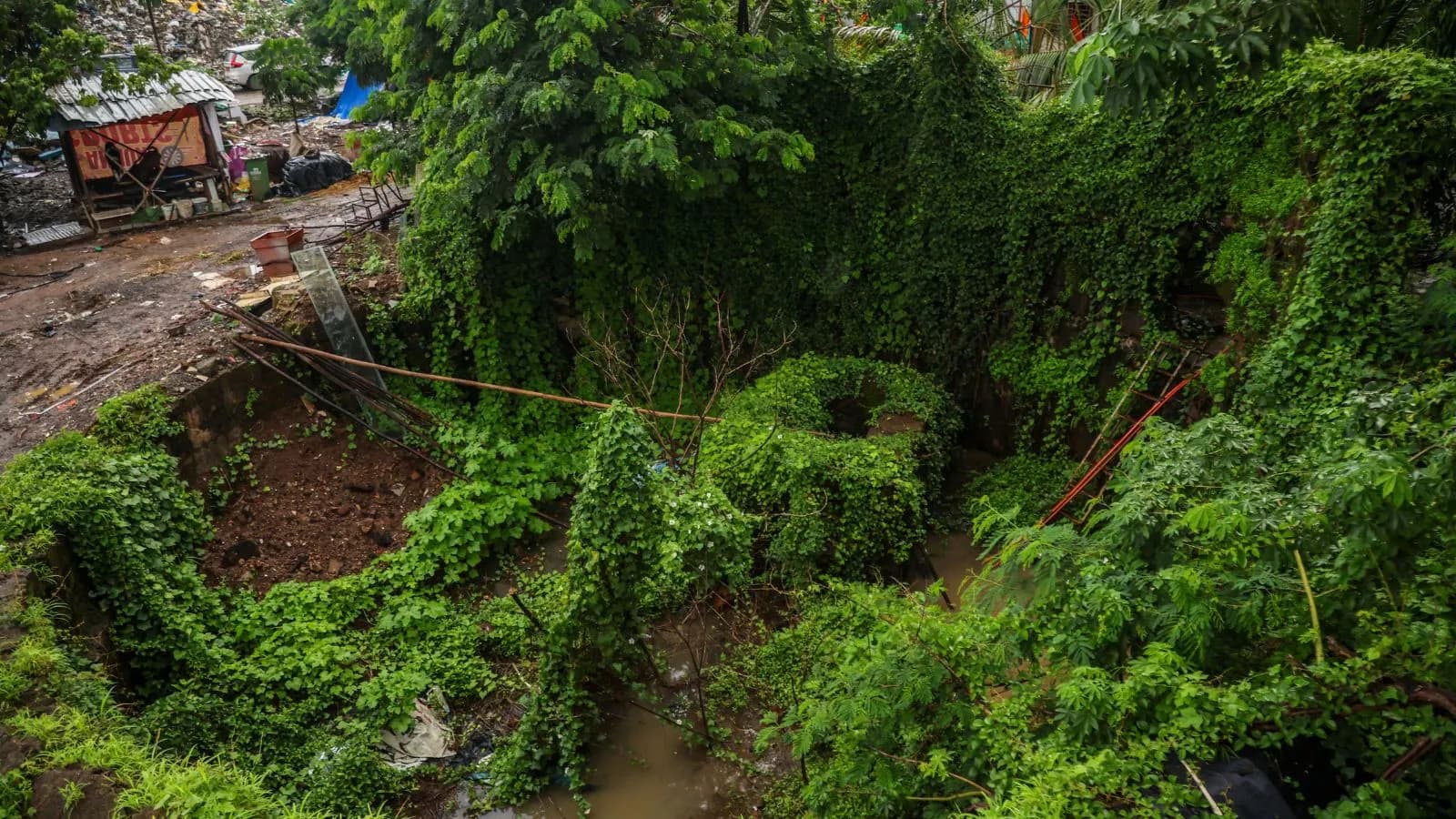
A 400 year old Portugese bastion in Wadala off the Eastern Freeway covered in weeds and overgrowth. (Express photos by Akash Patil) When residents in Wadala cleaned up an old structure, which was lying hidden for years amid vast dumps of debris and overgrown with weeds and trees, they did not know what it was. However, with the help of a history enthusiast, they discovered that it had a long history to tell – it was a Portuguese bastion around 400 years old.The structure along the Eastern Freeway, overlooking the Mahul creek, came to public attention in 2021. “With the help of history buffs and some funds, we cleaned up the historical structure, without knowing what it was, and informed various authorities about it,” said Samadhan Jugdhar, a local and a Shiv Sena shaka pramukh. The structure was something of a fort, an outpost consisting of a circular well-like structure and a semi-circular wall, with holes interspersed. The structure along the Eastern Freeway, overlooking the Mahul creek, came to public attention in 2021 (Express Photo by Akash Patil)Jugdhar was in touch with a history enthusiast, Chandan Vichare, who tapped into his circle of heritage experts and architects, writing to the BMC and the Directorate of Archeology and Museums of the Maharashtra government. “It was only when I sent photos of the structure to the archeology department that we knew it was a bastion,” said Vichare, referring to a fortification wall used to make attacks from. Officials from the Directorate of Archeology were sceptical.Story continues below this ad “On inspection, we found out that this was a bastion from the Portuguese period, making it around 400 years old. It served as one of the important defense structures that guarded Mumbai. Unlike many similar structures, like the Mazgaon Fort, which were destroyed by the British, this one was probably used by the British after they took over too, and hence survives,” said Mayur Thakare from the Directorate who documented the structure. Being a coastal city, fortification along the edges of Mumbai with the help of forts and bastions were common, giving the rulers an important vantage point to monitor ships coming from the horizon and any incoming attacks. To this, Mumbai owes the Bandra Fort, Worli Fort, Mahim Fort, Sion Fort, Madh Fort, and more. The structure was something of a fort, an outpost consisting of a circular well-like structure and a semi-circular wall, with holes interspersed. (Express photo by Akash Patil)Most of these large fortifications, said Thakare, are protected monuments notified by the state or central government. The history of Wadala too is intertwined with the bastion, and why it was chosen to be constructed at the spot.Story continues below this ad “During the Portuguese rule from the 16th to 17th century, Wadala was called Varella, coming under the Mahim Kasba,” explained Thakare, who presented these findings in a paper to the Mumbai University. Wadala was largely salt pans. The local Kunbis, called Kurumbees, farmed them, and thrived under the Portuguese. When the British and then the East India Company took over in 1661, the salt pans exchanged land ownership, but continued thriving. Thakare concludes, “Under both Portuguese and British administrations, despite phenomenal changes in the patterns of urbanisation and land reclamation, the local geographical nomenclatures and divisions remained largely unaltered.” The bastion is found marked in maps dated 1812, 1843 and 1885. Describing the bastion, Thakare notes it is a circular bastion, with octagonal projections inside. It is constructed with random-rubble masonry with lime-sand mortar. At regular intervals, there are gun holes and gun slits. Unusual for such a bastion, there is also a rectangular water storage structure. In further proof that the British also used the bastion, the inspection found two possible different phases of structural activity: the primary structure b
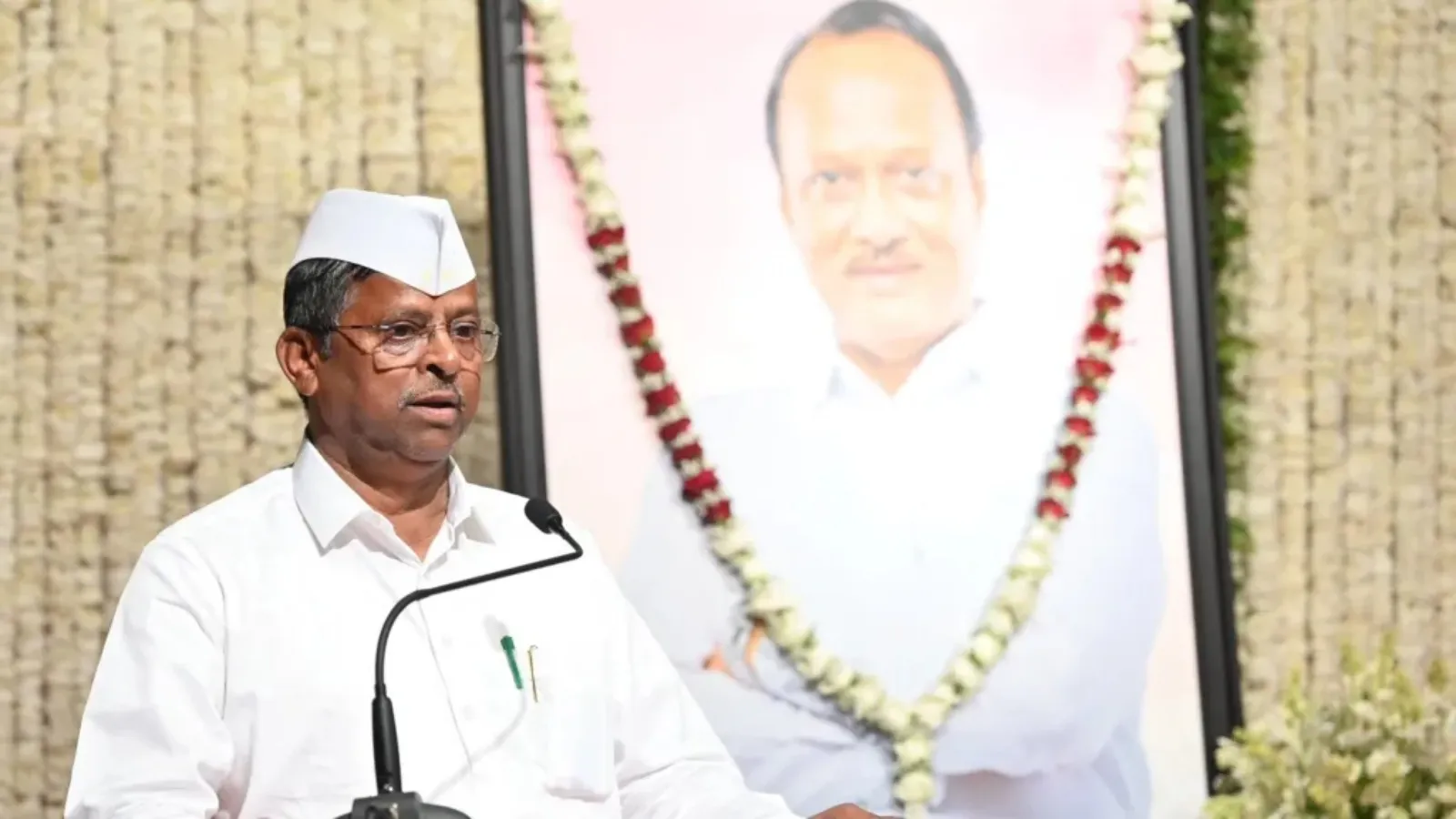
MumbaiUpdated: Aug 18, 2026 07:24 AM IST Narhari Zirwal had denied any involvement, saying the clerk was responsible for preparing documents for departmental hearings and that he would resign if any link to him emerged. (Source: Express Photo) Months after the Anti-Corruption Bureau (ACB) carried out a rare trap inside Mantralaya and arrested a Food and Drug Administration (FDA) clerk for allegedly accepting a Rs 35,000 bribe, the agency is still waiting to hear from the state government on its request for prosecution sanction, sent more than a month ago. The February 13 trap was carried out on the second floor of Mantralaya, the seat of the Maharashtra government, where the office of Minister for Food and Drugs Administration Narhari Zirwal is located. The raid had triggered a political controversy, with Maharashtra Congress president Harshvardhan Sapkal demanding Zirwal’s resignation and alleging that corruption was flourishing inside the state secretariat.Zirwal had denied any involvement, saying the clerk was responsible for preparing documents for departmental hearings and that he would resign if any link to him emerged. “The incident that has occurred is extremely wrong. The person involved originally belongs to the Food and Drug Administration department. The act was committed by him, and no one will be shielded in this matter,” he had said. Days after the trap, Zirwal relieved his private secretary, Dr Ramdas Gade, of the post and repatriated him to his parent department. The ACB has since completed its investigation and says it has sufficient evidence against Rajendra Dherange, a Class III FDA clerk, who allegedly demanded Rs 50,000 from a Mumbai-based medical store owner to restore a suspended licence. The amount was allegedly negotiated down to Rs 35,000. ACB Maharashtra Director General Sanjiv Singhal said, “In the FDA case, the proposal seeking prosecution sanction has already been sent to the concerned department more than a month ago. However, we have not yet received a response. If no reply is received within 90 days, the evidence will be reviewed and a reminder will be issued.” The sanction is what stands between the investigation and a courtroom. Section 19 of the Prevention of Corruption Act, 1988 bars a court from taking cognisance of offences under Sections 7, 11, 13 and 15 alleged against a public servant without prior sanction from the competent government or authority. Until the department clears the proposal, the ACB’s evidence against Dherange cannot go before a judge. The provision requires the authority to convey its decision within three months, extendable by one month where legal consultation is required, with reasons recorded in writing. The ACB had begun investigating the case after the complainant allegedly submitted audio recordings of the bribe demand. Following independent verification, the agency laid the trap and allegedly caught Dherange red-handed while accepting the money.Story continues below this ad The case had initially widened the scrutiny to others in the department. An ACB official said there were allegations against the minister’s personal assistant as well, but no evidence was found against him. The official said the PA was in Delhi and not in Mumbai when the trap was carried out. During the raid, the ACB also recovered Rs 42,000 apart from the alleged bribe amount from Dherange. Since only Rs 10,000 in cash is permitted inside the Mantralaya gate, the agency had said it would examine the source of the additional cash as well as Dherange’s call records and bank details. An ACB official said investigations in trap cases are generally completed within two to three months, but the FDA probe took longer because of the sensitivity of the matter and the need to avoid attracting undue attention during the Assembly session. According to ACB officials, prosecution sanction for Class A and Class B officers requires approval from the ACB Director General, while the Additional

BJP leader Abhishek Choudhary, whose alleged involvement in the leaked recordings has landed him in legal trouble, has been expelled by the Party.The BJP on Monday expelled its North Maharashtra convenor Vijay Choudhary in connection with an audio clip allegedly containing objectionable remarks against former BJP MP Heena Gavit and other senior political leaders. State BJP president Ravindra Chavan held a meeting with Nandurbar leaders at the party headquarters in Mumbai, where a majority of local leaders, led by Gavit, demanded Choudhary’s immediate removal. The party subsequently stripped him of all organisational posts and his primary membership.“The party has taken the decision to expel Choudhary. He has been divested of all posts and primary membership,” the BJP said in a statement. The action follows Choudhary’s arrest last week under provisions of the Scheduled Castes and Scheduled Tribes (Prevention of Atrocities) Act and sections relating to outraging the modesty of a woman over his alleged remarks against Gavit and others. Several video clips circulating on social media allegedly show Choudhary making objectionable comments about Gavit. In another clip, he is purportedly heard questioning the BJP’s decision to give importance to Union Minister of State Raksha Khadse and referring to the political affiliations of her father-in-law, Eknath Khadse. The row also drew criticism from Shiv Sena MLA Aamshya Padvi, who filed a police complaint against Choudhary. Choudhary has denied the allegations, claiming that the audio clip was fabricated using artificial intelligence and that his voice was misused.Story continues below this ad Choudhary has previously served as Nandurbar district BJP president and Maharashtra BJP general secretary.
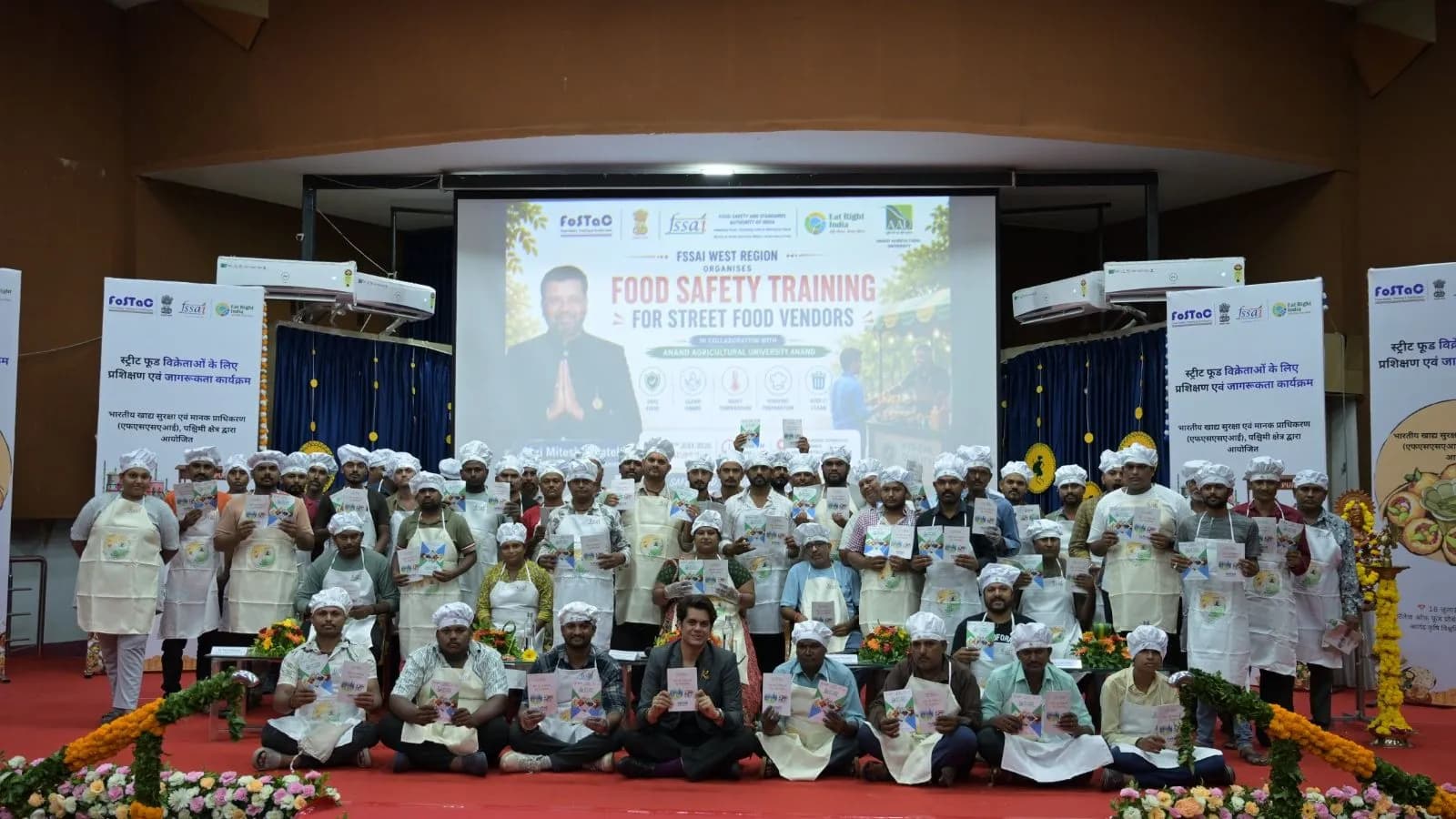
FSSAI has trained over 300,000 street food vendors nationwide in hygiene, safe food handling, and waste management (Express photo/Special arrangement). The Food and Drug Administration’s (FDA) recent wave of licence suspensions across Pune, Mumbai, and other cities in Maharashtra has forced hotels and restaurants to re-examine their kitchen hygiene, processing standards, and legal compliance. Faced with temporary closures, many establishments are now turning to specialised food safety consultants and technologists to fix operational gaps and regain their operating licences. When a Mumbai hotel received an FDA suspension notice detailing nearly 40 non-compliance points, it hired Pune-based food technology firm Foodkida to overhaul its food safety management system.Akash Chakor, founder of Foodkida, noted a sharp rise in demand for technical support from hospitality businesses. “Our experts have helped numerous food business operators revoke licence suspensions and respond to official improvement notices,” Chakor said. “We guide operators through safety audits, staff training, and compliance workflows outlined by the Food Safety and Standards Authority of India (FSSAI).” The crackdown follows strict enforcement by FDA authorities. In the Pune division alone, officials issued over 60 suspension orders after inspection drives uncovered severe hygiene violations and failure to meet basic sanitation requirements. Industry pushes for self-regulation According to estimates by the Pune Restaurants and Hoteliers Association (PRAHA), which represents over 500 members, Pune hosts between 10,000 and 15,000 restaurants. A senior PRAHA official welcomed the regulator’s enforcement actions and said, “The FDA action is necessary because establishments that fail to maintain basic hygiene in their kitchens must be held accountable. Over 60 affected operators have engaged food consultants to identify gaps and put corrective measures in place.” Restaurant operators are seeking external assistance across key operational areas: comprehensive hygiene and sanitation audits; mandatory Food Safety Training and Certification (FoSTaC) for kitchen staff; routine food ingredient and water quality testing; commercial pest control documentation; employee medical fitness certification; and standard operating procedures (SOPs) for safe food handling.Story continues below this ad FSSAI expands training for street vendors Alongside regulatory enforcement, FSSAI is ramping up preventive education under its FoSTaC and ‘Eat Right India’ initiatives. The central regulator has trained over 300,000 street food vendors nationwide in hygiene, safe food handling, and waste management—including more than 10,000 vendors in Mumbai alone. Pritee Chaudhary, reegional director at FSSAI (west region), said that training is essential to long-term compliance. “While enforcement drives trigger immediate corrective steps, our broader goal is continuous staff training to build a culture of compliance,” Chaudhary said. “We have intensified hands-on workshops for retailers, food handlers, and street vendors to safeguard public health.” © The Indian Express Pvt Ltd Anuradha Mascarenhas is a Senior Editor at The Indian Express, based in Pune. With a career spanning three decades, she is one of the most respected voices in Indian journalism regarding healthcare, science and environment and research developments. She also takes a keen interest in covering women's issues . Professional Background Education: A gold medalist in Communication and Journalism from Savitribai Phule Pune University and a Master’s degree in Literature. Author: She authored the biography At The Wheel Of Research, which chronicles the life and work of Dr. Soumya Swaminathan, the former Chief Scientist at the WHO. Key Focus: She combines scientific accuracy with storytelling, translating complex medical research into compelling public and human-interest narratives. Awa
FWICE urges FDA chief Tukaram Mundhe to conduct surprise inspections at film and TV sets over food and hygiene. (Photo: Representational) Amid the raids being carried out by Maharashtra’s Food and Drug Administration (FDA) to ensure food safety in the state, the Federation of Western India Cine Employees (FWICE) has raised concerns over the quality of food and basic facilities available to daily-wage workers on sets across Mumbai. In a formal letter dated August 11 to Maharashtra FDA, the cine body drew attention to the conditions faced by technicians and other ground-level crew members who often spend long hours on set, particularly at Film City in Goregaon and other major production hubs. ‘Pathetic, unhygienic quality of food’ The federation has sought the intervention of the state authorities, arguing that access to safe food and decent facilities cannot be treated as an afterthought in an industry that depends so heavily on its workforce. “For several years, FWICE has been receiving numerous complaints from its affiliated unions and members regarding the pathetic, unhygienic and substandard quality of food being served by several film, television and digital content producers during shootings,” its General Secretary Ashok Dubey wrote in the letter.The federation alleged that the problem goes beyond complaints about taste or quality, pointing instead to food that could potentially endanger the health of workers who are already operating under demanding conditions. “The meals supplied at shooting locations are often stale, poorly cooked, nutritionally inadequate and prepared in unhygienic conditions. Such food poses a serious risk to the health and safety of our members, who are required to work continuously for long hours under physically demanding conditions.” The organisation said the matter has been raised with government authorities earlier as well, but claimed that those efforts have not resulted in meaningful change. For the technicians and workers affected, the issue is ultimately about something more fundamental than workplace convenience: whether people spending entire days on a production set are being provided the minimum conditions they are entitled to expect. “Despite repeatedly bringing these issues to the notice of the Labour Department and other concerned Government authorities, regrettably, no effective action has been taken,” the letter noted. “Consequently, scores of workers, technicians and artists continue to suffer and remain deprived of their basic right to safe, hygienic and wholesome food while at their workplace.” No designated dining areas FWICE also pointed to the absence of proper spaces where crew members can sit down and eat. “At several shooting locations, workers are compelled to have their lunch or dinner in open areas exposed to dust, heat, rain and unhygienic surroundings,” the letter read. “In many instances, there are no designated dining areas, inadequate seating arrangements, lack of clean drinking water and poor sanitation facilities. Such conditions are wholly unacceptable and fall far below the standards expected at any organised workplace.” It has now asked the Food and Drug Administration to take a more active role in examining these concerns. The federation urged Commissioner Tukaram Mundhe’s office to conduct surprise inspections at production locations across Mumbai, including checks on how food is stored, prepared and supplied. It has also called for catering arrangements to be examined under the provisions of the Food Safety and Standards Act, 2006. Karan Johar’s ‘Kabhi Alvida Naa Kehna’ just said it out loudStory continues below this ad At the heart of the federation’s complaint is a contradiction that has long existed within the entertainment industry: productions may be built around elaborate sets, large crews and tight schedules, while the people working behind the scenes can still str


Discussion (0)