
Loading dispatches...
← Return to Newsroomgeneral
Master Plan for Delhi-2047: Changes to slum rehab framework
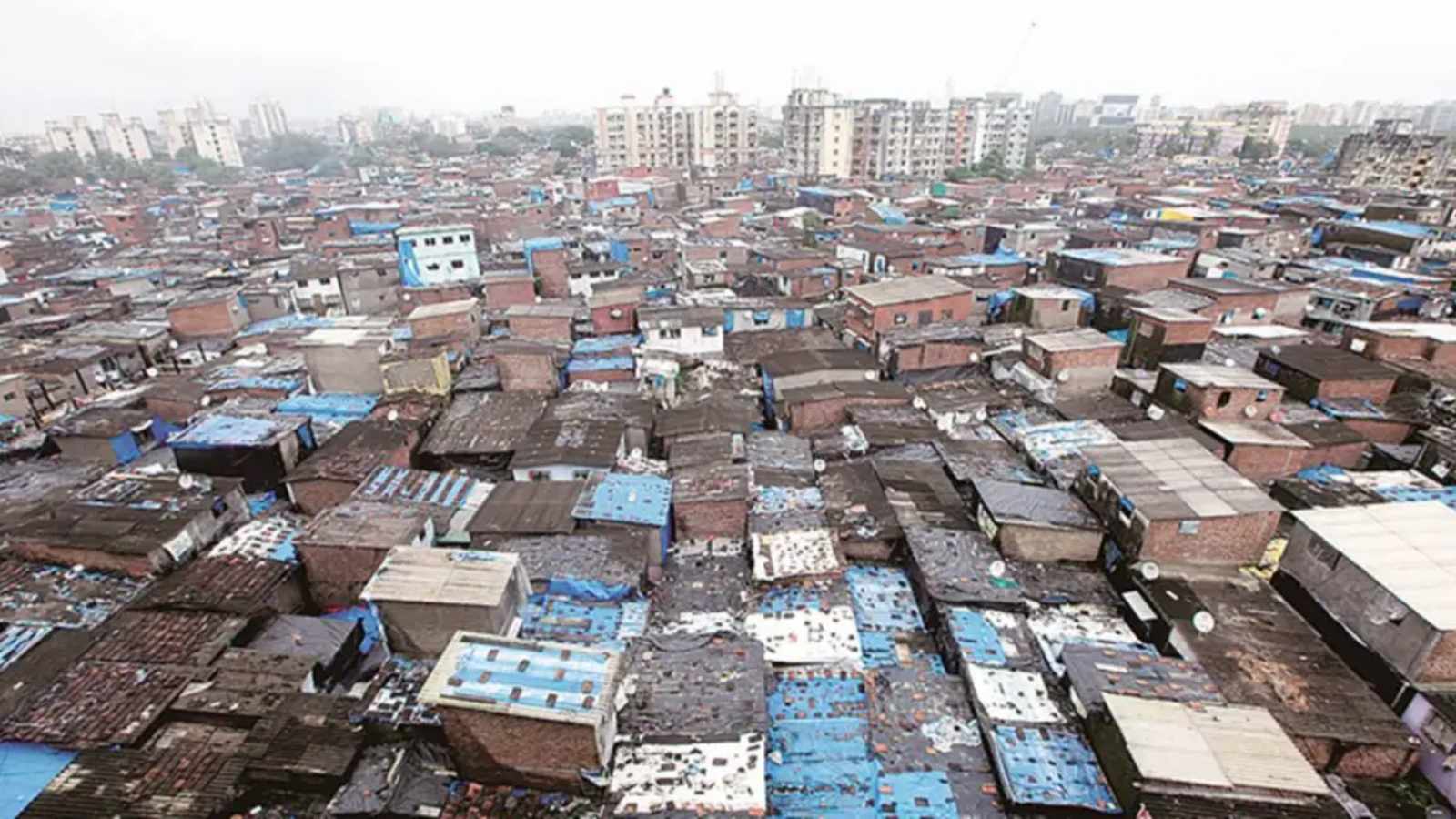
New DelhiAug 19, 2026 08:14 AM IST At present, slum rehabilitation in the Delhi is governed by the Delhi Slum and JJ Cluster Rehabilitation and Relocation Policy, 2026, which was cleared in June. (Representational image) More floors, more space to sell — Delhi’s new slum rehabilitation framework is offering private developers a bigger incentive to take up projects that have moved slowly. Under the draft Master Plan for Delhi (MPD)-2047, developers will now be allowed to build high-rises on slum land and sell a larger share of it for profit under the public-private partnership (PPP) model. Flats for all The changes come as the Delhi Assembly, last week, passed amendments to the Delhi Urban Shelter Improvement Board (DUSIB) Act, widening eligibility criteria, virtually making all slum dwellers eligible for a flat in place of their current dwelling unit. The amendments extended the cut-off date for eligible slum dwellers by 10 years, making those living in units that existed on or before January 1, 2025, eligible for rehabilitation.At present, slum rehabilitation in the Capital is governed by the Delhi Slum and JJ Cluster Rehabilitation and Relocation Policy, 2026, which was cleared in June. There are about 750 slums in Delhi. Around half are located on land owned byuniongovernment agencies, including the Railways, Land and Development Office and Delhi Development Authority (DDA), which is the nodal agency for rehabilitation of these slums. The other half is located on land owned by the Delhi government, where the nodal agency is DUSIB, which comes under the Urban Development department. Slow rehab process The rehabilitation process, however, has progressed at an excruciatingly slow pace. So far, only two in-situ projects – in Ashok Vihar and Kalkaji – have been completed, both by the DDA. Together, they have provided around 4,700 flats. Under the PPP model, developers build houses for eligible slum dwellers on part of the slum land. The remaining land is developed commercially and sold. The underlying rationale is that the developer recovers the cost of building units for slum dwellers by making profits from the “free sale” component. Since many slums are located on high value land in central parts of the city, the model was expected to work.Story continues below this ad However, DDA has struggled to attract private developers, who have cited reasons like small land parcels, difficult locations near drains and railway tracks, and frequent litigation. Previous tenders issued by DDA for PPP rehabilitation of slum dwellers have received lukewarm response from developers. Attractive PPP model The new MPD-2047 seeks to make the PPP model more attractive. The Floor Area Ratio (FAR) of both the rehabilitation and commercial component has been increased to 500. In the previous draft of MPD-2041 and MPD-2021–applicable until the new plan is notified–the residential component had a FAR of 400 and the commercial component a FAR of 300. A higher FAR means more dense construction is allowed, either in the form of larger floors or more floors.Story continues below this ad The proportion of land that can be used for commercial sale has also gone up – from 40% earlier to 60%. The minimum share of land to be used for rehabilitation has, meanwhile, fallen from 60% to 40%. “Previously, developers did not show interest in the policy. By allowing them to build more, we hope they will participate in the rehabilitation. But we have made sure it will not be at the cost of slum dwellers,” a DDA official said. According to the new plan, all eligible beneficiaries are to be accommodated at the same site, failing which they may be relocated to other feasible sites. For slums located on physically or financially unviable sites — where density constraints, land configuration or redevelopment costs make on-site rehabilitation impractical — the plan permits relocation of residents to available vacant EWS housing stock or other slum schemes. Separat



Discussion (0)