
Loading dispatches...
← Return to Newsroomgeneral
From Bengal, there are questions for the TMC and Mamata Banerjee – and the Modi-Shah BJP
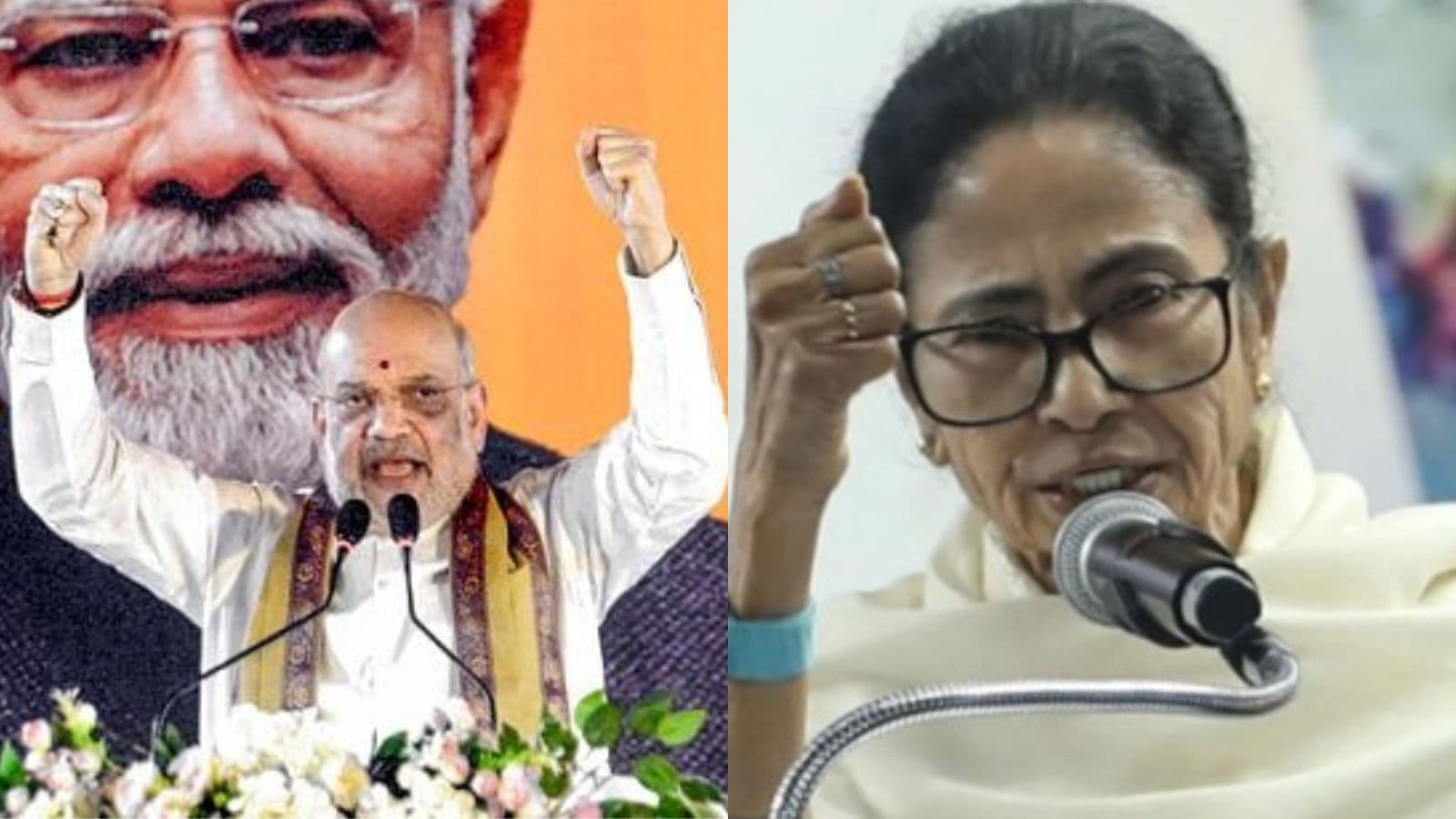
The Narendra Modi-Amit Shah BJP’s victory in West Bengal — this is the first time since 1972 that a “national” party that rules in Delhi will have won an election in the state — is unprecedented. The Congress governments in Kolkata for the first 30 years after Independence had a first-mover advantage, when power was a corollary of the single-party dominant system in a nascent democracy. The BJP in 2026 faced a formidable political force in Mamata Banerjee and the TMC: A leader with a history of slaying behemoths, not least the CPI(M), and a party system — a “syndicate” — that is enmeshed in almost every aspect of social, political, and economic life in the state.With victory in Bengal, and the return of Himanta Biswa Sarma in Assam, the NDA is now in power across east, west, and much of north India. There will, understandably, be pageantry and celebrations by the ruling party and its leaders over the next few days. Beyond the usual and beyond the electoral politics of the moment, the 2026 West Bengal election also marks a deeper inflection point for the ruling party and the Opposition. A ‘Bengali’ BJP? For the BJP, ruling Bengal will be a challenge of the kind it hasn’t faced across at least two registers. In large part, its phenomenal success across the country since 2014 has been based on tailoring its campaigns to the regional and cultural specificities of very diverse polities — from a base in Gujarat to the Hindi belt, to the Northeast, it has found a vocabulary and less recognised historical-cultural figures. A cynical extension of this has been its open-door policy for high-profile defectors, from Suvendu Adhikari to Sarma. This malleability, though, does not mean that the BJP is an “umbrella party”. Ideologically, it has been a flattening force in national politics. In Bengal, as in so many other states, its politics has relied on creating and consolidating the so-called “Hindu” vote, while demonising Muslims — whether as “Bangladeshi infiltrators” or through “love jihad”. West Bengal was the home of the militant stream of the freedom struggle, of Subhas Chandra Bose and his opposition to Gandhi and Nehru in the Congress. Since the early 20th century, it has been both part of the political mainstream and an outlier. Banerjee’s attempt at pitting Bengali identity against the BJP’s religious nationalism failed against anti-incumbency this election. Does that mean the sense of grievance and being left behind over the last half-century — and the wounded pride of once being the country’s intellectual, cultural and political centre — has evaporated? Likely not. The most urgent and difficult task for the BJP, then, is two-fold. First, to rewrite the story of a state that has long been in economic decline. Government largesse in terms of cash transfers and other welfare schemes alone cannot do this. Industrialisation, services and education — the state was once, long ago, a leader in all three. It needs to become that again. To make that happen in a sustainable and meaningful manner is the BJP’s second task. It must not simply take over the political structures of the party society left behind by the TMC. It must build state capacity outside of a cadre-government nexus. The fears that remain Over 90 lakh erstwhile voters were excluded in Bengal. Of these, the exclusion of 27 lakh in the second round – less than 2,000 had their franchise restored by the appellate tribunal — were particularly controversial. Several others went through an arduous process to ensure that their names are on the rolls. The Election Commission and the Supreme Court did not, by all accounts, do enough to make the process either transparent or foolproof, and the questions about their conduct will linger on. The scale of the BJP’s victory indicates that the deletion was not a decisive factor, though it could have helped shore up the final numbers. But beyond the legal and institutional dimensions lie deeper fears. First, the deletions raised the fear th

Discussion (0)