
Loading dispatches...
← Return to Newsroomgeneral
BREAKING: BCCIs Anti-Corruption unit flags presence of unauthorised person in IPL dugout
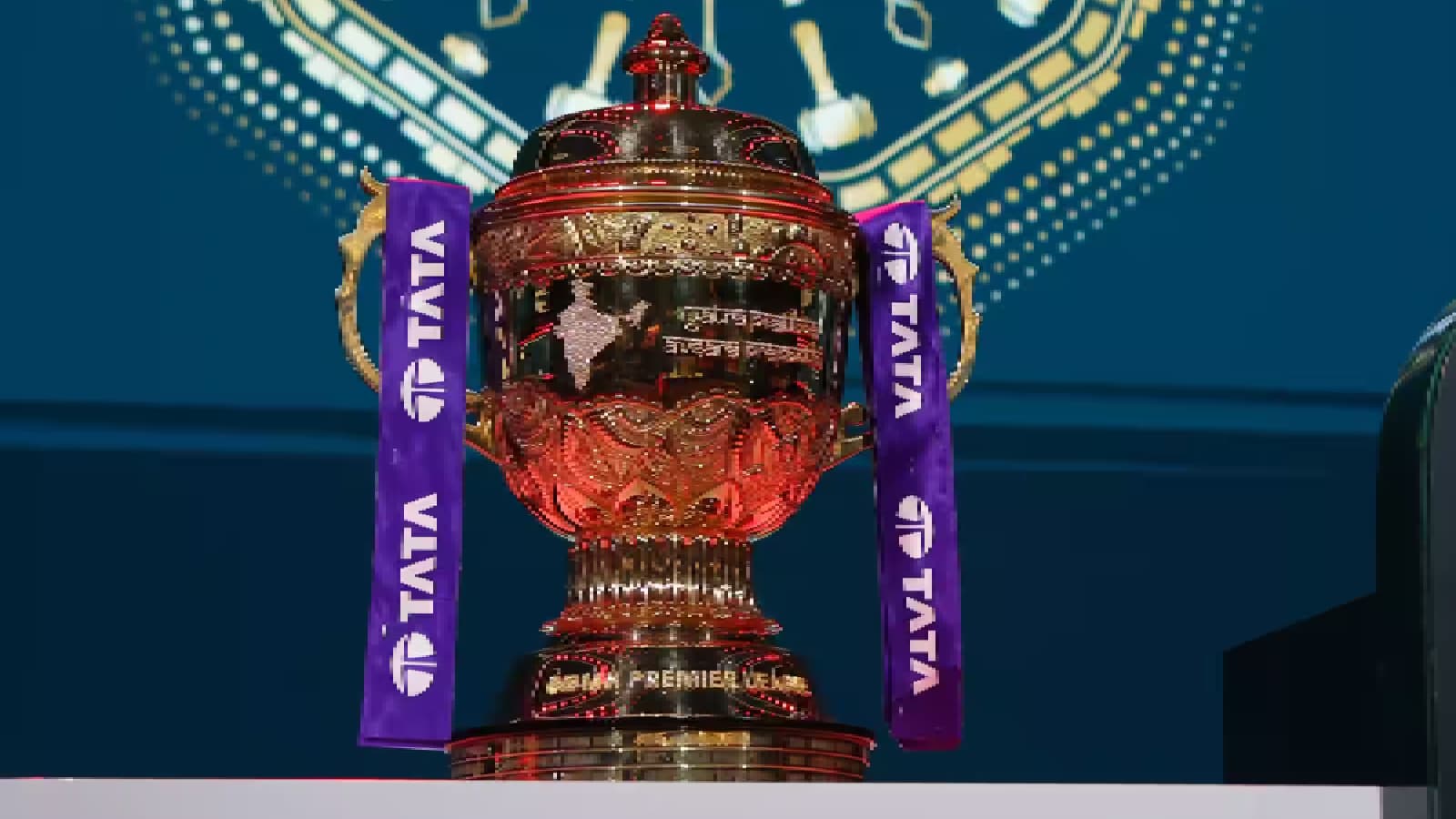
New DelhiUpdated: May 7, 2026 08:30 PM IST BCCI to take action against unauthorised persons travelling with players in IPL team buses. (FILE)The BCCI’s Anti-Corruption Unit (ACU) has flagged the presence of unauthorised persons in team dug-outs during the IPL and more transgressions that aren’t in the public domain. Based on this information, the Indian board has called a meeting of the CEOs of all franchises this weekend to remind them of the protocol in place even as it decides on the apt action against teams and individuals who have not followed the rulebook. “There are unauthorised persons travelling in team buses, in team hotels and even in the dugout area… Some people have been spotted in places where they are not supposed to,” BCCI secretary Devajit Saikia told The Indian Express.He said that norms and advisory about the conduct of players and teams have been in place since 2008 but they aren’t being followed. “People are becoming casual nowadays, We wouldn’t allow them to be casual. We are reminding them that if there’s any violation, we will not show any leniency. No one will be spared.” The former first-class player and lawyer said that they had got inputs from the ACU that was “very proactive, very prompt and very professional. Saikia said that the watchdog, headed by retired IPS officer Sharad Kumar, had provided them intelligence that was beyond the two incidents officially confirmed by the Indian board. Both cases officially acknowledged by the BCCI involve Rajasthan Royals. In the first, their manager was pulled up for using a phone in the dugout, which was against the rules. This was followed by team captain Riyan Parag’s vaping video from the dressing room going viral. After listening to the manager and captain, the BCCI had fined them. “Incidents are already in the public domain and we have already taken action,” Saikia said. The vaping probe isn’t over and more action can be expected. “We might take further action in the vaping incident that is still open… We are not sitting idle. We want everybody to know that these kinds of things will not be tolerated in the IPL or in any BCCI match,” he said. In the past, there have been serious wrongdoings by those with access to the team dugouts. The key accused in the 2013 spot-fixing case was Gurunath Meiyappan, son-in-law of then BCCI chief and Chennai Super Kings owner N Srinivasan. The probe found him to be guilty of illegal betting and providing inside information to bookies. He was banned for life from any cricket activities. Meiyappan had been a regular in the CSK dugout. Sandeep Dwivedi is the Sports Editor at The Indian Express. He is one of India's most prominent sports journalists, known for his deep analytical insights and storytelling that often goes beyond scores and statistics to explore the human and cultural side of sports. Professional Profile Role: As the Sports Editor, he leads the sports coverage for the newspaper and the website. Weekly Column: He writes "The Sports Column," a weekly feature where he provides sharp, narrative-driven perspectives on the biggest sporting news of the week. Podcast: He is a frequent contributor to the "Express Sports" podcast (Game Time), where he discusses evolving trends in cricket and other international sports. Areas of Expertise While Dwivedi covers the entire sporting spectrum, his work is particularly noted in the following areas: Cricket: He provides extensive coverage of the Indian National Team and the IPL. He frequently analyzes the leadership styles of figures like Virat Kohli, Rohit Sharma, and Gautam Gambhir. He is known for tracking the transition phases of Indian cricket and the evolution of specific players like Kuldeep Yadav and Rishabh Pant. Athletics & Olympic Sports: He has written extensively on Neeraj Chopra’s rise in javelin, the nuances of Indian shooting, and tennis legends like Sania Mirza and Leander Paes. Human Interest Stories: A hallmark of his writing is his focus
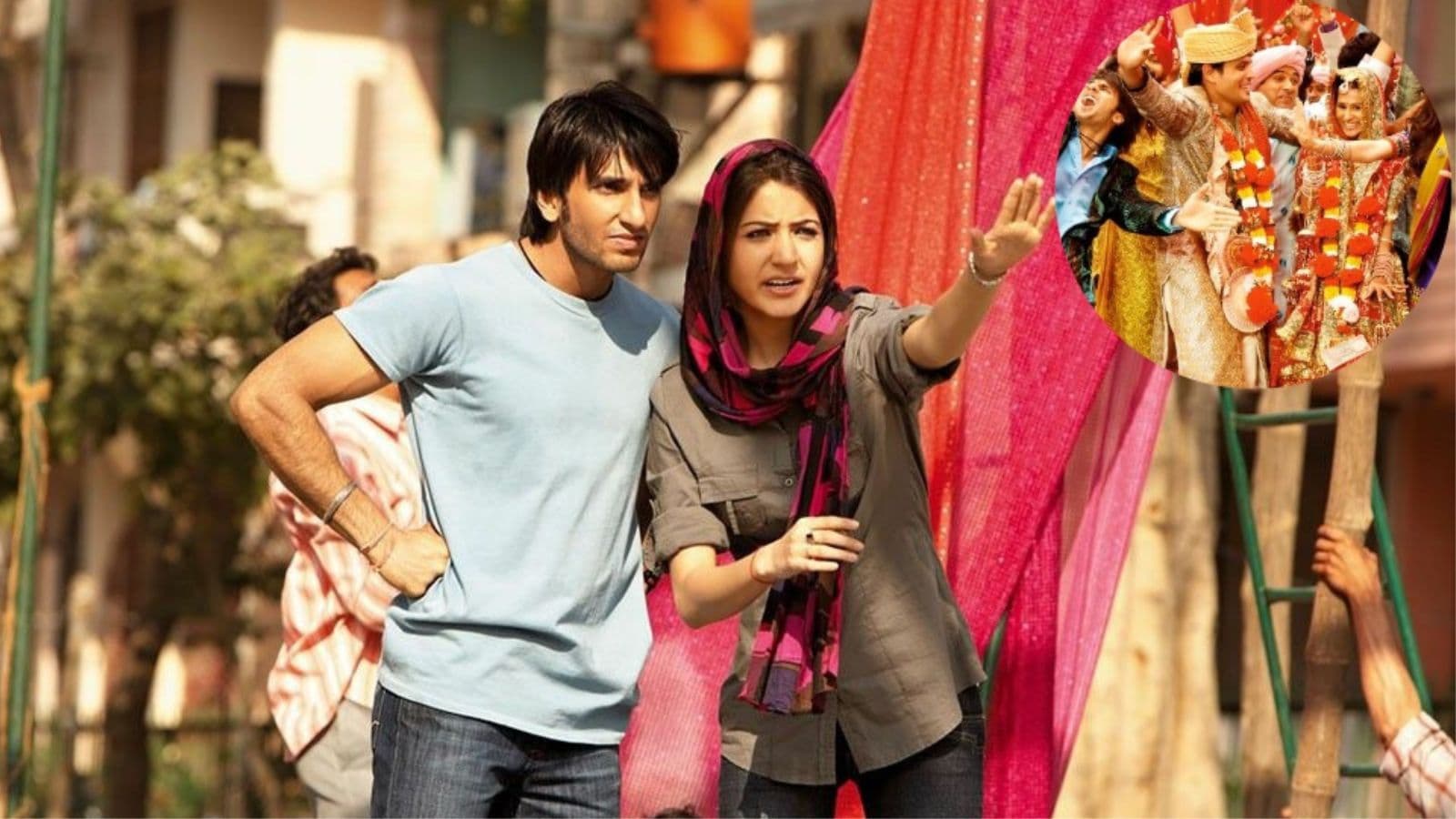
In 2010, Shruti (played by Anushka Sharma) and Bittoo (played by Ranveer Singh) in Band Baaja Baaraat spent their days navigating Delhi on a secondhand scooter, armed with notepads and sheer jugaad to build their wedding-planning business, Shaadi Mubarak. Their biggest hurdles were sourcing vendors, negotiating with them, auditioning every cook, and physically visualising decor themes that existed in their clients’ heads.If Shruti and Bittoo were launching Shaadi Mubarak today, the scooter might still be there, but the hustle would be minimal and hyper-charged by artificial intelligence.AI has introduced speed and precision into extravagant Indian weddings that were once painstakingly manual. However, the AI revolution in India’s wedding ecosystem goes far beyond using tools like ChatGPT to search for lehenga inspiration, create Pinterest-style mood boards, or finalise the menu. Indian couples are now using AI to create deeply immersive experiences like digitally recreating the presence of loved ones who are no longer alive. In a culture where the blessings of elders are paramount, couples are now using deepfake and voice-cloning technology to include deceased family members in their celebrations. Imagine a bride walking down the aisle to a personalised message recorded in her late grandfather’s recreated voice, or a family portrait where AI seamlessly integrates a lost loved one. For tech-forward entrepreneurs, applying AI to a wedding isn’t just a trend but an operational necessity. Gayatri Agrawal, founder of ALTRD, views her wedding planning through a “systems” lens. Having run an AI company, she had an “AI-first ” approach to her wedding by default. “A wedding has a lot of moving parts, and I saw it as another system that could be optimised,” Agrawal tells indianexpress.com. She notes that AI’s greatest gift is visualisation without the overwhelm. For her, a tool like Nano Banana was a lifesaver, allowing her to match jewellery with outfits that weren’t physically in the same room. AI not for emotional choices However, Agrawal draws a firm line at the “heart” of the event. She suggests that while AI should handle the “backend ops” and coordination to save time, the emotional choices must remain human. “I didn’t use AI for decision-making… I didn’t want to over-optimise something that’s meant to be felt,” she shares. “I’d definitely recommend it, but with boundaries. Use AI for backend ops, coordination, visualisation, anything that saves time. But for moments, choices, and emotions, be fully present,” Agarwal says.Story continues below this ad If early AI tools focused on inspiration and visualisation, a new wave of platforms is tackling the most stressful part of Indian weddings: execution. Prakhar Jain, co-founder and CEO of Envito AI, positions his product as something fundamentally different from traditional planning tools. His AI assistant, Nayna AI, is designed to handle the “guest experience layer” of weddings, essentially acting as a central intelligence system that operates over WhatsApp. “In Indian weddings, stress does not come from creating plans. It comes from executing them across hundreds of guests, multiple functions, and constant moving parts,” Jain explains. Jain says that Nayna AI functions as a conversational assistant for guests. It responds instantly to queries, manages requests, and routes them to the appropriate organisers through a ticketing system. Guests can ask about travel, outfit suggestions, or event details, and receive real-time answers. Jain says the system also collects RSVPs, manages arrivals and departures, coordinates room allocations and pickups, and sends targeted updates based on guest segments. “Couples are no longer coordinating hundreds of micro-decisions,” Jain says. “Nayna AI executes them.”Story continues below this ad According to Jain, Envito AI has been deployed across more than 150 events, serving over 43,000 guests in collaboration with 30-plus wedding planners in just
New DelhiMay 6, 2026 02:50 PM IST The court noted that it had earlier directed an inquiry to examine allegations of private practice by doctors at Moti Lal Nehru Medical College, but no report was submitted. (AI-generated image)Allahabad High Court news: The Allahabad High Court has issued strong directions to the Uttar Pradesh government over the functioning of Moti Lal Nehru Medical College and its attached Swaroop Rani Nehru Hospital, flagging serious concerns over government doctors engaging in private practice and running a “parallel medical industry” in Prayagraj. Justice Rohit Ranjan Agarwal directed the state government to set up a high-level enquiry against all the doctors allegedly indulging in private practice in the Moti Lal Nehru Medical College. Justice Rohit Ranjan Agarwal heard the matter on May 4.“The Professors, Associate Professors and Lecturers are practicing in private nursing homes and are running a parallel medical industry in the city of Prayagraj. These doctors are performing surgery and keeping the patients in private set up, who are transferred from the Swaroop Rani Nehru Hospital,” the Allahabad High Court noted in its order dated May 4. Ordering a probe into the matter, the court said, “Let the matter be placed before the Chief Secretary, Government of UP, Lucknow, who shall take appropriate action against all these defaulting persons and set up a high level enquiry against all the doctors who are indulging in private practice in the Moti Lal Nehru Medical College”. ‘Medical fraternity failing object of government’ Hearing a public interest litigation (PIL), the Allahabad High Court observed that despite funding and infrastructure support from the state, the condition of the Swaroop Rani Nehru Hospital attached to the Moti Lal Nehru Medical College has deteriorated. Noting that the functioning of the Rajkiya Nirman Nigam Limited is pathetic, the court said it was unable to understand why for the last 20 years, the construction of two floors of the Cardiology Department of the Swaroop Rani Nehru Hospital, attached to the Moti Lal Nehru Medical College, could not be undertaken by the body. The issue came into focus after the court was informed about a First Information Report (FIR) lodged recently against an associate professor of the medical college and his wife. According to the information placed before the bench, the doctor is allegedly running a private nursing home. The condition of the Moti Lal Nehru Medical College and the attached Swaroop Rani Nehru Hospital has deteriorated not due to a shortage of funds or amenities by the government, but “it is the medical fraternity who is failing the object of the Government,” the Allahabad High Court remarked. The court noted that pursuant to its earlier order, an inquiry had been instituted and the district magistrate, Prayagraj, was directed to examine allegations of private practice by doctors serving as professors, associate professors and lecturers at the medical college. However, it observed that no report has been submitted so far. The court further remarked that the present case reflects the deteriorating state of Swaroop Rani Nehru Hospital, as doctors appear disinclined to retain patients within the government facility and instead prefer to have them treated in their private establishments. Stating that the matter is “becoming murkier day by day, the Allahabad High Court said the present case reveals the poor condition of the Swaroop Rani Nehru Hospital. Directions Taking note of the gravity of the situation, the bench directed the Chief Secretary of Uttar Pradesh to intervene and initiate a high-level inquiry into the matter. The Allahabad High Court has also directed the chief secretary to monitor the progress of the various construction activities that have been going on for the last 20 years in the Swaroop Rani Nehru Hospital, which till date has not been completed despite the funds having been released by the government.
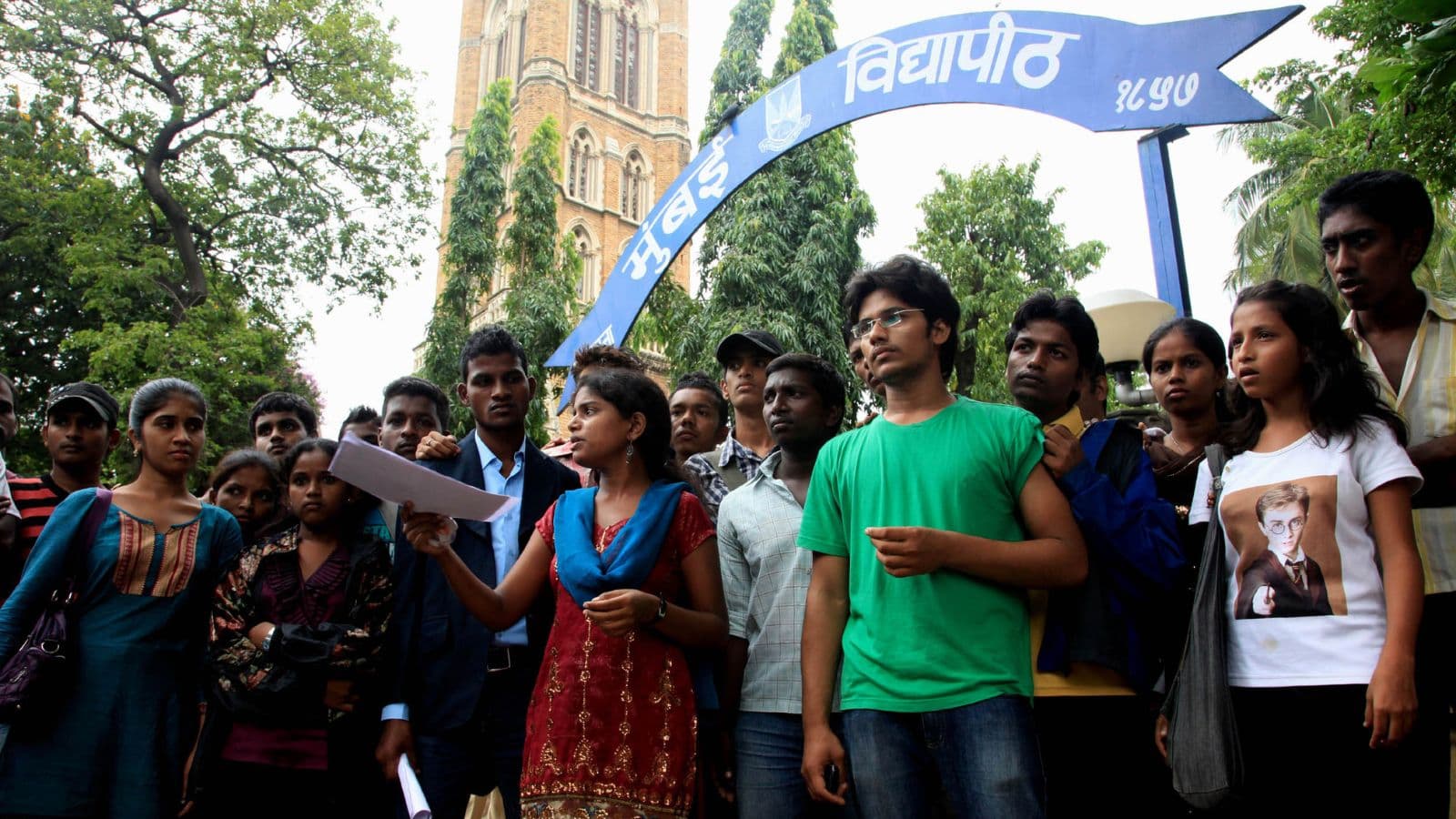
New DelhiMay 5, 2026 10:56 AM IST Students are required to register at the university's dedicated admissions portal — muugadmission.samarth.edu.in — which will go live on May 6 at 11 am. (Representational Image/Express Photo by Kevin D Souza)The Mumbai University has released the admission schedule for the academic year 2026–27 for students seeking entry into undergraduate programmes at affiliated colleges, autonomous institutions, and university departments across the city and its suburbs. The pre-admission online registration window opens on May 6 and closes on May 21, 2026, at 1 pm Students are required to register at the university’s dedicated admissions portal — muugadmission.samarth.edu.in — which will go live on May 6 at 11 am. Registration is mandatory for all students seeking first-year admission to non-professional degree courses.The admissions process is being conducted in alignment with the National Education Policy (NEP) 2020 and the Maharashtra government’s gazette notification of April 20, 2023, which restructured undergraduate education into three-year degree programmes, four-year Honours and Honours with Research options, and five-year integrated programmes with multiple entry and exit points. Mumbai University 2026: Key dates Date Event Details May 6 Registration & applications open Portal live at 11:00 a.m. | In-house & minority quota admissions begin May 21 Registration & applications close Deadline at 1:00 p.m. May 26 First merit list Released at 11:00 a.m. May 27–29 Document verification & fee payment (Round 1) Deadline 3:00 p.m. on May 29 May 30 Second merit list Released at 7:00 p.m. Jun 1–3 Document verification & fee payment (Round 2) Deadline 3:00 p.m. on June 3 Jun 4 Third merit list Released at 7:00 p.m. Jun 5–9 Document verification & fee payment (Round 3) — Jun 13 Classes begin / Orientation day Academic year 2026–27 commences “All admissions and academic activities for first-year degree courses will be governed by the provisions and guidelines issued by the Maharashtra government, Mumbai University, and the UGC from time to time.” — Dr Pooja Roundale, Director, Board of Examinations and Evaluation. Online registration is compulsory for students applying to a sweeping range of programmes — from the conventional BA, BSc, and BCom to specialised offerings such as BSc Data Science, BSc Forensic Science, BSc Aeronautics, BSc Nautical Science, BA (Film, Television and New Media Production), Bachelor of Culinary Arts, and BPA in Music and Dance, among many others. Integrated five-year courses including BMS–MBA and B.Sc. Bioanalytical Science are also part of the centralised process. Dr Roundale also clarified that admissions to the BMS programme under AICTE will follow a separate timeline, contingent on the results of the entrance examination conducted by the CET Cell. All affiliated colleges and autonomous institutions have been directed to adhere strictly to the published schedule, factoring in their individual intake capacities, reservation policies, and course eligibility criteria.
In a marked shift over the past few years, Indian students seeking medical education abroad are increasingly turning to a new set of destinations, driven by regulatory changes at home and geopolitical disruptions overseas. Education consultants and institutional data suggest that countries such as Georgia, Uzbekistan, Kazakhstan, Egypt and Vietnam have emerged as the top five preferred options for Indian students pursuing MBBS degrees abroad in 2026. This evolution reflects both opportunity and constraint. Prior to 2021, destinations such as Philippines, Russia and Ukraine dominated the landscape, offering relatively affordable education and established pathways for Indian aspirants. However, the onset of the Russia Ukraine war significantly disrupted student mobility, particularly in Ukraine, where thousands of Indian students were enrolled at the time. Simultaneously, regulatory changes introduced by the National Medical Commission through its updated gazette added further complexity. The new rules, aimed at standardising foreign medical education pathways, imposed stricter requirements on course duration, internship structures and licensing eligibility. For many institutions in previously popular destinations, aligning with these requirements has proven challenging, creating uncertainty for prospective students. Against this backdrop, emerging destinations are gaining traction for a combination of affordability, infrastructure and regulatory alignment. Georgia has positioned itself as a European education hub with English medium programmes and relatively moderate costs. Universities here emphasise clinical exposure and international recognition, attracting students seeking a balance between quality and accessibility. Uzbekistan, with institutions such as the Fergana Medical Institute of Public Health, has seen rapid growth in Indian enrolments. Lower tuition fees, simplified admission processes and increasing efforts to align with Indian regulatory standards have made it particularly appealing. More details about programmes can be explored at www.fmioph.uz. Kazakhstan continues to offer a strong legacy of medical education rooted in Soviet era systems, with improved infrastructure and English medium instruction. Its geographical proximity to India and comparatively lower living costs remain key advantages. Egypt has re-emerged as a competitive option, combining historically reputed universities with updated curricula designed to meet international benchmarks. The country’s government has also actively engaged in attracting foreign students. Vietnam, a relatively newer entrant in this space, is gaining attention due to its growing education sector, stable environment and cost effective programmes. While still developing its international student ecosystem, it is increasingly being considered by Indian aspirants. Education facilitators have also expanded their digital outreach. Platforms such as www.tsmu.co.in provide structured guidance on university options, admission processes and compliance with Indian regulations, reflecting a broader trend toward informed decision making. Industry observers note that while accessibility remains a key driver, the decision to study medicine abroad has become more nuanced. Students and families are now weighing factors such as regulatory compliance, long term career prospects and adaptability to unfamiliar environments more carefully than before. Dr Nash Swamidass, founder of Perfect Scholar, emphasises that the decision extends beyond rankings or cost considerations. “Choosing the right country and the right college is critical. Each student must be understood individually, including their aspirations, financial capacity, ability to adapt to different climates and long term career plans. These variables cannot be generalised,” he says. He adds that structured guidance can play a decisive role. “With the complexity of regulations and the diversity of options available today, students benefit from working with experienced advisory platforms that can align opportunities with individual needs.” As global education patterns continue to evolve, Indian students appear to be recalibrating their choices with greater caution and clarity, signalling a more strategic approach to medical education abroad.

Discussion (0)