
Loading dispatches...
← Return to Newsroomgeneral
Fearless birds that hunt deadly snakes
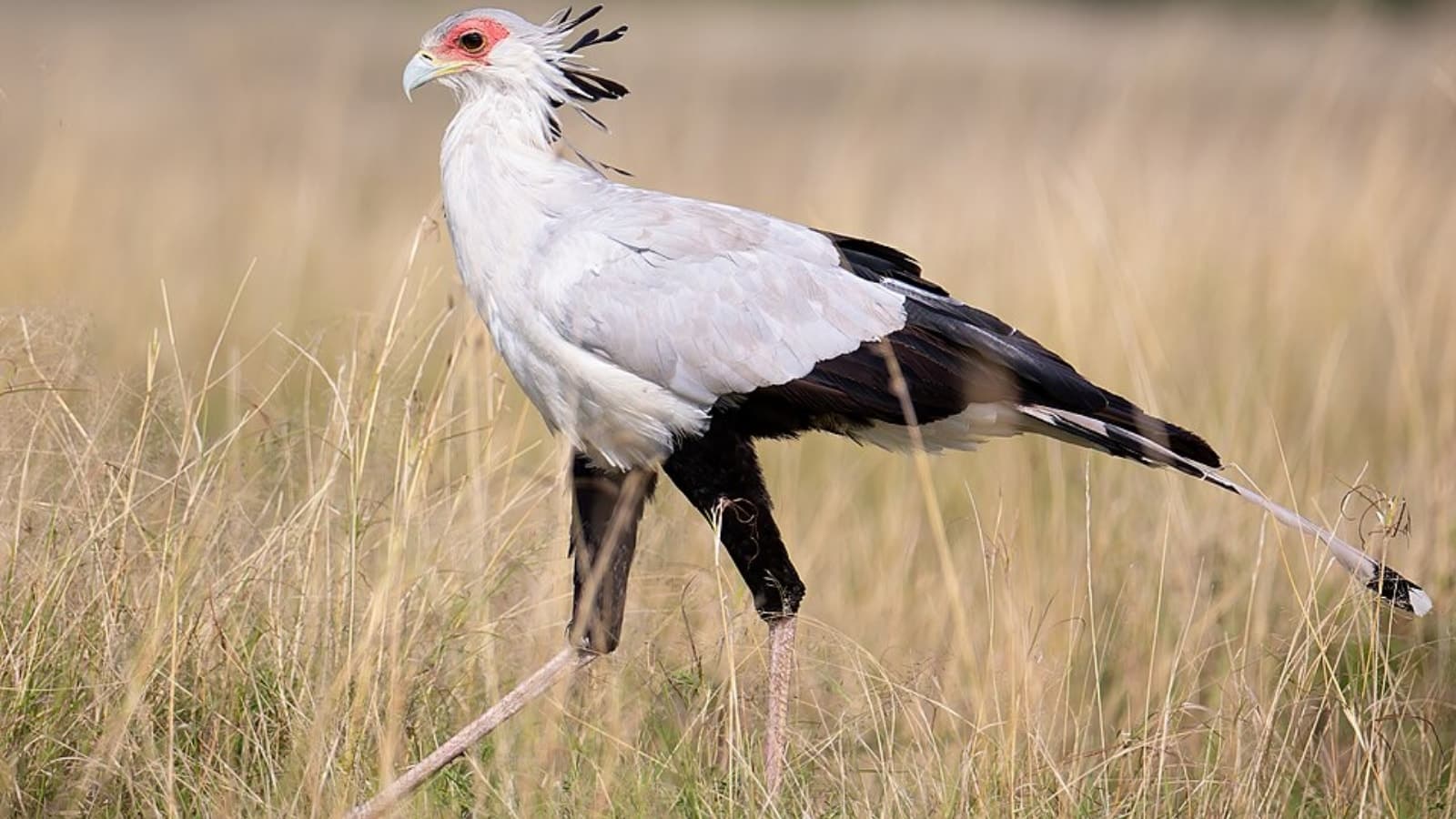
Venomous snakes rank among nature’s most feared predators, but in the wild, even deadly serpents are not always at the top of the food chain. Across forests, grasslands, deserts, and wetlands, several bird species have evolved remarkable hunting skills that allow them to attack and consume highly venomous snakes. Using sharp talons, powerful beaks, lightning-fast reflexes, and aerial precision, these birds play a crucial role in maintaining ecological balance by controlling snake populations.Here are some of the most fascinating birds known for hunting deadly snakes. Secretary Bird Native to the savannas of sub-Saharan Africa, the secretary bird is perhaps the world’s most famous snake hunter. Unlike most birds of prey, it hunts mainly on foot, using its long legs to stomp snakes with immense force. The bird is known to attack dangerous species such as cobras and puff adders with astonishing speed and precision. Crested Serpent Eagle Found across India and Southeast Asia, the crested serpent eagle specialises in hunting reptiles, particularly snakes. With keen eyesight and powerful talons, it swoops down from tree perches to capture prey. It is often spotted carrying snakes back to its nest. An adult brown snake eagle (Photo: Wikipedia)Snake Eagle Several species of snake eagles, especially the short-toed snake eagle, are renowned reptile hunters. Found in parts of Europe, Africa, and Asia, these raptors hover high above open terrain before diving onto snakes. Thick scales on their legs help protect them from bites. Roadrunner Popularly known through cartoons, roadrunners are surprisingly fierce predators in real life. Found in the deserts of the United States and Mexico, they hunt small snakes, lizards, and scorpions. They use rapid strikes and repeated blows against rocks to subdue prey.Story continues below this ad Laughing falcon (Photo: Wikipedia)Laughing Falcon Nicknamed the “snake hawk,” the laughing falcon is a specialised snake hunter found in Central and South America. It feeds heavily on venomous snakes, including coral snakes and pit vipers. Its strong hooked beak helps sever the snake’s spine before consumption. Great Horned Owl One of North America’s most powerful nocturnal predators, the great horned owl occasionally hunts snakes, including venomous rattlesnakes. Silent flight and powerful talons make it an effective ambush predator after dark. White-Bellied Sea Eagle This large raptor, commonly seen near coastlines and wetlands across Asia and Australia, feeds on fish, reptiles, and water snakes. It often snatches snakes directly from the water using its powerful claws.
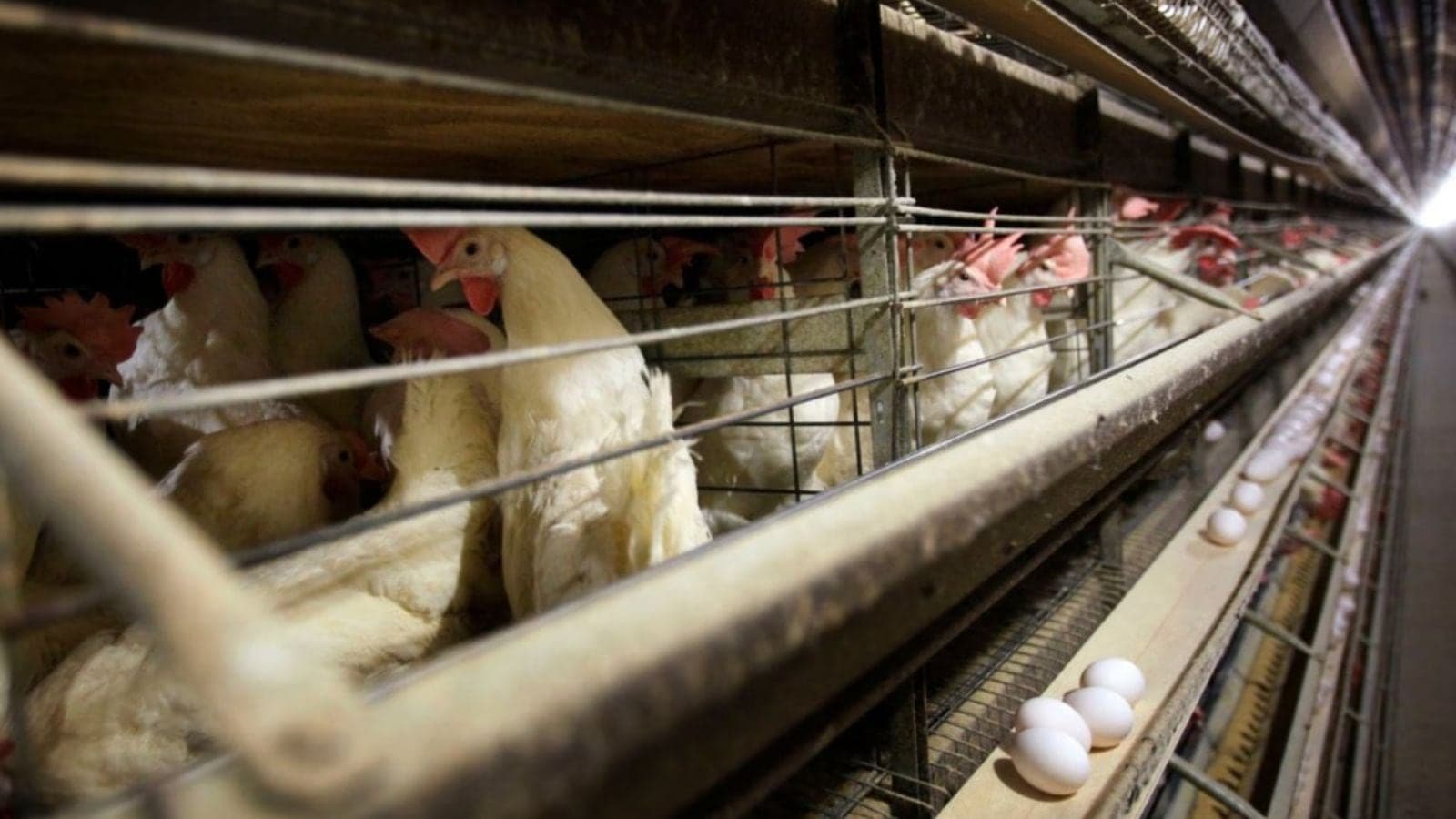
As Navapur in Maharashtra’s Nandurbar district battles its third major bird flu outbreak in two decades, authorities are ramping up surveillance, culling operations and hospital preparedness amid fears over the H5N1 virus’s potential to infect humans.While the disease primarily affects birds, health experts say certain strains of the virus, especially H5N1, can occasionally infect humans and cause severe illness. Though human-to-human transmission remains rare, the virus continues to worry scientists globally because of its ability to mutate.Bird flu, also called avian influenza, is a viral infection that mainly affects birds such as chickens, ducks and wild birds. Some strains, especially H5N1, can sometimes infect humans. How does bird flu infect humans? “Bird flu can infect humans through close contact with infected poultry, contaminated surfaces or during culling operations. People handling infected birds are at higher risk, which is why surveillance and early treatment are critical,” says Dr Vinay Sonewane. Human infection generally occurs through direct contact with infected birds, their saliva, droppings, feathers, or contaminated environment such as poultry farms and live bird markets. The virus may enter the body through the eyes, nose or mouth, or through inhalation of contaminated droplets and dust particles. Unlike seasonal influenza, bird flu viruses do not spread easily between humans. This limited human-to-human transmission has so far prevented large outbreaks among people. Those at highest risk include poultry workers, veterinarians, transporters, and workers involved in culling infected birds.Story continues below this ad What happens when humans are infected? As Dr Sonewane says, “Once inside the body, the virus mainly attacks the respiratory system. Initial symptoms may resemble common flu, including fever, cough, sore throat, muscle pain, fatigue and breathing difficulty.” However, doctors warn that the infection can worsen rapidly. Severe bird flu cases may lead to pneumonia, where the lungs become inflamed and filled with fluid, severely affecting oxygen supply. Some patients may develop acute respiratory distress syndrome (ARDS), a life-threatening condition requiring ventilator support and intensive care. Experts also warn of an excessive immune reaction known as a “cytokine storm”, where the body’s immune system begins damaging healthy tissues and organs while trying to fight the infection. In rare cases, bird flu may affect multiple organs, leading to kidney failure, liver dysfunction, or neurological complications. What about treatment? Treatment involves antiviral drugs such as oseltamivir (Tamiflu®), zanamivir (Relenza®), or peramivir (Rapivab®) to reduce severity and mortality. The effectiveness is highest when treatment begins within 48 hours of symptom onset.Story continues below this ad Why are scientists concerned despite limited human cases? The biggest concern among scientists is the virus’s ability to mutate. At present, strains such as H5N1 do not spread efficiently between humans. But influenza viruses are known to evolve rapidly. If the virus acquires mutations that enable sustained human-to-human transmission, experts warn it could potentially trigger a pandemic. This risk is particularly significant in areas with dense poultry farming and frequent human-animal interaction. Farmers have repeatedly sought permission to vaccinate chicks against avian influenza but it is not currently allowed in India, even though it is used in some other countries. Arief Balesaria (63), owner of the farm and president of the Navapur Poultry Association, says the “vaccination is permitted for the low-pathogenic H9N2 avian influenza, which costs around Rs 3.50 per dose and requires two doses, first at 14 days and the second about six weeks later. If an effective vaccine for H5N1 were available, lakhs of birds would not have to be culled.” However, as per a 2025 Government of India statement, vaccines are c
Updated: May 3, 2026 10:49 AM IST The clever little white-eye bird that outwitted a crafty Manipuri tomcat is just one of the many unforgettable characters populating the folk tales of "Voices in the Wind." A clever little white-eye bird that outwitted a crafty tomcat, a Manipuri cat with yellow-green eyes. A little girl in Kumaon who transforms into a bird to escape her mother’s unjust beatings and whose plaintive cries protesting her innocence still reverberate across the hills. A beautiful waterfall in the Khasi Hills called the Leap of Ka Likai after a young mother, whose daughter was killed, jumped off the precipice.For a long, long while, the Himalaya have nestled stories and fables of people, animals and spirits within its formidable folds. Stories that have floated on the mountain breeze, flowed down its sparkling streams and echoed among its rugged ridges. Stretching over 2,900 kms, the youngest mountains in the world have preserved old stories and ancient traditions that are as diverse as the region it spans. The stories may vary but common themes and images thread and connect the mountain range, infusing them with a familiar spirit. The folk tales from these mountains are dotted with trees and flowers, rivers and ridges, birds and animals. Some have a moral, others carry a message, each is imbued with wisdom. The oral tradition has ensured that the stories are passed on from generation to generation and in each retelling, some things change while others remain the same.What endures though is that community remains at the centre of these tales. Informal map to the mountains From the people who make up a community to the spirits that connect the past to the present, the collection of stories that make up Voices in the Wind: Folk Tales, Folklore and Spirit Stories from the Himalaya, is almost an informal map to the mountains, its stories their signpost. Edited by author Namita Gokhale, whose works include Himalayan studies and mythologies, and Malashri Lal, a retired professor of English at Delhi University, the collection has contributions from over thirty-five storytellers and scholars. Original woodcut prints by the artist Nalinakshya Talukdar liven the collection.Story continues below this ad The stories are distributed over four sections: The Western Himalaya that includes Jammu, Kashmir and Ladakh; Central Himalaya that spreads over Himachal Pradesh and Uttarakhand; Central-Eastern Himalaya, from Bhutan, Sikkim and North Bengal; North-Eastern Himalaya, expanding from Arunachal Pradesh, Assam, Manipur, Meghalaya to Mizoram, Nagaland and Tripura. Portal to unfamiliar cultures Some of the stories from Voices in the Wind may be familiar to some, while others are not so well known outside their region — tales of the Balti community are a case in point. Partition in 1947 and the War in 1971 left families divided, the scars of which were imprinted on the community’s identity, culture and language. Stories in this collection, including Amo-Dalmo Ju: The Story of an Ibex Mother, capture the vibrancy of the culture of Baltistan. Occasionally folk tales may appear simplistic with their uncomplicated plot lines and the usual tropes of a creature turning into a prince but the message they enunciate isn’t. It’s the promise and power of transformation that lies at its core. So, in the spectacular isolated reaches of Ladakh, the land of high passes that stands at a crossroads of cultural and religious exchange, the story of the Snake Prince of Ladakh is recounted by parents to their children, gathered together on cold, winter nights made warm by the transformative power of love and hope. From Himachal Pradesh and Uttarakhand in the Central Himalaya come riveting tales where the natural and the supernatural meet and part. Women form an integral part of these stories, either in their human form or in the form of spirits.Story continues below this ad As old folk lores acquire new layers and meaning with the years, so do



Discussion (0)