Why havent these birds left yet? Thousands of migratory waders are still in Mumbais wetlands
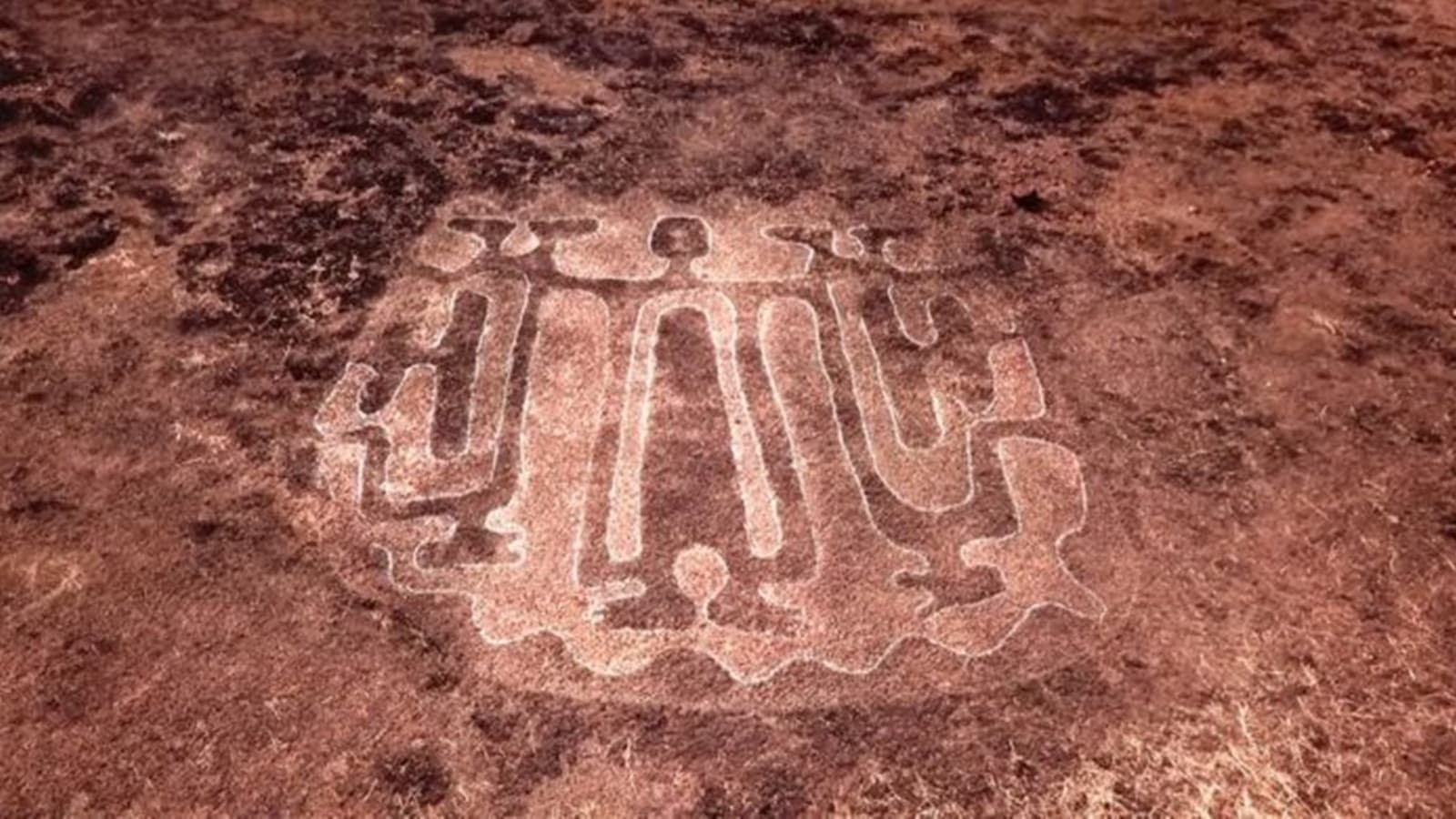
The Maharashtra government is making technology meet archaeology by using Artificial Intelligence (AI) to scientifically analyse, classify and interpret the origin and cultural etymology of thousands of prehistoric petroglyphs scattered across the Konkan region, a move that could significantly strengthen India’s bid to secure UNESCO World Heritage status for these ancient sites.The state government has allocated Rs 15 crore for this project, which is estimated to take four years.Petroglyphs are stone carvings of animal figures or humanoids, found in the lateral plateau regions across Ratnagiri and Sindhudurg districts of coastal Maharashtra. The carvings mainly comprise figurines, including turtles, elephants, peacock and rhinoceros. These were discovered throughout a series of expeditions and excavations carried out between 2017 and 2023. According to archaeologists and experts, the origin of these carvings ranges between 20,000 BC and 10,000 BC and is older than the Harappan civilization whose earliest phase dates back to 7,000 BC-5,000 BC. The carvings have an average size of 50 square metres by 20 square metres. Tejas Garge, director at Directorate of Archaeology and Museums, Government of Maharashtra, said that these carvings cover a total area of 150 square kilometres spread across 107 villages in the Konkan region. In 2025, these structures were added to the temporary list of UNESCO world heritage sites in India. However, permanent status is yet to be granted. The state government has now appointed IIT Pravartak — the technology innovation hub of IIT Madras — for carrying out a digital assessment and documentation of these petroglyphs. “These petroglyphs are the earliest evidence of art in the Indian context on such a large canvas. The figurines clearly depict the cognitive ability of human beings to visualise nature and replicate them in the form of these carvings,” Garge told The Indian Express.Story continues below this ad Garge said that among the carvings discovered, there was none depicting horse or bull. It appeared uncanny to the experts initially, since bulls an horses are common in the pre-historic drawings and art forms in the Indian sub-continent where horses arrived between 1,500 and 1,000 BC, while agriculture was introduced during the 9,000 BC, he said. The petroglyphs were discovered in 2007 by a group of people from Ratnagiri led by local resident Sudhir Risbud (52). (Photo: Directorate of Archaeology and Museums, Maharashtra)“The absence of horse figurines indicated that the carvings were created during the pre-historic era and the absence of bulls established that they were created during the pre-agricultural era. Therefore, it became clear to us that the origin of these carvings dates back to the Mesolithic era or the middle stone age period,” Garge added. Archaeology meets technology The petroglyphs were discovered in 2007 by a group of people from Ratnagiri led by local resident Sudhir Risbud (52). In 2021, Risbud, through a non-profit body Nisarga Yatri, secured funding from the Department of Science and Technology (DST) for documenting these figurines. More than 150 villages were surveyed in the Konkan belt where petroglyphs were found in 107 villages. The initial survey involved photographing the structure and recording the locations and their size. “We started identifying these carvings from 2012 by using our own funds and till date have been able to find out 3,000 such figurines. They are huge in size therefore manual documentation is not possible. High-end drone cameras are needed to carry out proper documentation of these carvings,” Risbud told The Indian Express.Story continues below this ad Now the state has appointed the IITM Pravartak for a scientific assessment of each of these figurines. Speaking with The Indian Express, Shankar Raman, CEO of IITM Pravartak, said that one of the key objectives of the assessment will be to find out the cultural etymology of these carvings. Usually, the