
Loading dispatches...
← Return to Newsroomgeneral
From allies to uneasy partners: BJP-Sena friction marks Mahayutis first 100 days in BMC
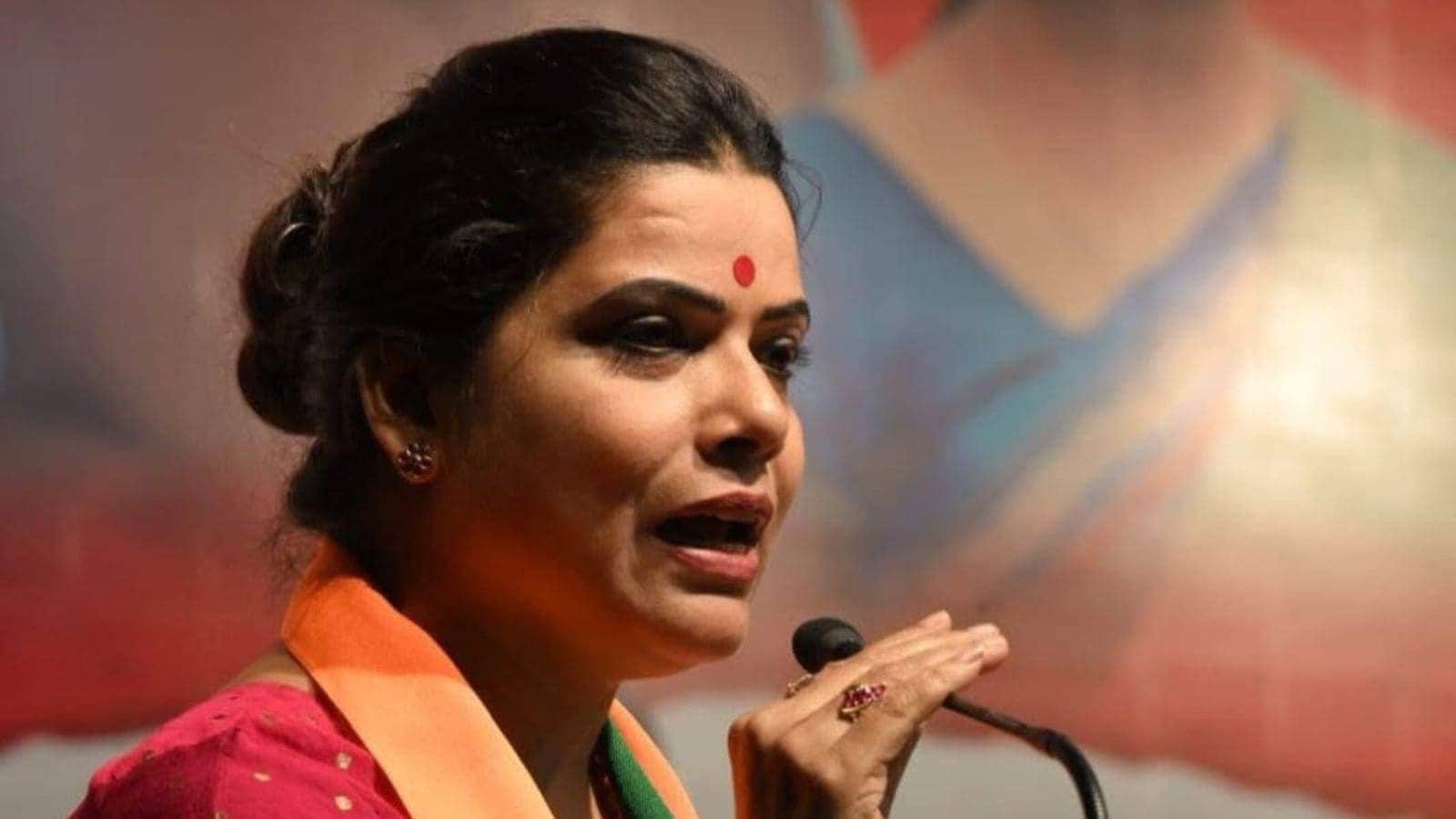
Come Friday, the general body of elected representatives in the Brihanmumbai Municipal Corporation will complete 100 days in office. Nearly 100 days after elected representatives returned to the BMC following a four-year administrative rule, the BJP-led Mahayuti’s first stint in control of India’s richest civic body has been marked as much by internal friction and political embarrassment as by governance decisions, from controversies surrounding Mayor Ritu Tawde and open cracks within the BJP-Shiv Sena alliance to an embarrassing defeat on the floor of the civic house and cancellation of over Rs 1,100 crore worth of tenders.Disrupting the undivided Shiv Sena’s three-decade long control over the mayoral seat, BJP’s Ritu Tawde, a corporator from Ward 132 in Ghatkopar, took charge as Mumbai Mayor on February 11. However, Tawde’s tenure has been fraught with challenges, with the Mayor finding herself embroiled in multiple controversies. The first controversy erupted as early as February when speculation over a high end luxury brand watch on the Mayor’s wrist went viral on social media. As the allegations escalated, Tawde clarified that it was a watch gifted by her children and cost no more than Rs 15,000 to Rs 16,000. Another controversy broke out in March when red and blue flasher lights mounted atop the Mayor’s vehicles raised eyebrows on social media and among the Opposition. In 2017, the Union Cabinet had amended Motor Vehicles rules and banned red beacons on government vehicles in a move aimed at ending VIP culture. However, as flasher lights on Tawde’s official vehicle surfaced online, the Opposition led by former Mayor and senior UBT leader Kishori Pednekar accused the Mayor of violating norms introduced by her own party. As the matter escalated, Chief Minister Devendra Fadnavis came to Tawde’s defence. The BMC later removed the flasher lights and covered the designation plaque on the Mayor’s escort vehicle.Story continues below this ad A fresh controversy erupted in April over Tawde’s comments at a Mahavir Jayanti event in Borivali where she spoke about recovering from a chronic throat ailment with the help of a Jain godman. Amid allegations of promoting superstition, Tawde later clarified that her comments had been misunderstood and were merely references to her faith. More recently, Tawde faced criticism after a Rs 3 crore proposal to renovate the Mayor’s bungalow drew flak from the Opposition. Tension in the alliance Over the past few months, signs of tension within the ruling Mahayuti alliance have surfaced amid an open tussle between the Shiv Sena’s Deputy Mayor and the Mayor. During a recent inspection of pre-monsoon preparedness works, Deputy Mayor Sanjay Ghadi openly stated that the Mayor had not informed him about her site inspection of drains the previous day.Story continues below this ad Speaking to The Indian Express, Ghadi said that while there are no fixed rules, it is customary for the Mayor and Deputy Mayor to conduct joint visits. “However, the Mayor did not inform me of her visits. I don’t know the reason behind it,” Ghadi said. Earlier, tensions had also surfaced after Shiv Sena leader Amey Ghole wrote to former civic chief Bhushan Gagrani alleging violation of protocol after the Deputy Mayor was seated on the fourth chair in the absence of Mayor Ritu Tawde during the launch of the Mumbai Clean League initiative. Loss on the civic body’s floor On April 29, the ruling administration tabled a proposal to hand over a 30,000 square metre BMC owned plot to a private real estate developer.Story continues below this ad The proposal was introduced as an urgent bill, requiring three fourths support in the House for clearance. At the time of voting, 119 members were present, including 61 from the ruling alliance and 58 from the opposition. Since the proposal required 90 votes for approval and the entire Opposition voted against it, the ruling alliance failed to secure passage of the bill. What followed was the BJP
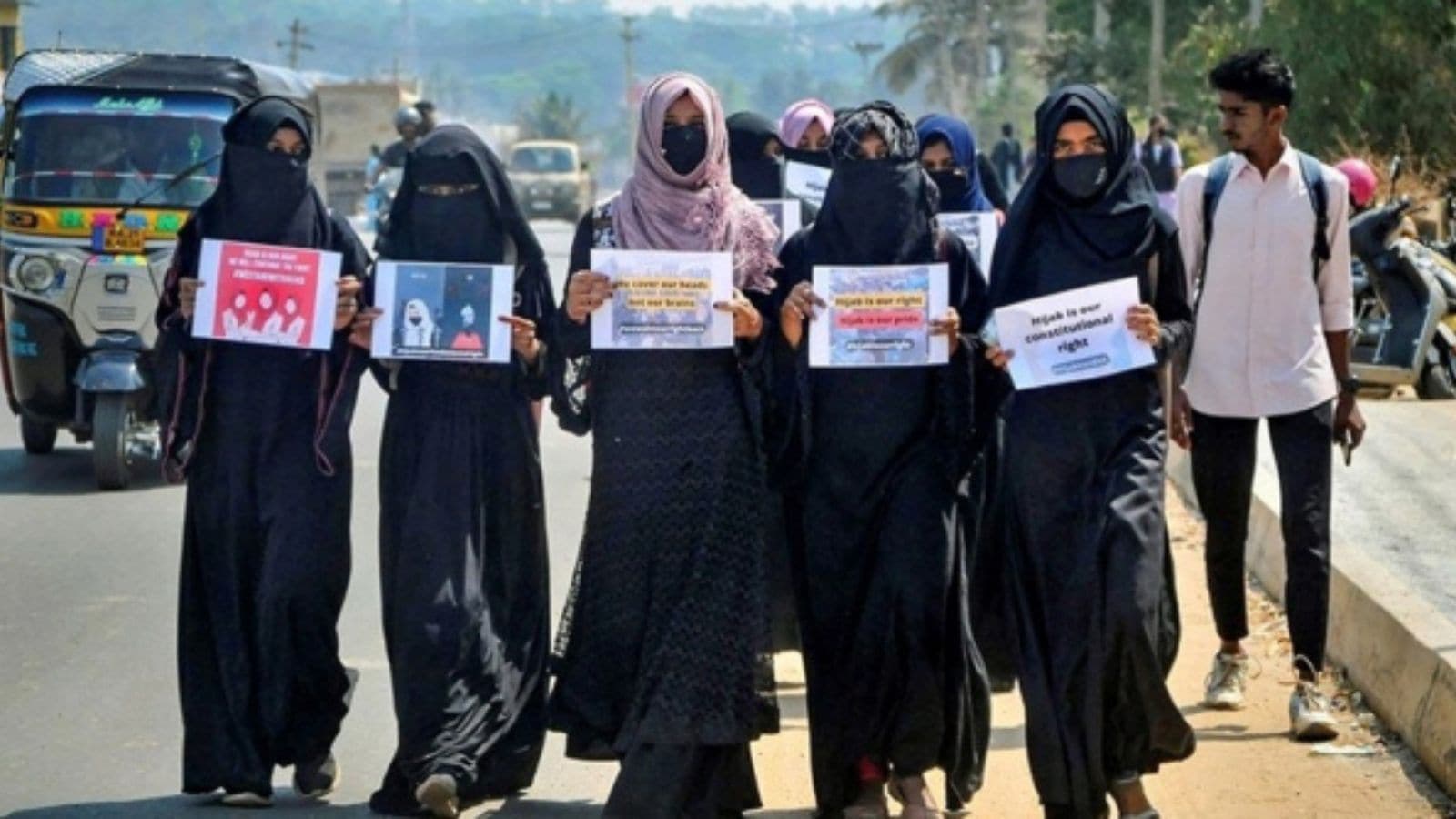
Once they were schoolgirls. Then, they became the face of a fight they would rather not have fought. Four long years and several promises later, the Karnataka government’s withdrawal of the order that in 2022 effectively barred wearing of hijab in pre-university colleges (Classes 11 and 12) is a victory that holds little meaning for them.However, they hope, it will mean more — that other girls who want to wear the hijab won’t have to make the choice between it and an education.Aliya Assadi, one of the six students of Government Pre-University College in Udupi who stood her ground over “the right to wear hijab”, says the government’s reversal of the February 22 order is an “acknowledgement” of this, even if “delayed”. “Hijab requires neither politics, nor permission nor public approval. But I am happy that those who come after me will be free to wear hijab in classrooms.” The hijab row had erupted in late 2021-early 2022 after the six protested over not being allowed to attend classes wearing the head scarf. The protests spread to other districts, and as right-wing Hindu bodies launched a counter-agitation, there was communal tension at several places. In February 2022, the then BJP government in the state passed an order asking students to stick to prescribed uniforms in pre-university and degree colleges. Since hijab is not a part of the uniform, it effectively ruled the head scarf out. On Wednesday, the Karnataka government withdrew that order, allowing students to wear limited religious- or faith-based symbols along with the prescribed uniform. The fact that private pre-university colleges allowed the hijab as part of their uniform meant that in the one year after the Karnataka government’s 2022 order, Udupi district saw a significant shift of Muslim students from government to private colleges, admissions data accessed by The Indian Express showed. For Aliya, A H Almas, Resham Farooq, all of Udupi, and Muskan Khan of Mandya, too, life was not the same after February 2022. A H AlmasStory continues below this ad She was among the six students who protested against the Udupi government pre-university college restricting them from wearing hijab. In Class 12 at the time, she didn’t return to class after the 2022 government order, skipping the annual exams and losing a year. “Finally I wrote an all-India open school examination to pass my Class 12 because no school would let me write the exam in hijab,” Almas says. Now she is in the third year of a B.Sc degree, travelling 65 km to Dakshina Kannada district to college, and wants to become a physiotherapist. Almas says because of her involvement in the hijab fight, getting admission in Udupi was difficult. “Every day that I go to college now, I thank God for giving me a chance to get an education. Several of my friends dropped out of school. Most of them did a diploma and ended their education. Some got married.” One overlooked aspect, the 22-year-old adds, is that the hijab restriction also affected Muslim teachers. “It’s not just friends that I lost to the hijab ban. I lost teachers too,” Almas says.Story continues below this ad Looking back, she says: “I was too young, I am too young, to fight these battles.” And yes, she is still apprehensive; she doesn’t want to give the name of the college where she is enrolled. Resham Farooq Among the students of the Udupi Government Pre-University College who protested against the institute’s hijab order, Resham was at the time in Class 12. While she was also among the petitioners in the Supreme Court against the government order, Resham never pursued studies after the face-off. Her mother says: “Resham began working at a clothing shop, where she was employed for nearly two years.” Soon after, she got engaged, and a month ago, got married. While the parents refuse to share Resham’s number, they hope that other girls don’t have to discontinue their education under similar circumstances. Aliya AssadiStory continues below this ad Aliya, who w
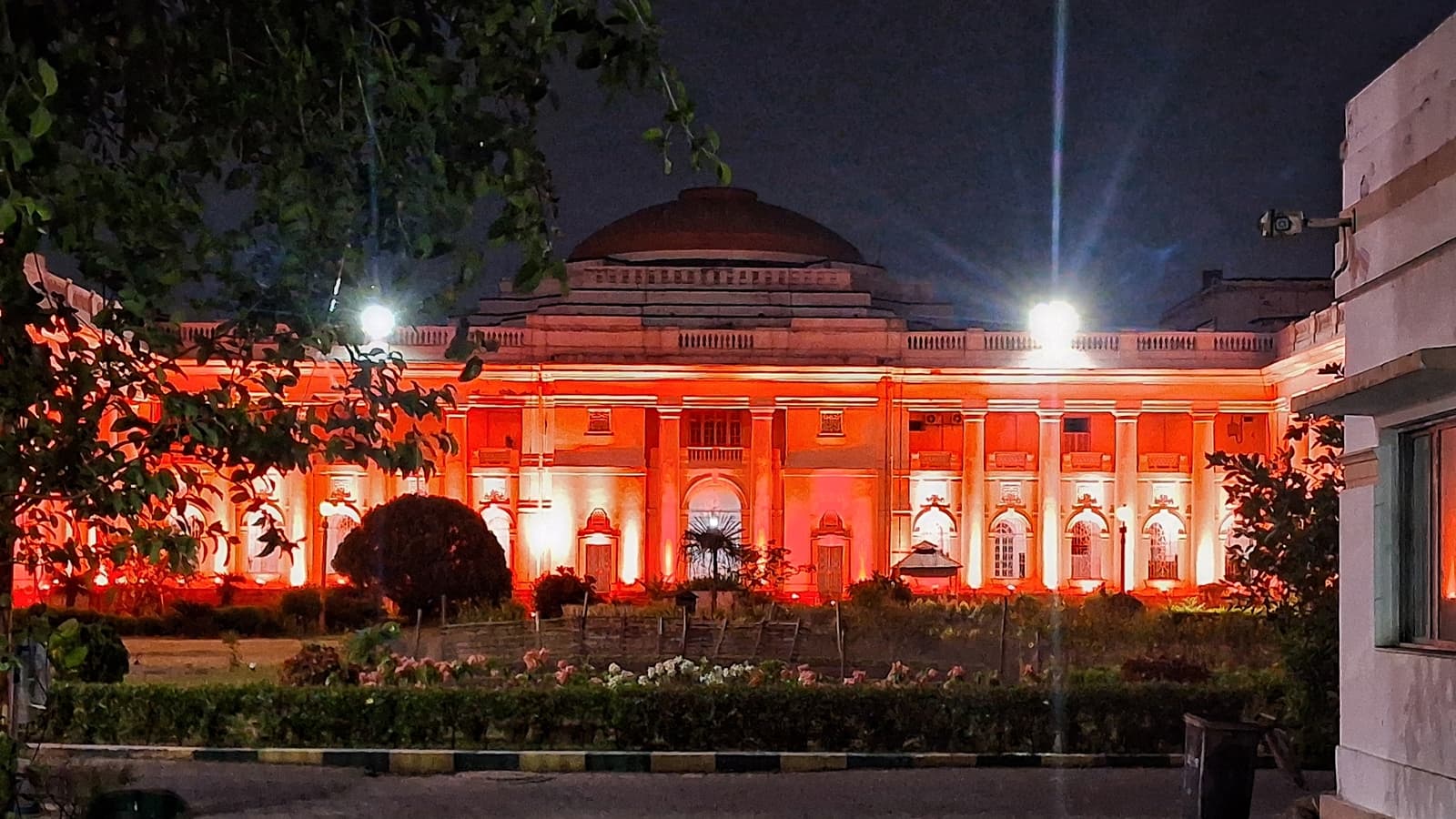
An illuminated Legislative Assembly building in Kolkata on Tuesday. (Express photo by Partha Paul)With a change of guard in the state, key government buildings, including the Legislative Assembly and the Writers’ Building have been illuminated with saffron lights. Under the previous Mamata Banerjee-led Trinamool Congress (TMC) government, the Assembly building was lit up in green or blue and white. After the BJP registered a landslide victory in the recently concluded Assembly elections, the focus has also shifted back to the 240-year-old Writers’ Building, which used to be the administrative headquarters under the 34-year Left Front regime, before the Mamata government shifted the state secretariat to Nabanna in Howrah in 2011.Ahead of the swearing-in ceremony of Chief Minister Suvendu Adhikari, the BJP had announced plans to make the Writers’ Building as the administrative headquarters. However, till the renovation work is underway, the chief minister is likely to work either from Nabanna or the Assembly premises. The change in lighting has also triggered speculation over whether the colour of the government buildings will be changed. However, according to BJP sources, neither the party or the government is in a hurry to change the colour. After Mamata Banerjee assumed the office of chief minister, government buildings had undergone a visible transformation with schools, colleges, and civic bodies offices repainted in blue and white. A senior official of state administration said, “Till now, no decision has been taken on this issue. However, in some places, enthusiastic BJP supporters have changed the colour of some municipality offices, but we have instructed that such actions will not be encouraged. The government is yet to decide on the new colour of the government buildings.” Atri Mitra is a highly accomplished Special Correspondent for The Indian Express, bringing over 20 years of experience to his reporting. His work is characterized by deep regional knowledge and a focus on critical administrative and political developments, establishing strong Expertise and Authority in his domain. Experience Current Role: Special Correspondent, The Indian Express. Decades of Experience: Over two decades of extensive reporting experience, primarily covering administration and political news. Geographical Focus: Holds significant reporting experience from West Bengal, Bihar, and the North-East, providing a comprehensive understanding of the socio-political landscape in these regions. Key Coverage: Has dedicated more than ten years to covering administration and political news, with a keen focus on political developments in West Bengal. Electoral Reporting: Demonstrated a commitment to crucial political moments, having covered the 2009 Lok Sabha election and 2010 assembly elections during his time at Anandabazar Patrika, and the 2019 Bihar Lok Sabha election while working with News18-Bangla. Career Foundation: Began his career at the leading vernacular daily Anandabazar Patrika, where he worked for more than fifteen years, including a three-year stint as the Bihar correspondent. Education Advanced Degree: Holds a Master's degree in Economics from Rabindrabharati University, providing an analytical framework for his political and administrative reporting. Undergraduate Education: Holds a Bachelor's degree from Calcutta University. Prestigious Alumni: His educational background includes attending esteemed institutions: he is an alumnus of St. Xavier's, Kolkata and Ramakrishna Mission Asrama, Narendrapur. Atri Mitra's decades of dedicated reporting, substantial focus on political and administrative beats, and solid academic credentials make him a trusted and authoritative source for news and analysis from Eastern and North-Eastern India. ... Read More Stay updated with the latest - Click here to follow us on Instagram© The Indian Express Pvt Ltd Tags: West Bengal
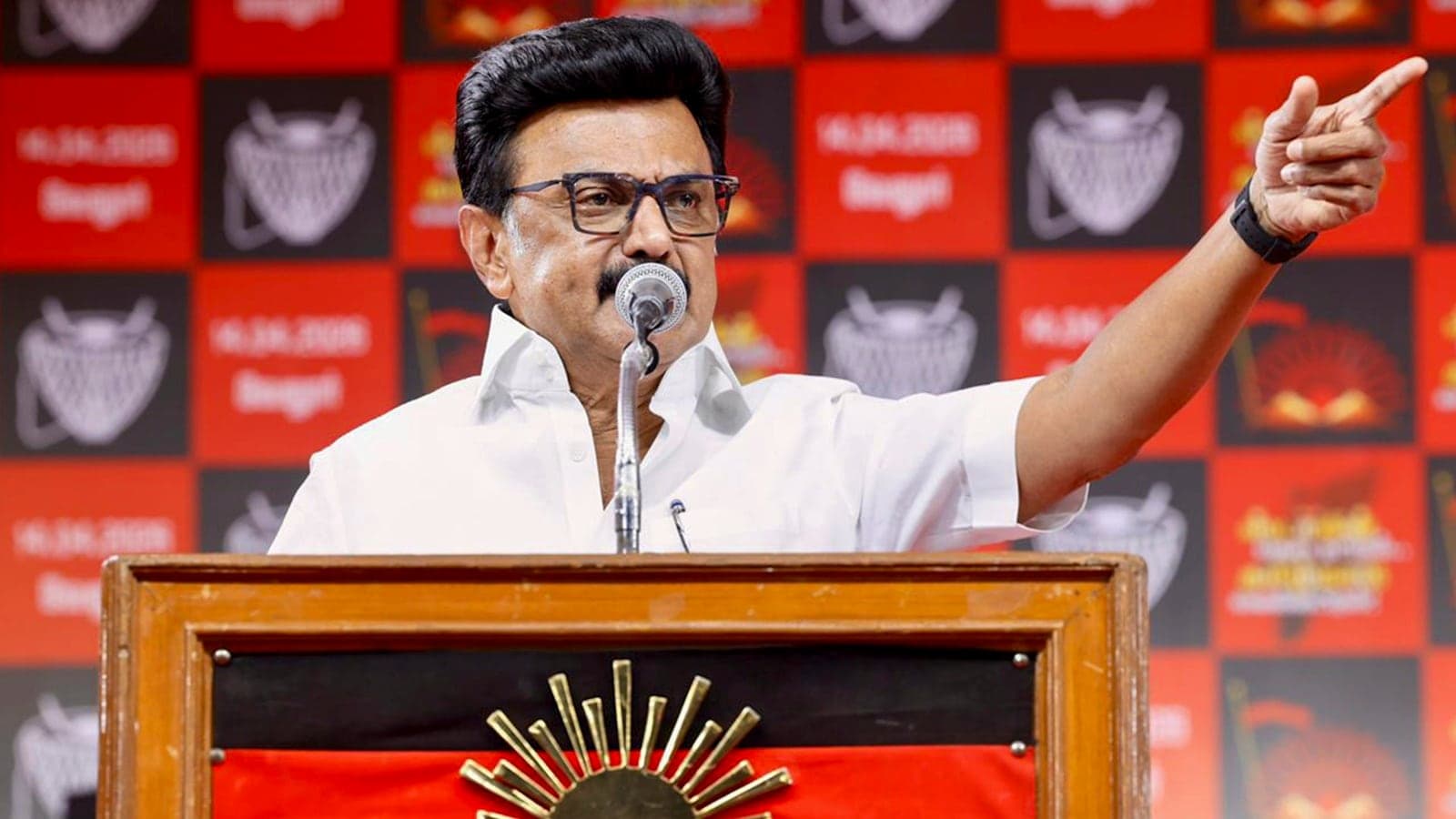
Updated: May 6, 2026 10:52 AM IST MK Stalin's DMK has slammed the Congress for extending support to TVK.The MK Stalin-led DMK has slammed its INDIA bloc ally Congress, calling it “backstabbers”. DMK spokesperson Saravanan Annadurai said that his party did not endorse the support of Congress to Vijay’s TVK to form the government in Tamil Nadu. The Congress made the decision to back TVK at a late-night Parliamentary Affairs Committee meeting, as per a report by news agency PTI.Posting a photo of Congress MP and Leader of Opposition in Lok Sabha Rahul Gandhi and Vijay, Annadurai further said: “Some smartie from Congress has screwed up big time.” Pointing out that the Congress had only 5 seats, Annadurai said the party had made a “complete fool of themselves”. “It will not get over the majority mark. Now, ADMK with 43 seats is willing to offer support to TVK. Whose support will TVK take,” he asked.

Discussion (0)