
Loading dispatches...
← Return to NewsroomPolitics
What Tamil Nadu CM Vijay really needs to see at Fort St. George

Last week, the newly elected Chief Minister, C. Joseph Vijay, went walkabout at Fort St. George. Which is a good thing. He must be the first Chief Minister in living memory who went and saw some of the monuments in the precinct. The itinerary was predictable – the Church of St. Mary’s and the Fort Museum. But what was left out was what he really needed to go and see. And had he done so, he may have begun pondering over what can be done to save this historic enclave from its steady decline.The first problem that faces the Fort is its poor general upkeep. Tonnes of rubbish lurk behind the massive walls – the byproducts of the administrative setup at the place. You don’t need to go looking for it. All around, you will see heaps of plastic, paper, and other discarded items. Go closer to the walls, and you will see a lot more. Go to the rear of the Fort and you will see the moat in all its ghastly (lack of) upkeep. Weeds, stagnant water, and refuse on both sides. This is not to be confused with the front side of the fort, where the moat is regularly tended to, but is bone dry. Last House, photographed in 2023 | Ownership tussleThe next is the conflict of multiple ownership. The Fort has five owners, as far as I know. There is the Archaeological Survey of India (ASI), and there are the Legislative Assembly, the Tamil Nadu government, the Army, and the Navy. Each has its private turf and guards it fiercely – not by way of protecting the buildings within, but more in terms of recognised bounds. Thus, the Navy had, what is known for some mysterious reason, as Clive’s Library. Years ago, a tree began growing out of it, and nobody noticed it until it took on a stranglehold of the building itself. It is quite certain that the tree, unlike the beanstalk in the fairytale, did not grow overnight and yet, no steps were taken to remove it. Finally, the tree crushed the building for good.If that is the Navy’s record, the Army fares marginally better. It has taken good care of some buildings, such as the Embarkation HQ. However, the King’s Barracks, said to be the largest in the country, is in a state of near collapse. This is because the Army and the ASI are at loggerheads over control of the building. The ASI wants the Army to hand it over, and the latter is reluctant, given the former’s track record of suddenly denotifying structures under its control, handing them over to the State government for demolition, and putting up new buildings in their place. As a result, King’s Barracks is a shabby, roofless shell. Despite being a site of significance, the Fort suffers from poor general upkeep | The Army is not wrong in the doubts it entertains. The ASI has, of course, done a stellar job in restoring Clive’s House (now the ASI HQ) and the church. But the rest of the Fort is littered with episodes where more could have been done. Even in the 1980s, an entire section of historic buildings was denotified to allow the government to build Namakkal Kavignar Maligai. That structure itself would have never been permitted in a precinct of this kind, if we had had a Heritage Act in place. Then came the wilful neglect of Wellesley’s House and Last House on Snob’s Alley, both of which were allowed to collapse. Their ‘protected status’ was subsequently withdrawn.Which leaves us with the historic gates. Of these, the Sea Gate and the more ornamental entry and departure points are well taken care of. St. Thomas’ Gate, under Army supervision, is good, but the remaining, namely Wallajah, St. George’s, and North, are in very poor repair. The spaces under the arches serve as rubbish tips and the gates themselves are in a state of severe wear and tear. A garbage pile in front of the North Gate, which is in a state of severe wear and tear | The buildings under government ownership, namely the Secretariat and Assembly, seem in good condition because of use and regular maintenance. But o
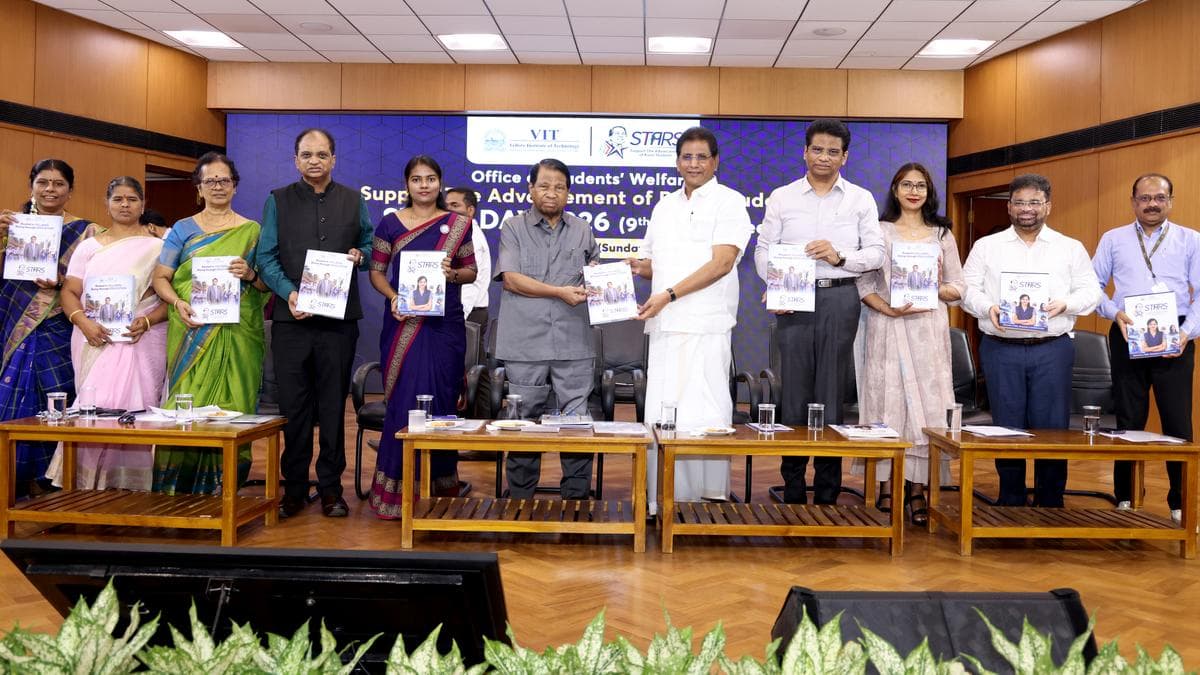
The STARS day event was held at the VIT campus in Vellore on Sunday. | Viswanathan, founder and Chancellor, VIT, on Sunday.In his presidential address at the STARS Day celebration event, which was organised by VIT in its campus here, Mr. Viswanathan said that the scheme aimed to support high-achieving students from rural government schools who secure excellent marks in higher secondary examinations but lack the financial means to pursue further education. “So far, 1,147 students have benefited under the scheme. The VIT has borne the entire cost of their education, accommodation, and food, amounting to ₹102 crore,” he said.Nordic countries such as Norway, Sweden, Denmark, Finland, and Iceland have achieved remarkable progress through strong education systems and robust social welfare models. A democratic country like India could learn valuable lessons from their development strategies that could help the overall growth of the country, he said.On the occasion, K.R. Nagarajan, founder and Chairman, Ramraj Group, J. Kavitha, a former STARS scholar and currently serving as Special Deputy Collector of Theni, Sankar Viswanathan and Sekar Viswanathan, vice-presidents, VIT, were present. Published - May 24, 2026 11:49 pm IST
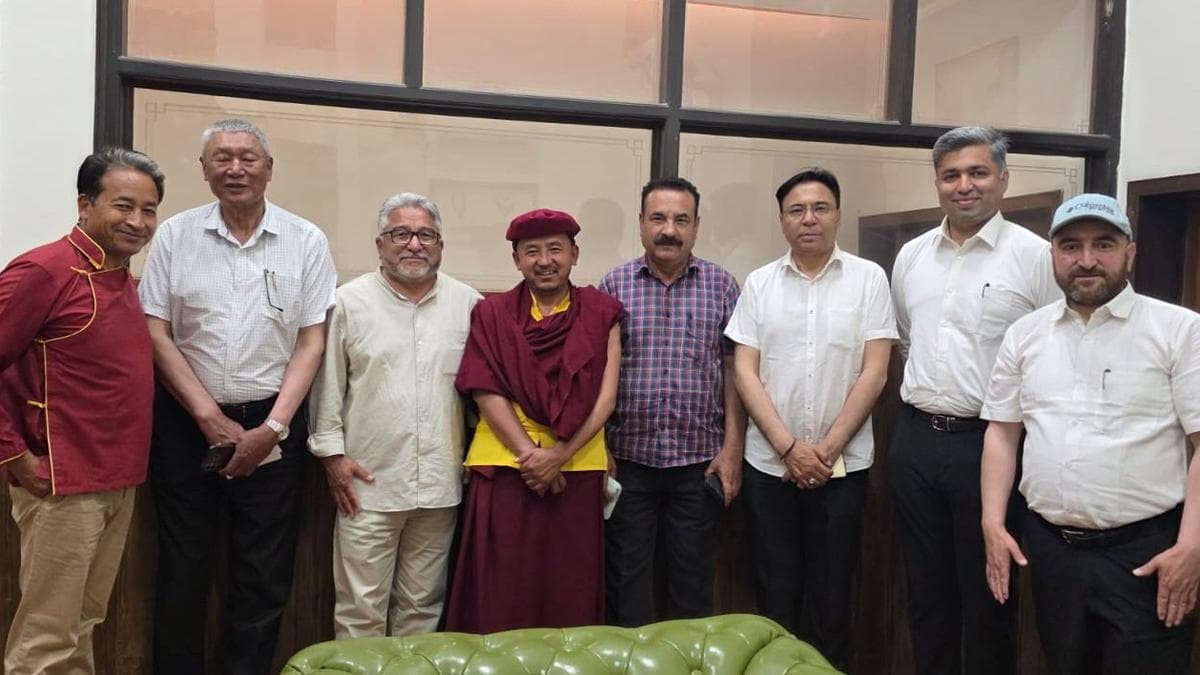
The Union Ministry of Home Affairs (MHA) has proposed a new mechanism to grant Ladakh greater legislative, financial, and administrative powers within the existing Union Territory framework, according to civil society members who attended a sub-committee meeting with MHA officials on Friday (May 22, 2026).The members told The Hindu that the talks were positive and that the MHA would soon send a draft mentioning the proposed changes, which they were told would be under the framework of “U.T. with legislative powers”.A civil society delegation comprising representatives of the Leh Apex Body (LAB) and the Kargil Democratic Alliance (KDA) from Ladakh met MHA officials and Ashish Kundra, Chief Secretary, Ladakh, on Friday (May 22, 2026). The delegation included climate activist Sonam Wangchuk, who was released from detention under the National Security Act (NSA) on March 14.Cherring Dorjay Lakruk, co-convenor of LAB, told The Hindu that the MHA was proposing a legislature, it did not want to give it the name of “Statehood” as the move would put the burden of revenue generation on Ladakh and the Centre would not be able to allocate funds.“We were told that when Ladakh is financially sound, then Statehood can be considered. Functions of the Chief Secretary and other administrative functions will be decided by the elected body. It is not clear how the elected members will be referred to... as Members of Legislative Assembly (MLA) or something else. We are waiting for the MHA’s proposal. We also have to send a proposal from our side,” Mr. Lakruk said.The LAB and the KDA, representing Leh and Kargil districts respectively, said in a statement that they reached an in-principle understanding with the Union government on providing constitutional safeguards on the lines of Article 371 A, F, and G of the Constitution (as applied to Nagaland, Sikkim and Mizoram). Article 371 deals with “Temporary, Transitional and Special Provisions”, and exists in 12 States.When asked what had changed now, as the Union government had earlier too proposed such safeguards, Mr. Lakruk said, “Earlier, they did not propose legislative powers or elected representatives for Ladakh.”Long-standing aspirationsThe statement said, “During the meeting, both the LAB and the KDA reiterated the long-standing aspirations of the people of Ladakh regarding the restoration of democracy, constitutional safeguards, and the demand for Statehood and Sixth Schedule protections reflecting the shared commitment of all stakeholders towards an inclusive and sustainable governance framework for the region.”It added that in the proposed model “the legislative, executive and financial powers will rest with elected representatives through a Union Territory level legislative body”.“All bureaucrats of the U.T., including the Chief Secretary, will come under the executive head of the U.T.-level elected body (proposed to be Chief Minister),” the statement said.Representatives from the delegation said that the MHA authorities had said the only reason why Ladakh could not be made a State at the moment was that it currently lacked adequate revenue generation to meet the expenditure such as salaries of employees.Finer detailsThe KDA and the LAB would work out the finer operational details with the MHA in consultation with legal and constitutional experts, said Sajjad Kargili, co-chairman of the KDA.Thupstan Chhewang, former chairman of LAB and a former BJP MP, also attended the meeting. He said that the nomenclature of the new constitutional dispensation will be finalised through due deliberation. He demanded the withdrawal of cases against people who were arrested for the September 24, 2025 violence in Leh city and sought additional financial compensation for the families of the four deceased persons and those who were injured.A senior government official said that the Centre is committed to democratic representation and several models, including safeguards available under Article 371 of the Const
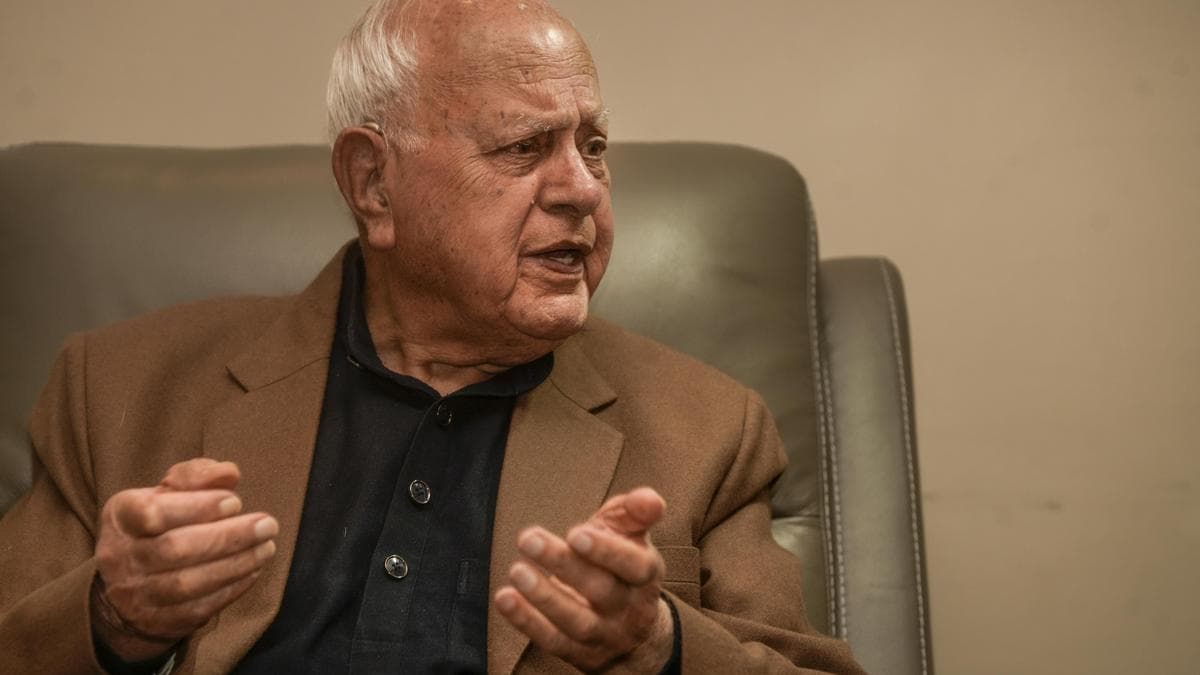
Jammu and Kashmir National Conference President Farooq Abdullah. File | Meanwhile, BJP Rajya Sabha member Gulam Ali Khatana accused the NC-Congress of pursuing anti-Gujjar policies in Jammu and Kashmir.“The elected government has nothing to do with demolitions in Jammu. Houses belonging to Muslims are being demolished in Jammu and other parts of the region. It is their scheme. An investigation has been launched into such actions,” Mr. Abdullah said.He said Gujjars and Bakerwals have played a key role in guarding the borders in J&K. “They have ensured the safety of the region by preventing infiltration along the borders,” he added.Mr. Abdullah also accused the Opposition People’s Democratic Party of facilitating the BJP’s entry into the region and the subsequent abrogation of Jammu and Kashmir’s special status.Meanwhile, Mr. Khatana criticised the NC and the Congress over their treatment of Gujjar and Pahari communities.“Both parties pursued anti-Gujjar and anti-Pahari politics for decades, denying these communities development, settlement rights and welfare benefits. Gujjar and Pahari communities have played a crucial role in strengthening national unity, protecting border areas and promoting communal harmony, yet their concerns were ignored by previous governments,” he said.Mr. Khatana said the Narendra Modi-led Union government has taken “historic decisions” for the empowerment, education and socio-economic uplift of Gujjar and Pahari communities in J&K. He urged people to reject divisive politics and support development and social justice. Published - May 23, 2026 02:49 am IST
Heads of some State cultural institutions in Kerala have shown reluctance to step down from their posts despite a direction from the previous Left Democratic Front (LDF) government to their appointees to vacate after the change in government. Kerala State Film Development Corporation (KSFDC) chairperson K. Madhu is yet to resign.According to sources in the Culture department and the Kerala State Chalachitra Academy, the film body’s chairperson Resul Pookutty and vice-chairperson Kukku Parameswaran tendered their resignation only two days ago after much delay. When The Hindu asked Mr. Pookutty on Friday (May 22, 2026) whether he has submitted his resignation or intends to continue in the post, he said he did not want to comment. According to sources in the KSFDC, Mr. Madhu was in office on Friday. Rumours have been circulating over the past few days that at least some of the current institution heads are seeking an extended tenure.Minister for Cultural Affairs P.C. Vishnunadh told The Hindu that quite a few of the institution heads have submitted their resignations over the past couple of days.“As per the information I have, almost every culture institution head except the KSFDC chairperson have submitted their resignation. Some names have come up as suggestions to take up these posts. A decision will be taken only after discussions and considering the opinion of the Chief Minister,” said Mr.Vishnunadh.In the past, whenever there have been changes in government, most of the political appointees used to immediately vacate their posts. Poet and writer K. Satchidanandan had resigned from his post as president of the Kerala Sahitya Akademi on May 8, soon after the Assembly election results were declared. Vice-president Ashokan Charuvil had also stepped down from his position. Mr. Satchidanandan had said that it was “natural” that people holding similar posts vacate them following a change in government. Published - May 22, 2026 02:24 pm IST
Former Finance Minister says while the workers had demanded a raise in monthly honorarium from ₹9,000 to ₹21,000, the hike was only to the effect of ₹3,000Hours after the new United Democratic Front (UDF) government in Kerala announced a ₹3,000 increase in the honorarium of Accredited Social Health Activists (ASHAs), former Finance Minister K.N. Balagopal on Monday criticised the move, saying it fell short of the promises made by the Congress-led front during the Assembly election campaign.In a Facebook post, Mr. Balagopal, a CPI(M) MLA, said the UDF had assured ASHAs that their demands would be addressed in the very first Cabinet meeting if the alliance came to power.The workers had staged a months-long protest in front of the Secretariat during the previous LDF government, demanding that their monthly honorarium be raised to ₹21,000 and that a retirement benefit of ₹5 lakh be introduced.“However, after assuming power, the action taken by him turned out to be a huge disappointment. Only a hike of ₹3,000 has been announced,” the Kottarakara MLA wrote, referring to Chief Minister V.D. Satheesan.Defending LDFThe former Minister also defended the record of the previous Left government led by Pinarayi Vijayan, saying it had increased the honorarium of ASHA workers in phases over the years.According to him, at the time of the first Pinarayi Vijayan government, the monthly honorarium of ASHAs was ₹1,000, which was raised to ₹9,000 by the time the second LDF government under him completed its term.Mr. Balagopal further claimed that the Left government had also increased benefits for Anganwadi workers, pre-primary staff, school cooking workers and Literacy Mission workers. Published - May 18, 2026 08:28 pm IST
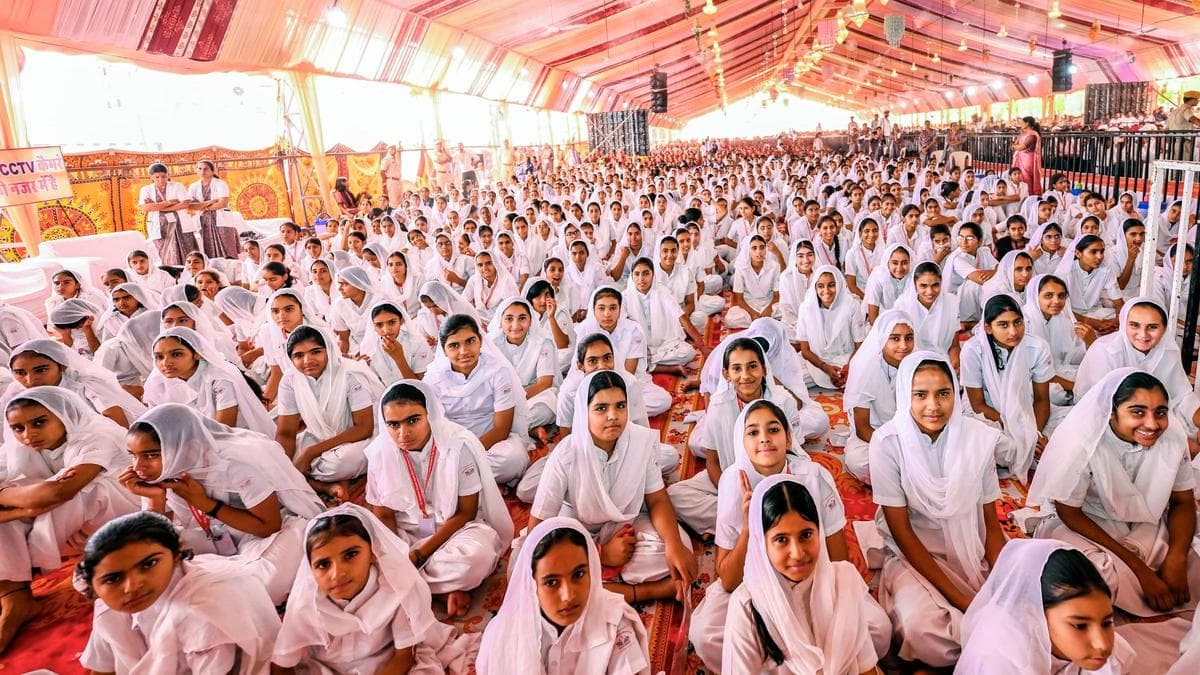
Image used for representative purpose only. | “The State shall take necessary measures to recognise and accord due status to the Rajasthani language as a regional language for educational purposes and to progressively facilitate its adoption as a medium of instruction, initially at the foundational and preparatory stages of schooling and progressively at higher levels,” a Bench of Justices Vikram Nath and Sandeep Mehta observed.‘Obligation to act’Referring to the National Education Policy 2020, the Bench noted that the policy recognises that children learn better in their mother tongue and accordingly accords primacy to home, local, and regional languages in early education. It also pointed out that the Right of Children to Free and Compulsory Education (RTE) Act, 2009, which guarantees free and compulsory elementary education recognises the need to dismantle barriers to ensure equitable access to education.“Once the Union itself has, through legislative measures and policy frameworks, acknowledged the necessity of imparting education in a language intelligible to the child, a corresponding obligation arises for the States to take timely, effective and purposive steps towards its realisation”, the Bench said.The ruling came in an appeal challenging a November 27, 2024 order of the Rajasthan High Court dismissing a plea seeking introduction of Rajasthani as a medium of instruction in schools and its inclusion in the syllabus for State teacher eligibility exams.While the Bench observed that the prayer seeking inclusion of Rajasthani in the syllabus for State teacher eligibility examinations had become infructuous since the recruitment process had already concluded, it noted that the State government had made “little demonstrable progress” in ensuring that students are taught in the regional language as constitutionally and legally mandated.“The continued inaction and inadequacy on the part of the State Government in operationalising this mandate not only undermines statutory and policy directives but also risks infringing fundamental rights guaranteed under Part III of the Constitution,” the Bench said.‘Myopic stance’The apex court also criticised the State government’s “myopic stance” that only languages included in the Eighth Schedule to the Constitution could be incorporated into the curriculum of primary and upper-primary schools. Such an approach, it said, reflected “an utter failure to translate constitutional assurances into concrete action” and risked reducing the constitutional guarantee of meaningful access to education to a mere formality.The judges further pointed out, contrary to the State government’s position, Rajasthani was already being taught as a subject in universities across Rajasthan.“Such a position, in our considered view, discloses an apparent pedantic approach… this Court cannot remain a silent spectator to the stark dilution of rights so clearly recognised in constitutional text, legislative enactments, and binding precedents,” the judgment authored by Justice Mehta said.However, the Bench clarified that while it did not intend to enter the domain of the legislature, it remained duty-bound to ensure that constitutional guarantees were not rendered “illusory” by “executive inaction or indifference”.“A failure to discharge such obligations cannot be countenanced, for constitutional rights, once recognised, must be translated into tangible outcomes and cannot be permitted to languish as mere abstractions. In the absence of an appropriate policy framework, this Court would be failing in its constitutional duty were it to remain indifferent to the continued non-realisation of rights and obligations
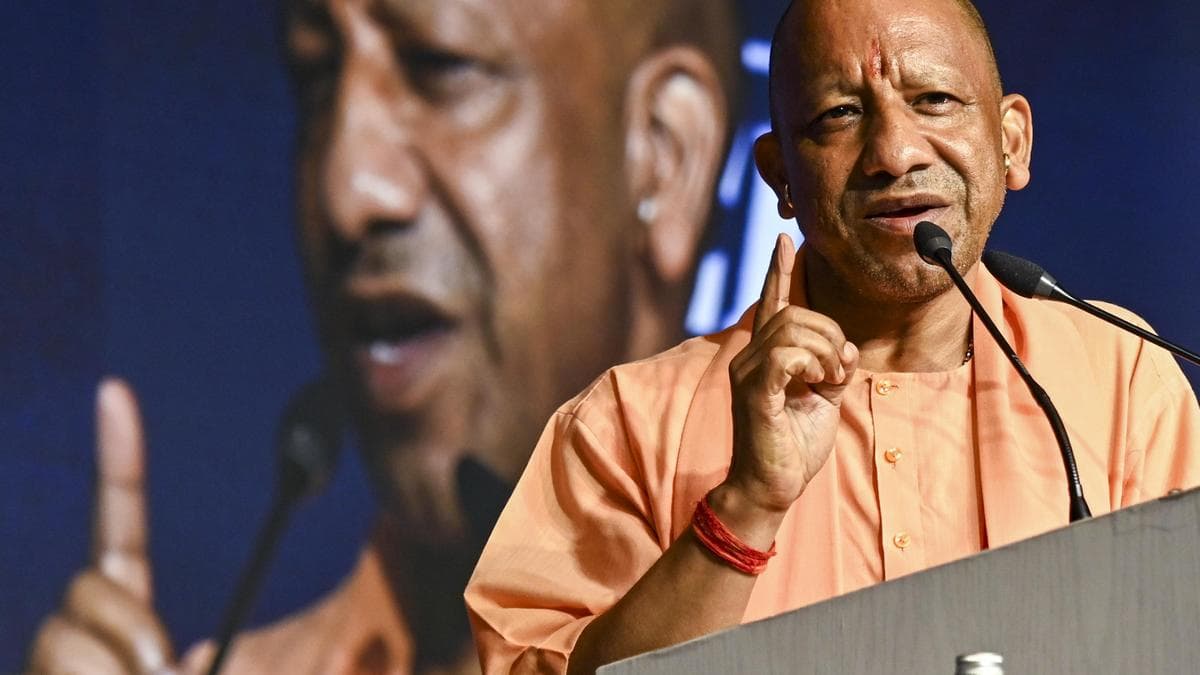
Uttar Pradesh Chief Minister Yogi Adityanath. File image: Handout/PTI Photo Uttar Pradesh Chief Minister Yogi Adityanath on Tuesday (May 12, 2026) pushed for multiple measures to reduce fuel consumption and appealed to the people of the State to join the Prime Minister’s call. Chairing a meeting with the Chief Secretary, DGP, and all Additional Chief Secretaries and Principal Secretaries of various departments, the U.P. CM on directed that the fleets of the Chief Minister, Ministers and others be immediately reduced by 50%. “The Chief Minister also appealed for prioritizing the work-from-home culture in the State. He laid special emphasis on the use of PNG, Metro services, public transport and buses operated by the Uttar Pradesh State Road Transport Corporation. In workplaces with a large workforce, a State-level advisory should be issued recommending work-from-home for two days a week. Seminars, meetings and workshops of the Education Department, along with other official meetings, should also be conducted virtually. Fifty percent of internal meetings at the State Secretariat and Directorates should also be held virtually,” reads an official statement. The Chief Minister said, “Schools and colleges should encourage the use of school buses, and if required, Transport Corporation buses may also be linked with schools. To reduce fuel consumption during peak hours, office timings may be divided into different batches.” The U.P. CM stressed that official meetings, seminars, conferences and workshops should be organised virtually as much as possible.The Chief Minister urged the people of the State to align with the Prime Minister’s appeal. “The world is witnessing instability, and everyone must exercise caution. Ministers, MPs, MLAs and public representatives should use public transport at least one day a week. A ‘No Vehicle Day’ should also be organised once every week. Government employees, students of schools and colleges, and various sections of society should also be associated with this campaign,” said the CM.‘Visit My State’ tourism campaignMr. Adityanath also directed officials to launch a ‘Visit My State’ campaign to promote wellness, eco, rural, wildlife and cuisine-based tourism. Uttar Pradesh is the first State to implement the ‘One District, One Cuisine’ initiative. The CM also directed that museums and memorials be made free for visitors for a certain period. “The Tourism Department has been directed to hold meetings with hotels, airlines, tour operators and travel agents and issue necessary instructions.”He said, “Non-Resident Indians from Uttar Pradesh living across the world should be encouraged to visit the State. Shopping festivals, heritage tours, visits to gaushalas and temples should be promoted. The use of products made by local artisans, self-help groups and local entrepreneurs should also be encouraged. Indian-made gifts, products and handicrafts should be promoted during festivals, weddings and other events.”“The State government should present ODOP and GI-tagged products as gifts. Indigenous products should be encouraged,” added the official statement. Published - May 13, 2026 07:24 am IST
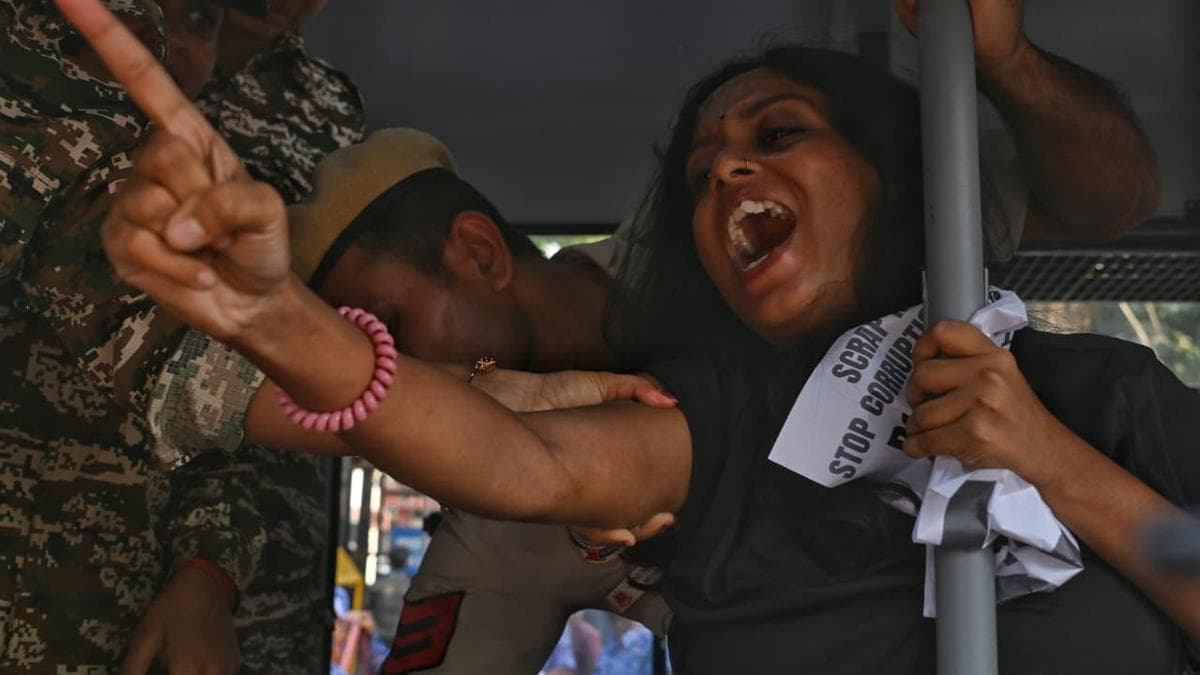
Home Education The cancellation of the NEET-UG 2026 examination, following an alleged question paper leak, has led to widespread political and student outrage across States Updated - May 12, 2026 05:30 pm IST SFI members and supporters stage a protest against the alleged NEET 2026 scam in New Delhi on May 12, 2026. | This decision comes as a Rajasthan Special Operations Group is investigating into the allegations of the exam paper leak.Also read: NSUI protests after NTA cancels NEET-UG 2026 over paper leak“On the basis of the inputs subsequently examined by NTA in coordination with the central agencies, and the investigative findings shared by the law enforcement agencies and in order to ensure that there is transparency in the system, the National Testing Agency, with the approval of the Government of India, has decided to cancel the NEET (UG) 2026 examination conducted on 3 May 2026, and to re-conduct the examination on dates that will be notified separately,” the NTA said in a press release.The examinationfor students seeking admission to undergraduate courses in medical colleges will now be held again on dates to be notified separately.Follow our live updates Nashik police take accused in custody over NEET-UG paper leak, investigation underway Investigation into NEET-UG paper leak is underway in Maharashtra’s Nashik district. According to Kiran Kumar Chavan, Deputy Commissioner of Police, Nashik City, a request was received from the Rajasthan Police on Tuesday (May 12, 2026) regarding an accused involved in the NEET case. Acting on the request, the Crime Branch took the accused into custody and will hand him over to the Rajasthan Police upon their arrival. Mr. Chavan said, “The accused had changed his appearance in an attempt to evade arrest, which initially created difficulties for the police. However, he was eventually tracked down and arrested using technical evidence and surveillance.” The accused is said to be from the Nashik’s Nandgaon village and has been pursuing BAMS. More details are awaited.- Snehal MuthaMay 12, 2026 17:30 NEET-UG cancellation causes distress among Tamil Nadu candidatesThe cancellation of the May 3, 2026, National Eligibility cum Entrance Test (Undergraduate) exam has caused distress among candidates in Tamil Nadu. Students pointed out that this is the second such instance in three years.Varsha R., a candidate who had appeared for the NEET exam for the third time, expressed her complete disappointment. “How could the NTA [National Testing Agency] be so careless? How can we trust them to conduct this exam correctly again? We sacrificed our college years, our youth, and many comforts to prepare for this exam and become doctors. We had just started to relax and regain a sense of normalcy; now, the stress and anxiety are back,” she said.Read more hereMay 12, 2026 17:28 Cancellation of NEET-UG 2026 exam extremely unfortunate: Shiromani Akali Dal chief Badal Shiromani Akali Dal (SAD) chief Sukhbir Singh Badal on Tuesday (May 12, 2026) called the cancellation of the NEET-UG 2026 exam extremely unfortunate and deeply distressing.He further said it has put a serious question mark on the functioning of the National Testing Agency (NTA).“The CBI must carry out a thorough, time-bound investigation, examining the role and functioning of the NTA as well as all other agencies involved, to ensure the foolproof conduct of such critical national-level exams in the future,” Mr. Badal said in a post on X.“To all sincere students: Your hard work and dreams matter. We stand firmly with you and will not allow this injustice to go unaddressed,” he further said.- PTIMay 12, 2026 17:17 Maharashtra facing embarrassment due to NEET paper leak:

Discussion (0)