
Loading dispatches...
← Return to Newsroomgeneral
Malaria vaccine cuts child deaths by 13% in Africa, offering fresh hope: The Lancet
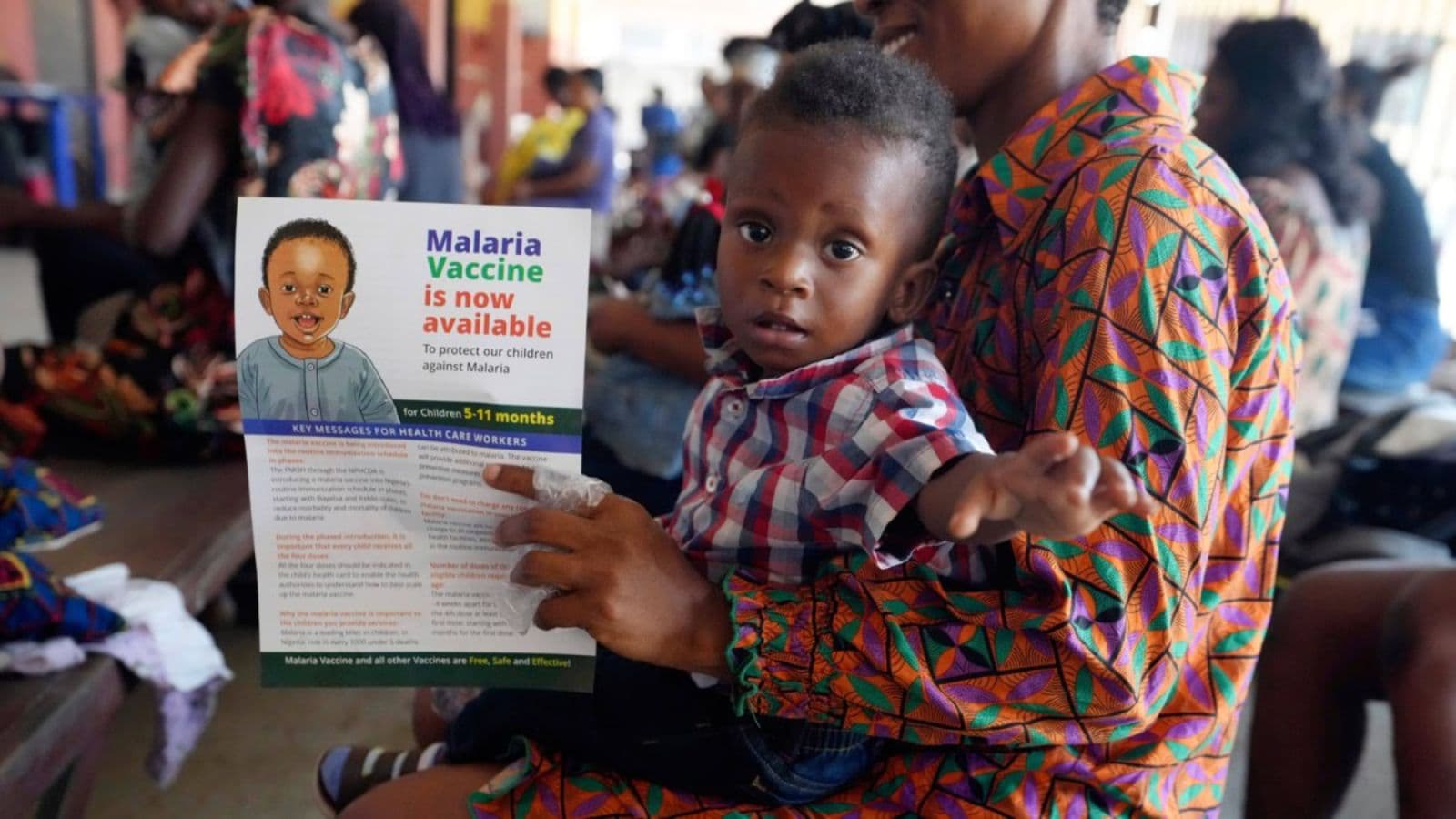
The RTS, S/AS01E malaria vaccine, introduced through routine childhood immunisation programmes in Ghana, Kenya and Malawi, led to a substantial decline in child mortality over four years, a study said. (File Photo) A landmark real-world study published in The Lancet has found that the world’s first approved malaria vaccine reduced overall child deaths by 13 per cent in parts of Africa, providing the strongest evidence yet that immunisation can significantly reduce mortality. The World Health Organisation (WHO) has hailed the findings as a major milestone in the global fight against malaria and a sign that eliminating the disease within this generation is an achievable goal. The study found that the RTS, S/AS01E malaria vaccine, introduced through routine childhood immunisation programmes in Ghana, Kenya and Malawi, led to a substantial decline in child mortality over four years.Children who received the full four-dose course experienced a 13 per cent reduction in all-cause mortality compared to children in areas where the vaccine was introduced later — effectively preventing one in every eight child deaths in high-transmission regions. The Lancet study also found that the vaccine was safe, with no increase in serious adverse outcomes such as meningitis or cerebral malaria — concerns that had emerged during earlier clinical trials. The findings are based on data from more than 1.2 million children across 158 communities, making it one of the largest real-world assessments of a malaria vaccine to date. What the research found Researchers used community-based death surveillance along with hospital monitoring to evaluate the vaccine’s impact.“This is powerful evidence that malaria vaccination can save thousands of young lives in endemic regions,” said Rafiq Okine, technical officer for malaria chemoprevention and vaccines at WHO’s Malaria and Neglected Tropical Diseases Department and co-author of the study. In an email response to The Indian Express, Okine said both RTS,S/AS01 and R21/Matrix-M are currently recommended by WHO for preventing Plasmodium falciparum malaria in children living in endemic areas.“The rollout of malaria vaccines in Africa reflects the high burden of P. falciparum malaria. The region continues to account for more than 90 per cent of global malaria cases and deaths,” he said. He added that there are currently no WHO-recommended vaccines for malaria caused by other Plasmodium species, including Plasmodium vivax, which remains more relevant in countries such as India.Story continues below this ad Proof that a malaria vaccine can work Professor V S Chauhan, former director of the International Centre for Genetic Engineering and Biotechnology, who was not involved in the study, said the findings mark an important scientific breakthrough.“The development of a truly highly effective malaria vaccine remains a work in progress. However, these vaccines have successfully established proof of concept,” he said. Dr Krishanpal Karmodiya, associate professor at the Indian Institute of Science Education and Research, said the study demonstrates that vaccine-based prevention against malaria is both feasible and impactful.“While malaria mortality in India is not as high as in many African countries, even a 13 per cent reduction in mortality in a highly endemic region is hugely significant because it translates directly into lives saved,” he said. Fight far from over in India According to WHO, since 2000, global malaria control efforts have helped avert 2.3 billion cases and 14 million deaths worldwide, including an estimated one million lives saved in 2024 alone. reach. India, once among the countries with the world’s highest malaria burden, has recorded major gains in recent years. Between 2015 and 2023, the country reported an 80.5 per cent decline in malaria cases and a 78.3 per cent reduction in malaria-related deaths, with more than 122 districts reporting zero cases. A key milest
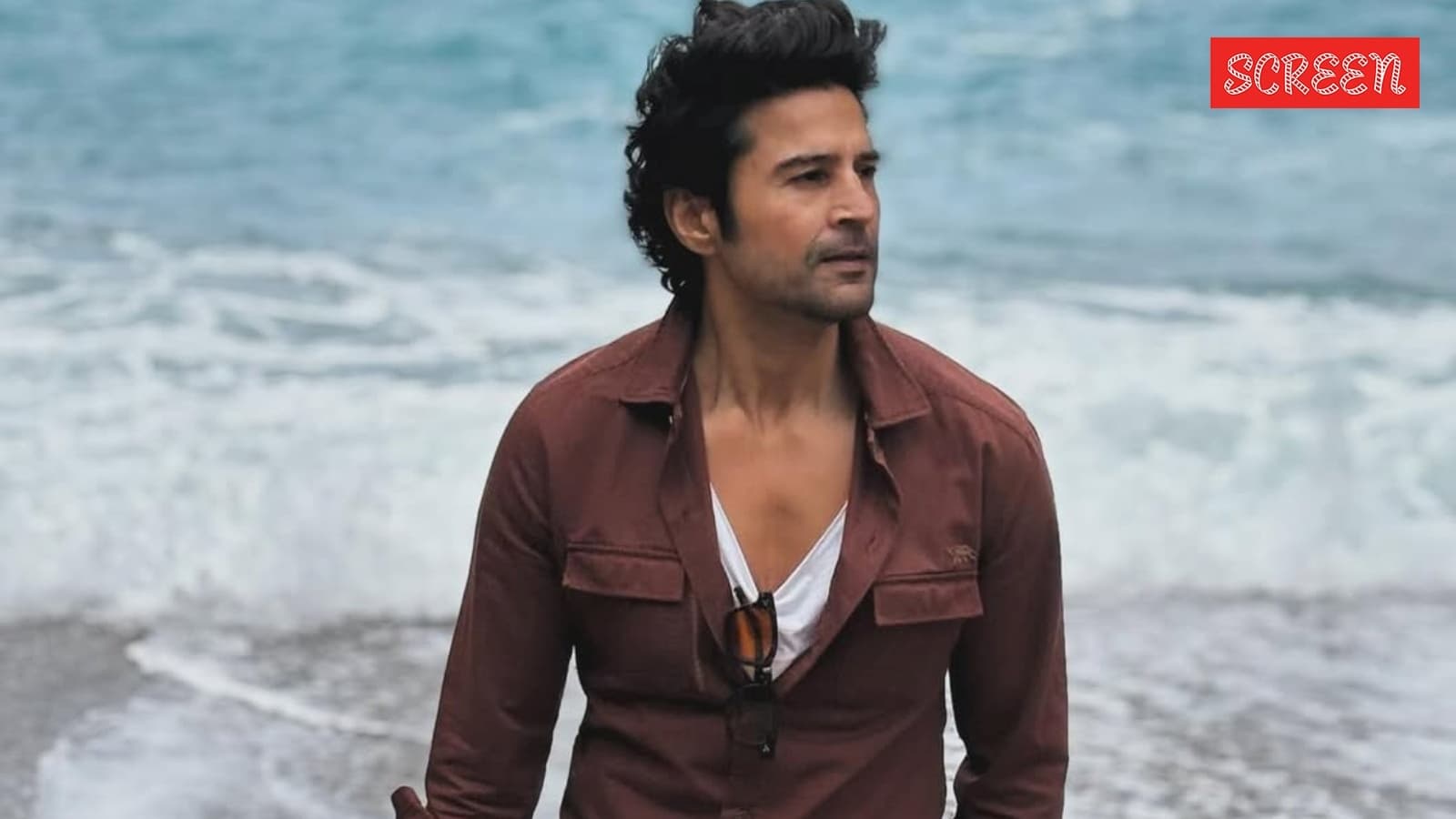
New DelhiMay 9, 2026 01:20 PM IST Rajeev Khandelwal's mother died in 2018. (Photo: Instagram/Rajeev Khandelwal)Actor Rajeev Khandelwal, who is currently hosting the reality game show Tum Ho Naa, recently opened up about the loss of his mother to cancer. On the show, the actor admitted that he still carries guilt for not recognising the symptoms of her illness in time. Talking about the painful phase, Rajeev shared that the pain of losing his mother continues to stay with him years after her passing, adding that he often blames himself for not understanding the early warning signs of the illness sooner. Rajeev recalls mother’s fight with ovarian cancer Rajeev became emotional while speaking about his mother’s battle with ovarian cancer during an episode of the show. Talking about that difficult phase, he confessed that the regret still weighs heavily on him.Rajeev said, “Main kaafi hadd tak khud ko gunehagaar samajhta hoon, kyunki mummy ko jo symptoms hue the, tab main samajh nahi paaya… Yeh show Bharat ke saare mahilaon ko samarpit hai, isliye main aap sab se darkhast karna chahunga agar aap mein kisi ko bhi kabhi back-ache ki samasya ho, aapka agar appetite kam ho jaye, aapke pet mein kuch bloating ho, gas ho aur woh lambe arse tak chale, toh please jaa ke apna test kariye. (I blame myself to a great extent because when my mother started showing those symptoms, I couldn’t understand what was happening at that time. This show is dedicated to all the women of India, and I would like to request all of you that if you ever experience back pain, a loss of appetite, bloating in your stomach, gas, or if these symptoms continue for a long time, then please go and get yourself tested.)” The actor further added, “Ovarian cancer ko control kar sakte hain. Main apni mummy ka nahi kara saka, lekin aapke ird-gird jo mahilaayein hain unke liye zaroor soch sakte hain, samajh sakte hain. (Ovarian cancer can be controlled. I couldn’t do it for my mother, but you can definitely think about and take care of the women around you).” ALSO READ: One contract ruined Salman Khan’s heroine Chandni’s career; she now teaches dance in America Rajeev’s mother died in 2018 Rajeev lost his mother in 2018 after she battled cancer for nearly one-and-a-half years. Back then, he informed fans about the loss through a social media post. He had written, “My mom passed away day before yesterday after a year and a half long fight with cancer. We fought together, we hoped together but we couldn’t come out of it together. My family and I are fine and have come to terms wth it. She now lives within me.”Story continues below this ad Rajeev’s return to television After staying away from television for almost a decade, Rajeev recently made his comeback with the game show Tum Ho Naa. The actor first rose to massive popularity with Kahiin To Hoga, where his portrayal of Sujal turned him into a household name and a fan favourite across the country. Over the years, he went on to feature in several television shows before expanding his career into films and OTT projects. Rajeev is known for shows such as Time Bomb 9/11, Sun Leyna, Left Right Left and Reporters. In 2008, he made his Bollywood debut with Aamir, followed by films including Shaitan, Soundtrack, Table No.21 and Samrat & Co.
Pancreatic cancer remains one of the deadliest forms of cancer, with fewer than 13 per cent of patients surviving beyond five years after diagnosis. Unlike cancers that benefit from routine screening methods such as colonoscopies or mammograms, pancreatic cancer has no standard early-detection test, and symptoms often emerge only after the disease has reached an advanced stage. Treatment options are limited and only about 20 per cent of cases are considered operable. Now imagine a vaccine custom-built just for the patient, designed to teach their own body to fight off cancer.That’s exactly what researchers at Memorial Sloan Kettering (MSK) Cancer Center have done. They developed an experimental, individualized therapeutic cancer vaccine that uses messenger RNA (mRNA) to treat pancreatic cancer. Messenger RNA is a molecule that carries genetic instructions from DNA to help in protein synthesis. Follow-up results from a phase 1 clinical trial show that nearly 90 per cent of people whose immune systems responded to the vaccine were still alive up to six years after receiving the last treatment.“These early results show this new immunotherapy approach has the potential to make a difference for one of the deadliest cancers,” Dr Vinod Balachandra, the trial’s principal investigator and director of the Olayan Center for Cancer Vaccines at MSK, was quoted as saying. The findings were presented at the 2026 Annual Meeting of the American Association for Cancer Research (AACR). What does this mean for the future of treatment? Dr Deepak Govil and Dr Vivek Tandon, who deal with such cases in GI Surgery and GI Oncology at Medanta, Noida, explain that the findings show how cancer therapies can become more targeted and personalized. “Early research has shown that in some patients, this approach can trigger a strong immune response and may help reduce the risk of the cancer coming back after surgery. However, it is still being studied in clinical trials, and it may work best when combined with other treatments like chemotherapy or immunotherapy,” they told the Indian Express. Over to them. How does an mRNA cancer vaccine work? A personalised mRNA cancer vaccine is an emerging type of treatment designed to help the body’s own immune system to recognise and attack cancer more effectively. This is in contrast to traditional treatments, such as chemotherapy or radiation, which broadly target cancer cells and can also impact healthy tissue, and is highly personalised for each individual patient. Pancreatic cancer is especially difficult because it often “hides” from the immune system, so the body does not see it as a threat. In this approach, doctors first remove the tumour during surgery and closely study it to identify specific genetic changes. These changes create unique proteins, called neoantigens, which are found only on that patient’s cancer cells. Scientists then use this information to design a personalised mRNA vaccine that carries instructions to make these same proteins. When the vaccine is given, the mRNA enters certain immune cells in the body and guides them to produce harmless copies of these cancer-specific proteins. This acts like a signal or alert, showing the immune system exactly what the cancer looks like. Immune cells, especially T-cells, are then trained to recognise these markers and begin searching for real cancer cells carrying them. Once they find them, they attack and destroy them. In simple terms, the vaccine works like a “training tool” or “wanted poster” for the immune system, helping it identify and fight cancer more effectively.Story continues below this ad Why is it effective in pancreatic cancer? Pancreatic cancer is a fast growing type of cancer that is often diagnosed late and difficult to treat. Even with surgery and chemotherapy, the chances of recurrence are high. And this is where a personalised vaccine could help – by teaching the immune system to continue to target any residual cancer cells that may rema

Discussion (0)