
Loading dispatches...
← Return to NewsroomEconomy
₹200 crore extortion case: Court frames charges; Jacqueline Fernandez, Sukesh Chandrasekhar, Leena Maria Paul, others

Patiala house court on Wednesday framed formal charges against Bollywood actor Jacqueline Fernandez, Sukesh Chandrasekhar, and Leena Maria Paul in the money laundering case. They have been put on trial by the court.The charges are also formally framed in MCOCA linked with Extortion Allegations against Sukesh Chandrasekhar, Leena Maria Paul and others.Additional Sessions Judge (ASJ) Prashant Sharma formally framed charges against the respective accused persons in the Money laundering case and MCOCA case linked with the alleged extortion of Rs. 200 crores from Aditi Singh.Bollywood actor Jacqueline Fernandez appeared before the court and denied the charges. She claimed a trial in a money laundering case. She is Accused in money laundering case only.However, Sukesh signed the charges in the money laundering case; he refused to sign the charges in the MCOCA case.His wife, Leena Maria, signed the charges in protest in the MCOCA case.All others signed the charges and claimed a trial. There are 17 accsued in the MCOCA case and 21 accused in the money laundering case.The money laundering case is listed for hearing on July 16, and the MCOCA Case is listed for hearing on July 14.The court will record the prosecution's evidence in both cases as per the list of witnesses provided by the prosecution.On May 30, the court had directed framing of charges against Sukesh Chandrasekhar, Leena Maria Paul, Bollywood actor Jacqueline Fernandes and others in an alleged money laundering case linked with Rs. 200 crores alleged extortion from Aditi Singh.The charges have also been directed to be framed against Sukesh Chandrasekhar, Leena Maria Paul and others in the MCOCA case linked with the Rs. 200 crores alleged extortion. Jacqueline is not an accused in the extortion case.What did the judge say?Additional Sessions Judge (ASJ) Prashant Sharma directed to frame charges against the accused persons in both cases." I conclude that prima facie, there is sufficient material on record based upon which strong suspicion is raised against all accused persons namely Sukesh Chandrasekhar, Leena Maria Paul alias Leena Paulose, Deepak Ramnani, Pradeep Ramdanee, B. Mohanraj, Arun Muthu, D. Kamlesh Kothari, Pinky Irani, Jacqueline Fernandez, Pooja Singh, Dharam Singh Meena, Mahender Prasad Sundriyal, Sunder Bora, Komal Poddar, Jitender Narula, Avinash Kumar, Jai Prakash Singhal, for which said accused persons have to be charged with offence under section 3 of PMLA, punishable under section 4 of PMLA," ASJ Prashant Sharma while framing charges in money laundering case.Delhi Police had filed a case on the Complaint of Aditi Singh. Thereafter, a case of Money laundering was lodged by the Enforcement Directorate.The Delhi High Court had rejected the plea of Jacqueline Fernandes seeking the quashing of the supplementary charge sheet against her. She was named in a supplementary charge sheet filed by the ED.After taking cognisance of ED's charge sheet, an issued summons to Jacqueline Fernandes. She was granted bail after she appeared before the court.Sukesh Chandrasekhar is in custody. However, his wife was granted bail by the High Court in a money laundering case. Her plea for bail in MCOCA was rejected by the Delhi High Court. The bail pleas of other accused are subjudice before the Delhi High Court.On June 1, the Delhi High Court refused to stay the formal framing of charges. Sukesh Chandrasekhar has approached the High Court.Recently, the Bollywood actor Jacqueline Fernandes withdrew her application to turn approver in a money laundering case. (ANI)Stay updated with the latest Trending, India , World and US news. HomeNewsIndia ₹200 crore extortion case: Court frames charges; Jacqueline Fernandez, Sukesh Chandrasekhar, Leena Maria Paul, othersMore
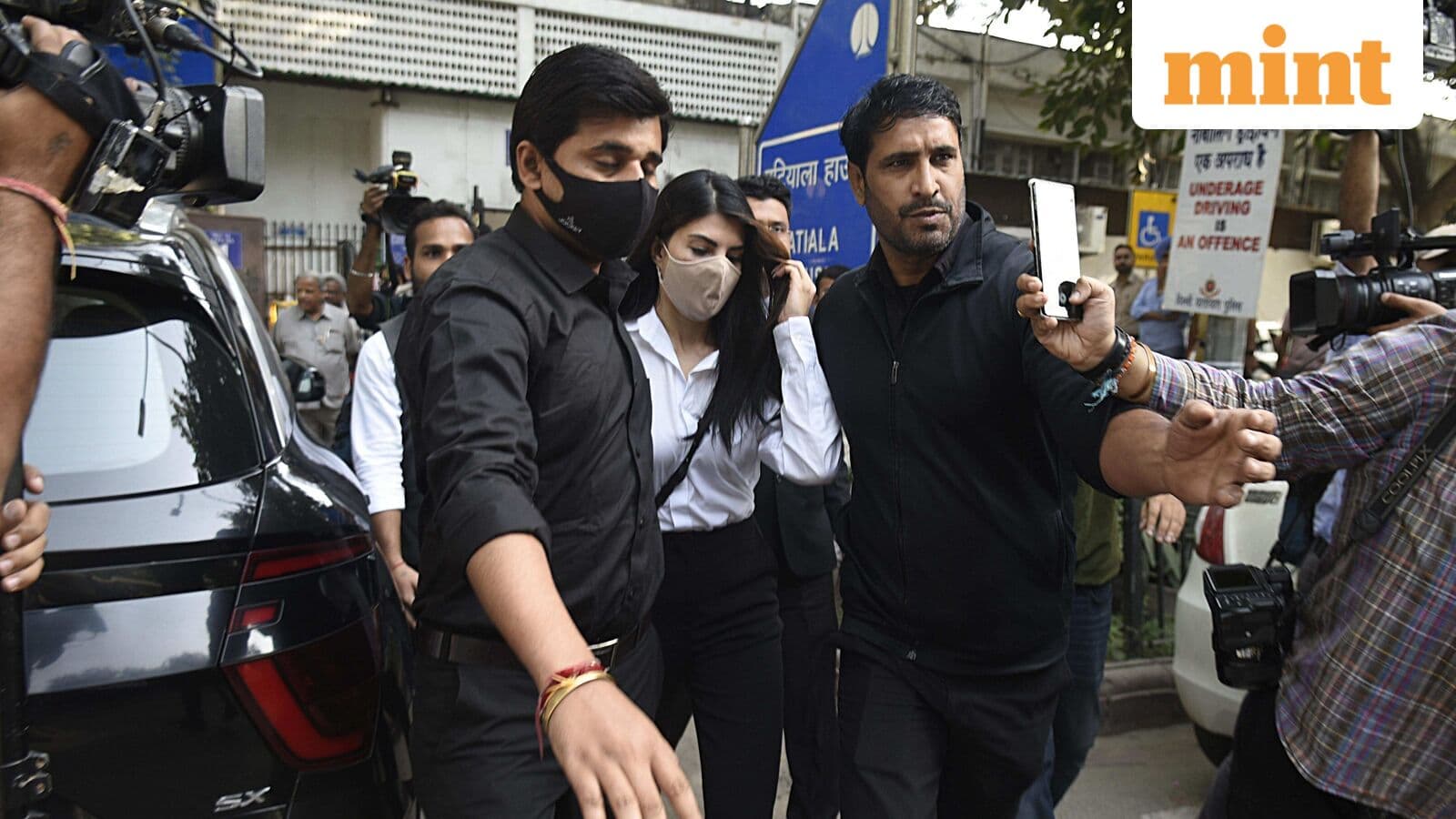
A court at Patiala House Courts on Saturday ordered the framing of charges against Sukesh Chandrasekhar, Leena Maria Paul, Jacqueline Fernandez, and several others in a money laundering case linked to the alleged ₹200-crore extortion of Aditi Singh.The court also directed that charges be framed against Sukesh Chandrasekhar, Leena Maria Paul, and other accused in a separate case under the Maharashtra Control of Organised Crime Act related to the same alleged extortion. Jacqueline Fernandez, however, is not named as an accused in the extortion case.Additional Sessions Judge Prashant Sharma issued the order, directing the framing of charges against the accused in both matters.“I conclude that prima facie, there is sufficient material on record based upon which a strong suspicion is raised against all accused persons namely, Sukesh Chandrasekhar, Leena Maria Paul alias Leena Paulose, Deepak Ramnani, Pradeep Ramdanee, B. Mohanraj, Arun Muthu, D. Kamlesh Kothari, Pinky Irani, Jacqueline Fernandez, Pooja Singh, Dharam Singh Meena, Mahender Prasad Sundriyal, Sunder Bora, Komal Poddar (15) Jitender Narula, Avinash Kumar, Jai Prakash Singhal, for which said accused persons have to be charged with offence under section 3 of PMLA, punishable under section 4 of PMLA,” said ASJ Prashant Sharma while framing charges in the money laundering case.The court has listed the matter for formal signing of charges on June 3. The accused are directed to appear before the court physically at 2 PM.Delhi Police had filed a case on the Complaint of Aditi Singh. Thereafter, a case of Money laundering was lodged by the Enforcement Directorate.The Delhi High Court dismissed a petition filed by Jacqueline Fernandez seeking to quash the supplementary charge sheet in which she was named by the Enforcement Directorate (ED).Following the court's cognisance of the ED's charge sheet, summons were issued to Fernandez. She later appeared before the court and was granted bail.Sukesh Chandrasekhar remains in judicial custody. His wife, however, secured bail from the High Court in a money laundering case, though her request for bail under the Maharashtra Control of Organised Crime Act was rejected by the Delhi High Court.Bail applications filed by other accused persons are currently pending before the High Court.In a recent development, Fernandez withdrew her application seeking to become an approver in the money laundering case.(With inputs from ANI)About the AuthorLivemintFor about a decade, Livemint—News Desk has been a credible source for authentic and timely news, and well-researched analysis on national news, business, personal finance, corporates, politics and geopolitics. We bring the latest updates on all the listed companies on BSE and NSE, startups, mutual funds, Union ministries, geopolitics, and untapped human interest stories from around the world, helping our readers to stay informed on the latest developments around the globe. Our Coverage Areas 1. Companies: Comprehensive news and analysis on listed and unlisted companies, corporate announcements, corporate chatter, C-suite, business trends, hiring alerts, layoffs, work-life balance, world's top billionaires and richest and more. 2. Personal finance: Insights into mutual funds, small savings schemes like - PPF, SSY, post office savings scheme, stock to watch, personal loans, credit cards, top bank FDs, real estate, income tax and more. 3. Politics: Comprehensive coverage of general elections, state elections and bypolls, Lok Sabha, Vidhan Sabha, Parliament, PMO, PIB, finance ministry, home ministry, among other union ministries and government departments. 4. National News: From metro cities like Delhi, Mumbai, and e to untapped stories from rural India, we cover human interest, health, education, crime and courts, and law and order, among other areas of public interest. 5. Economy: In-depth analysis of India's macro and micro-economic indicators like- GDP, inflation, forex, fiscal deficit, current acco

Justices P S Narasimha and Alok Aradhe emphasised the need for accountability in medical entrance examinations, suggesting that the NTA learn from the UPSC's success in preventing issues such as paper leaks. Supreme Court of India. (ANI)(HT_PRINT)The Supreme Court on Friday emphasised the need for accountability in the NEET paper leak case, observing that such incidents are “extremely traumatic” not only for students but also for their families, PTI reported."We should not disappoint our youngsters," a bench of Justices P S Narasimha and Alok Aradhe said while hearing pleas on the matter, including one seeking a direction to replace or restructure the National Testing Agency (NTA) with a robust and autonomous body to conduct the medical entrance examination.The bench remarked that the NTA should learn from institutions such as the UPSC, which successfully conducts large-scale competitive examinations without incidents of paper leaks, as reported by LiveLaw."UPSC has never been a situation, you need to learn," Justice Narasimha said, as reported by LiveLaw.Solicitor General Tushar Mehta told the bench that the government is seriously concerned about the concerns of the youths and Prime Minister Narendra Modi is personally supervising the situation so that there is no lacunae."The real problem won't stop till actual accountability arises," the bench observed."It is actually very traumatic if something like this happens, not just for the students, but also their families and everybody," the bench said, adding, “They invest so much emotion.”Solicitor General Tushar Mehta informed the bench that several new mechanisms have been introduced for the NEET-UG re-test scheduled on June 21. The bench directed the Centre to file an affidavit in the matter and listed the case for hearing in the second week of July, PTI reported.On May 12, the NTA cancelled the NEET-UG conducted on May 3 for medical admissions following allegations of a paper leak. A re-examination has now been scheduled for June 21.The CBI is currently investigating the allegations of a paper leak.It may be recalled that after allegations of a NEET-UG paper leak surfaced in 2024, the Supreme Court had declined to cancel the examination but issued several directions aimed at preventing paper leaks and laid down criteria for the cancellation of public examinations.(With inputs from agencies)(This is a developing story; check back later for updates)About the AuthorMausam JhaMausam Jha is a journalist who focuses on world affairs and politics. She provides clear, informative reporting with a good understanding of both global events and their local impact. Her clear, accessible reporting on political and international issues makes her a trusted source of news and analysis. For the past three years, Mausam has worked with Mint, covering national politics, IR—including elections—and global affairs. Before joining her current role, she gained experience working with The Statesman, ANI, and Financial Express, where she honed her skills in political and international news. She has consistently tracked key electoral battles, including US elections, Japan elections, policy debates, and strategic affairs, explaining how global currents, from great power competition to regional conflicts Beyond journalism, Mausam has a deep engagement with international relations, diplomacy, war studies, terrorism, political history, and political theory. She is particularly interested in the intersection of statecraft and society on how governance, ideology, and institutions shape lived realities, and how politics shape today's world order. An avid reader of classical literature and political thought, she constantly explores the connections between historical ideas and contemporary policy challenges. Stay updated with the latest Trending, India , World and US news. HomeNewsWorld‘Very traumatic’: Supreme Court stresses accountability for ‘lapses’ in NE
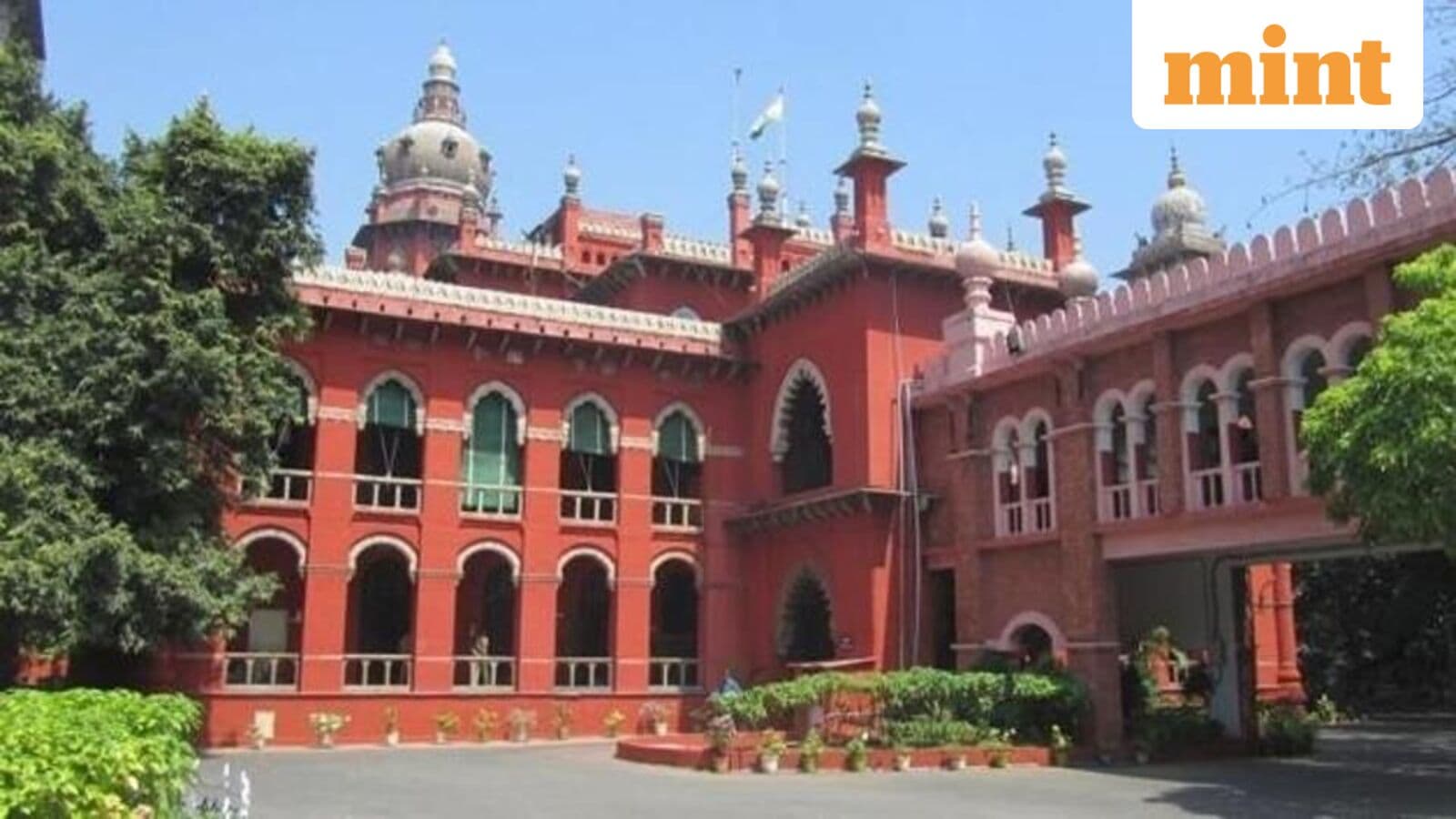
The Madras High Court on Wednesday ordered the Tamil Nadu government to ensure that no cows or calves are slaughtered in the state on the eve of Bakrid or on any other day, reported Bar and Bench.A bench comprising Justice GR Swaminathan and Justice V. Lakshminarayanan also instructed the Chief Secretary and the Additional Director General of Police (Law and Order) to issue appropriate instructions to all concerned authorities to ensure strict compliance with the order.What did the Madras HC say?“We allow this writ petition with a direction to the State of Tamil Nadu to ensure that no cow or calf is slaughtered on the eve of Bakrid or on any other day,” the Court said.The Bench directed that authorities must not allow the slaughter of any animal at locations other than authorised slaughterhouses.The order was issued in response to a public interest litigation filed by Coimbatore resident K Surya alias K. Surya Prasanth, who sought court intervention to stop the slaughter of cows in public spaces.The Court strongly objected to the position taken in the counter-affidavit filed by the Inspector of Police of D2 Selvapuram Police Station in Coimbatore, which stated that certain temporary locations had been designated for cow slaughter.Raising concerns over this claim, the Court questioned how makeshift or temporary sheds could be considered valid or lawful slaughtering facilities.The Court further clarified that it is not within the police’s jurisdiction to determine or designate slaughtering sites, stating that such decisions must be made by the competent local authority in accordance with the relevant law.The petitioner had previously submitted a representation to the authorities requesting action to prevent cow slaughter during Bakrid. With no response forthcoming, he approached the High Court.While observing that the petitioner’s representation and writ petition were not well drafted, the Court noted that this did not stand in the way of it considering the substantive issue raised in the case.The Court relied on an earlier Division Bench ruling of the Madras High Court dated July 30, 2020, along with a 1976 Government Order issued by the Tamil Nadu government concerning cow slaughter.It observed that the law does not impose an outright or blanket prohibition on cow slaughter in all circumstances. However, it held that such slaughter would not be permissible unless the conditions prescribed under the relevant legal provisions are fulfilled.The Bench also referred to Article 48 of the Constitution, which directs the State to take measures to prohibit the slaughter of cows, calves and other milch and draught cattle.The Court also cited the Tamil Nadu Urban Local Bodies Rules, 2023, observing that slaughter activities are permitted only at officially designated locations.It further took note of a government order issued by the Tamil Nadu government prohibiting the slaughter of cows and heifers in all slaughterhouses across the state, and held that the order is legally enforceable.The court mentioned, "A Government Order issued by the Government banning cow slaughter is very much sustainable and has to be enforced, as it has the force of law.”It noted that cow slaughter on Bakrid is not an essential or mandatory part of the religious observance.It then examined the Tamil Nadu Animal Preservation Act, 1958 and observed that under Section 4, no animal can be slaughtered without a certificate from the competent authority confirming that it is fit for slaughter.The Bench added that a cow may only be slaughtered if it is over ten years old and unfit for work and breeding, or if it has become permanently disabled due to injury, deformity or an incurable disease, the report noted.The Court held that as the provision permitting cow slaughter appears to be inconsistent with Article 48, it must be interpreted in a strict manner.It further stated that although the petition was confined to Coimbatore, the statutory requirements must be enforced
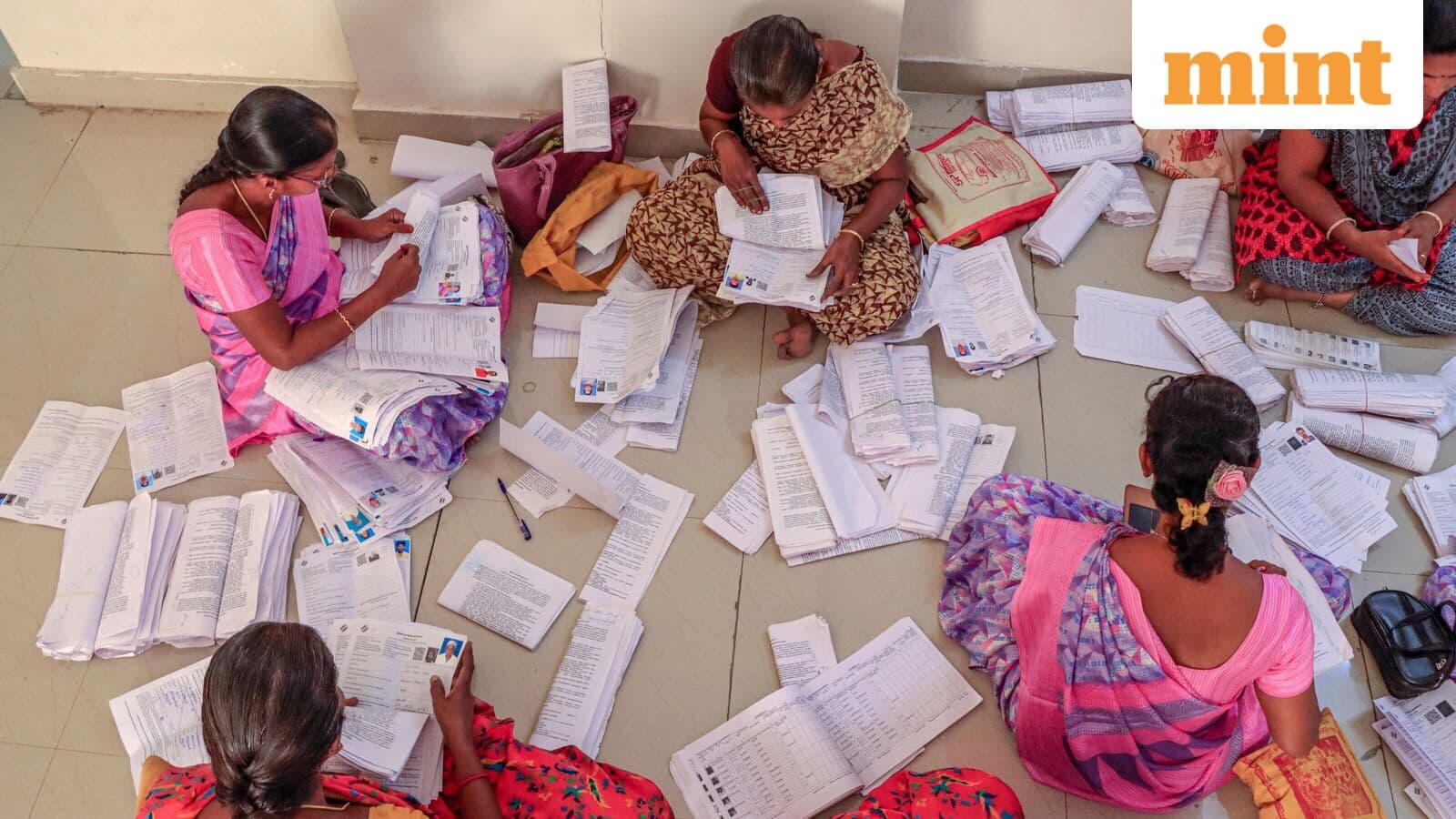
A bench headed by Chief Justice of India Surya Kant had on January 29 reserved its verdict on the batch of pleas chellenging the Election Commission's exercise.Electoral staff segregate forms of the special intensive revision (SIR) of electoral rolls, in Tirunelveli, Tamil Nadu, Thursday, Dec. 11, 2025. (PTI FILE PHOTO)(HT_PRINT)The Supreme Court is scheduled to deliver its judgement today on a batch of petitions challenging the Special Intensive Revision (SIR) of electoral rolls in Bihar.The pleas have claimed that the Election Commission does not have the powers under Article 326 of the Constitution, the Representation of the People Act, 1950 and the Rules made under it to carry out SIR on such a larger form.A bench headed by Chief Justice of India Surya Kant had on January 29 reserved its verdict on the pleas.The batch of petitions, filed in June last year following the ECI’s decision to conduct the SIR exercise in Bihar and other States, includes pleas filed by election watchdog, the Association for Democratic Reforms (ADR), civil rights group People’s Union for Civil Liberties (PUCL), political activist Yogendra Yadav, Trinamool Congress leader Mahua Moitra, RJD MP Manoj Jha, Congress leader K C Venugopal, among others.The Election Commission had had last year begun the SIR exercise in Bihar followed in other states after which a batch of pleas was filed before the top court challenging the constitutional validity of the exercise.The SIR in Bihar was conducted in the first phase of the exercise.The petitioners sought a direction from the top court to set aside the ECI’s June 24, 2025 order on the SIR exercise.On 28 July, the Supreme Court refused to stay the EC from publishing the draft voters’ list on August 1, 2025, following the SIR exercise in Bihar.The ECI defended the SIR exercise and submitted before the top court that it was a legitimate process that had been conducted in various States.Final arguments held in AugustThe top court had commenced final arguments in the matter on August 12 last year, when it observed that inclusion or exclusion of names in the electoral rolls falls within the constitutional remit of the Election Commission.The poll authority had come out with the names of 65 lakh people who were removed from the draft electoral rolls published as part of the SIR exercise.According to the SIR notification, voters who were not present in the 2002 or 2003 rolls had to show ancestral linkage with someone present in the rolls then.The EC had defended the SIR exercise, maintaining that Aadhaar and voter identity cards cannot be treated as conclusive proof of citizenship.It was alleged by the petitioners that the electoral rolls revision was an "NRC-like process" where the poll body was verifying citizenship, a power which vests in the central government.The inclusion or exclusion of names in the electoral rolls falls within the constitutional remit of the Election Commission.Advocate Prashant Bhushan, appearing for ADR, had questioned the timeline for the completion of the exercise and the data of 65 lakh voters who were declared dead or migrated or registered in other constituencies.SIR Phase 3 announcedEarlier this month, the Election Commission announced Phase III of the Special Intensive Revision (SIR) across 19 states and Union Territories. Phase 1 was conducted in Bihar, between June and September 2025, ahead of the 2025 state Assembly Election, while Phase II was conducted in nine states and three UTs between October 2025 and February 2026.The poll body said that the SIR of Electoral Rolls will cover the entire country in Phase-III. This, however, won't include Himachal Pradesh, Jammu & Kashmir and Ladakh.(With PTI inputs)Get Latest real-time updatesStay updated with the latest Trending, India , World and US news. HomeNewsSupreme Court verdict today on pleas challenging SIR of electoral rolls in BiharMore

Iran's Supreme Leader Mojtaba Khamenei has not been seen or heard in public since before the start of the war with the United States and Israel. According to CBS report quoting US officials with direct knowledge of intelligence assessments, Khamenei is effectively isolated inside an undisclosed location, surrounded by extreme security measures designed to prevent the kind of targeted strike that killed his father, Ayatollah Ali Khamenei, who led Iran from 1989 until his death on 28 February.The disappearance of Iran's Supreme Leader is now having a direct and measurable impact on nuclear negotiations between Washington and Tehran. When the US sends proposed deal terms, the difficulty in reaching the supreme leader means responses can take an unusually long time to arrive, two US officials confirmed.How Khamenei Is Communicating: A Network of Couriers Designed to Conceal His LocationUS intelligence officials say Mojtaba Khamenei has constructed an elaborate courier system to receive and send messages, deliberately ensuring that even the most senior figures within the Iranian government do not know his precise location and have no way to contact him directly.Every message he receives travels through a chain of intermediaries before reaching him. Every response takes the same slow, circuitous route back out."This is why you see people saying things like, 'The supreme leader has agreed to the framework,' or 'We're waiting to hear back on the final deal points.' Every piece of information he receives is dated and there's a lot of latency to his responses," one US official said.The supreme leader has communicated in broad terms to his subordinates, providing direction on which issues Iranian negotiators may discuss and which subjects are off the table entirely.The officials described a paralysing atmosphere of caution spreading through the entirety of Iran's senior leadership. Most Iranian officials are spending weeks inside heavily fortified bunkers and avoiding direct communication with each other unless it is absolutely necessary."Watching them try to figure out how to talk to each other is almost like watching a sitcom. They are completely exasperated," one official said.Experts Compare Khamenei's Hiding Strategy to Osama bin Laden's Final YearsCounterterrorism analysts are drawing direct comparisons between Khamenei's disappearance and the decade Osama bin Laden spent in hiding after the September 11, 2001 attacks on the United States, eventually sheltering inside a fortified compound in Abbottabad, Pakistan, before being killed in a US Navy SEAL raid in 2011."For the first time in the history of the Islamic Republic, the United States has done to Tehran what it spent two decades doing to al-Qaeda and ISIS," Dr Omar Mohammed, a counterterrorism expert with the Antisemitism Research Initiative at George Washington University's Programme on Extremism, told FOX News."The US has driven its leader into the same kind of operational invisibility that bin Laden lived in for 10 years in Abbottabad," Mohammed added.The parallels, according to Mohammed, extend beyond geography and tactics to the circumstances that brought both men to power."Both Mojtaba Khamenei and bin Laden inherited their status on the back of an American operation, and both responded the same way: by ceasing to exist publicly," Mohammed said, noting that bin Laden "stopped releasing dated videos around 2007 and confined himself to audio messages carried by hand."The Osama Bin Laden Playbook: How Physical Couriers Enabled a Decade of HidingBin Laden founded al-Qaeda in the late 1980s and masterminded the September 11 attacks against the United States. Following the US invasion of Afghanistan, he evaded capture for a decade by abandoning all digital communications and relying entirely on a small network of trusted physical couriers.US intelligence eventually traced one of those couriers to his compound in Abbottabad, a garrison town located roughly a mile from Pakistan'
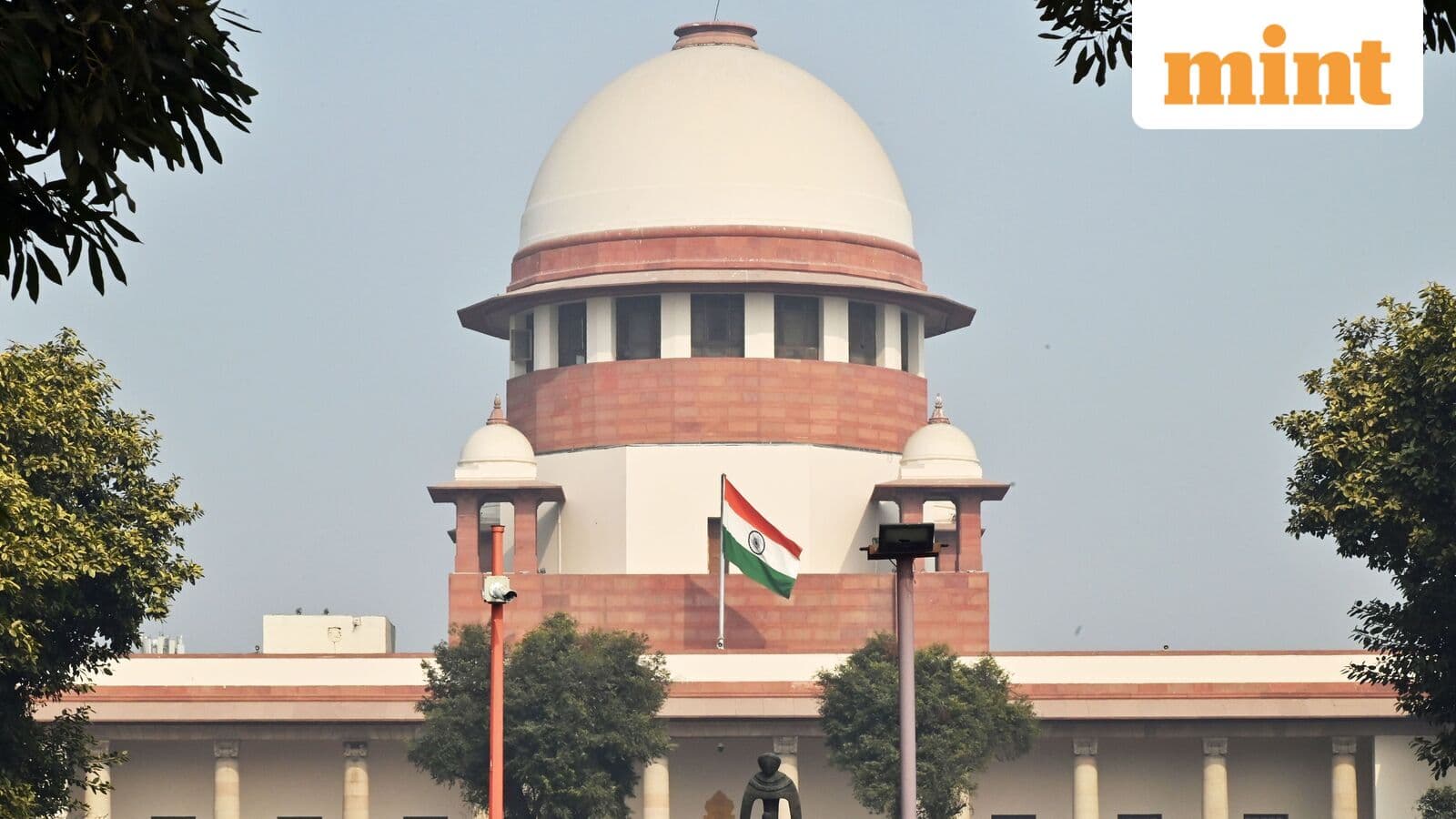
Recalling its March 11 order, the Supreme Court reportedly said that the Union and the States may take an independent decision on associating these academics for academic projects.The Supreme Court of India.(PTI)The Supreme Court modified on Friday its earlier order that had directed the Centre, states, and others to disassociate from three academics involved in preparing the controversial NCERT Class 8 chapter on corruption in the judiciary.Recalling its March 11 order, the Supreme Court said that the Union and the States may take an independent decision on associating these academics for academic projects, Live Law reported.The court left it open to the Centre, states, Union territories, public universities and institutions that receive funds from the central or state governments to take an independent decision on the issue, without being influenced by its observations made in the March 11 order, news agency PTI reported.The three academics were Professor Michel Danino, Suparna Diwakar and Alok Prasanna Kumar.SC's full statementA bench of Chief Justice of India (CJI) Surya Kant and Justices Joymalya Bagchi and Vipul M Pancholi expunged the part of the March 11 order that had recorded that the three academics had "deliberately and knowingly misrepresented the facts" in order to project a negative image of the Indian judiciary to the students of Class 8.The bench passed the order while hearing a plea moved by the three academics who explained their stand, saying no individual had the sole say in the drafting of the content and it was a collective process.The court also observed that its comments were made in the context of the contents and not the individuals.While reiterating that the chapter was "wholly undesirable", the Supreme Court observed, “Owing to the explanation given by the applicants, we deem it appropriate to modify para 8 of the order and recall the direction given to the Government of India/State/UT/Institutions to disassociate the 3 applicants from the academic activities.” “We leave it to Union/State/other authorities to take an independent decision without being influenced by the observations made in our above-stated order,” the court said, as per Live Law.What happened earlierOn March 11, acting tough against the three experts involved in the drafting of the controversial chapter in the National Council of Educational Research and Training's (NCERT) social science book for Class 8, the court had directed the Centre and all states to disassociate from them.It had directed the Centre to form a committee of domain experts within a week for the purpose of finalising the curriculum of the NCERT's legal studies for not only Class 8 but higher classes as well.The bench was hearing a suo-motu (initiated on its own) case titled "In Re: Social Science textbook for Grade-8 (part-2) published by NCERT and ancillary issues".The court was informed that the chapter was drafted by the textbook development team under Danino's chairmanship and consisting of members Diwakar and Kumar.On February 26, the apex court imposed a "blanket ban" on any further publication, reprinting or digital dissemination of the NCERT's Class-8 social science textbook that contained the "offending" contents on corruption in the judiciary, saying they have fired a gunshot and the judiciary is "bleeding".(With inputs from PTI)Stay updated with the latest Trending, India , World and US news. HomeNewsIndiaNCERT book row: Supreme Court recalls earlier order banning three academics, removes adverse commentsMore
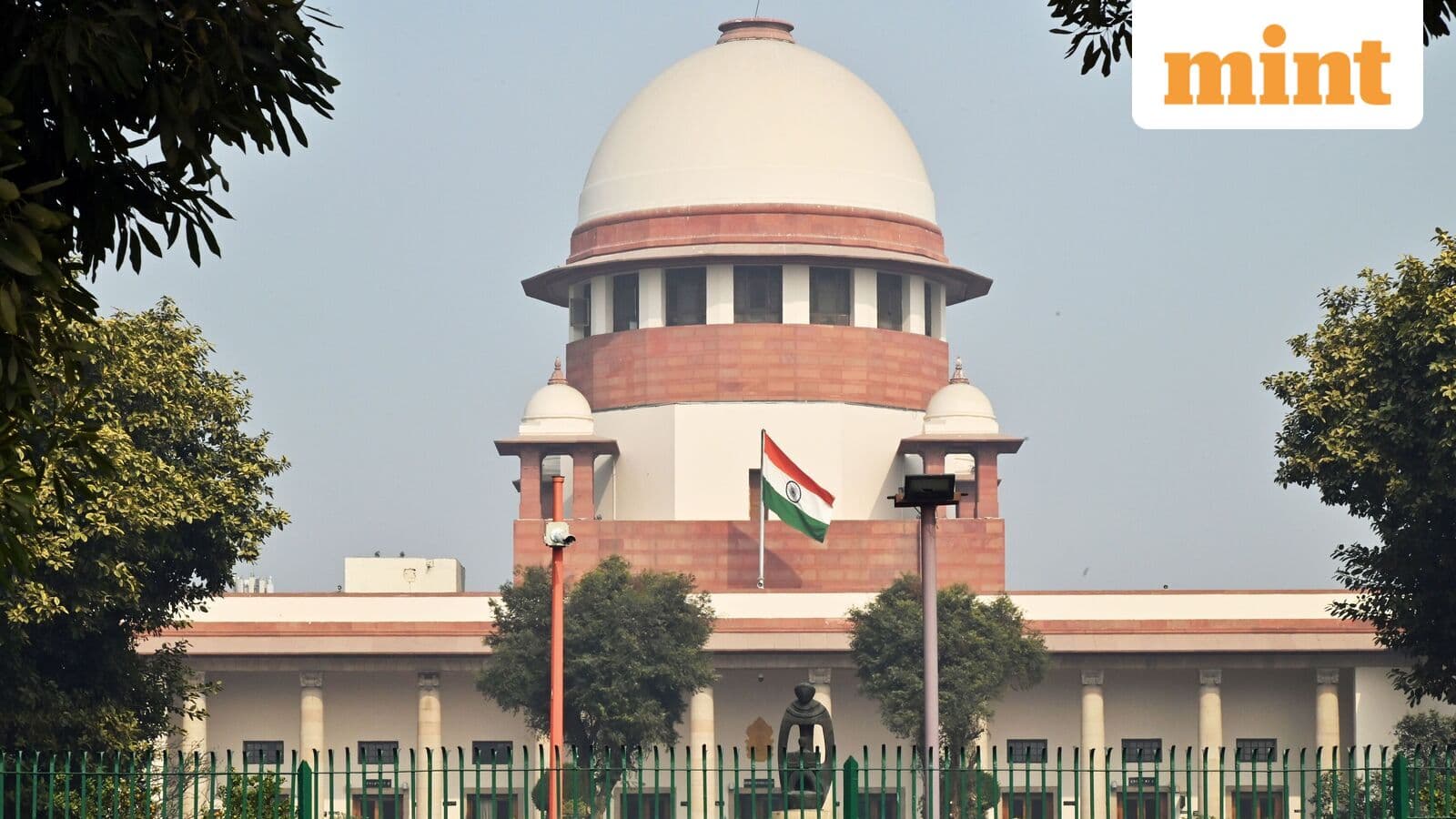
President Draupadi Murmu has approved the Union Cabinet's decision to increase the strength of the Supreme Court from 34 to 38 judges, said Union Law Minister Arjun Ram Meghwal on Sunday.The Supreme Court of India.(PTI)President Draupadi Murmu has approved the Union Cabinet's decision to increase the strength of the Supreme Court from 34 to 38 judges, said Union Law Minister Arjun Ram Meghwal on Sunday.In an X post, Meghwal said, "The President is pleased to increase the Judge strength of the Supreme Court from 33 to 37 Judges (Excluding the Chief Justice of India) by promulgating The Supreme Court (Number of Judges) Amendment Ordinance, 2026, which has further amended the "Supreme Court (Number of Judges) Act, 1956".The Union Cabinet, chaired by Prime Minister Narendra Modi, on May 5 approved the proposal for introducing The Supreme Court (Number of Judges) Amendment Bill, 2026 in Parliament to amend The Supreme Court (Number of Judges) Act, 1956 for increasing the number of Judges of the Supreme Court of India by 4 from the present 33 to 37 (excluding the Chief Justice of India).It has been widely welcomed by members of the legal fraternity, who described it as a timely step to deal with rising pendency and growing litigation before the apex court.President of the Supreme Court Bar Association, Senior Advocate Vikas Singh, said the demand for increasing the number of Supreme Court judges had existed for a long time due to the steady rise in filings before the apex court. He said that although the disposal rate of Supreme Court judges has been commendable, the heavy volume of cases requires more judges.Singh also highlighted the need for matching infrastructure and expressed hope that a part of the new Supreme Court building would become operational by the end of this year. According to him, the Court can comfortably accommodate 38 judges and may even require around 50 judges in the coming years once the entire new building becomes functional.Senior Advocate Sacchin Puri, Vice President of the Delhi High Court Bar Association, termed the decision a "positive and much-needed step." He said increasing the strength of judges was the need of the hour and would help in the speedy disposal of pending matters. He added that the move would benefit litigants as well as the legal community.Advocate Sumit Gehlot, a Supreme Court lawyer known for his views on constitutional and judicial issues, said the move was welcome but noted that merely increasing the number of judges would not fully solve the problem of pendency. Referring to the nearly 95,000 pending cases in the Supreme Court, he stressed the need for structural reforms and better case management systems alongside increasing judicial strength.Eminent lawyer Hemant Shah also said that while the increase in judges may help reduce backlog, it cannot be the only solution. He pointed out that several judges are set to retire in 2026, which may again impact pendency. Shah further suggested that the government should work towards reducing unnecessary litigation.Advocate Juhi Arora Gupta, known for her legal expertise and court practice, described the move as a crucial step for improving judicial efficiency and ensuring speedy justice. She said the growing number and complexity of cases had made it difficult for the present strength of judges to manage matters efficiently.However, former Union Law Secretary PK Malhotra said that simply increasing the number of judges may not bring major judicial reforms. He suggested that the government should consider setting up regional Courts of Appeal so that the Supreme Court can focus mainly on constitutional matters.Overall, while legal experts have largely welcomed the Centre's decision, many believe that increasing the number of judges must be accompanied by wider judicial reforms to effectively tackle delays and pendency in the justice delivery system.Disclaimer: This story has been published from a wire agency feed without modifications to the
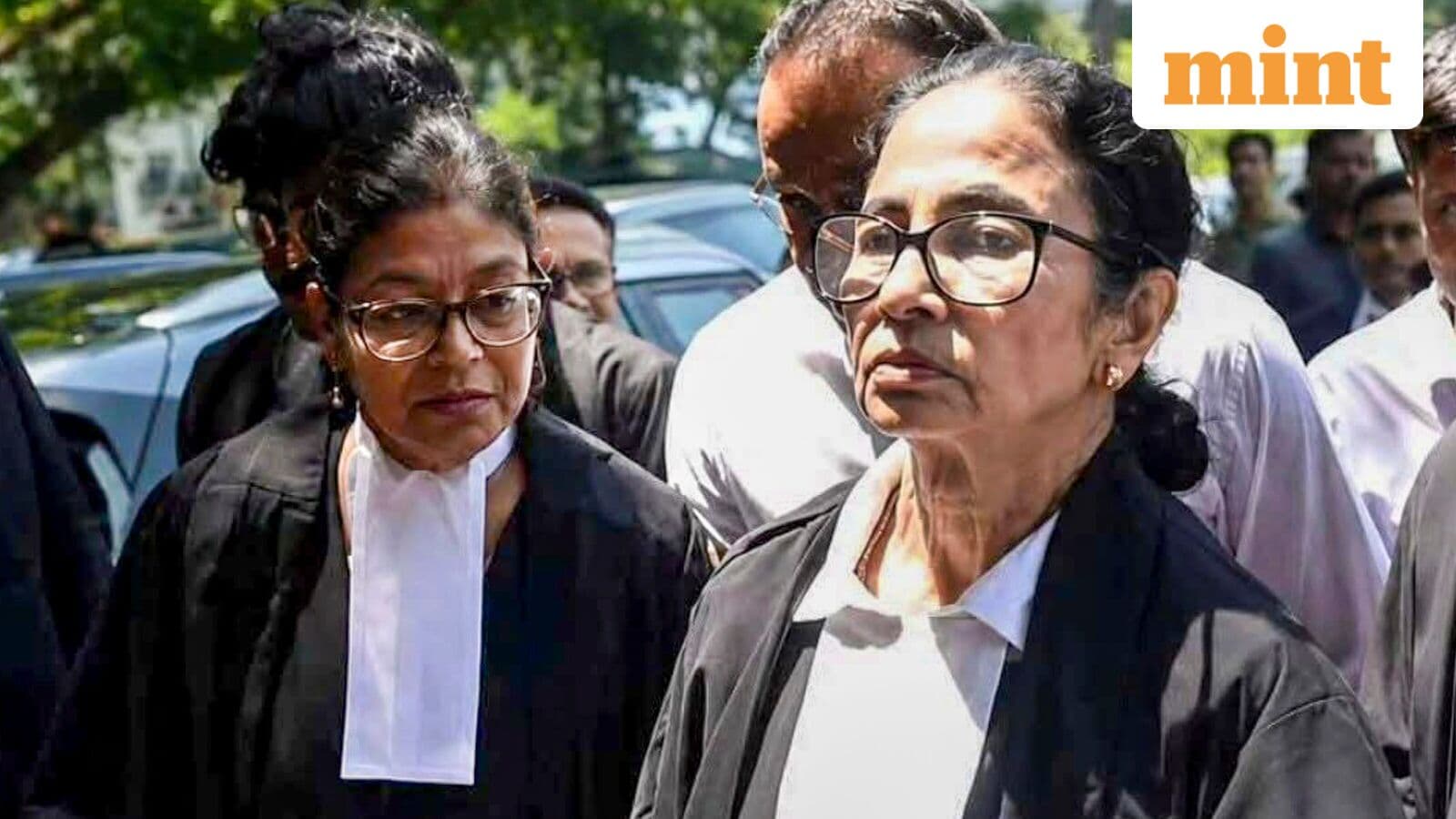
The matter pertains to a public interest litigation filed by advocate Shirshanya Bandyopadhyay on behalf of the Trinamool, alleging attacks on party offices and violence against its workers.Mamata Banerjee appears before Calcutta HC wearing lawyer's gown to argue in Bengal post-poll violence case(Handout )Former West Bengal chief minister and TMC supremo Mamata Banerjee on Thursday, May 14, appeared before the Calcutta High Court in connection with alleged post-poll violence and attacks on party offices. What stood out in this case was that Mamata Banerjee appeared before the high court wearing a lawyer's gown to argue in the case.The Trinamool Congress chief was accompanied by senior Trinamool Congress leaders Chandrima Bhattacharya and Kalyan Banerjee.The matter pertains to a public interest litigation filed by advocate Shirshanya Bandyopadhyay on behalf of the Trinamool, alleging attacks on party offices and violence against its workers.Multiple reports of arson and violence were reported across West Bengal following the announcement of the 2026 assembly poll results in which the Bharatiya Janata Party (BJP) won with a landslide margin. Reports of violence at Trinamool party offices had also surfaced.During the hearing, Mamata Banerjee urged “immediate protection of people,” as she alleged that hooliganism and items were burned in “front of police.”She further alleged that “children are not spared, minority are not spared, women are not spared.” She said 10 of Trinamool Congress workers were also “murdered” in the post-poll violence.Kalyan Banerjee told the court that told the court that "many TMC party offices were burnt" in the post poll violence.“Take the 2021 post-poll violence case, the Chief Justice constituted a five-judge bench...The incidents of today are more than what happened at that time post-poll violence,” Kalyan Banerjee said.According to the petitioner, several TMC leaders and workers were allegedly forced to flee their homes after the polls, while many of them were attacked “because of their association with the Trinamool Congress”.The petition was filed on may 12 and the matter came up for hearing before a division bench comprising Chief Justice Sujoy Paul and Justice Parthasarathi Sen.In a post on X, the TMC said: “Our Hon'ble Chairperson Smt @MamataOfficial personally reached the Calcutta High Court today to argue in a matter concerning the widespread post-poll violence unleashed across Bengal by @BJP4Bengal.” While the party has lost the seat in West Bengal after 15 years of rule, it has asserted how Mamata Banerjee has shown what "truly sets her apart".“She NEVER abandons the people of Bengal in their hour of need. She NEVER stops fighting for truth, justice, and constitutional values. And time and again, she rises above the politics of hatred with unmatched COMPASSION, COURAGE and CONVICTION.”“Whether confronting the injustice of SIR or standing firm against the unruly conduct of @BJP4India, she continues to prove that there is truly NO LEADER LIKE HER in the country today,” the TMC said.(With inputs from agencies)About the AuthorLivemintFor about a decade, Livemint—News Desk has been a credible source for authentic and timely news, and well-researched analysis on national news, business, personal finance, corporates, politics and geopolitics. We bring the latest updates on all the listed companies on BSE and NSE, startups, mutual funds, Union ministries, geopolitics, and untapped human interest stories from around the world, helping our readers to stay informed on the latest developments around the globe. Our Coverage Areas 1. Companies: Comprehensive news and analysis on listed and unlisted companies, corporate announcements, corporate chatter, C-suite, business trends, hiring alerts, layoffs, work-life balance, world's top billionaires and richest and more. 2. Personal finance: Insights into mutual funds, small savings schemes like - PPF, SSY, post office savings scheme, stock to watch, personal l
TMC takes SIR issue to Supreme Court: ‘Winning margin in 31 seats less than deletions’About the AuthorAkriti AnandAkriti Anand is a Deputy Chief Content Producer at LiveMint. She is a digital journalist with more than six years in the news industry. In her current role, she covers both national and international politics, and also keeps a close watch on the latest trends in science and space exploration. Akriti joined the LiveMint team in October 2023. Before this, she built a strong career at other major media houses. She worked as a senior sub-editor at India Today. Later, she moved to CNBCTV-18. There, she covered high-pressure topics like breaking news and major elections. She spent much of her time analysing Parliament bills and complex political debates. She is also a skilled editor who knows how to polish a story for a digital audience. One of her career highlights happened at CNBCTV-18. She made her first television debut during the Chandrayaan-3 mission. She also provided special on-air coverage for the Karnataka Elections. When she is not busy with breaking news, Akriti loves to write explainers and interview experts on a wide range of issues. She also enjoys making complex space missions easy for everyone to understand. Her education helps her tackle these diverse subjects. She holds a BA in English Literature, a Postgraduate Diploma in Mass Communication, and a Master’s degree in Development Studies. She is currently expanding her knowledge in climate journalism. Connect with Akriti here LinkedIn: https://www.linkedin.com/in/akriti-anand-868285199 Twitter/X: https://x.com/AkritiAnand7 Email: akriti.anand@htdigital.in Stay updated with the latest Trending, India , World and US news. HomeNewsIndiaTMC takes SIR row to Supreme Court after BJP victory in Bengal polls: ‘Winning margin in 31 seats less than deletions’More

Discussion (0)