
Loading dispatches...
← Return to Newsroomgeneral
Don’t bet on civil society in Pakistan
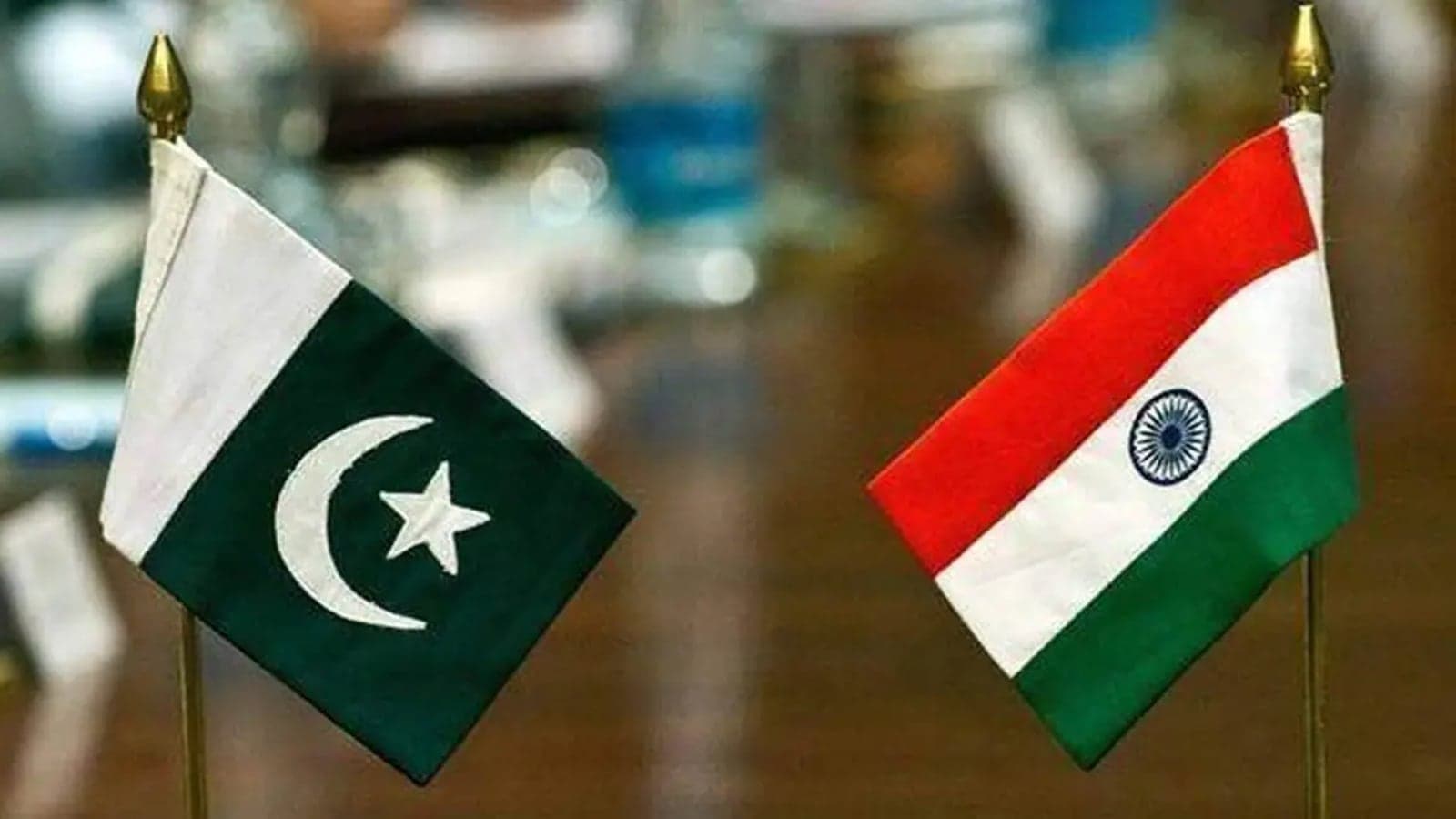
RSS’s Dattatreya Hosabale has advocated reopening dialogue with Pakistan. Is it the right moment? On May 12, senior RSS leader Dattatreya Hosabale said that Pakistan’s military and political leadership had lost India’s confidence, and that it was time for “civil society to lead the way”. He added: “The security and self-respect of a country has to be protected, and the government of the day should take care of it. But at the same time, we need not close the doors. We should always be ready to engage them in a dialogue.” He said that trade and commerce and the issuance of visas should not stop, and that cultural affinities between the two countries work in favour of better ties between their civil societies. “Academicians, sportspersons, scientists and community leaders should come forward there, as their political leadership and military leadership have developed aversion towards India.” Pakistan has reportedly welcomed this call. Its foreign ministry spokesperson, Tahir Andrabi, told a press briefing in Islamabad on May 14 that “the voices within India calling for dialogue are obviously a positive development”. However, my experience in service, and later, does not give me cause to believe that Pakistan’s civil society has the clout to push its government towards better ties with India. Civil-society groups in the two countries are bound by the attitudes and policies of the regimes in power — this is especially so with regard to foreign policy.The overarching power of the Pakistani armed forces makes it especially difficult for India-friendly people in the country’s society to take initiatives to further contacts with their neighbour. The intelligence-fundamentalist-bureaucracy-dominated nation, in fact, pays more heed to the diktats of foreign powers than to the advice of some domestic agents. The process began in 1950 when then-Pakistan PM Liaquat Ali Khan declared that the formation of new political parties in opposition to the Muslim League was “against the interest of Pakistan”. The same year, speaking in Washington, he signalled America’s growing role in Pakistan’s power structure by saying, “If your country will guarantee our territorial integrity, I will not keep any army at all.” In 1953, General Ayub Khan went further: “Our army can be your army.” Such dependence weakened democratic institutions. Today, army chief Asim Munir dominates Pakistan’s politics. Will he encourage meaningful civil-society outreach with India? My first exposure to India-Pakistan civil society dialogue came in 2010, when the Centre for Dialogue and Reconciliation invited me to a roundtable comprising representatives of the two countries in New Delhi. Unable to attend, I sent a note advocating a “peace constituency” between the two societies — this was later published in an Indian national newspaper and endorsed by Pakistani human rights activist I A Rehman, who had attended the meeting. I participated in their second conclave in New Delhi in May 2010, which was attended by senior Pakistani representatives like former foreign secretary Humayun Khan, former army chief General Jehangir Karamat, I A Rehman and former minister Sherry Rehman, a member of the National Security Committee of Pakistan’s Parliament. All of them knew that I was a member of the two-person high-level committee appointed by the Maharashtra government to enquire into the systemic lapses during the 26/11 terrorist attacks in Mumbai. During a private interaction with General Karamat, I asked him why Pakistan uses militants against India. I reminded him about the two highest level R&AW-ISI meetings in the late 1980s. At that time, General Hamid Gul had told his Indian counterpart that Pakistan was supporting terrorism against India as “it was afraid of its size”, and that it was “India’s responsibility to instil confidence in a small country like Pakistan”. Karamat’s reply was typically evasive. He said that politicians from Punjab (Pakistan) were patronising militants to stre
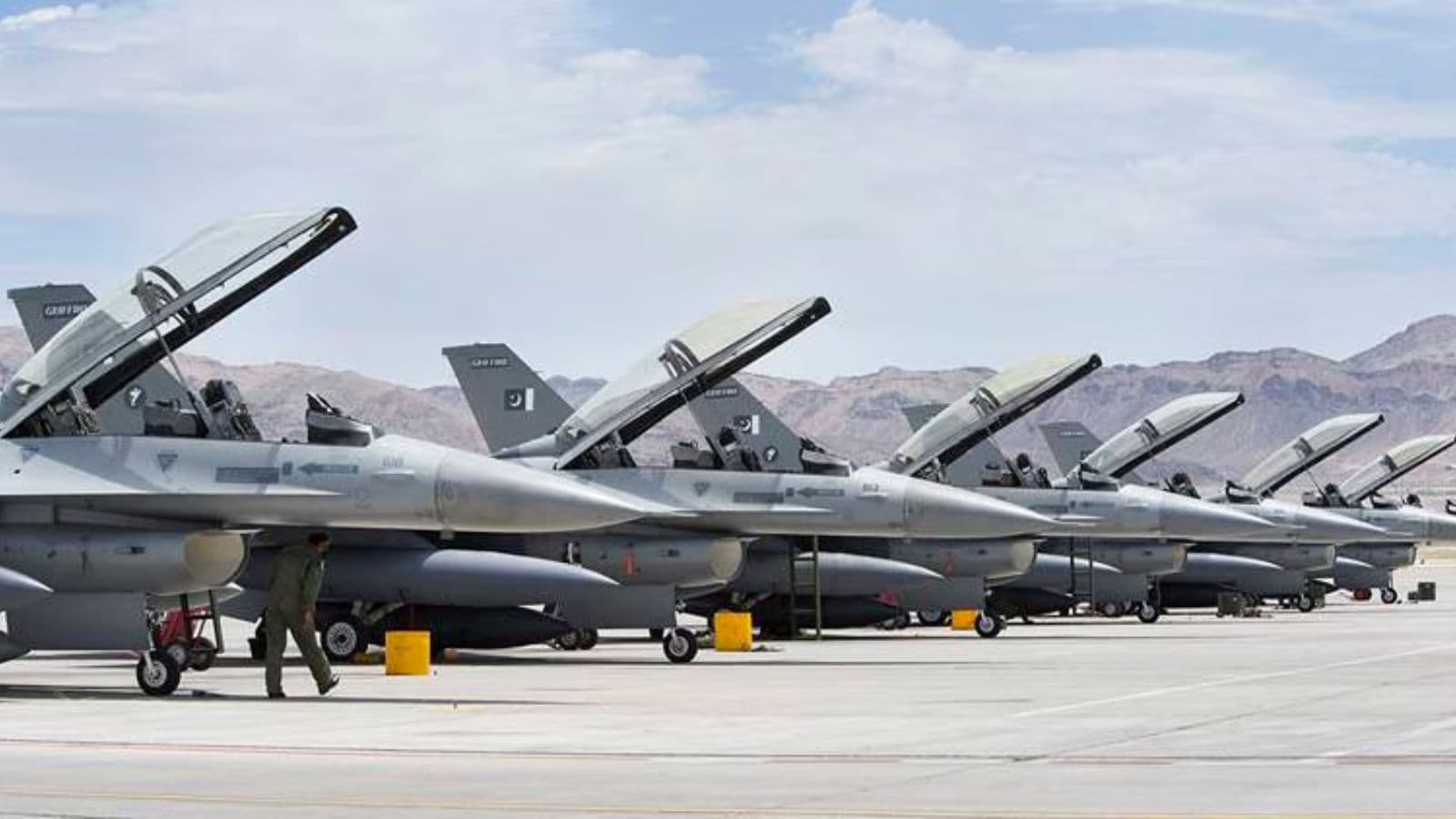
NewsWorldPakistan deploys 8,000 troops and JF-17 jets to Saudi Arabia while acting as core US-Iran peace mediator The move comes during the ongoing Iran conflict, even as Islamabad plays a role in mediation efforts. 2 min readMay 19, 2026 05:50 AM IST First published on: May 19, 2026 at 05:50 AM IST Pakistan has deployed about 8,000 troops, a squadron of fighter jets and an air defence system to Saudi Arabia. (File Photo) Pakistan has deployed about 8,000 troops, a squadron of fighter jets and an air defence system to Saudi Arabia under a mutual defence agreement, according to security and government sources cited by Reuters. The move comes during the ongoing Iran conflict, even as Islamabad plays a role in mediation efforts.Sources told Reuters the deployment includes around 16 JF-17 fighter aircraft, along with drones and a Chinese-made HQ-9 air defence system. They said the personnel operating the equipment are Pakistani, while Saudi Arabia is financing the deployment. Role and purpose Officials said the force is combat-capable and could support Saudi Arabia if it comes under attack. At the same time, two security officials told Reuters the deployed personnel are expected to focus mainly on advisory and training roles during the current situation.Story continues below this ad “The deployment includes around 8,000 troops, with a pledge to send more if needed,” sources said.Existing presence and pact The latest move adds to thousands of Pakistani troops already stationed in Saudi Arabia under earlier agreements. One government source familiar with the deal told Reuters the defence pact allows for a much larger deployment if required. “It provides for the possibility of up to 80,000 Pakistani troops being deployed,” the source said. The agreement, signed last year, requires both countries to support each other in case of an attack, though its full terms have not been made public.Story continues below this ad Wider military cooperation Two security officials also said the arrangement may include the deployment of Pakistani naval assets, though it was not clear if any warships have reached Saudi Arabia. Reuters earlier reported that Pakistan had sent jets to the kingdom after Iranian strikes on Saudi energy sites, which raised fears of a wider conflict. The deployment comes even as Pakistan has taken on a diplomatic role in the crisis. Islamabad has hosted talks between the United States and Iran and helped broker a ceasefire that has held for several weeks, according to Reuters. The Express Global Desk at indianexpress.com which delivers authoritative, verified, and context-driven coverage of key international developments shaping global politics, policy, and migration trends. The desk focuses on stories with direct relevance for Indian and global audiences, combining breaking news with in-depth explainers and analysis. A major focus area of the desk is US immigration and visa policy, including developments related to student visas, work permits, permanent residency pathways, executive actions, and court rulings. The Global Desk also closely tracks Canada’s immigration, visa, and study policies, covering changes to study permits, post-study work options, permanent residence programmes, and regulatory updates affecting migrants and international students. All reporting from the Global Desk adheres to The Indian Express’ editorial standards, relying on official data, government notifications, court documents, and on-record sources. The desk prioritises clarity, accuracy, and accountability, ensuring readers can navigate complex global systems with confidence. Core Team The Express Global Desk is led by a team of experienced journalists and editors with deep expertise in international affairs and migration policy: Aniruddha Dhar – Senior Assistant Editor with extensive experience in global affairs, international politics, and editorial leadership. Nischai Vats – Deputy Copy Editor specialising in US politi
New DelhiUpdated: May 13, 2026 04:44 AM IST MEA spokesperson Randhir Jaiswal in New Delhi Tuesday. (ANI)A year after Operation Sindoor, India on Tuesday called out China on its support to Pakistan during the counter-terror offensive and underlined that “responsible nations must reflect” on how supporting efforts to protect terrorist infrastructure would affect their “reputation”. The comments came days after Chinese media reports confirmed that China provided on-site technical support to Pakistan during its four-day military conflict with India.The Ministry of External Affairs’ official spokesperson Randhir Jaiswal, responding to questions, said, “We have seen these reports that corroborate what was known earlier. Operation Sindoor was a precise, targeted and calibrated response to the terrorist attack in Pahalgam, aimed at destroying state-sponsored terrorist infrastructure operating out of Pakistan and at its behest,” he said at his weekly media briefing. “It is for nations who consider themselves responsible to reflect whether supporting attempts to protect terrorist infrastructure affects their reputation and standing,” he added. Last week, China’s state broadcaster CCTV aired an interview with Zhang Heng, an engineer from the Aviation Industry Corporation of China’s (AVIC) Chengdu Aircraft Design and Research Institute that develops China’s advanced fighter aircraft and unmanned aerial vehicle design. Zhang had provided technical support to Pakistan during the four-day war last May, Hong Kong-based South China Morning Post reported, quoting CCTV. Pakistan’s air force operates a fleet of China-made J-10CE jets, produced by an AVIC subsidiary.

Discussion (0)