
Loading dispatches...
← Return to Newsroomgeneral
Cross-border job scam: 453 Nepali victims repatriated from UP’s Kushinagar after police crackdown
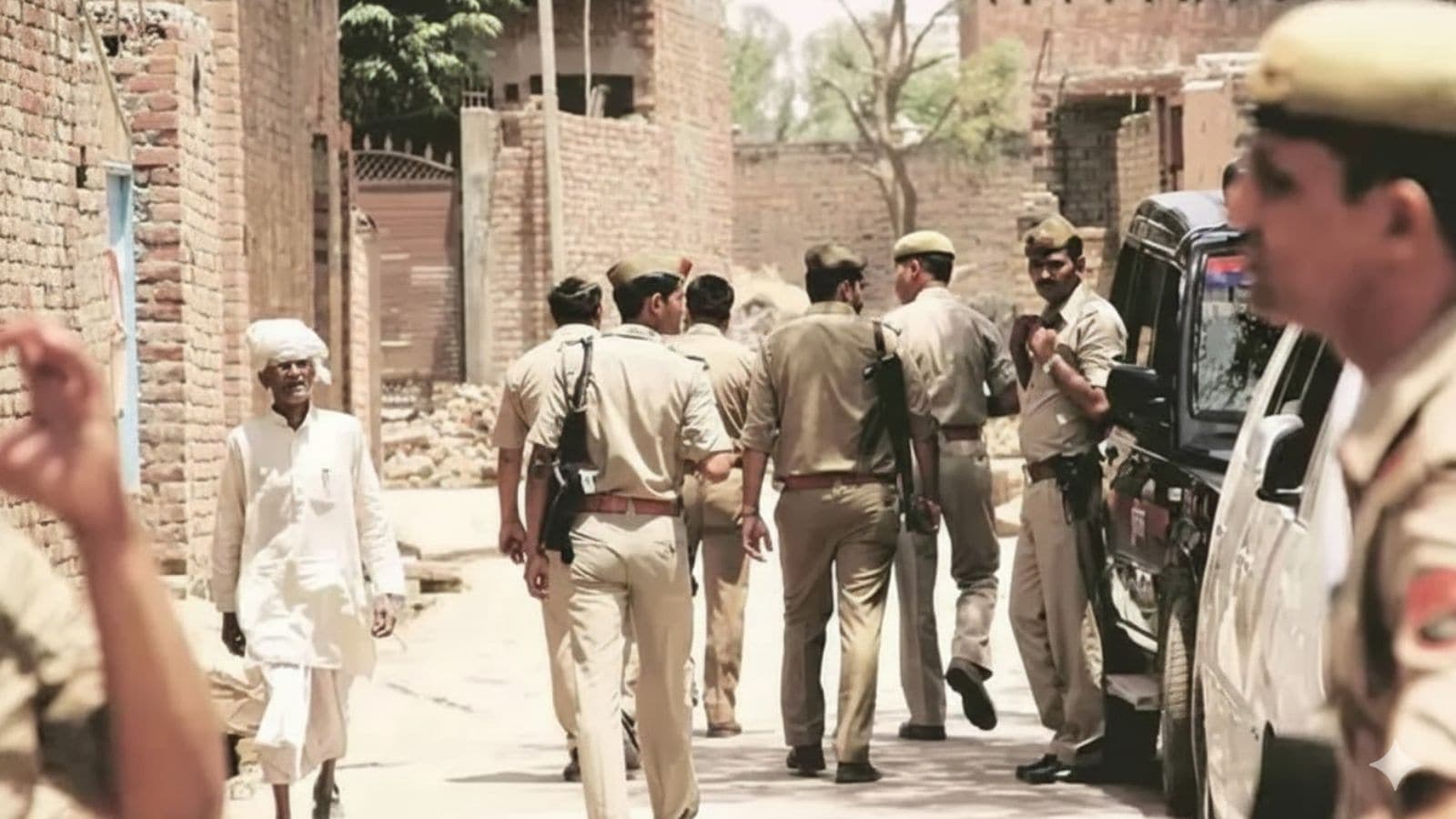
In a major crackdown on an alleged cross-border job scam, 453 Nepali migrants were deported from Uttar Pradesh’s Kushinagar district after an extensive operation exposed a network that lured them to India with promises of skill training and lucrative employment.The migrants, who had been staying in rented accommodation for nearly three months, claimed they were persuaded to pay substantial sums for training programmes and assured of well-paying jobs that never materialised. Several of them alleged that they were not only defrauded but also unlawfully confined by the organisers when they began demanding the promised placements and expressed a desire to return to Nepal.The alleged racket was exposed after some of the victims alerted their families in Nepal and posted accounts of their ordeal on social media. The reports quickly reached the Nepal embassy in New Delhi, prompting diplomatic intervention and triggering a coordinated operation in Kushinagar to trace and rescue the victims. Police teams began tracing the rented accommodation in Kasya Nagar, Kushinagar, where the victims had been staying. In the early hours of Saturday, a large contingent of police personnel moved into the area and carried out a rescue operation, bringing the migrants to safety. The migrants were later transported in eight buses and repatriated to Nepal through the Sonauli border crossing with the assistance of the Nepal embassy. “The due process was followed in sending 453 Nepali nationals, both males and females, back to their country,” Keshav Kumar, Superintendent of Police, Kushinagar, said. On Sunday, the police registered a criminal case against nine suspected members of the recruitment network, accusing them of cheating and other offences. Ashutosh Singh, Station House Officer, Kasya police station, said that eight men and two women have been arrested, while efforts are underway to establish the full extent of the racket’s operation and identify any other accomplices. Seven of the arrested accused are from Nepal, he said. Poor migrants who spoke only NepaliStory continues below this ad Singh said the inquiry found that the network largely focused on recruiting poor Nepali nationals who spoke only Nepali and had a limited understanding of Hindi or English, a factor that allegedly made it easier for the organisers to mislead and control them. The 453 deported migrants came from various parts of Nepal and were largely aged between 20 and 40. The police believe they were persuaded to cross into India after being promised skill-development training and access to well-paid jobs. Victims told the police they were asked to pay sums ranging from Rs 7,000 to Rs 1 lakh, depending on the course and employment package they were offered. The alleged recruitment network had been operating from a rented building in Kushinagar for nearly three months. The police are now questioning the property’s owner to determine what they knew about the activities being conducted on the premises and whether any local support helped sustain the operation. The inquiry is also focusing on the financial trail behind the payments collected from the migrants and the broader network that may have facilitated the cross-border scheme. Rescue and repatriation According to the police, they launched the operation on Friday after information surfaced that hundreds of Nepalis were allegedly being exploited under the guise of skill-development training and job placement programmes. The victims were reportedly promised training in fields such as fashion design and network marketing, along with assurances of lucrative employment opportunities in India. Instead, many claimed they had been cheated out of money and subjected to harassment after the promised jobs failed to materialise.Story continues below this ad The police mapped several rented properties across Kasya town where the Nepali nationals had been staying and also pinpointed the building allegedly being used as the operational hub of
Delhi Police has requested the Ministry of External Affairs (MEA) to revoke the passports of at least 10 criminals and terrorists operating from abroad, including the alleged gangsters Himanshu Bhau, Kapil Sangwan and Rohit Godara.The intention, sources said, is to confine these individuals to the countries where they are currently based, prevent them from travelling, and ultimately make it easier to bring them back to face justice in India.Besides Bhau, Sangwan, and Godara, who are accused in multiple cases of murder, extortion, and land-grab, the list includes Arshdeep Singh alias Arsh Dalla, Gurjant Singh alias Janta, Rashid Cablewala, Sachin Kumar Golu, Venkat Garg, Randeep Malik, and Yogesh Kadiyan, it is learnt. Three of these 10 alleged criminals are from Delhi, two from Punjab, four from Haryana, and one from Rajasthan. Here’s who these men are, and what they are accused of. lArshdeep Singh Gill alias Arsh Dalla, from Moga, Punjab. Suspected to be in Canada. Arsh Dalla is a proclaimed offender wanted in more than 50 cases of murder, attempted murder, extortion and terrorist acts, including terrorist financing. In May 2022, a Red Corner Notice was issued against him, and in 2023, he was designated in India as an ‘individual terrorist’. In July 2023, India requested the Canadian government to provisionally arrest Dalla, but it was declined. In November 2024, the MEA described him as the “de-facto chief” of the banned separatist organisation Khalistan Tiger Force (KTF). In 2023, Delhi Police accused Arsh Dalla’s gang of plotting attacks on Punjabi singer Elly Mangat.Story continues below this ad lGurjant Singh alias Janta, from Mohali. Suspected to be in Canada. After leaving India around 2018, Janta reportedly moved to Australia, and subsequently to Canada. He allegedly worked closely with Arsh Dalla and became part of the KTF operating across Canada, the United States and Pakistan. Janta allegedly demanded Rs 4 crore from a Delhi businessman, and was an accused in a case of firing in Anand Vihar in April 2025. He has also been linked to grenade attacks in Punjab. Himanshu Bhau, from Rohtak. Suspected to be in the United States.Story continues below this ad Bhau fled to Portugal from India and then to the US, from where he allegedly operates a network of organised crime. He is wanted by the NIA, Delhi Police, and Haryana Police in connection with murders, attempted murders, and extortion cases. Bhau has allegedly orchestrated shootings in Delhi, Haryana and Punjab; he has also been linked to the June 2024 Burger King murder case in Delhi. Interpol issued a Red Corner Notice against him in August 2023. Rashid Cablewala, from Delhi. Suspected to be in Dubai. He is allegedly associated with jailed gangster Hashim Baba and has ties to the Lawrence Bishnoi network. He has been linked to cases of extortion, gang-rivalry killings and organised crime networks, Delhi Police has also connected his gang with several high-profile murders, including those of businessmen Nadir Shah and Sunil Jain. Cablewala is suspected to be operating from Dubai, but he is believed to frequently toggle locations between Dubai, Thailand, and Bali.Story continues below this ad Sachin Kumar Golu, from Delhi. Suspected to be in Dubai. He is believed to be named in more than 11 cases in police records, including cases of attempted murder, theft, and violations of the Arms Act. He has been arrested several times by the Delhi Police Special Cell and local police stations in Northeast Delhi. He has also been linked to the murder of businessman Sunil Jain. Investigators believe he maintains connections with criminal syndicates operating from abroad, especially Dubai. Kapil Sangwan, from Delhi. Suspected to be in the United Kingdom.Story continues below this ad Kapil Sangwan, also known as Nandu, is allegedly involved in extortion, murder, land-grabbing, and gang rivalries across Delhi and Haryana. Police say he fled to the UK in 2020. Nandu has been linked to
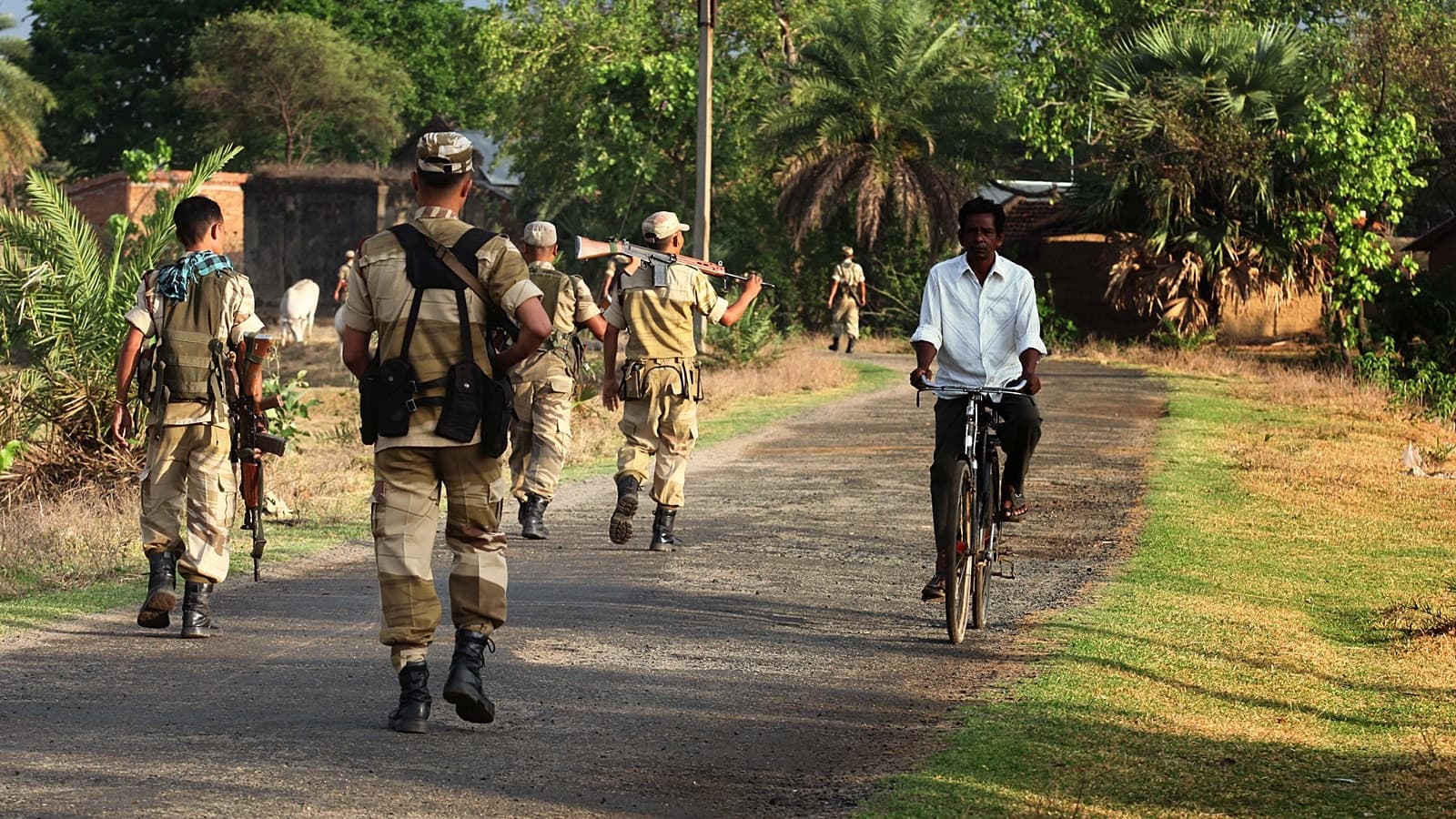
In his defence, Dahariya allegedly told police that he had reached the spot upon receiving reports of illegal mining, although police allege the claim has not been substantiated. Months after a Chhattisgarh sub-divisional magistrate (SDM) and three others were arrested for beating a 62-year-old tribal man to death, a chargesheet alleges the killing took place during an attempt to extort a “commission” linked to illegal bauxite transport in the area. The accused, SDM Karun Dahariya, a State Administrative Service Officer, and his three associates were arrested for the murder of Karan Ram alias Ramnaresh and injuring two men on February 15 this year in a jungle area next to Hanspur village on the Chhattisgarh-Jharkhand border. The victims were allegedly assaulted after they stopped a truck carrying illegal bauxite, leading to the killing.Balrampur SP Vaibhav Banker said Dahariya had seized the truck from Jharkhand and brought it to Chhattisgarh without permission. The truck owner allegedly suspected robbery and contacted the three victims, who tried to stop the truck in Hanspur, prompting Dahariya to reach the spot. He had previously demanded a “commission” from the truck owner. In his defence, Dahariya allegedly told police that he had reached the spot upon receiving reports of illegal mining, although police allege the claim has not been substantiated. While Ramnaresh was killed, two other men, Ajit Ram Urao, 60, and Akash Kumar Aghariya, 20, sustained injuries. Aghariya had said that all three victims were returning home from their fields at around 8 pm, and were about 500 metres from their village when they were attacked by the officer and his men. Jayprakash S Naidu is a Principal Correspondent for The Indian Express, currently serving as the state correspondent for Chhattisgarh. With an extensive career in frontline journalism, he reports on the political, security, and humanitarian landscape of Central India. Expertise and Experience Specialized Conflict Reporting: Jayprakash is a leading voice on the Maoist/Naxalite conflict in the Bastar region. His reporting provides a critical, ground-level view of: Internal Security: Tracking high-stakes encounters, surrender programs for senior Maoist leaders, and the establishment of security camps in formerly inaccessible "heartland" villages. Tribal Rights & Displacement: Investigative reporting on the identity and land struggles of thousands of displaced tribals fleeing conflict zones for neighboring states. Governance & Bureaucratic Analysis: He consistently monitors the evolution of Chhattisgarh as it marks 25 years of statehood, covering: Electoral Politics: Analyzing the shift in power between the BJP and Congress and the impact of regional tribal movements. Public Policy: Reporting on landmark infrastructure projects (e.g., mobile connectivity in remote zones) and judicial interventions, such as High Court rulings on civil and family law. Diverse Investigative Background: Prior to his current focus on Chhattisgarh, Jayprakash held reported from Maharashtra, where he specialized in: Crisis & Disaster Management: Notable for his extensive coverage of the Cyclone Tauktae barge tragedy (P-305) and the COVID-19 pandemic’s impact on frontline personnel. Legal & Human Rights: Investigative pieces for platforms like Article-14, focusing on police accountability and custodial deaths across India. Environmental & Social Justice: Authoritative reporting on the Hasdeo Aranya forest protests and the approval of major tiger reserves, highlighting the tension between industrial mining and environmental preservation. ... Read More Stay updated with the latest - Click here to follow us on Instagram© The Indian Express Pvt Ltd Tags: Raipur
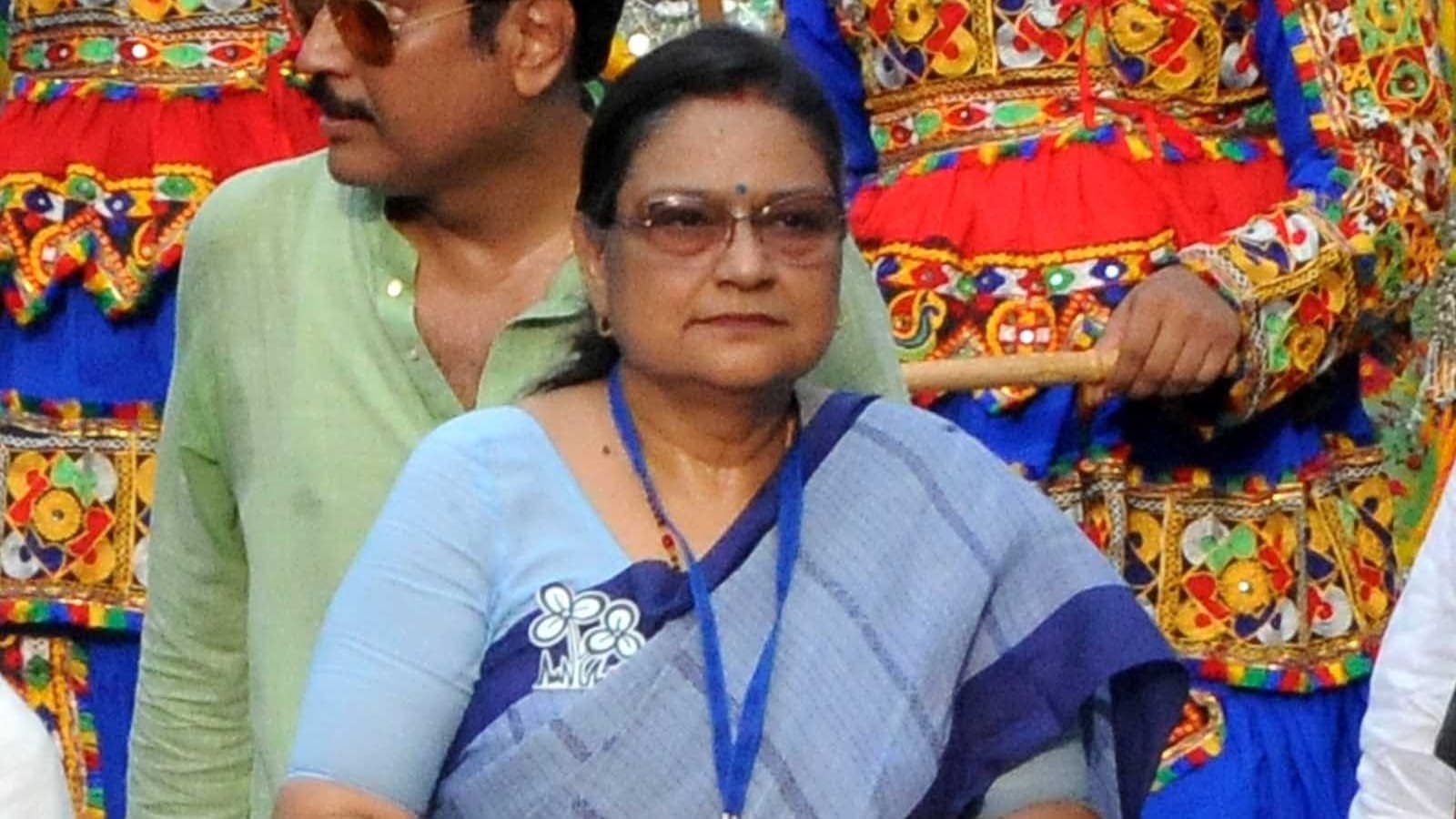
Following the change, Dastidar took to her social media to post about her political journey and commitment to the party. “Knew them since ‘76, rewarded for four decades of loyalty,” she wrote in Bengali on her Facebook page. The Centre has provided Y category security to Trinamool Congress (TMC) MP Kakoli Ghosh Dastidar after a review of her threat profile, sources said, adding the Ministry of Home Affairs (MHA) has extended the CISF security cover to the Lok Sabha MP from Barasat. The development comes amid significant changes in the party’s parliamentary leadership, with party supremo Mamata Banerjee replacing her with Kalyan Banerjee as the TMC chief whip for the Lok Sabha after the party’s defeat in the Assembly elections.Following the change, Dastidar took to her social media to post about her political journey and commitment to the party. “Knew them since ‘76, rewarded for four decades of loyalty,” she wrote in Bengali on her Facebook page. Dastidar was made the chief whip for the party in Lok Sabha after Banerjee had a tiff with Lok Sabha MP Mahua Moitra in August last year. Y category security is a protective cover granted to individuals facing a moderate level of threat. The category provides a security cover with about eight to 11 personnel, which typically includes one to two commandos, along with armed police officers and personal security officers. Notably, the development comes at a time when security cover of TMC MPs, including Abhishek Banerjee has been reduced. A four-time MP, Dastidar has courted several controversies during the Narada sting operation case and the Park Street rape case.Story continues below this ad During her political career, Dastidar has played a key role in the party organisation and has been one of the oldest confidantes of Banerjee. Ravik Bhattacharya is a highly experienced and award-winning journalist currently serving as the Chief of Bureau of The Indian Express, Kolkata. With over 20 years of experience in the media industry, Ravik possesses deep expertise across a wide range of critical subjects and geographical areas. Experience & Authority Current Role: Chief of Bureau, The Indian Express, Kolkata. Expertise: Extensive reporting across West Bengal, Odisha, Assam, and the Andaman Nicobar Islands. Ravik specializes in politics, crime, major incidents and issues, and investigative stories, demonstrating a robust command of complex and sensitive subjects. Experience: His long and distinguished career includes key reporting roles at several prestigious publications, including The Asian Age, The Statesman, The Telegraph, and The Hindustan Times. Ravik's current role marks his second stint with The Indian Express, having previously served as a Principal Correspondent in the Kolkata bureau from 2005 to 2010. Major Award: Ravik's authority and quality of work are substantiated by his winning of the prestigious Ramnath Goenka Excellence in Journalism Award in 2007 for Political Reporting. Education: His strong academic foundation includes a Bachelor's degree with English Honours from Scottish Church College under Calcutta University, and a PG Diploma in Mass Communication from Jadavpur University. Ravik Bhattacharya's extensive tenure, specialized beat coverage, and notable award confirm his status as a trusted and authoritative voice in Indian journalism, particularly for stories emanating from Eastern India. ... Read More Stay updated with the latest - Click here to follow us on Instagram© The Indian Express Pvt Ltd Tags: Kolkata
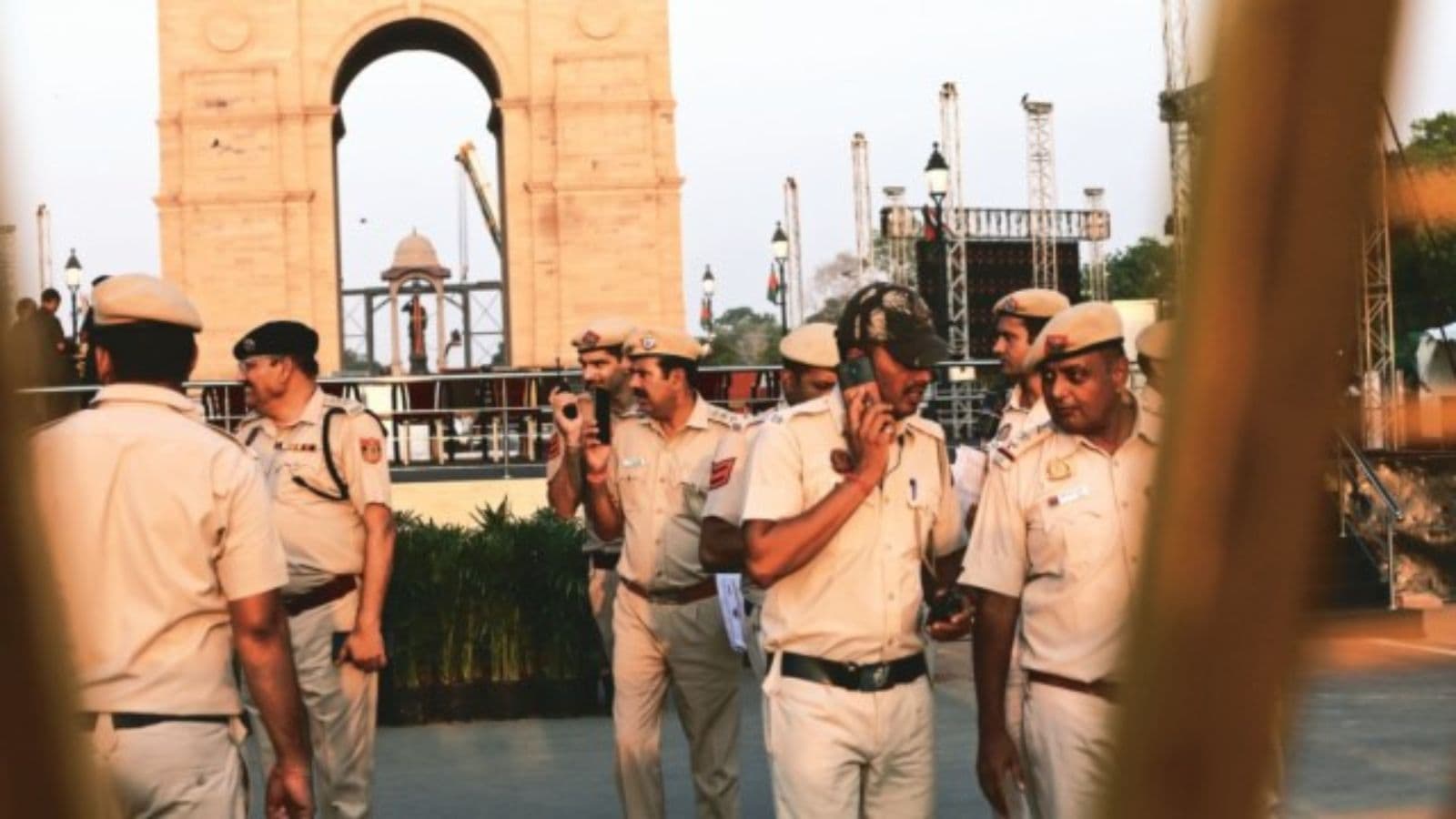
New DelhiMay 21, 2026 01:20 AM IST Officers described Delhi as a drug destination market; a transit corridor for interstate trafficking; and a digitally connected narcotics hub exploiting courier systems, encrypted communication networks and e-commerce platforms. Case records, complaint data, and tip-offs — that’s all it took for the Delhi Police to zero in on 123 areas across the Capital, identified as “Red Zones”, which, it says, form the backbone of the city’s drug trade, The Indian Express has learnt. The mapping exercise — which relies on records of cases filed under the Narcotic Drugs and Psychotropic Substances Act, complaints received by police control rooms, and intelligence gathered through national narcotics helpline MANAS — is part of a broader effort to dismantle the city’s expanding drug distribution network, DCP, Anti-Narcotics Task Force (ANTF), Rahul Alwal said.According to senior officials, Shahdara district emerged with the highest concentration of such drug hotspots. Among areas which topped the chart are Sultanpuri in northwest Delhi, Nand Nagri and Seemapuri in northeast Delhi, Ambedkar Nagar in south Delhi and the Narela Industrial Area in north Delhi. “Recognising the scale of the threat, the Delhi Police has shifted decisively from isolated arrests to a supply-chain disruption model — one designed to dismantle the entire ecosystem of suppliers, financiers, transporters, and distributors rather than only apprehending those at the bottom of the chain. The identification of hotspots is one of the key steps taken to dismantle the drug economy,” DCP Alwal said. After the hotspots were identified, the ANTF intensified coordination with paramilitary units on raids, expanded surveillance operations and increased monitoring of repeat offenders, officers said. Authorities said such data-driven approach had already led to a rise in enforcement activities: cases registered under the Narcotic Drugs and Psychotropic Substances (NDPS) Act rose from 1,179 in 2022 to 2,154 in 2025, while arrests rose from 1,499 to 2,853 during the same period. “Analysis of cases filed under the NDPS Act, and MANAS or PCR call records helped us in scientific mapping of narcotics hotspots and 123 ‘Red Zones’ were thus identified across the Capital,” said Additional CP (ANTF) Abhishek Dhania. The mapping of the said hotspots, according to officers, would strengthen the special drives undertaken by the Delhi Police. For instance, an official said, data fetched from these hotspots are used during anti-narcotics drives like Operation KAVACH. “Under this operation, during 13 major rounds, we have carried out 12,905 raids, 98,469 people were detained for verification and preventive action, over 2,853 arrests were made in 2025 alone, and assets worth Rs 39.5 crore were seized from 90 traffickers,” Additional CP Dhania highlighted.Story continues below this ad The current crackdown comes amid growing political pressure to curb narcotics trafficking across the country. Union Home Minister Amit Shah has pledged to dismantle domestic drug cartels by 2029, while Delhi Lieutenant Governor Taranjit Singh Sandhu has called for a drug-free Delhi by 2027. Officers described Delhi as a drug destination market; a transit corridor for interstate trafficking; and a digitally connected narcotics hub exploiting courier systems, encrypted communication networks and e-commerce platforms. “In these circumstances, data on hotspots would enable us to keep a close watch on interstate syndicates, financial networks, and technology-enabled supply chains,” DCP Alwal added. Officers added that 452 repeat offenders and 40 “high-risk” traffickers are already on “special surveillance”. Sakshi Chand is an Assistant Editor at The Indian Express, based in New Delhi. With over a decade of experience in investigative journalism, she is a leading voice on crime, the prison system, and institutional governance in the National Capital. Professional Background Speci
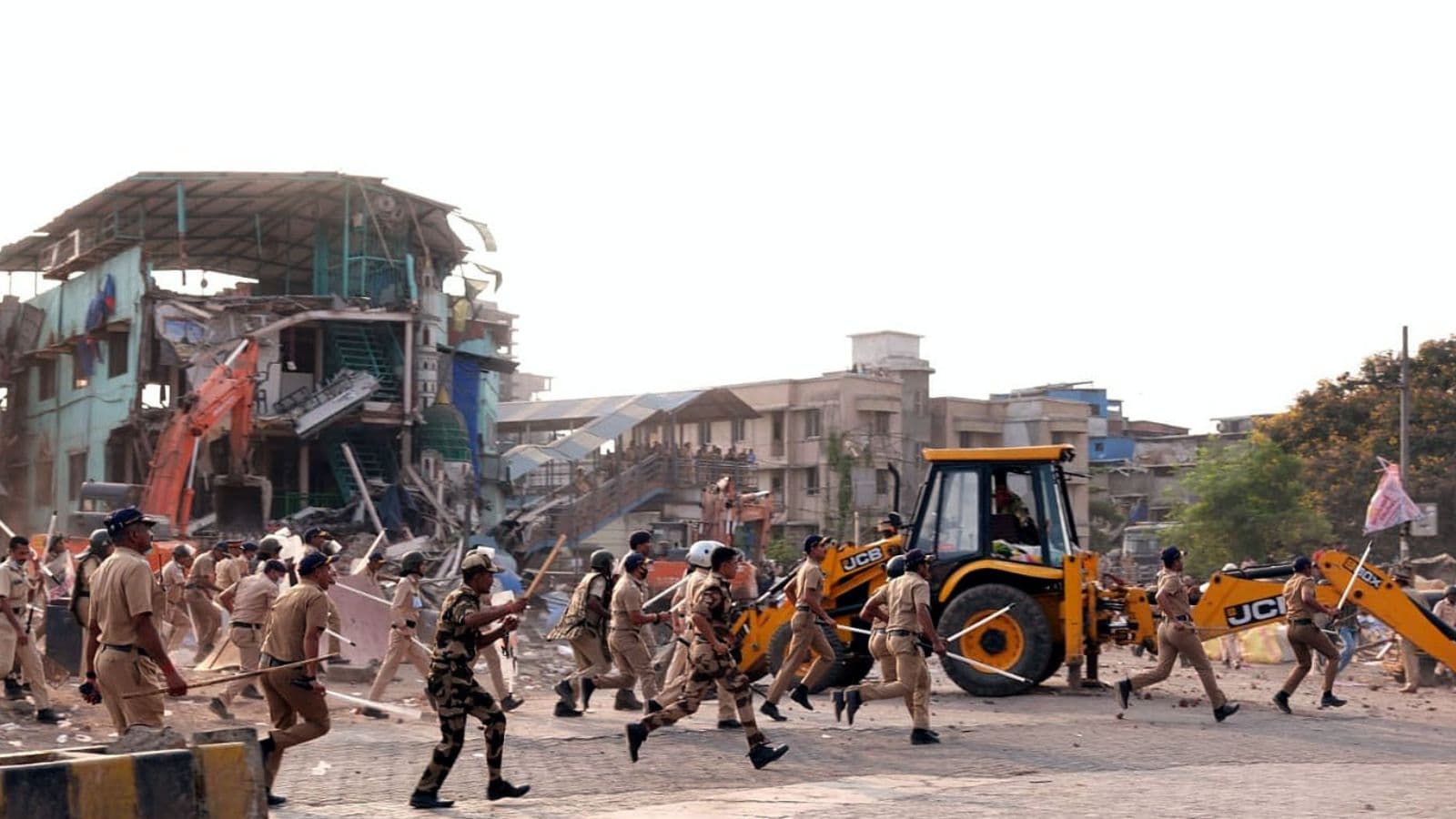
Clashes broke out at Garib Nagar in Bandra East on Wednesday during the second day of Western Railway’s anti-encroachment drive, after authorities demolished two mosques in the area along with other structures including houses that have been termed as encroachment. Police resorted to a lathi charge after protests escalated into stone pelting, leaving several residents and police personnel injured.Trouble began when residents gathered to oppose the demolition of the first mosque in the area. Protestors allegedly hurled water and pillows at officials before the confrontation intensified into stone pelting. Police then carried out a lathi charge to disperse the crowd and clear the way for demolition teams.Several residents, including elderly persons, were injured in the clashes. The demolition began on May 19 and aims to clear 5,200 square metres of encroached railway land near Bandra East railway station. (Express photo by Nidhi Jacob)“My 65-year-old mother suffered a cut below her eye after being attacked by the police,” alleged a resident, who was hurriedly shifting his belongings away from the demolition site as bulldozers continued operations nearby. Termed as Western Railway’s biggest eviction drive so far, the demolition began on May 19 and aims to clear 5,200 square metres of encroached railway land near Bandra East railway station. More than 1,200 personnel including 500 Mumbai Police officers, 250 Government Railway Police officials and 200 Railway Protection Force personnel along with technical staff and heavy machinery have been deployed for the operation. Western Railway officials said nearly 60 per cent of around 500 illegal huts had been demolished as of Wednesday. Following the clashes, police cordoned off the station road adjoining the demolition site, forcing passengers travelling to Bandra Terminus to walk with their luggage after being dropped at a distance by auto-rickshaws. Traffic congestion was also reported in the area.Story continues below this ad Later in the day, authorities moved towards the Sunni Faizane Garib Nawaz Masjid, where residents again resisted demolition efforts. As bulldozers began razing portions of the structure, protestors raised slogans and allegedly hurled stones at officials and security personnel. Police initially attempted to disperse the crowd, but the confrontation escalated further, with officials and protestors both reporting injuries. Ten police personnel reportedly sustained injuries, while several residents were hurt as well. Police initially attempted to disperse the crowd, but the confrontation escalated further, with officials and protestors both reporting injuries. (Express photo by Nidhi Jacob)“Today some anti-social elements tried to indulge in stone pelting at the Garib Nagar demolition drive, prompting the police to use appropriate force to disperse them from the area. Accordingly, seven suspects have been taken into custody for fronting this violence and FIRs are being registered against them” said Abhinav Deshmukh, Additional Commissioner of Police (South region). The unrest spilled over into adjoining Behrampada, where several Garib Nagar residents had temporarily shifted. Protestors, commuters and bystanders were caught in the chaos as police attempted to clear the streets.Story continues below this ad “I was walking in my neighborhood when the police suddenly began beating everyone in sight. I picked up a two-year-old child abandoned nearby and brought him to safety,” said 55-year-old Hassan Quereshi, a retired factory worker, alleging indiscriminate use of force by police. In the area, fabric shop owner Shamsuddin said panic spread rapidly as residents rushed into shops seeking shelter from the police action unfolding outside. Meanwhile, railway authorities maintained that adequate precautions had been taken before carrying out the demolition. “We conducted a detailed assessment of multiple scenarios that could arise during the exercise, and manpower was dep
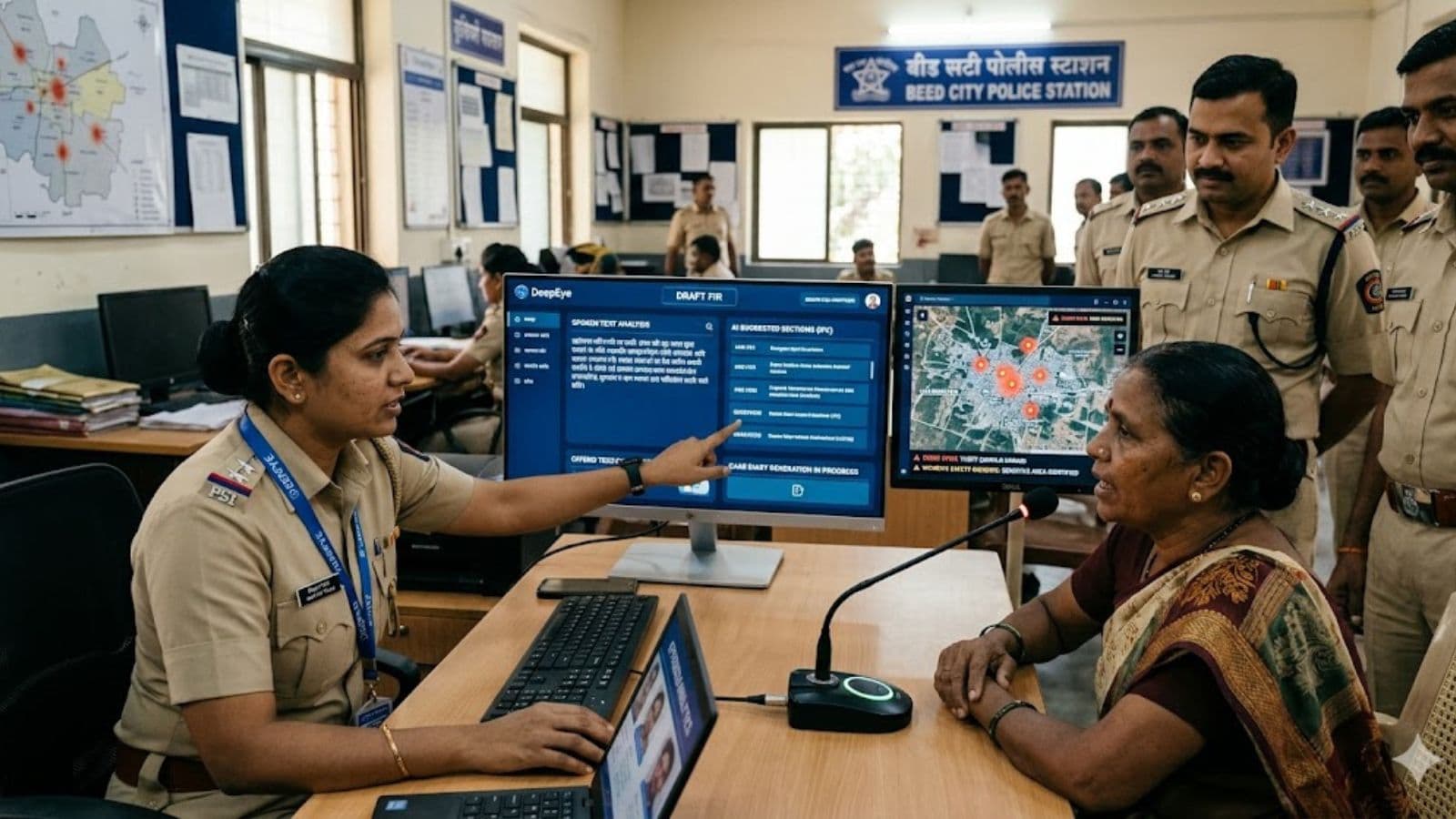
This system uses artificial intelligence to automatically analyse FIRs, suggest relevant sections of the law, identify repeat offenders, and analyze crime patterns. (Image generated using AI)The Beed police Wednesday began a pilot project for the “deepeye” system at the Beed City police station where Artificial Intelligence (AI) will be used by police personnel to improve their performance. This is one of the four AI projects across the state shortlisted by the DGP office for it to be tested as a pilot project for a few weeks and later implemented across the state if there are no issues found during the pilot project.Apart from Beed police, projects of Navi Mumbai Police, Ahilyanagar and Nagpur (rural) have been shortlisted and have been asked to carry out a pilot project to see its on ground performance and decide on its implementation across the state. Beed SP Navneet Kanwat said that with the push for AI tools to be used for policing, their team has been developing the system for a year and after it was greenlit by the DG office earlier this week. “We began testing it as a pilot project at the Beed City police station for a period of two weeks to see if there are any issues with the system and gather data based on which we can see how useful it is during day to day policing work.” Kanwat, a pass-out from IIT Roorkee, has worked as a software engineer in the past. The officer said that the system has features like voice registration of an FIR when a complainant approached the police station and narrates his complaint. “The system has features like Voice-based FIR registration which will register a complaint when the complainant is speaking about it. This will ensure the complainant, who is already the victim of a crime, does not have to wait for hours in the police station and repeat himself/herself multiple times,” Kanwat said. He added that based on the complaint, the system will also suggest what sections will be attracted in the complaint, it will write the case diary and also generate letters that have to be sent to the court. ” Our staff will be free of all this clerical work and be able to use this time to focus on investigations,” he said. This system uses artificial intelligence to automatically analyse FIRs, suggest relevant sections of the law, identify repeat offenders, and analyze crime patterns.Story continues below this ad The Beed Police developed the state-of-the-art system based on artificial intelligence (AI) called “DeepEye” to make the crime investigation process faster, more accurate, transparent and effective. Along with this, immediate alerts are received in case of a sudden increase in certain types of crimes (crime spike) and accordingly, the AI system provides guidance on preventive measures, such as increasing patrols in sensitive areas or focusing on crimes related to women. Preventive policing is made more effective by identifying areas that pose a risk to women’s safety through Women Safety Insights.
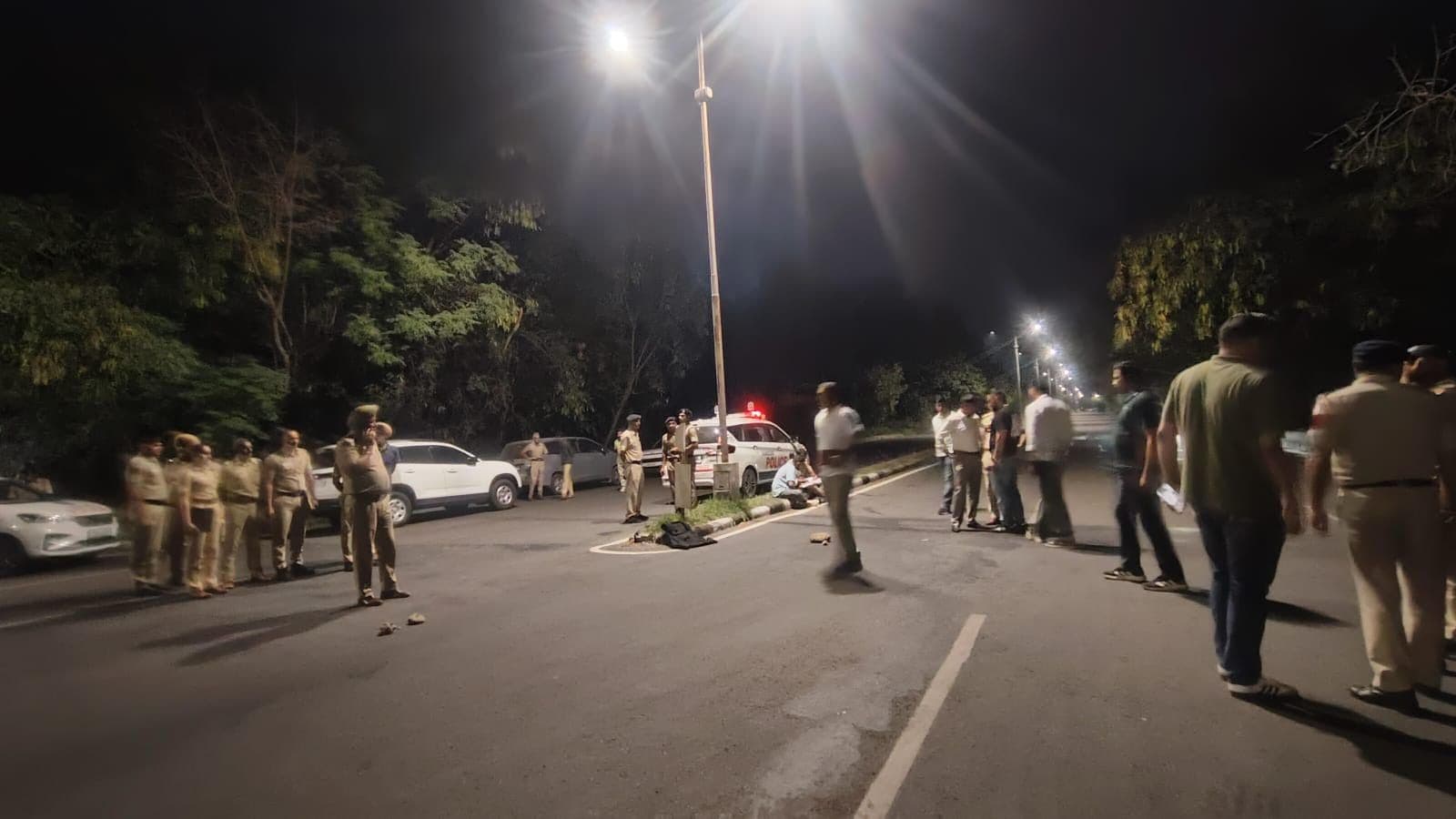
As per sources, the arrested accused have been identified as Ajay Kumar, Joban and Prabhjot, all residents of Amritsar, Punjab. (Express photo)A Chandigarh Police Assistant Sub-Inspector (ASI) escaped a bullet injury late Monday night after suspected members of the Bambiha gang allegedly opened fire at an Operations Cell team near ISBT-43, police sources said. According to sources, the Operations Cell of Chandigarh Police had received information that three suspected members of the Bambiha gang were moving near ISBT-43 with weapons. Acting on the input, a team of the Operations Cell reached the area around 10.30 pm.The suspects were traced on the Sector 43 road behind ISBT-43. Sources said that when the police team tried to apprehend them, the suspects allegedly opened fire. One of the bullets was fired at ASI Keshav, who was part of the Operations cell team. He escaped injury as he was wearing a bulletproof jacket, sources said. Following this, the Operations Cell team also opened fire in retaliation and later overpowered the suspects. No police personnel was reported injured till the filing of this report. Sources said weapons were recovered from the accused after they were apprehended. Police teams remained present at the spot late into the night and further verification of the accused and recoveries was underway. An FIR for attempt to murder and under relevant provisions of the Arms Act was being registered till the filing of this report, sources said. According to police, the accused are likely to be produced before a Chandigarh court on Tuesday, where their remand will be sought for further interrogation.Story continues below this ad The incident comes hours after the Chandigarh Police claimed to have busted an illegal weapons network allegedly linked to the Lucky Patial-Bambiha gang, arresting three persons and recovering country-made firearms and live cartridges in separate cases. As per sources, the arrested accused have been identified as Ajay Kumar, Joban and Prabhjot, all residents of Amritsar, Punjab.
An investigation has been initiated into the case by Wardha Police.Maharashtra Police has written to authorities at the Army’s Central Ammunition Depot (CAD) in Pulgaon, Wardha district, for custody of Major Manan Tiwari — booked for allegedly shooting a junior commissioned officer (JCO), Subedar Major Om Bahadur Khand, dead during a small-arms shooting practice on Friday morning — for questioning. Lance Naik Beersingh Dhami, posted at the CAD camp, lodged an FIR at the Pulgaon Police Station around 5.10 pm Friday; and BNS Section 103 (1), which pertains to murder, was invoked in the case. The FIR states that shooting practice was being conducted for the soldiers at the camp from May 13. According to Dhami, he had gone to the shooting range around 6.30 am Friday for practice. and Major Tiwari and Subedar Major Khand deployed on duty at that time. Shooting practice for Major Tiwari and Subedar Major Khand was held after Dhami and others completed theirs.“During the firing practice of Subedar Major Khand, he himself was assigned the duty of collecting empty shells. Whereas, during Major Tiwari’s, a soldier, Sanjeev Kumar Roshanlal, was deputed for the same.” The FIR stated that between 8 am and 8:20 am, as the shooting practice was underway, Major Tiwari allegedly shot Subedar Major Khand dead by allegedly firing a bullet into his left eye with an INSAS 5.56 gun. “I don’t know why Major Tiwari killed Subedar Major Khand. The soldiers had later taken Major Tiwari into custody,” Dhami said in the FIR. An investigation has been initiated into the case by Wardha Police. Special Inspector General of Police (Nagpur range) Sandeep Patil said, “Investigation is in progress. We have written to the Army authorities at CAD to hand over Major Tiwari to police for questioning.” In a post on X, the Defence PRO, Nagpur, said, “Sub Maj Om Bahadur Khand (56) died in an incident that occurred at the small-arms firing range on May 15 in Pulgaon during routine firing practice. The incident is under probe by the Army and police. The Army authorities are extending all support to police for investigation. An FIR has been registered. The Army and police authorities are conducting a fair and impartial investigation into the incident. The accused is in custody.” Chandan Haygunde is an Assistant Editor at The Indian Express, based in Pune. With over 20 years of experience in journalism, he is one of the region's most authoritative voices on crime, national security, and legal affairs. Professional Profile Specialization: He specialises covering issues related to Crime, Courts, National Security and Human Rights. He has done investigative reporting on incidents of terrorism, left wing extremism, espionage cases, wildlife crimes, narcotics racket, cyber crimes and sensational murder cases in Pune and other parts of Maharashtra. While working on the ‘Centre for Science and Environment (CSE) Fellowship on Tigers, Tiger Habitats and Conservation’ in 2012, he reported extensively on the illegal activities in the Sahyadri Tiger Reserve in Maharashtra. He is at the helm of the widely read weekly series “Pune Crime Files”. He is widely recognized for his deep-dive coverage of the cases related to the Koregaon Bhima violence in Pune and the Elgaar Parishad investigation. Key Beats: His portfolio includes covering crimes mainly under the jurisdiction of Pune City, Pune rural and Pimpri Chinchwad Police, along with the sensitive cases from the state, being investigated by the Maharashtra Anti-Terrorism Squad (ATS), Central Bureau of Investigation (CBI), and the National Investigation Agency (NIA). Background: Before his long tenure at The Indian Express, he worked with other Marathi and English publications, giving him a unique grassroots understanding of Maharashtra's socio-political landscape. Awards and Recognition: He got the CMS PANOS Young Environment Journalist Award in January 2014 for investigative reports o
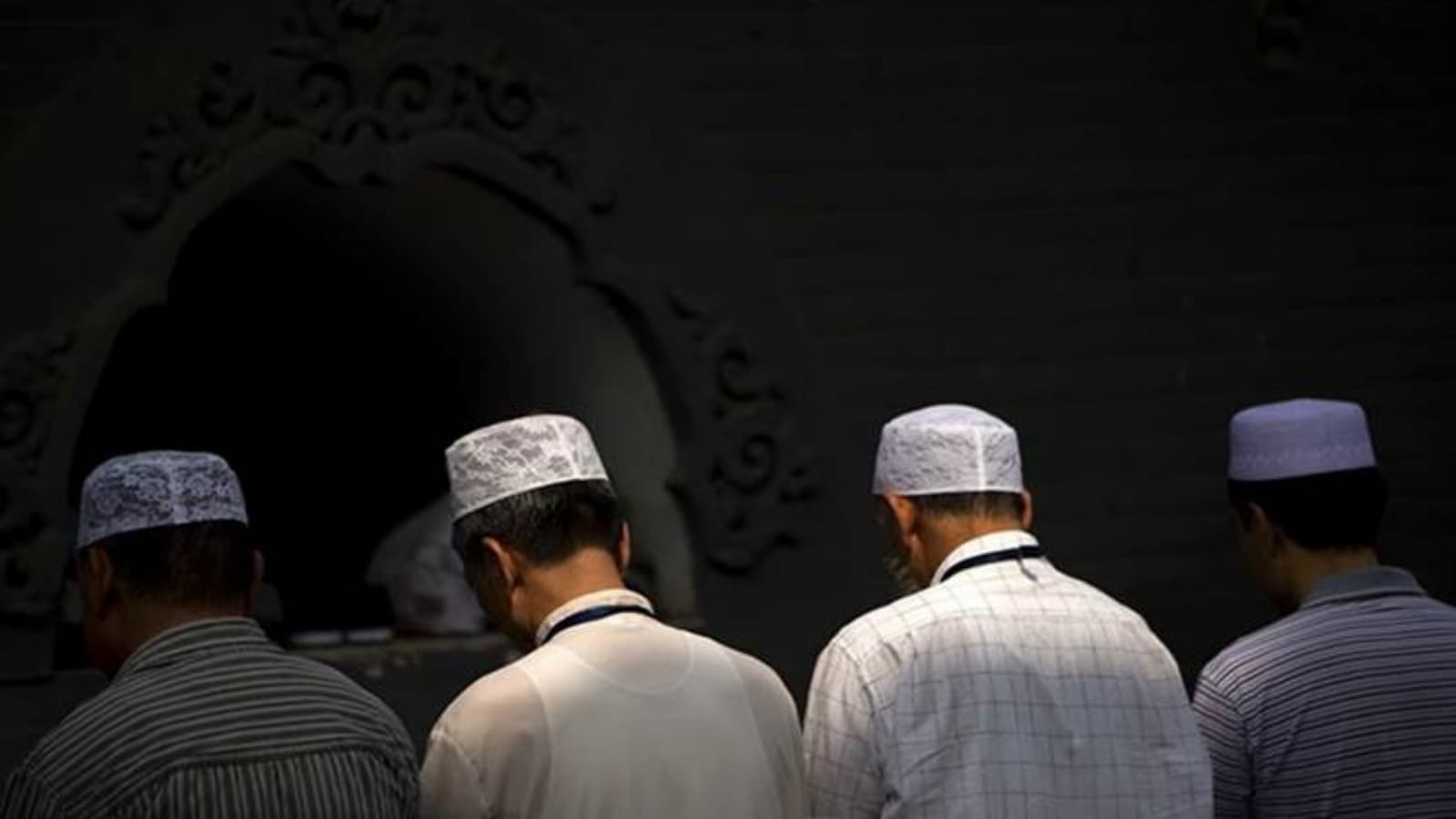
KolkataUpdated: May 16, 2026 04:40 AM IST During the previous Mamata Banerjee government, namaz and other religious activities on the streets were allowed, but the new government has taken a tough stance against the inconvenience they caused to the public. Tension prevailed in Kolkata’s Rajabazar area on Friday when a group tried to offer namaz on the road despite a recent ban by the new Suvendu Adhikari-led government on such activities at public places. The situation spiralled out of control when police personnel arrived to vacate the road and there was resistance. The protesters argued that this was a tradition, whereas the administration insisted that keeping public thoroughfares clear was mandatory for maintaining law and order.The road was later cleared and traffic movement resumed. Officials said the situation in the locality is currently under control. The administration deployed a large number of police and Central Reserve Police Force (CRPF) personnel in the area. Police officers said individuals attempting to disturb law and order were being identified and legal action would be taken against them. However, police are yet to give an official statement on the incident. During the previous Mamata Banerjee government, namaz and other religious activities on the streets were allowed, but the new government has taken a tough stance against the inconvenience they caused to the public. According to BJP sources, the CM had given clear instructions in the Cabinet meeting that namaz should be offered only inside mosques and no such activity will be tolerated on the road. Atri Mitra is a highly accomplished Special Correspondent for The Indian Express, bringing over 20 years of experience to his reporting. His work is characterized by deep regional knowledge and a focus on critical administrative and political developments, establishing strong Expertise and Authority in his domain. Experience Current Role: Special Correspondent, The Indian Express. Decades of Experience: Over two decades of extensive reporting experience, primarily covering administration and political news. Geographical Focus: Holds significant reporting experience from West Bengal, Bihar, and the North-East, providing a comprehensive understanding of the socio-political landscape in these regions. Key Coverage: Has dedicated more than ten years to covering administration and political news, with a keen focus on political developments in West Bengal. Electoral Reporting: Demonstrated a commitment to crucial political moments, having covered the 2009 Lok Sabha election and 2010 assembly elections during his time at Anandabazar Patrika, and the 2019 Bihar Lok Sabha election while working with News18-Bangla. Career Foundation: Began his career at the leading vernacular daily Anandabazar Patrika, where he worked for more than fifteen years, including a three-year stint as the Bihar correspondent. Education Advanced Degree: Holds a Master's degree in Economics from Rabindrabharati University, providing an analytical framework for his political and administrative reporting. Undergraduate Education: Holds a Bachelor's degree from Calcutta University. Prestigious Alumni: His educational background includes attending esteemed institutions: he is an alumnus of St. Xavier's, Kolkata and Ramakrishna Mission Asrama, Narendrapur. Atri Mitra's decades of dedicated reporting, substantial focus on political and administrative beats, and solid academic credentials make him a trusted and authoritative source for news and analysis from Eastern and North-Eastern India. ... Read More Stay updated with the latest - Click here to follow us on Instagram© The Indian Express Pvt Ltd Tags: communal disharmony communal incidents Kolkata Suvendu Adhikari


Discussion (0)