
Loading dispatches...
← Return to Newsroomgeneral
VTU creates a record by announcing results within 10 minutes of exam completion
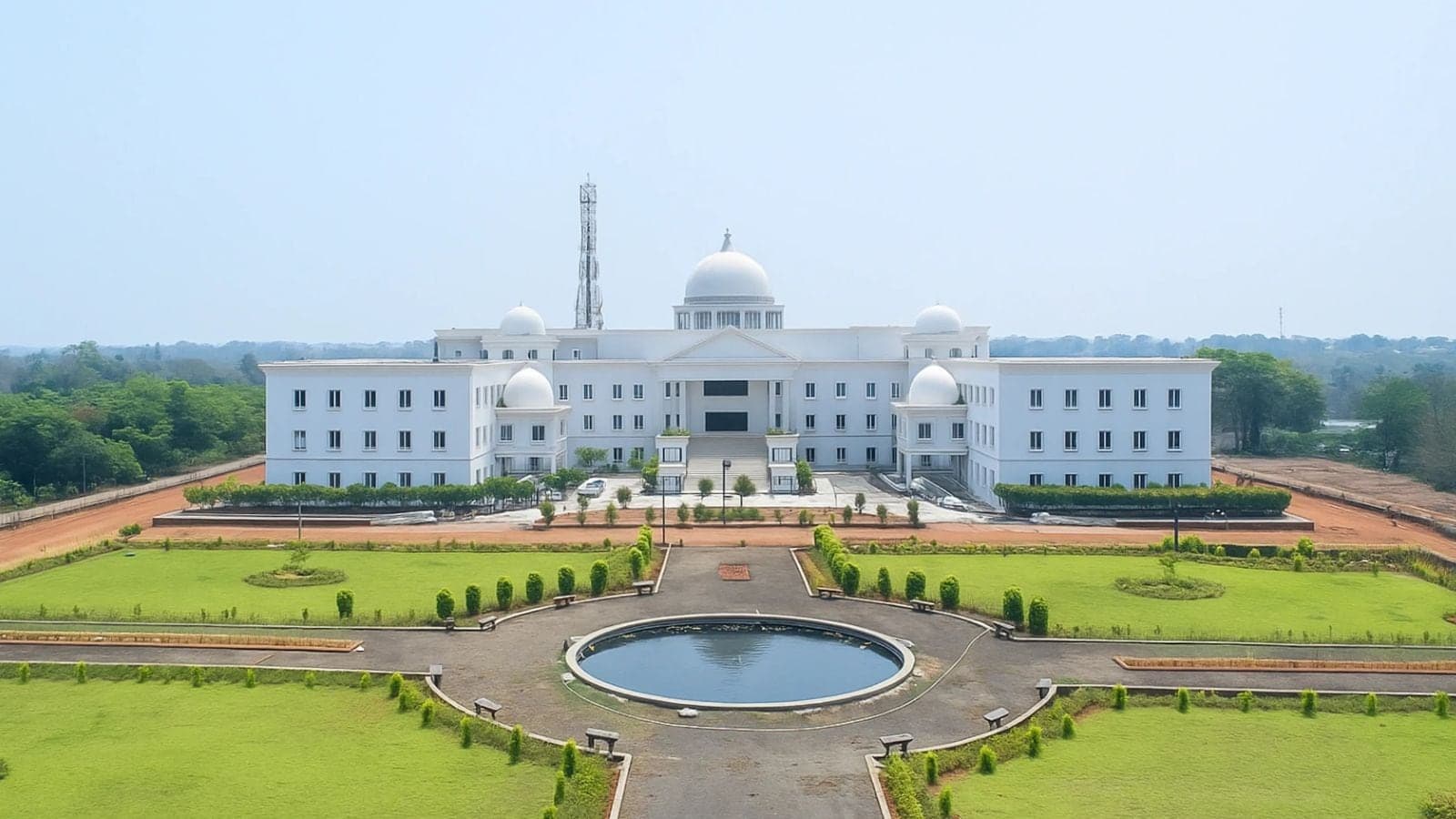
New DelhiMay 27, 2026 05:29 PM IST Visvesvaraya Technological University (VTU) has created history by announcing the final semester engineering exam results just 10 minutes after the exam ended. The results were jointly released by VTU Vice-Chancellor Prof S Vidyashankar and Registrar (Evaluation) Prof U J Ujwal. A total of 56,192 students appeared for the BE and BTech final semester examinations conducted by Visvesvaraya Technological University. The examination concluded at 5:30 pm on Friday, and the results were announced within 10 minutes, at 5:40 pm. The university recorded an overall pass percentage of 99.98 per cent.According to the university, the entire evaluation process was completed eight days earlier than in previous years, setting a new record. Earlier, VTU had announced results within one hour of the completion of examinations. This year, the results were also sent directly to students through mobile phones. Speaking on the occasion, Vice-Chancellor S. Vidyashankar said VTU has consistently adopted technology-driven processes and described the quick declaration of results as proof of the university’s student-focused approach. He said announcing results within 10 minutes of the exam’s completion was a major task and credited the administrative staff, examination section, and affiliated colleges for making it possible. He added that final-year students wait for results for employment opportunities and higher education admissions, and therefore the university ensured that the results were declared quickly. Result history: – In May 2025, results for the 2021 batch (50,321 students) were announced within one hour of exam completion. – In May 2024, results for the 2020 batch (37,011 students) were announced within 3 hours.Story continues below this ad – In 2023, results for the 2019 batch (43,662 students) were announced two days after the exam. Registrar (Evaluation) Prof. U.J. Ujwal added: “We adopted digital evaluation of answer scripts and prepared in advance to announce results quickly. With everyone’s cooperation, this was possible.” Students can see the result in this website results.vtu.ac.in.
New DelhiUpdated: May 26, 2026 05:29 PM IST CBSE’s experience with offering Mathematics at two levels in Class 10 shows that almost 30% of students prefer the basic level. In the 2023-24 Class 10 Board exam, 15,88,041 students registered for the standard paper, compared to 6,79,560 for the basic. Fresh screenshots shared by Class 12 student Vedant Shrivastava suggest that the Central Board of Secondary Education (CBSE) eventually carried out a manual review of his Physics answer sheet after admitting that his paper had been mistakenly swapped during the re-evaluation process. The controversy began after Vedant, who posts on X under the handle @VEDANTSHRIV17, alleged that the answer script uploaded to him by CBSE during the verification process was not his own. The student claimed the handwriting, answers, and even attempted questions did not match what he had written in the examination hall. His posts quickly went viral, prompting widespread scrutiny over the CBSE’s evaluation and On-Screen Marking (OSM) systems.Following the uproar, the CBSE contacted the student on Monday admitted that an answer sheet mix-up had indeed occurred. Vedant subsequently confirmed online that the board had shared his “correct” Physics answer booklet and that his claims were valid. Attaching the correct answer sheets screenshots here for your reference , we will still apply for reevaluation of this answer sheet after checking this sheet more closely since they have slashed my marks even when the answer is correct . Thanks @Ajatikaa mam for your help Thanks… pic.twitter.com/PqKKoVkws2 — VEDANT (@VEDANTSHRIV17) May 25, 2026 Later, Vedant shared screenshots of the corrected answer script on social media, and the images are drawing fresh attention for another reason. The screenshots attached to the post show standard CBSE Class 12 Physics answer booklets featuring blue-lined sheets, printed question numbers, QR code sections, and spaces for roll numbers. However, unlike the digitised format expected under the CBSE’s new OSM system, the pages carry prominent red-ink examiner markings throughout. Several answers carry red ticks indicating correctly attempted portions. Question numbers and awarded marks have been circled manually, while some sections contain slashes, handwritten notations, and evaluator markings typically associated with physical checking of answer copies. The markings appear directly on the scanned pages of the original answer booklet. The visuals have led to speculation online that the CBSE may have manually checked the paper after the controversy surfaced publicly. The development comes amid broader criticism of the board’s evaluation process this year, with multiple students across subjects alleging discrepancies ranging from unchecked pages to unexpectedly low scores and answer-script inconsistencies.Story continues below this ad Vedant’s CBSE 12th Physics paper, which was re-shared by CBSE, shows signs of manual checking (Image via X)The CBSE had introduced the OSM system as part of its effort to streamline evaluation by digitising answer scripts and enabling examiners to assess scanned copies electronically. Under the process, evaluators typically annotate digitally rather than physically mark the original answer sheets. Vedant’s CBSE 12th English paper that was originally checked with OSM, as shared by his earlier (Image via X)However, the answer booklet screenshots shared by Vedant appear to resemble traditional pen-based assessment methods, raising questions about whether manual verification was undertaken in this particular case following the public backlash. Despite the board resolving the answer-sheet mix-up, Vedant has said he is not fully satisfied with the marking yet. In his post, the student stated that he still intends to seek re-evaluation, arguing that some responses in the Physics paper appear to have been under-marked despite being correct.
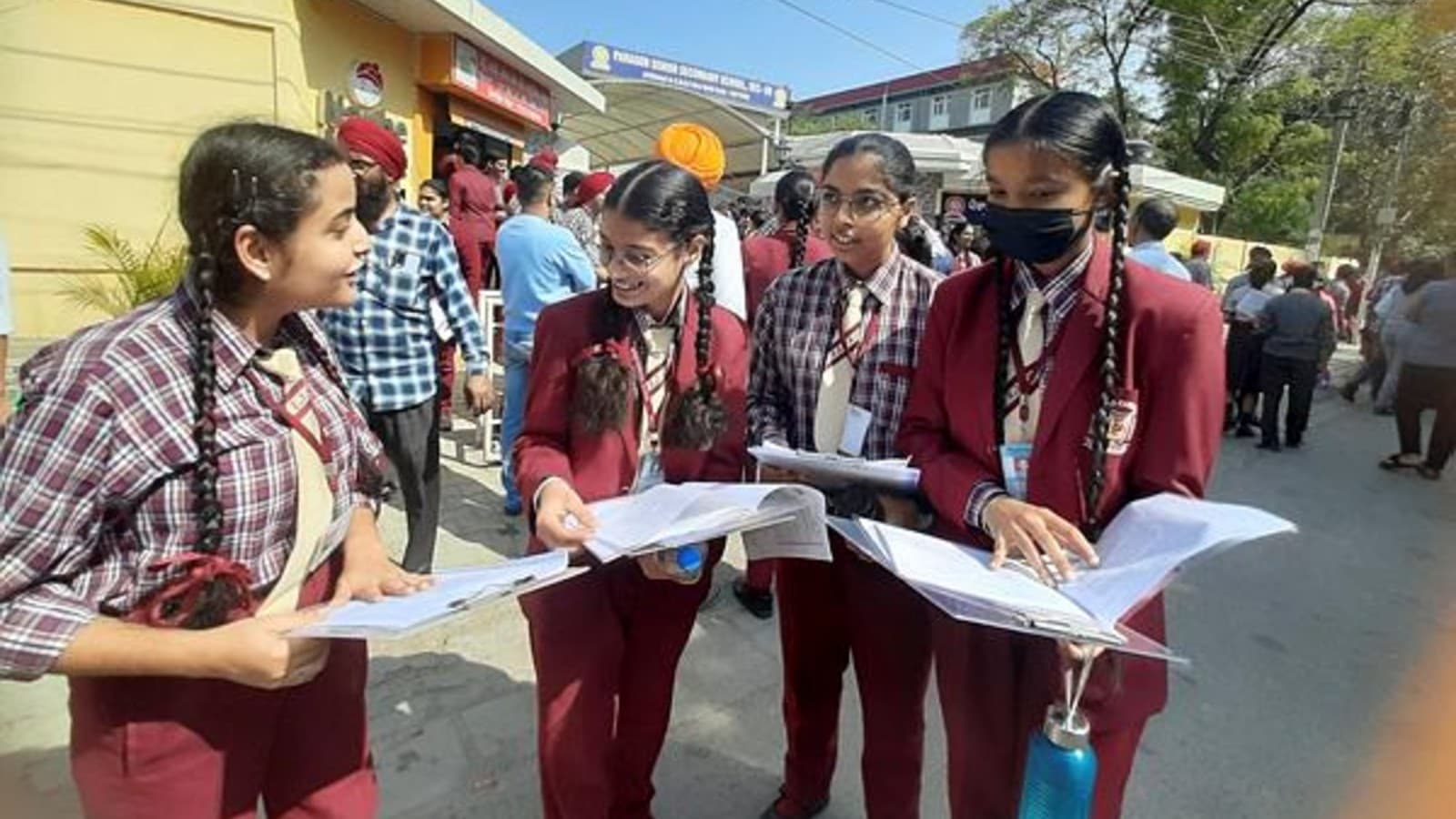
New DelhiMay 23, 2026 03:57 PM IST The findings indicated that the envelopes carrying the answer sheets may have been interchanged either at the examination centre or during subsequent handling (Express photo by Jasbir Malhi/ representative)A major irregularity in the examination system of the Himachal Pradesh Board of School Education (HPBOSE) has come to light after a forensic investigation confirmed tampering with answer sheets during the Matriculation (Class 10) examinations conducted in March 2025. Strict cognisance has been taken of the matter and action has been initiated to protect the academic interests of the affected students, a statement issued by the board here on Friday said.Board Chairman Rajesh Sharma said that the alleged tampering took place at the examination centre of Government Senior Secondary School, Jhandutta, in the Bilaspur district. A total of 40 students had appeared for the examination at the centre, including 11 students from Government High School, Jeora. The matter surfaced after nine students appearing in the Arts stream subject (Sub Art-A) submitted a written complaint to the board, alleging manipulation in the multiple choice questions (MCQ) section of their answer sheets. Following the complaint, the students were called to the board headquarters in October 2026, where their answer sheets were examined in the presence of subject experts. Subsequently, the answer sheets were sent to the Regional Forensic Science Laboratory (RFSL), Dharamsala, for examination. The forensic report confirmed that tampering had indeed taken place. Sharma further stated that a special committee constituted by the board conducted a detailed investigation into the case. During the probe, another serious discrepancy emerged when the serial numbers of the “tamper-proof” envelopes containing the answer sheets were found to be inconsistent with the numbers mentioned in the packing memos.Story continues below this ad The findings indicated that the envelopes carrying the answer sheets may have been interchanged either at the examination centre or during subsequent handling. The board clarified that the students were not at fault and emphasised that safeguarding their academic future remains its top priority. Acting on the committee’s recommendations, the HPBOSE has decided to award compensatory marks, as per the board regulations, for the compromised questions to ensure that the students’ results and future prospects are not adversely affected. All documents and investigation reports related to the case have been forwarded to the Education Department for further action.
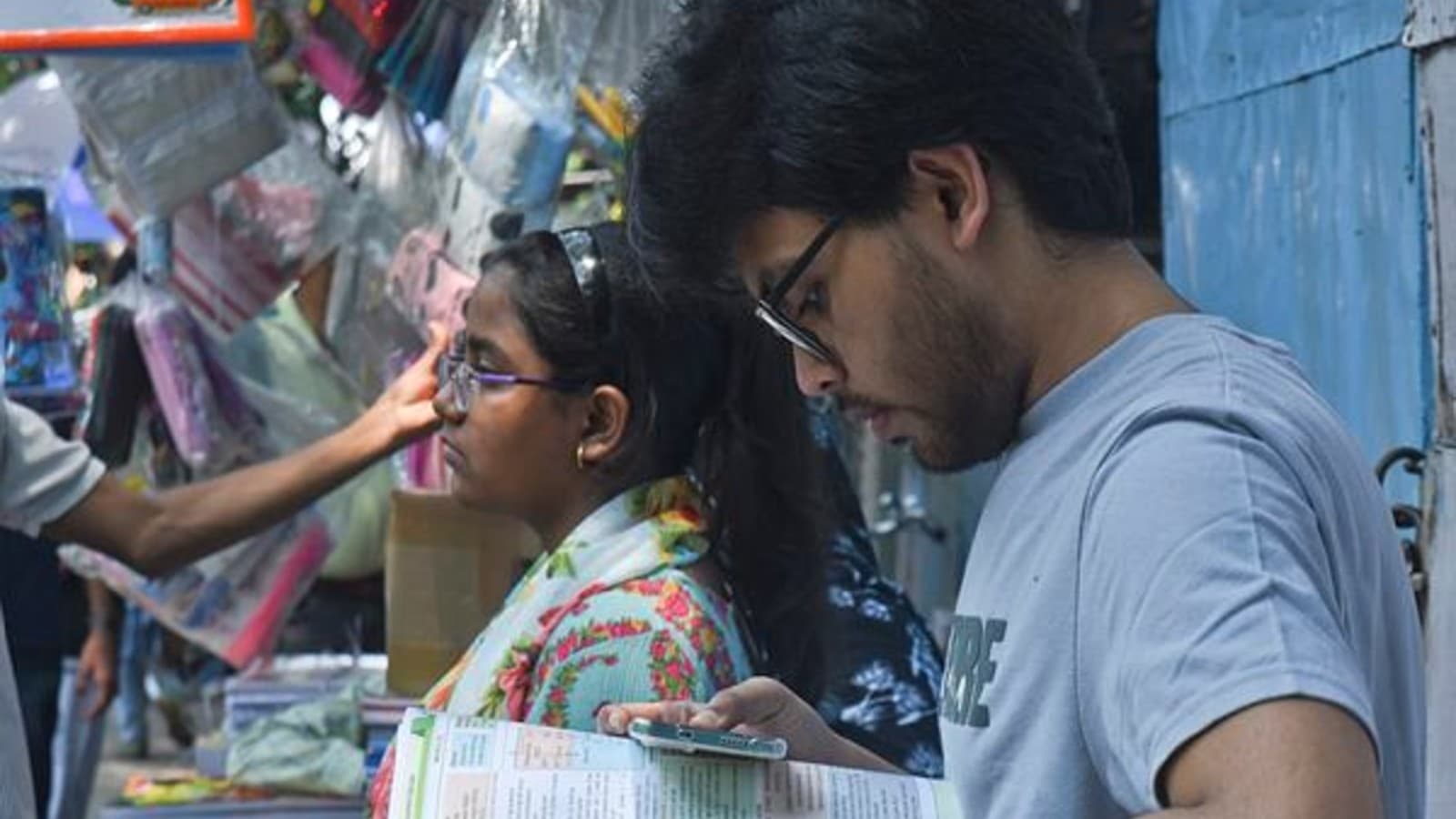
New DelhiMay 23, 2026 11:28 AM IST The Bihar School Examination Board (BSEB) will declare the results of the Intermediate and Matric Special and Compartmental Examinations 2026 on Friday, May 23. According to an official notification issued by the Board, the results will be announced at 4 pm by Bihar Education Minister Mithilesh Tiwari. The intermediate special and compartmental examination results will be available on interbiharboard.com, while the matric special and compartmental examination results can be accessed on compartment.biharboardonline.org. Students will need their roll code and roll number to access the results online. The scorecards are expected to include subject-wise marks, qualifying status and other examination details. Candidates are advised to keep their admit cards ready to avoid last-minute inconvenience while checking results.The announcement will be made at the BSEB headquarters auditorium located on Sinha Library Road in Patna. The BSEB Class 10 and Class 12 special and compartmental examinations were conducted for students who either failed in one or more subjects in the annual board examinations or wished to improve their scores. As per the schedule released earlier by the Board, the Intermediate compartment and special examinations were held from May 2 to May 11, 2026, in two shifts. The Matric compartment and special examinations were also conducted in May for eligible students seeking another opportunity to clear the academic year. Ahead of the result declaration, the Board had also released provisional answer keys for the Intermediate Special and Compartmental examinations and invited objections from students. This year, the overall pass percentage in Class 10 matric exam stood at 81.79%. A total of 15,10,928 students appeared for the examination, including 7,84,871 girls and 7,26,057 boys. Out of these, 12,35,743 students cleared the exam. The overall pass percentage stood at 85.19% this year in Class 12 inter exam results. Girls have performed better than boys, with a pass percentage of 86.23%, compared to 84.09% among boys. A total of 26 students have secured the top 5 ranks, including 20 girls.
New DelhiMay 22, 2026 04:26 PM IST The challenge window is opened till May 25. (Image Generated by AI)AP EAMCET Provisional Answer Key 2026: The Andhra Pradesh State Council of Higher Education (APSCHE) on May 23 will release the provisional answer key for the Engineering, Agriculture, and Pharmacy Common Entrance Test (AP EAMCET), 2026. Candidates will also have the provision to raise their objections to the provisional answer keys, as per the rules of AP EAMCET/EAPCET. The last date to file objections against the answers is May 25 for Engineering, Agriculture, and Pharmacy.Students who have appeared for the entrance exam can check the provisional answer key on the official website of cets.apsche.ap.gov.in. The AP EAMCET exam for Pharmacy and Agriculture was held on May 19 and May 20. The engineering exam was held between May 12 and May 15, and on May 18. As per the timetable, the provisional answer key for all three subjects was released on May 23, 2026. The final answer key is expected to be available within a few days. To raise objections, candidates have to pay Rs. 300 for each question. The amount is refundable for objections that are valid. The final answer key will be released after the scrutiny is done against the challenges raised by candidates against the provisional answer key. The scrutiny will be done by the expert committee members. Once done, the revised and final answer key will be published. Students can calculate their probable scores after the final answer key is released, as no further challenges will be taken into consideration. The council has mentioned that the result will be mentioned based on the final key. Last year, the final answer key was released on June 8, 2025. The exam was conducted between May 21 to May 27.Story continues below this ad After taking into consideration the release of the provisional answer key and the objections key, the council has delcared that the result will be published tentatively on June 1, this year.
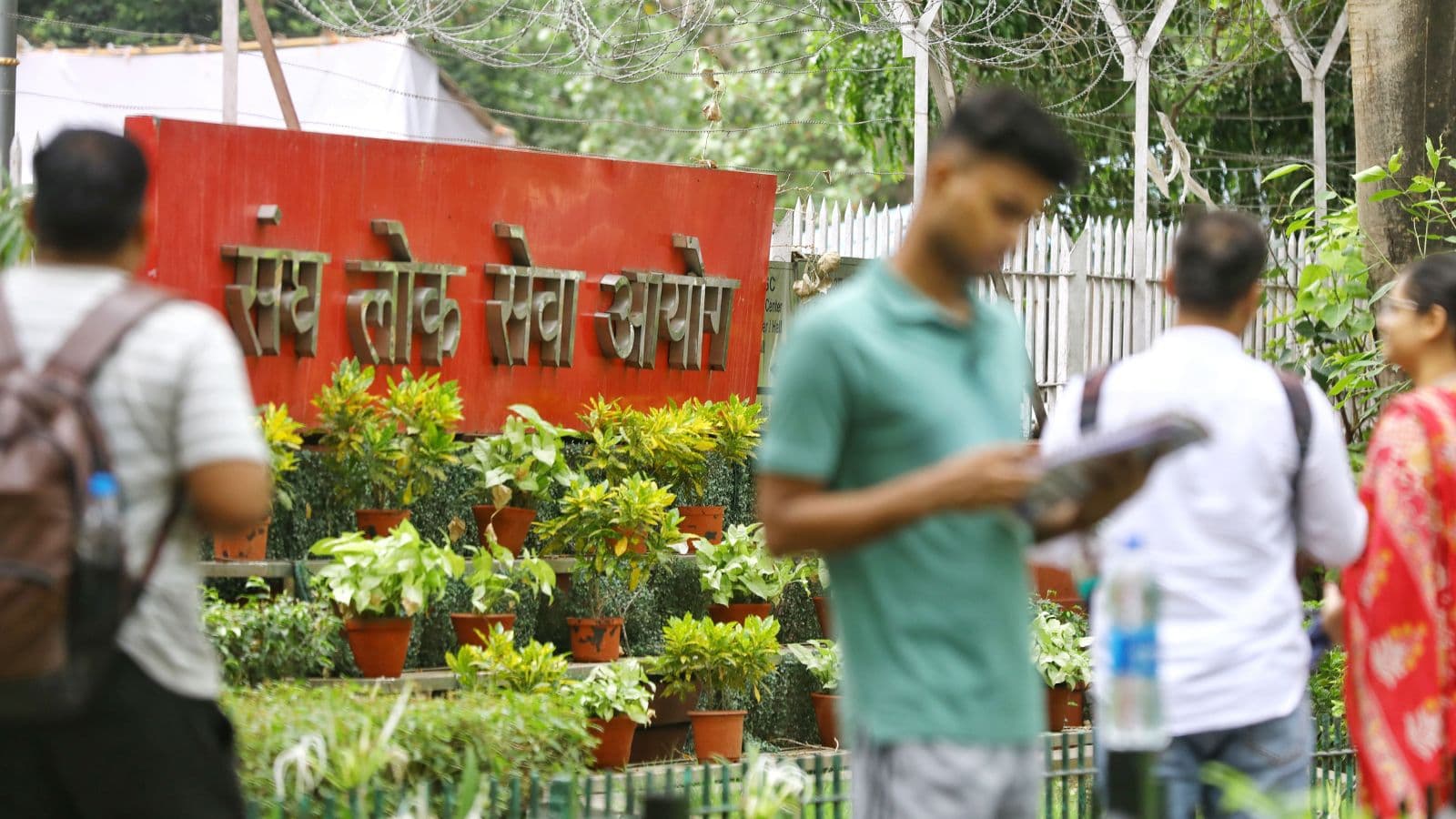
The move, announced earlier this year by the UPSC is being regarded as a ‘new beginning’ by UPSC Chairman Dr Ajay Kumar as it comes after long-standing demands from aspirants and observations made during proceedings before the Supreme Court. The Commission said the reform is aimed at improving transparency, responsiveness, and timely communication with candidates.Here are the key details UPSC aspirants should know: What is the big change announced by UPSC? For the first time, UPSC will publish a provisional answer key shortly after the preliminary examination, instead of waiting until the entire Civil Services Examination process is completed. Until now, the Commission released answer keys, marks, and cut-offs only after the final results of the examination cycle were declared, often many months later. The Commission said the new system is intended to: Enhance transparency in the examination process Allow candidates to assess their performance earlier Give aspirants an opportunity to raise objections before the final key is prepared Strengthen confidence in the examination system What did UPSC Chairman Ajay Kumar say? UPSC Chairman Dr. Ajay Kumar termed the decision “a new beginning”. According to the press note issued by the Commission, he said the initiative reflects UPSC’s effort to bring “greater transparency, responsiveness, and timely communication with candidates”.Story continues below this ad He further stated that the policy aims to make the examination process “more participative” while preserving its “sanctity, integrity, and merit-based framework”. When will the provisional answer key be released? The Commission has not specified an exact date, but said the provisional answer key will be released soon after the conduct of the examination. The move aligns with recommendations discussed during proceedings in the Supreme Court, where an amicus curiae had suggested publishing the answer key a day after the exam. How can candidates raise objections to the answer key? Candidates who appear for the prelims examination will be able to submit representations through the dedicated online portal: UPSC Online Question Paper Representation Portal (QPRep) As per the Commission’s announcement: -Objections can be submitted till May 31, 2026, 6 PM -Candidates must indicate the answer they believe is correct -A brief explanation has to be provided -Supporting documents from three authentic sources must be uploadedStory continues below this ad What kind of supporting documents are required? UPSC has said that objections must be backed by material from “three authentic sources”. In earlier submissions before the Supreme Court, the Commission clarified that objections unsupported by authoritative references could be rejected at the threshold itself. The UPSC also stated that it would determine whether the submitted references qualify as authoritative sources. Who will review the objections? The Commission said all objections and representations received from candidates will be examined by teams of subject experts. According to the press note:Story continues below this ad Experts with domain knowledge will review each objection. Supporting documents submitted by candidates will be examined carefully. Experts will then record their views on the correctness of disputed answers. Subsequently, the final answer key will be prepared only after considering all valid representations The finalised answer key will form the basis for preparation of the UPSC prelims result. Will the final answer key also be released? Yes. UPSC has clarified that the final answer key will be published after the declaration of the final results of the Civil Services Examination cycle. This means the provisional key will be available immediately after prelims, while the final validated key will continue to be released later in the process.Story continues below this ad Why the change, and why now? The decision to publish provisional answer keys is being seen as a signi
The cost for verification of marks has been reduced from Rs 500 to Rs 100 per answer book, and the cost for re-evaluation has been reduced from Rs 100 to Rs 25 per question. (Representational /Express Photo)The Education Ministry on Sunday dismissed concerns over the On-Screen Marking (OSM) affecting students’ scores in the CBSE Class 12 exams, saying it’s a system followed internationally to conduct transparent evaluation. School Education Secretary Sanjay Kumar said to address concerns among students, the CBSE has reduced the cost to obtain a copy of the answer book to Rs 100 from the earlier amount of Rs 700. The cost for verification of marks has been reduced from Rs 500 to Rs 100 per answer book, and the cost for re-evaluation has been reduced from Rs 100 to Rs 25 per question.If the re-evaluation results in an increase in marks, the amount will be refunded, Kumar said. According to officials, the decision has been taken to ease the anxiety of students. They, however, maintained that the OSM is a foolproof, standardised and transparent marking process. This year, the CBSE pass percentage has dropped by about three percentage points from 88.39% last year to 85.29%. The number of students scoring 90% and above has also fallen to its lowest since at least 2019. In the on-screen marking system, answer books are scanned and evaluated on computers; the Board introduced this system of marking for the Class 12 exams this year. Kumar said the CBSE wanted to introduce OSM in 2014 itself, but it didn’t seem feasible with available technology then. “There are several institutions in the world and in the country that do this (OSM)…Mumbai University, Visvesvaraya University…,” he said. ExplainedInternationally accepted systemOn-screen marking is being used by many institutions internationally as well as at the national level. According to officials, in schools it is used by the International Baccalaureate and Cambridge boards as well. In fact, it has become a norm internationally because through technology, it enables evaluators to conduct the entire system in a more transparent manner, the officials said. This year, a total of 98 lakh answer books were scanned and PDFs made, ensuring the order of the pages, Kumar said, adding that OSM brought in a flexibility into the evaluation process — earlier, marking was done in the geographical area of CBSE’s regional offices, but with OSM, the papers could be sent outside the vicinity of regional offices, “bringing in more objectivity and transparency”. He said totaling mistakes can be avoided with OSM as it is a digital process, with a record of marks given for the answers.Story continues below this ad A total of 13,000 answer books were found to be illegible, the ink in some cases were far too light to be fully legible after scanning. These answer sheets were checked manually, said Kumar. On the drop in pass percentage, the School Education Secretary said: “There is a variation in the pass percentage…in the Covid years, it had spiked. The system is also stabilising. What may have been, I can’t answer with absolute certainty. Now the marking process has become more objective and standardised.” CBSE Chairman Rahul Singh acknowledged that the on-screen marking system did face glitches when evaluation of major subjects began on March 17. “When teachers logged in initially, there were glitches… Systems were hanging when they were first operationalised. There were downloading issues, but they were resolved in quick time, and by March 18, the system was working flawlessly…across multiple subjects, evaluations went on simultaneously,” he said.Story continues below this ad Singh said when OSM was attempted in 2014, the scanning infrastructure available was such that answer books could not be scanned without cutting open the books, resulting in answer sheets getting mixed up. “Now we have a technology where the entire answer book can be scanned in one go without cutting it open at the spine…We were a


Discussion (0)