
Loading dispatches...
← Return to Newsroomgeneral
Maharashtra forms task force to review NEP 2020 implementation in higher education sector
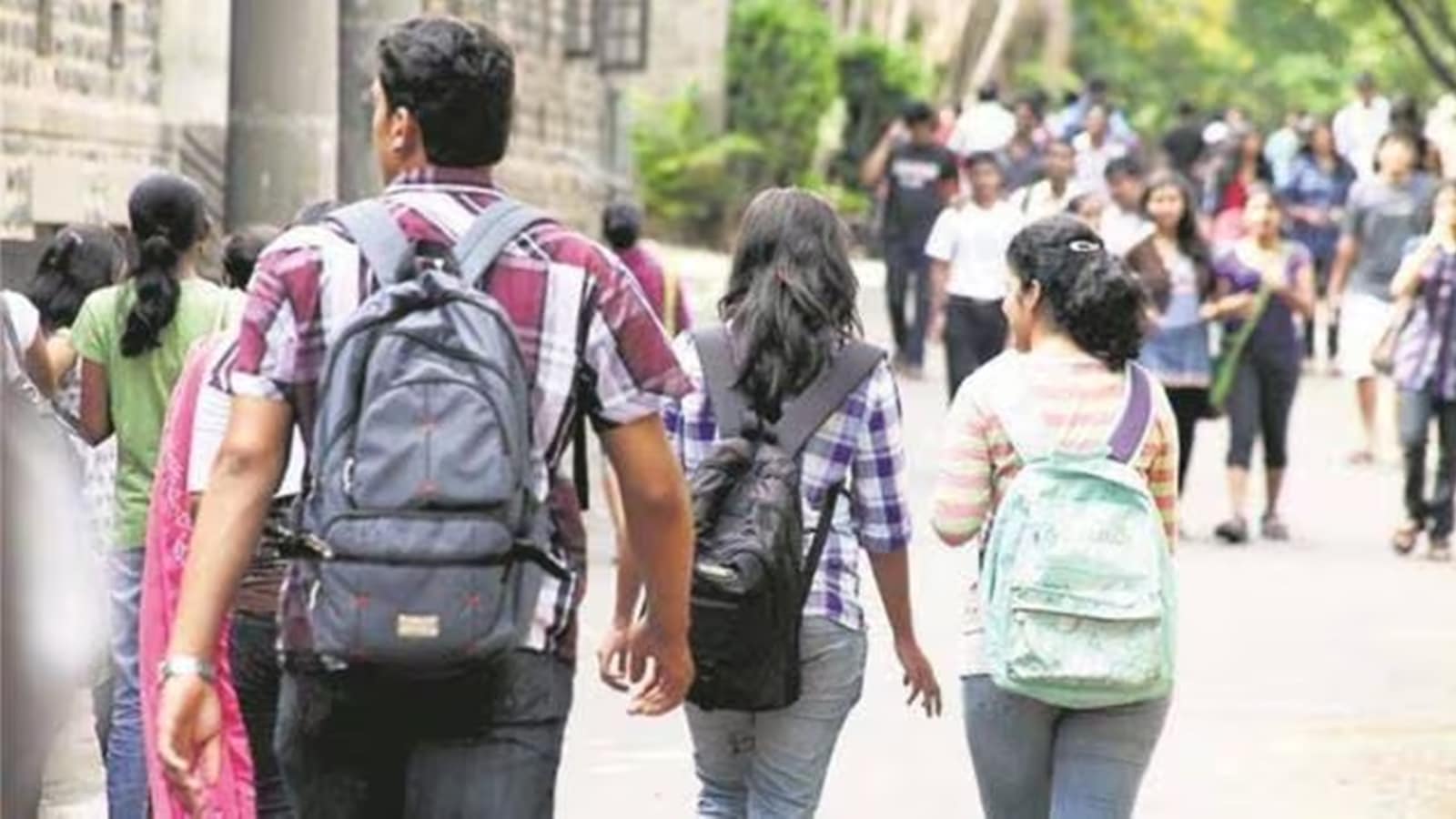
As per a circular, apart from being present at all meetings, these members also have to ensure the National Education Policy (NEP) 2020 is effectively implemented in all these colleges. (Representational Image)Maharashtra government’s higher and technical education department has constituted a state-level Task Force to take review of the implementation of National Education Policy (NEP) 2020 across universities and colleges in the state. The purpose is to suggest solutions to difficulties in its implementation, and make necessary recommendations to the government in order to accelerate NEP 2020 implementation in the state’s higher education institutions.Higher and technical education minister of Maharashtra Chandrakant Patil said that the state has already begun implementation of the NEP 2020 reforms, including four-year undergraduate degree programmes, the Academic Bank of Credit (ABC), the Major-Minor subject system, internships, the Indian Knowledge System (IKS) courses, and even skill-based education. “The newly formed task force will provide uniform academic and administrative guidance to educational institutions,” he said, further adding that the department aims to make higher education in Maharashtra more student-centric, research-oriented and skill-driven. As per the Government Resolution (GR) issued in this regard, former Vice Chancellor of Savitribai Phule Pune University (SPPU) Prof. Dr. Nitin Karmalkar has been appointed chairman of the task force which will be a nine-member committee composed of VCs of few prominent state universities, educationists and experts from the higher education sector and relevant government officers. The task force will frame guidelines on several key issues, including four-year undergraduate degree structure, internships, credit transfers, multiple entry-exit options, migration between universities and implementation of uniform academic calendar. It will also recommend policies related to PhD admissions, student support systems, and teacher training programmes. The committee is expected to submit a progress report within three months.
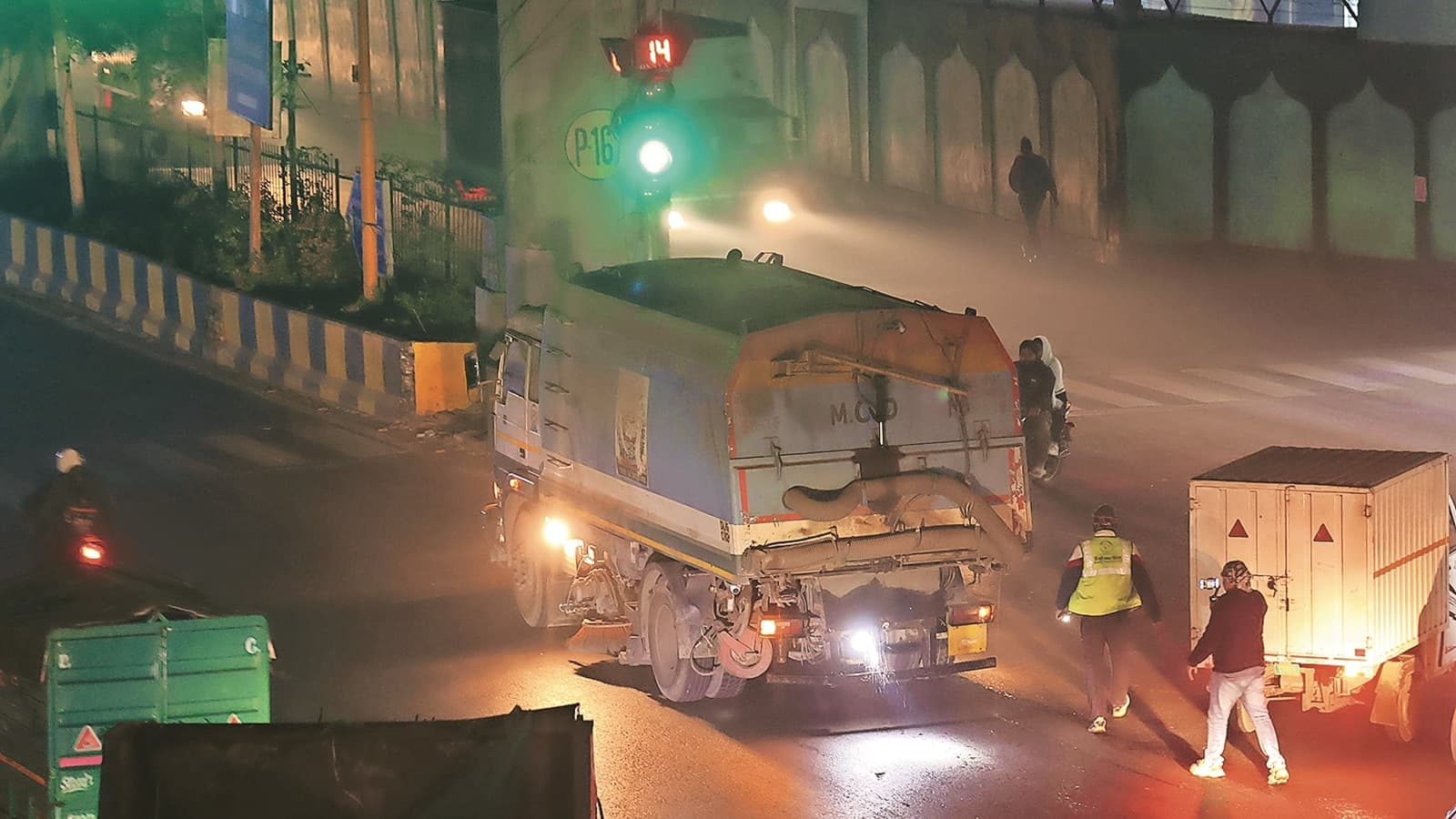
A “significant increase” in the number of Mechanical Road Sweeping Machines (MRSMs) in Delhi to tackle road dust was among a series of measures directed by Union Environment Minister Bhupender Yadav to tackle air pollution, in a meeting with Chief Minister Rekha Gupta and top officials, according to an official statement.“Air pollution control requires collective responsibility and continuous action at every level. The Centre remains committed to working closely with the Delhi government and all stakeholders to ensure cleaner air for the people of Delhi,” Yadav said.The Union Minister’s directions came a day after The Indian Express published the findings of its investigation into how Delhi is losing its war on dust — one of the main villains in the city’s toxic air, and one of the easiest to fix. The Indian Express investigated the daily movement logs of MRSMs across a year until March, revealing that these machines cover only a fraction of the city, with a fleet that is vastly underpowered — 80% short of the 505 recommended by the Prime Minister’s Office. Using geospatial mapping and route-level analysis, the newspaper also built a dashboard to track 52 geo-tagged MRSMs managed by the Municipal Corporation of Delhi (MCD). An MCD Sweeper truck cleans the stretch between Kalkaji Mandir to Tughlaqabad Landfill area on Thursday night. A total of 52 trucks are commissioned through contractors by the MCD in cleaning the capital’s road. Street dust is amongst the most significant contributors to air pollution. (Express Photo by Tashi Tobgyal New Delhi)The findings were stark: just five of the 52 designated MRSM routes accounted for nearly 18 per cent of all running and sweeping distance; the fleet routinely operated below capacity, including during peak dust months; deployment was tilted toward winter, when air pollution becomes a political flashpoint; and coverage across municipal zones was uneven, with better-funded zones faring considerably better. As part of the investigation, The Indian Express tracked these MRSMs on the ground for two nights to find out how the dust is collected by teams of drivers and sanitation workers, and the challenges they face. It also reported that the MCD plans to add 70 road sweepers by October and put in place an app for real-time tracking.Story continues below this ad Tuesday’s statement on Yadav’s meeting to “review Delhi-NCR Air Pollution Action Plan” said that he “reviewed the deployment of Mechanised Road Sweeping Machines and observed the need for a significant increase in their current numbers”. “He requested the Delhi Government to intensify road-cleaning operations and ensure deployment of 78 large and medium MRSMs, along with 1,000 litter pickers by September 2026, as proposed earlier. He said that intensive and deep road cleaning, and dust suppression remain among the most effective interventions for reducing particulate pollution in urban areas,” it said. On road dust mitigation, the statement said the Minister “noted the need for a more focused approach to meet annual targets for road redevelopment and address delays in planning, tendering, issuance of work orders and supply-chain disruptions”. He urged the Delhi government to expedite execution so that all pending redevelopment works are completed by October 2026. Yadav also called for extensive greening activities alongside roads by identifying open patches to minimise dust pollution, and said the pending Memorandum of Agreement with the Central Road Research Institute and School of Planning and Architecture may be finalised by end of May 2026, to ensure adherence to prescribed road development standards.Story continues below this ad Apart from the Chief Minister, the meeting was attended by her Cabinet colleagues Pravesh Sahib Singh, Minister for Public Works Department, and Sardar Manjinder Singh Sirsa, Minister for Environment, Forest and Wildlife. The Secretary, Union Environment Ministry, senior officers of the Central Pollu
New DelhiMay 26, 2026 09:54 AM IST The Ministry of Education confirmed the development through its official X handle, signalling the seriousness with which the Centre is approaching the re-examination for over 23 lakh medical aspirants. (Image; AI Generated)With the high-stakes NEET UG re-examination scheduled to be held on June 21, Union Minister of Education Dharmendra Pradhan has written to all Chief Ministers, Lieutenant Governors, and Administrators, seeking their active cooperation to ensure the exam is conducted smoothly, fairly, and successfully on June 21, 2026. The Ministry of Education confirmed the development through its official X handle, signalling the seriousness with which the Centre is approaching the re-examination for over 23 lakh medical aspirants. Read More | NEET UG 2026 Re-Exam FAQs: NTA guidelines on fee refund, exam-city change, and timelinesMinister Pradhan also flagged the prevailing severe heatwave conditions sweeping large parts of the country in his post and urged state governments and Union Territory administrations to ensure that all essential basic facilities are made available at examination centres. This directive takes on added significance given that India’s June temperature remains high in terms of heat in several states, routinely breaching 40–45°C. Earlier, Union Education Minister Dharmendra Pradhan reviewed preparations for the forthcoming NEET-UG re-examination and directed officials to ensure its conduct in a “secure, seamless and foolproof manner” under strict security protocols, officials said. During chairing the review meeting, Pradhan stressed that all gaps identified in the earlier examination process must be comprehensively addressed and eliminated to ensure complete integrity and transparency in the conduct of the examination, they said. “The minister emphasised that the Re-NEET examination must be conducted in a secure, seamless and foolproof manner under stringent security protocols,” the officials said. READ| NEET UG cancellation Anatomy of a leak Additionally, the National Testing Agency (NTA) on May 22 opened the online window for candidates to claim their examination fee refunds for the National Eligibility cum Entrance Test Undergraduate (NEET UG) 2026. According to the official notification issued jointly by the NTA and the National Medical Commission (NMC), a dedicated facility has been activated on the official NEET UG registration portal at neet.nta.nic.in. Read More | What is NEET UG 2026 refund process? How to apply for this?Story continues below this ad Candidates who are eligible for an examination fee refund can log in using their credentials and submit their preferred bank account details. This financial settlement comes after a period of unprecedented turmoil for the medical entrance exam. The re-examination is being conducted after the cancellation of the earlier NEET UG 2026 exam held on May 3 amid allegations of a paper leak and other irregularities. Over 22 lakh candidates are expected to appear for the re-test on June 21.

Discussion (0)