
Loading dispatches...
← Return to NewsroomEconomy
Petrol, diesel prices on June 15: Check fuel cost in Chennai, Bengaluru, Delhi, Kolkata, Mumbai and other cities today
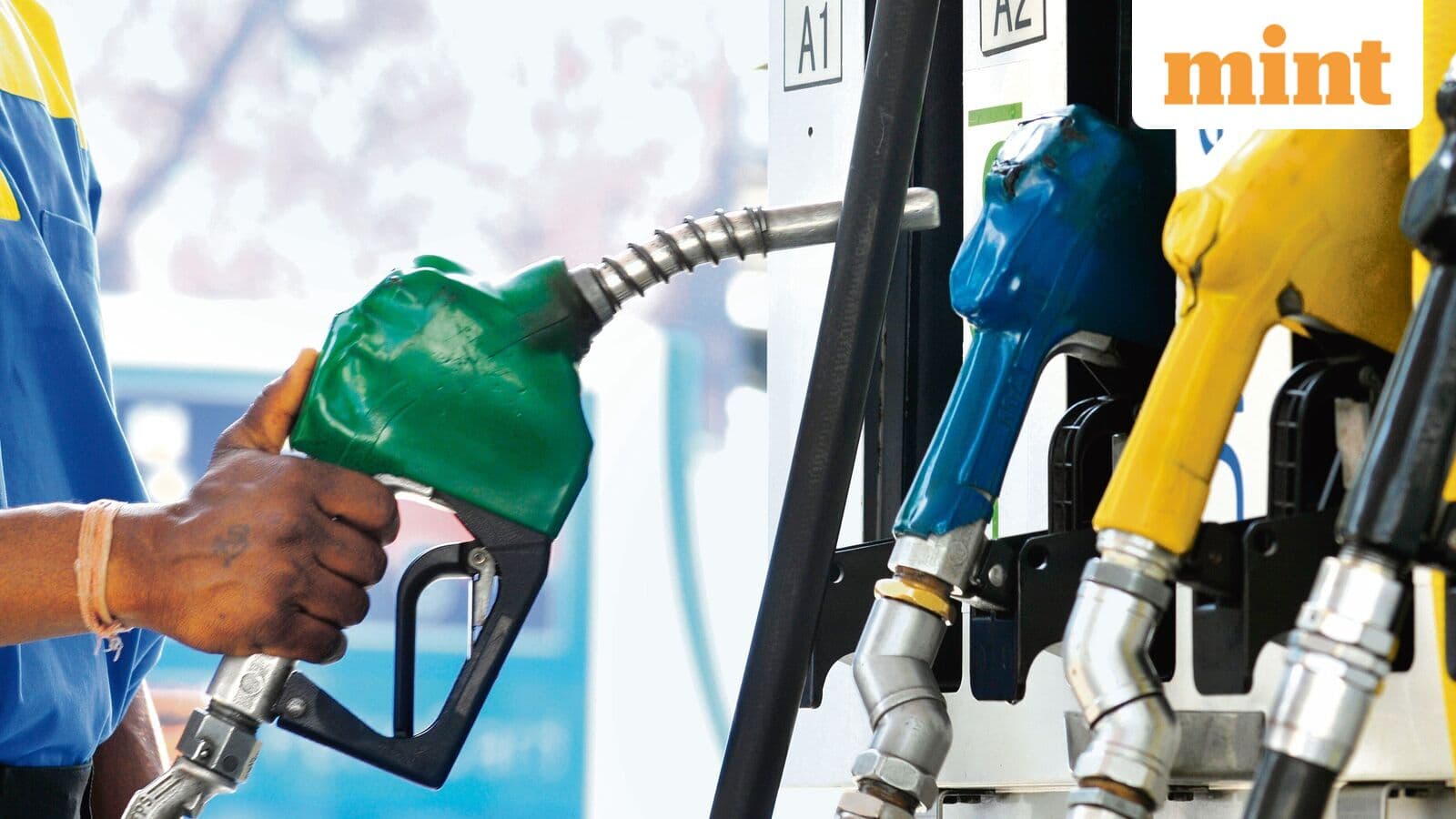
Fuel prices were unchanged today on Monday, 15 June. The last fuel price hike was on Monday, 25 May, when oil marketing companies (OMCs) hiked both petrol and diesel prices by more than ₹2.50/litre.Petrol, diesel prices on June 15.Petrol and diesel prices remained unchanged across India on June 15, as state-owned oil marketing companies continued to hold fuel rates steady. While domestic fuel prices have not seen any revisions today, global crude oil markets remain volatile amid ongoing tensions in the West Asia crisis, keeping investors and policymakers on alert.Fuel prices were raised in MayPetrol and diesel prices were last revised in May 2026, when rates were increased by ₹3 per litre. Since then, oil marketing companies have been conducting regular price reviews but have opted to maintain current rates. The decision to keep prices unchanged has provided some relief to consumers despite fluctuations in international crude oil prices.Consumers can check the latest petrol and diesel prices in their respective cities through the table below.CityPetrol ( ₹/litre)Diesel ( ₹/litre)Delhi ₹102.12 ₹95.20Mumbai ₹111.21 ₹97.83Kolkata ₹113.47 ₹99.82Chennai ₹107.88 ₹99.65Lucknow ₹101.86 ₹95.36Noida ₹102.12 ₹95.56What determines petrol and diesel prices in India?The prices motorists pay for petrol and diesel are influenced by a mix of global and domestic factors.The most significant driver is the international price of crude oil, the primary raw material used to produce both fuels. Any movement in global crude prices typically has a direct impact on retail fuel rates in India.Another crucial factor is the rupee–US dollar exchange rate. As India imports the majority of its crude oil requirements, a weaker rupee makes imports more expensive, increasing the overall cost of fuel.Why do fuel prices vary from city to city?Fuel prices differ across cities and states largely because of variations in state-level taxes. While the central government levies excise duty, state governments impose their own value-added tax (VAT), resulting in differing retail prices across the country.In addition, transportation and distribution costs, along with local demand and supply conditions, can influence the final price consumers pay at the pump.Govt bars industries from buying petrol, diesel at pumpsMeanwhile, the Centre barred industrial, commercial and institutional consumers from purchasing petrol and diesel through retail fuel outlets and directed them to procure supplies from authorised bulk sellers instead.The move followed an order issued by the Ministry of Petroleum and Natural Gas on Wednesday. Under the Motor Spirit and High Speed Diesel (Temporary Regulation of Supply through Retail Outlets) Order, 2026, oil marketing companies and fuel retailers were instructed to restrict bulk fuel purchases at petrol pumps for periods of up to 90 days.The government took the step in response to unusually high demand growth, particularly for diesel, in certain regions. Officials noted that several bulk consumers had shifted their purchases to retail fuel stations to take advantage of price differences, putting additional pressure on supplies at petrol pumps.About the AuthorKanishka SinghariaKanishka Singharia is a Senior Content Producer at Mint with a passion for news, trends, and the stories shaping the digital world. She specialises in spotting viral narratives by constantly tracking social media platforms and turning them into engaging, reader-friendly stories. Her work ranges from fast-paced breaking updates to sensitive human-interest features, blending speed with clarity. With over four years of experience in news and trend reporting, Kanishka has worked with leading organisations such as Hindustan Times and Times Now. She moves seamlessly between profiling business leaders and telling the stories of everyday people, covering national developments just as effortlessly as the memes and conversations that dominate online culture. She also
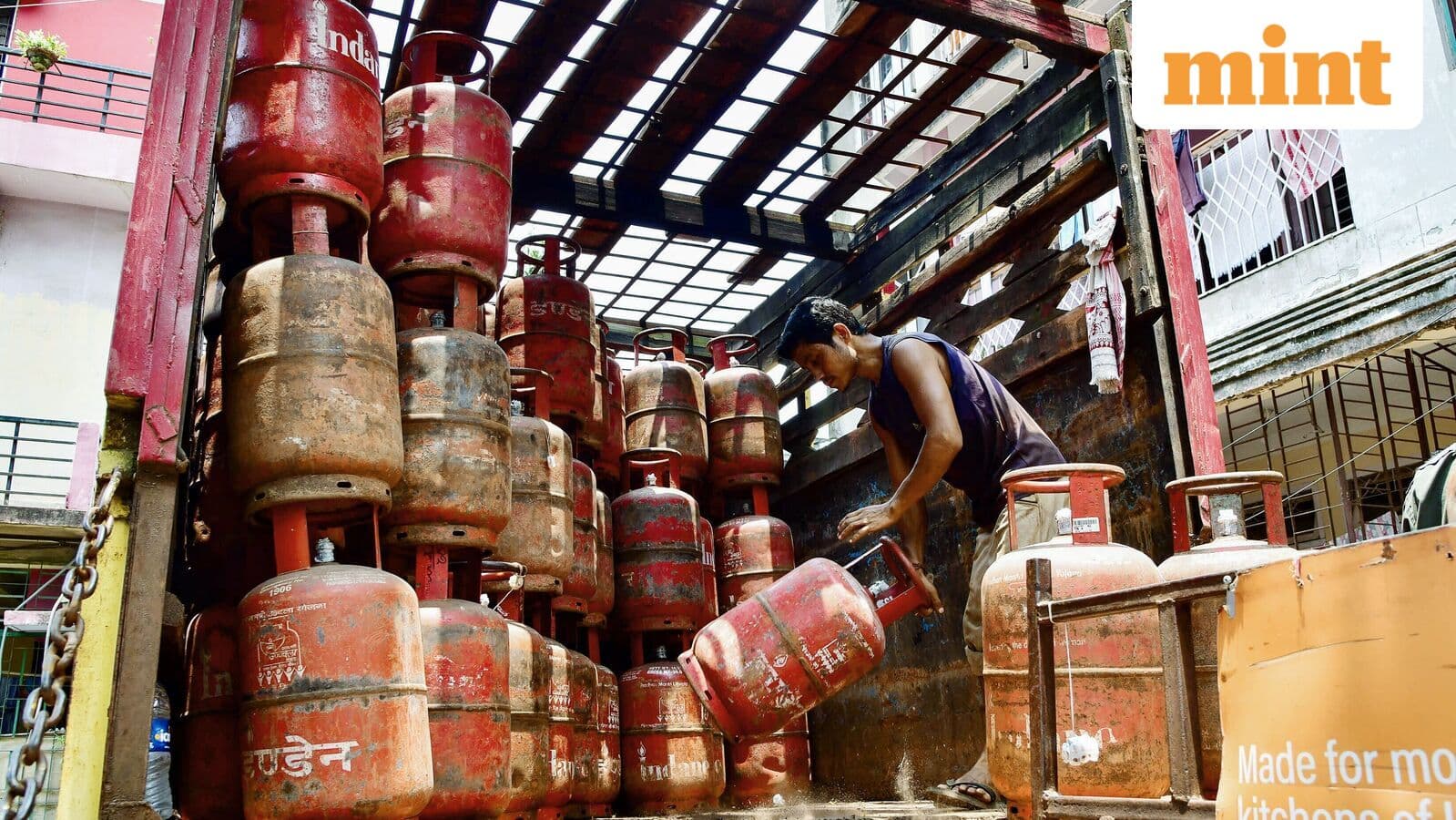
LPG prices held steady on 14 June after recent increases, with ₹29 hike in the price of 14.2 kg domestic cylinder registered last week. Meanwhile, Union minister Suresh Gopi indicated the need to monitor crude oil supplies. LPG cylinder prices remained unchanged on Sunday after a recent hike.(Abdul Sajid | ANI)LPG prices today, 14 June: The cost of domestic and commercial Liquefied Petroleum Gas (LPG) cylinders remained steady on Sunday, 14 June after latest hike that came about last week. On 7 June, both domestic and commercial LPG cylinder rates were revised by state-run oil marketing companies (OMC). The price of 14,2 Kg domestic LPG cylinder rose by ₹29, marking the second increase in three months since the first revision of ₹60 that came out on 7 March.Although the OMCs continue to absorb the major shock in global oil prices due to West Asia war but recently the government decided to transfer a part of the volatility to consumers due to severe under-recoveries. Presently, the price of domestic LPG cylinder is ₹942 in Delhi, ₹941.50 in Mumbai and ₹944.50 in Bengaluru.CityDomestic (14.2 Kg)Commercial (19 Kg)New Delhi ₹942.00 ( +29.00 ) ₹3,113.50 ( +42.00 )Kolkata ₹968.00 ( +29.00 ) ₹3,255.50 ( +53.50 )Mumbai ₹941.50 ( +29.00 ) ₹3,067.50 ( +43.50 )Chennai ₹957.50 ( +29.00 ) ₹3,283.00 ( +46.00 )Gurugram ₹950.50 ( +29.00 ) ₹3,130.00 ( +42.00 )Noida ₹939.50 ( +29.00 ) ₹3,113.50 ( +42.00 )Bengaluru ₹944.50 ( +29.00 ) ₹3,198.00 ( +46.00 )Bhubaneswar ₹968.00 ( +29.00 ) ₹3,290.00 ( +52.00 )Chandigarh ₹951.50 ( +29.00 ) ₹3,136.00 ( +43.50 )Hyderabad ₹994.00 ( +29.00 ) ₹3,367.00 ( +52.00 )Jaipur ₹945.50 ( +29.00 ) ₹3,141.00 ( +42.00 )Lucknow ₹979.50 ( +29.00 ) ₹3,236.00 ( +42.00 )Patna ₹1,031.50 ( +29.00 ) ₹3,400.00 ( +53.50 )Thiruvananthapuram ₹951.00 ( +29.00 ) ₹3,152.00 ( +46.00 )The disruption in crude oil and natural gas supplies across the Strait of Hormuz – the strategic waterway through which one fifth of the world's fuel exports takes place – is the main reason for elevated fuel prices and energy crisis.Fuel prices to be revised again?Union Minister of State for Petroleum and Natural Gas Suresh Gopi on a possible revision in fuel prices on Sunday said that it would depend on the availability of crude oil supplies. "Let us see the supply of crude oil. We have the minister concerned, Hardeep Singh Puri. Let it come," PTI quoted Suresh Gopi as saying.‘No shortage of energy,’ says Hardeep Singh PuriUnion Minister Hardeep Singh Puri on Saturday emphasized that there is no shortage of energy in the country while speaking with reporters in Ludhiana. Asserting that the supply situation of crude oil, LPG and natural gas is quite comfortable, Puri said that rates in India dropped by 3.1 per cent from May 2022 to May 2026 when fuel prices rose considerably in many countries."In India between May 2022 and May 2026, prices dropped by 3.1 per cent. On one hand, prices rose by 70-80 per cent in the world, but here (Prime Minister Narendra) Modi ji reduced prices by 3.1 per cent," PTI quoted Hardeep Singh Puri as saying.With MPC acknowledging higher H2 estimate, inflation is headed higher to 5.0 per cent in FY27 with core at 4.6 per cent, ICICI Bank Global Markets said in its 12 June 2026 report. According to the brokerage, it is likely that policy rates will be hiked by 50-75 bps in the wake of West Asia conflict and a below-normal monsoon.Get Latest real-time updatesStay updated with the latest Trending, India , World and US news. HomeNewsIndiaLPG prices today — 14 June: Domestic and commercial cylinder rates in Delhi, Mumbai, Bengaluru, Kolkata and other citiesMore
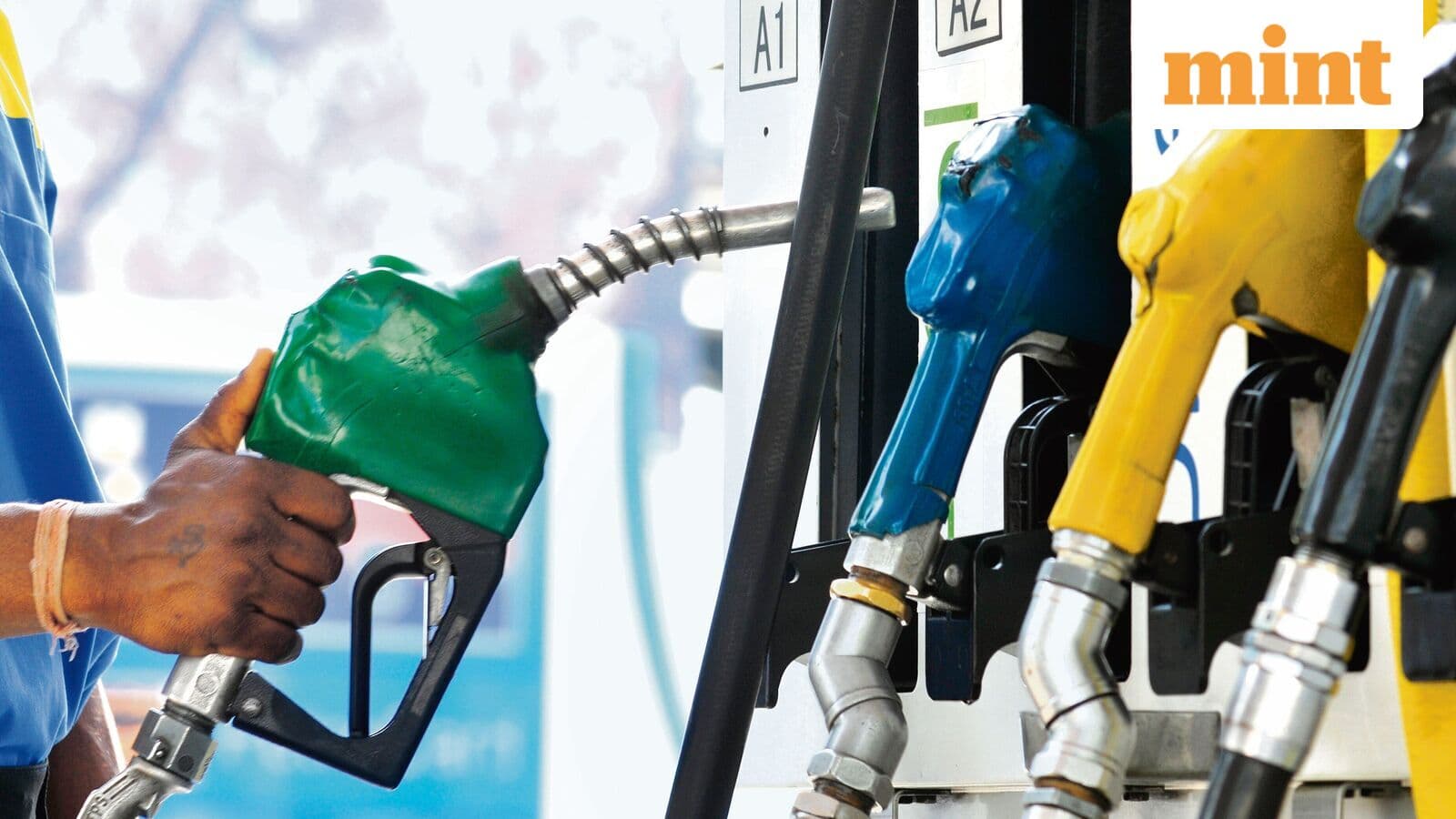
Fuel prices were unchanged today on Sunday, 14 June. The last fuel price hike was on Monday, 25 May, when oil marketing companies (OMCs) hiked both petrol and diesel prices by more than ₹2.50/litre.Petrol, diesel prices on June 14.Petrol and diesel prices remained unchanged across the country on Sunday, June 14, 2026, despite recent increases driven by rising global crude oil prices amid the ongoing West Asia crisis. Oil marketing companies (OMCs) and city gas distribution firms revise fuel rates daily at 6 am.So far, OMCs have raised petrol and diesel prices by around ₹7.50 per litre as higher crude oil costs continue to put pressure on domestic fuel prices.In a separate development, the government has barred industrial, commercial and institutional consumers from purchasing petrol and high-speed diesel (HSD) from retail fuel outlets. Under an official order issued on Thursday, such consumers must now procure fuel through bulk sale points or their own consumer pumps. The restrictions will initially remain in force for up to 90 days and may be extended through a fresh government order.Meanwhile, domestic LPG cylinder prices were increased by ₹29 from June 7, marking the second hike in the past three months. Following the revision, the price of a standard 14.2-kg domestic LPG cylinder in Delhi rose to ₹942 from ₹913.Commercial LPG users have also faced higher costs. From June 1, the price of a 19-kg commercial LPG cylinder in Delhi increased by ₹42 to ₹3,113.50.The government has, however, provided some relief to fuel exporters by reducing export duties on petrol, diesel and aviation turbine fuel (ATF) for the fortnight beginning June 1. Under the revised rates, export duty on petrol stands at ₹1.50 per litre, while diesel and ATF attract duties of ₹13.50 per litre and ₹9.50 per litre, respectively.Check full city-wise petrol and diesel price listCheck full list of petrol and diesel prices in major Indian cities today, on June 14 (Saturday) here below:CityPetrol Price ( ₹/litre)Diesel Price ( ₹/litre)New Delhi102.1295.20Mumbai111.1897.83Kolkata113.4799.82Chennai107.7799.55Gurgaon102.7795.44Noida102.1295.56Bengaluru110.9398.80Bhubaneswar109.92100.92Chandigarh98.1086.09Hyderabad115.69103.82Jaipur112.6697.78Lucknow102.0595.55Patna113.3599.36Thiruvananthapuram115.49104.40Oil hits lowest prices since MarchPrice of oil slipped to the lowest it's been since early March, near the start of the war in the Middle East, according to a report by Bloomberg. This comes amid signs that an interim peace deal that could impact transportation through the Strait of Hormuz is in the works.Brent futures fell 3.4% to settle at $87.33, the lowest since 5 March, and ended the week down 6.2%. West Texas Intermediate settled 3.2% lower on Friday, while European gas slumped as much as 8.4%.The US and Iran are edging closer to an agreement to reopen the Strait of Hormuz that could be signed as the Group of Seven world leaders meet next week, senior officials told the publication. The report however added that “conflicting messages” from the US and Iran have raised concerns.Overall, oil prices are lower by close to 30% since the peak of the conflict. Markets were oversupplied before the war broke out in February, and Brent crude, the global benchmark, had been hovering near $70 per barrel.About the AuthorLivemintFor about a decade, Livemint—News Desk has been a credible source for authentic and timely news, and well-researched analysis on national news, business, personal finance, corporates, politics and geopolitics. We bring the latest updates on all the listed companies on BSE and NSE, startups, mutual funds, Union ministries, geopolitics, and untapped human interest stories from around the world, helping our readers to stay informed on the latest developments around the globe. Our Coverage Areas 1. Companies: Comprehensive news and analysis on listed and unlisted companies, corporate announcements, corporate chatter, C-suite, business trends,

LPG cylinder prices remained stable on 12 June, despite previous hikes. The government claims that Indian consumers benefit from some of the lowest cooking gas prices globally, with significant subsidies still in place amid rising international fuel costs.LPG cylinder prices held steady on 12 June after the 14.2 kg domestic cylinder rates were hiked by ₹29 per unit on 7 June this month. (Reuters / File)LPG cylinder cost: Prices of domestic and commercial Liquefied Petroleum Gas (LPG) cylinders remained steady on Friday, 12 June after rates were hiked last week on 7 June (Saturday). India hiked domestic LPG cylinder prices by ₹29, marking the second increase in three months, after the first revision of ₹60 that came out on 7 March.Further, after the latest revision in 19-kg cylinder rates, commercial cylinder costs surged by around ₹42. In the wake of global energy disruptions, commercial LPG cylinder prices underwent revision for the fourth time on 1 June.War impacting LPG supply, pricesAccording to data from the Oil Ministry's Petroleum Planning and Analysis Cell (PPAC), LPG consumption fell 20% to 2.13 million tons this year compared to FY25. Notably, LPG imports (used for cooking purposes) account for 90% of India's supply, largely sourced from the Middle East.Supply chain disruptions across the strategic Strait of Hormuz have put pressure on fuel prices internationally. Through the latest price revision in petrol, diesel and LPG prices, the government transferred some of the price pressure to consumers. State-run oil marketing companies (OMCs) continue to absorb steep losses on each cylinder sold to cushion consumers against volatile oil prices due to the war.Check city-wise LPG cylinder prices today across major cities:After the latest revision, a 14.2-kg cooking gas now costs ₹942 in Delhi, ₹941.50 in Mumbai, ₹994 in Hyderabad, ₹968 in Kolkata and ₹944.50 in Bengaluru, according to industry estimates.CityDomestic (14.2 Kg)Commercial (19 Kg)New Delhi ₹942.00 ( +29.00 ) ₹3,113.50 ( +42.00 )Kolkata ₹968.00 ( +29.00 ) ₹3,255.50 ( +53.50 )Mumbai ₹941.50 ( +29.00 ) ₹3,067.50 ( +43.50 )Chennai ₹957.50 ( +29.00 ) ₹3,283.00 ( +46.00 )Gurugram ₹950.50 ( +29.00 ) ₹3,130.00 ( +42.00 )Noida ₹939.50 ( +29.00 ) ₹3,113.50 ( +42.00 )Bengaluru ₹944.50 ( +29.00 ) ₹3,198.00 ( +46.00 )Bhubaneswar ₹968.00 ( +29.00 ) ₹3,290.00 ( +52.00 )Chandigarh ₹951.50 ( +29.00 ) ₹3,136.00 ( +43.50 )Hyderabad ₹994.00 ( +29.00 ) ₹3,367.00 ( +52.00 )Jaipur ₹945.50 ( +29.00 ) ₹3,141.00 ( +42.00 )Lucknow ₹979.50 ( +29.00 ) ₹3,236.00 ( +42.00 )Patna ₹1,031.50 ( +29.00 ) ₹3,400.00 ( +53.50 )Thiruvananthapuram ₹951.00 ( +29.00 ) ₹3,152.00 ( +46.00 )Govt says Indians paying among lowest for cooking gasDespite the second upward revision in 14.2-kg LPG cylinder prices, the Centre claimed that Indian households continue to pay among the lowest cooking gas prices in the world.In a statement, the government said the cost of supplying a domestic LPG cylinder has risen to more than ₹1,600 following a surge in international prices after the war. It added that OMCs were estimated to be losing about ₹703 per LPG cylinder sold before the latest revision.According to Ministry of Petroleum and Natural Gas Additional Secretary, Praveen Mal Khanooja, the government is offering about ₹700 subsidy to non-Ujjwala consumers and ₹1,000 to Ujjwala beneficiaries. He underscored that the effective cost of a 14.2 kg cylinder based on Saudi Contract Price (CP) is over ₹1,600, but consumers pay ₹942.Calling the recent revision in prices a "very minor hike" compared to the ₹700 under-recovery, Khanooja asserted that ₹29 price hike works out to ₹1 per day and "20 paisa per day per household member" for a family using 12 cylinders a year.India's LPG import costs are linked to the Saudi CP, which is the global benchmark for the fuel. This benchmark has risen some 46% since the war impacted supply through the Strait of Hormuz, as per a PTI report.LPG price hike inevitable: Unio

The agriculture sector accounts for two-fifths of India's overall annual diesel demand of about 92 million tonnes, and for one-fifth of the total electricity consumption of nearly 1,700 terawatt hours.SummarySub-par monsoon rains could push up diesel consumption and electricity demand in India’s farm sector this kharif season as farmers rely more on groundwater irrigation. The shift may raise cultivation costs, spike fuel sales and add pressure on the already stretched power utilitiesNew Delhi: India's farm economy could see a surge in diesel consumption and electricity demand this kharif sowing season, as likely below-normal monsoon rains forces greater reliance on groundwater irrigation, experts said. Higher use of diesel-run pumps and electricity-powered tube wells are likely to raise farmers' costs and add pressure on the already-stressed power utilities, they said.India's agriculture remains heavily dependent on South-West monsoon, which accounts for over 70% of the country’s annual rainfall. The season's rains are also crucial for reservoir replenishment.The agriculture sector accounts for two-fifths of India's overall annual diesel demand of about 92 million tonnes, and for one-fifth of the total electricity consumption of nearly 1,700 terawatt hours.“Whenever rainfall turns erratic or below normal, irrigation demand rises sharply as farmers seek to protect standing crops and complete their sowing operations," said Ranvir Singh, a farmer from the Saharanpur district of Uttar Pradesh.The demand for diesel at the government-promoted Kisan Seva Kendras—rural retail outlets that vend fuels and other products and services to farmers—is likely to see higher growth than the other pumps, said fuel retailers.Punjab, Haryana, Uttar Pradesh and parts of central India are likely to see higher diesel and power demand as farm mechanization and groundwater extraction are high in these regions, said the people in the know. Power utilities may also face elevated daytime electricity demand as farmers then switch on their tube wells to irrigate their paddy, pulses, oilseed and cotton crops for the season, they said.This year, the situation has been aggravated with the ongoing West Asia war disrupting energy imports and the supply of fuels, including diesel. "For most part of the year, Kisan Seva Kendras sell 40-50 kilolitre (kl) of diesel a month, but during kharif and rabi sowing, this shoots up to 200 kl a month," said Monty Sehgal, spokesperson of the Petrol Pump Dealers Association Punjab, representing 4,000 pumps in the state. “We have written to the Punjab government, seeking their direction to the OMCs (oil marketing companies) to ensure adequate supplies.”Hemant Sirohi, a petrol pump dealer in Uttar Pradesh and a member of Empowering Petroleum Dealers Foundation, an organization with 3,000 members, said diesel consumption in north-western and central India typically rises 1-4% during kharif sowing, but this year the “demand is expected to increase by 5-10% due to heatwave conditions and a below-normal monsoon."Many key kharif crops are also water-intensive. “A weaker monsoon is expected to push farmers towards diesel-run pump sets and electricity-powered tube wells for irrigation to maintain sowing activity for water-intensive crops such as paddy, sugarcane and pulses. The trend could particularly intensify in states depending on groundwater irrigation and having relatively weaker canal infrastructure," said Puneet Singh Thind, founder and director of Northern Farmers Mega FPO, a federation of farmer-producer organizations from five North Indian states.Last month, the India Meteorological Department (IMD) cut the season's rainfall forecast to 90% of the long period average (LPA) from its initial estimate of 92%. Rains are seen normal over the North-East, but below normal in central, south Peninsular and North-West India. The ‘monsoon core zone’ that covers most rainfed agricultural regions is also projected to receive below-normal
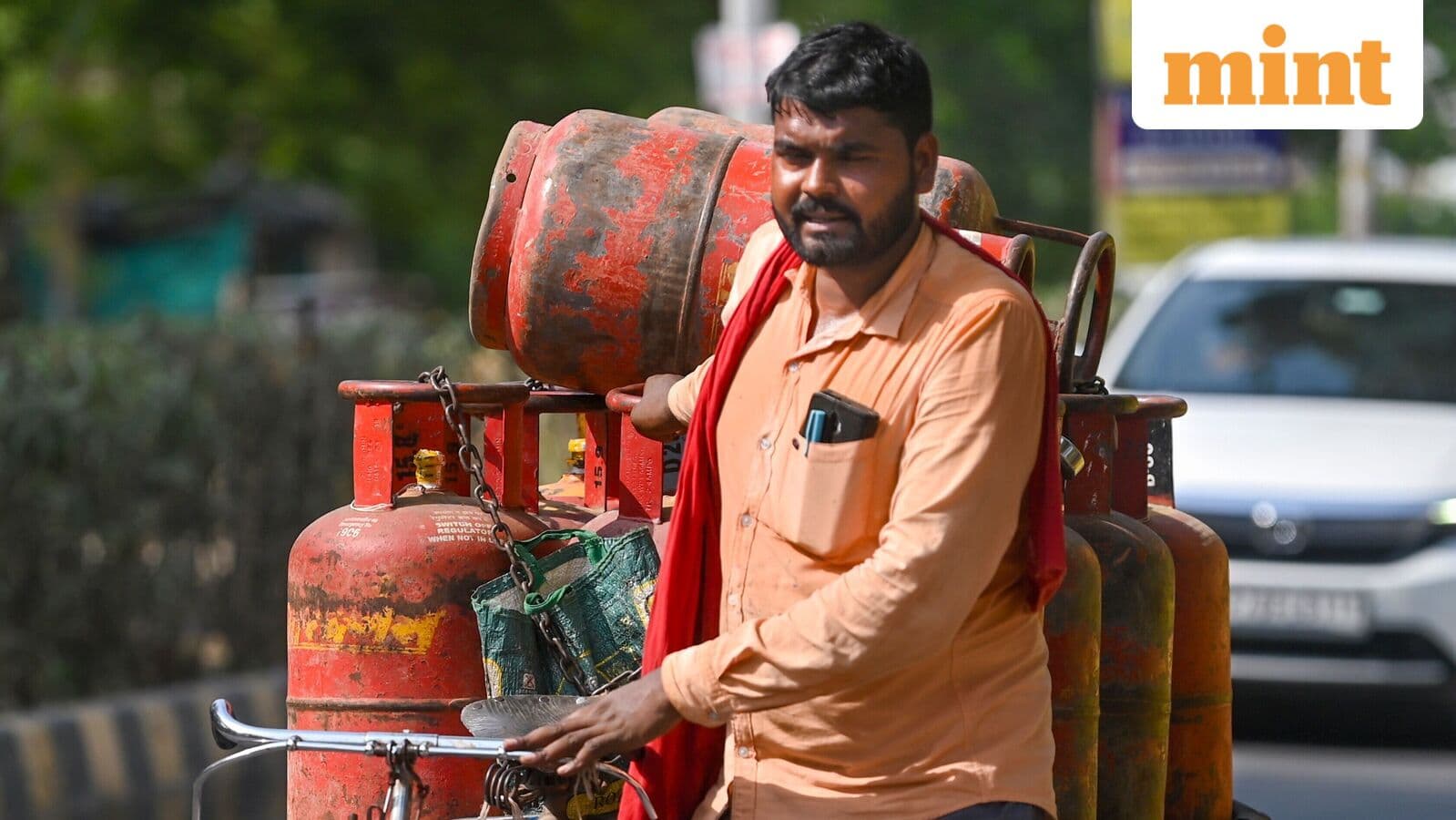
State-run oil marketing companies (OMCs) have raised domestic liquified petroleum gas (LPG) cylinder prices by ₹29, effective 7 June. This is the second hike since the start of the West Asia war. It comes after India's LPG consumption fell to 2.13 million tonnes in May, the lowest since the covid pandemic, and almost three months after oil companies hiked LPG prices by ₹60 a cylinder on 7 March.After the latest revision, a 14.2-kg domestic LPG cylinder will now cost ₹942 in Delhi, ₹941.50 in Mumbai, ₹994 in Hyderabad, ₹968 in Kolkata and ₹944.50 in Bengaluru, according to industry estimates.After the OMCs raised prices, the union government said in a statement that the added cost of supplying a 14.2-kg domestic LPG cylinder hasn’t been transferred completely to consumers and that Indian households continue to pay among the lowest cooking gas prices in the world.A beneficiary under the Pradhan Mantri Ujjwala Yojana will continue to receive the direct benefit transfer of ₹300 a cylinder on the first four refills each year. A typical Ujjwala household gets four refills a year and effectively pays ₹642 for those refills, according to the government.The government said the under-recovery on the sale of each domestic LPG cylinder was around ₹700 before the price hike. It said if domestic LPG prices were linked to international rates, each cylinder would cost ₹1,600. Under-recovery is the gap between the international cost of the molecule and the domestic retail price. The gap is usually absorbed by the public sector marketing companies and compensated in part by the exchequer. By the end of the last financial year, the cumulative under-recovery on domestic LPG reached ₹60,000 crore, up from ₹41,338 crore the year before.The latest price increase follows disruptions in global energy markets caused by blockades of the Strait of Hormuz, a critical trade route that handles one-fifth of the world's oil and natural gas exports. Since the US-Iran war started on 28 February, the fuel prices have been volatile around the world, with Brent crude, the global oil benchmark, trading around $100 per barrel.Commercial LPG prices have seen a much sharper increase in the past few months, as they are linked directly to the international benchmark. In the national capital, a 19-kg commercial cylinder, mostly used in hotels and restaurants, is priced at ₹3,113.50.LPG hit hardest by warLPG supplies have been worst-affected due to the war and the blockade of the Strait of Hormuz as India used to import 60% of its LPG before the war, with about 90% these imports coming from West Asia. The landed cost of those imports tracked the Saudi Contract Price (CP), set by Saudi Aramco at the start of each month. The Saudi CP has been set at $790 a tonne in June, about 46% higher than pre-war levels in February. India is making efforts to diversify imports, tapping the US, Russia and Norway, among others.Prashant Vashisht, senior vice president and co-group head, corporate ratings, ICRA Ltd, said: "The daily under-recovery on LPG sales of the three OMCs put together would be around ₹300 crore, which is the major part of the overall under-recovery of around ₹520 crore. The elevated levels of under-recovery continues due to high benchmark Saudi CP."OMCs have already raised the price of petrol and diesel four times in the past three weeks, taking the cumulative hike to about ₹7.5 per litre. However, it must be noted that the three OMCs—Indian Oil Corp. Ltd, Bharat Petroleum Corp Ltd, and Hindustan Petroleum Corp. Ltd—reported a cumulative net profit of over ₹77,000 in FY26 amid low prices of crude oil.Inflation worriesThis increase in retail prices is expected to fuel inflation and reduce spending, thereby affecting growth. On Friday the Reserve Bank of India (RBI) revised its inflation forecast upward to 5.1% for FY27 from the previously projected 4.6%.RBI governor Sanjay Malhotra said heightened global uncertainty, potential supply-chain disruptions
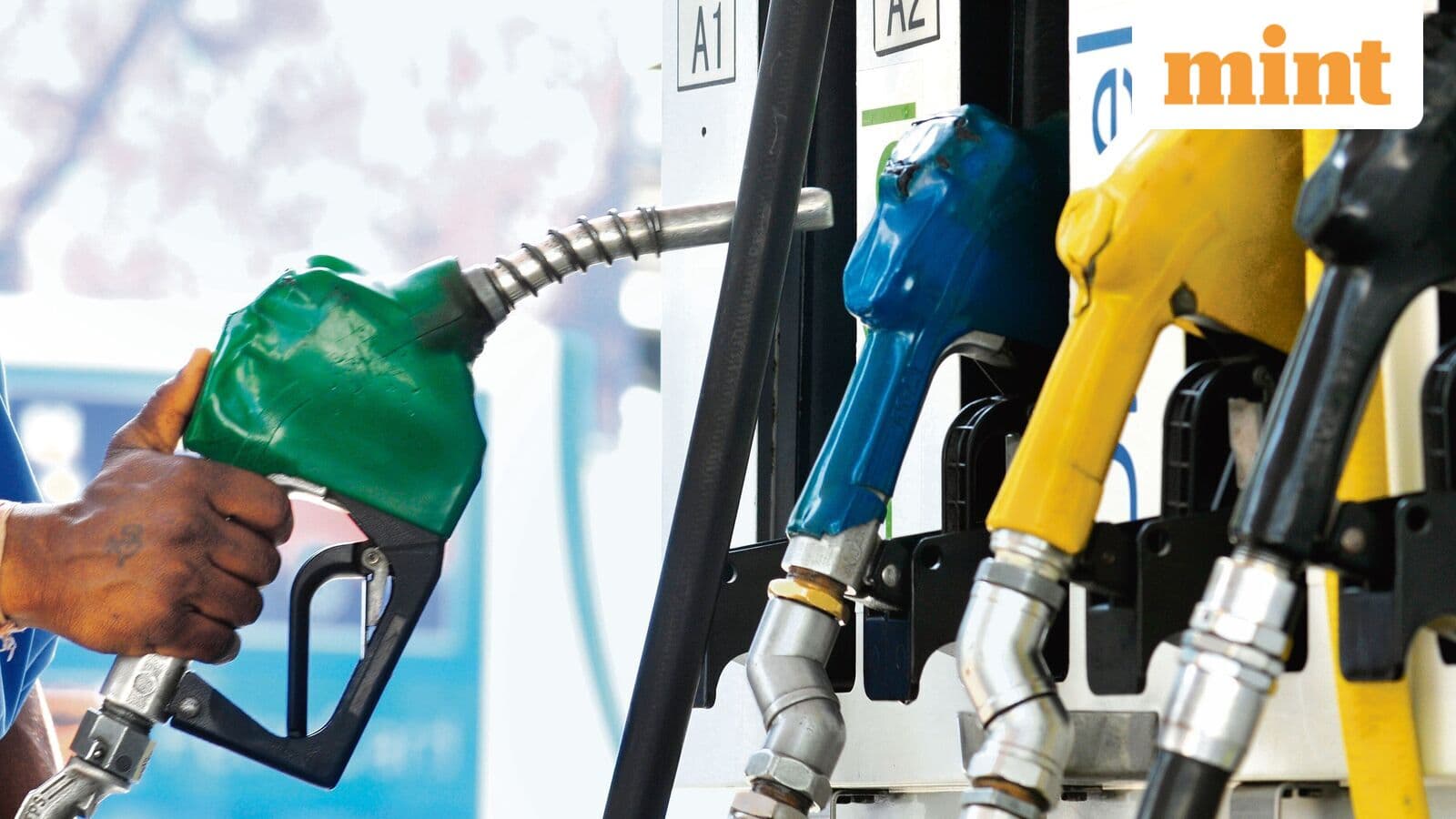
Fuel prices were unchanged today on Wednesday, 3 June. The last fuel price hike was on Monday, 25 May, when oil marketing companies (OMCs) hiked both petrol and diesel prices by more than ₹2.50 per litre.Fuel prices remained steady today on Wednesday, 3 June. OMCs last hiked prices on 25 May, when both petrol and diesel cost rose over ₹2.50/litre. (Ramesh Pathania / Mint / File Photo )Fuel prices were steady on Wednesday, 3 June, following the last price hikes on Monday, 25 May, when oil marketing companies (OMCs) increased the cost of both petrol and diesel by more than ₹2.50 per litre. Notably, the cumulative price hikes since 15 May have increased fuel costs of close to ₹7.5 per litre.Fuel prices in India are at their highest levels since May 2022 after remaining largely frozen for more than two years, barring a ₹2-per-litre cut in March 2024.War in West Asia impacts fuel pricesThis is because the last increase was the fourth such move in less than two weeks, on the back of a delayed pass-through amid soaring global crude oil prices due to the war in West Asia.The war in West Asia disrupted global energy supplies, including those to India. India's 40% of crude imports, 65% of natural gas and 90% of LPG supplies, which came from countries in the Gulf region, were disrupted due to the three-month-long conflict.Change in petrol and diesel pricesPetrol prices rose by ₹2.61/litre and diesel by ₹2.71/litre on 25 May in their fourth such increase.In Delhi, petrol prices rose to ₹102.12/litre from ₹99.51/litre, while diesel climbed to ₹95.20/litre from ₹92.49/litre.Check the full city-wise petrol and diesel price list below:CityPetrol PriceNew Delhi ₹102.12Kolkata ₹113.51Mumbai ₹111.21Chennai ₹107.87Gurugram ₹102.62Noida ₹101.96Bengaluru ₹110.89Bhubaneswar ₹108.97Chandigarh ₹101.51Hyderabad ₹115.69Jaipur ₹112.66Lucknow ₹101.89Patna ₹114.24Thiruvananthapuram ₹115.49CityDiesel PriceNew Delhi ₹95.20Kolkata ₹99.82Mumbai ₹97.83Chennai ₹99.65Gurugram ₹95.30Noida ₹95.44Bengaluru ₹98.80Bhubaneswar ₹100.68Chandigarh ₹89.47Hyderabad ₹103.82Jaipur ₹97.78Lucknow ₹95.36Patna ₹100.20Thiruvananthapuram ₹104.40Oil advances as peace talks between US-Iran stallOil rose for a third day amid disruption in peace talks between the United States and Iran and Israel's attacks on Lebanon, according to a Bloomberg report on 3 June.It added that Brent climbed toward $97 a barrel, while West Texas Intermediate was near $95 after adding more than 7% in the week’s first two sessions.US President Donald Trump said he’s still optimistic about a peace deal with Tehran and dismissed reports that negotiations have been halted amid the fighting in Lebanon, it added. However, the report noted that lack of clarity over extension of the current ceasefire and access to the Strait of Hormuz means that oil prices have restarted their climb. Oil prices had slipped in May due to optimism over a deal.The delay has hiked concerns over crude stock as countries await full opening up of exports from the Persian Gulf, the report said.The price volatility has forced dealers to scale back their risk exposure, pushing open interest — the total number of futures contracts that haven’t been closed, liquidated or delivered — in global benchmark Brent to the lowest since August. In the US, an industry report showed crude stockpiles fell 6.8 million barrels last week, it added.(With inputs from Bloomberg)Disclaimer: This story is for educational purposes only. The views and recommendations made above are those of individual analysts or broking companies, and not of Mint. We advise investors to check with certified experts before making any investment decisions.About the AuthorJocelyn FernandesJocelyn Fernandes is a journalist and editor with nearly 13 years of experience covering the business, corporate, economy and markets beats in news. As chief content producer for around three years at Livemint (Hindustan Times), Jocelyn publishes breaking stories, explainers, features

Fuel prices remained unchanged on Monday, 1 June. The last fuel price hike was on Monday, 25 May, when both petrol and diesel prices were increased by over ₹2.50 per litre.Fuel prices remained unchanged on Monday, June 1. The latest fuel price hike was reported on Monday, May 25, when both petrol and diesel prices were increased by over ₹2.50 per litre.Fuel prices remained largely unchanged on Monday, 1 June. The last fuel price hike was on Monday, 25 May, when oil marketing companies (OMCs) increased both petrol and diesel prices by over ₹2.50 per litre.The last increase was the fourth price hike in less than two weeks, extending a delayed pass-through of soaring global crude oil costs triggered by the Iran conflict.The latest increase, taking cumulative hikes since 15 May, has brought the price to nearly ₹7.5 per litre.Fuel prices have now reached their highest levels since May 2022 after remaining largely frozen for more than two years, barring a ₹2-per-litre cut in March 2024.The war in West Asia disrupted global energy supplies, including those to India. India's 40% of crude imports, 65% of natural gas and 90% of LPG supplies, which came from countries in the Gulf region, were disrupted due to the three-month-long conflict.CityPriceNew Delhi ₹102.12Kolkata ₹113.51Mumbai ₹111.21Chennai ₹107.87Gurugram ₹102.62Noida ₹101.96Bengaluru ₹110.89Bhubaneswar ₹108.97Chandigarh ₹101.51Hyderabad ₹115.69Jaipur ₹112.66Lucknow ₹101.89Patna ₹114.24Thiruvananthapuram ₹115.49Change in petrol and diesel pricesPetrol prices were raised by ₹2.61 a litre and diesel by ₹2.71 on Monday, the fourth increase.In Delhi, petrol prices rose to ₹102.12 per litre from ₹99.51, while diesel climbed to ₹95.20 from ₹92.49.CityPriceNew Delhi ₹95.20Kolkata ₹99.82Mumbai ₹97.83Chennai ₹99.65Gurugram ₹95.30Noida ₹95.44Bengaluru ₹98.80Bhubaneswar ₹100.68Chandigarh ₹89.47Hyderabad ₹103.82Jaipur ₹97.78Lucknow ₹95.36Patna ₹100.20Thiruvananthapuram ₹104.40The government said higher retail fuel sales were driven partly by agricultural demand and by a shift in purchases from bulk buyers and private fuel retailers to state-run outlets, driven by price differences.More than 150 districts have recorded over 30% growth in petrol sales, with 14 districts seeing sales double, Sujata Sharma, joint secretary in the petroleum ministry, said.Diesel sales rose more than 30% in 156 districts, while six districts reported growth of over 100% .Sales by private fuel retailers have fallen 38% for diesel, while state-run oil marketing companies have seen bulk diesel sales decline 29%, she added.While petrol and diesel sold at state-owned petrol pumps continue to be sold below cost, bulk users such as telecom towers are charged market rates. Also, private retailers have hiked petrol and diesel prices much more than their PSU counterparts.IOC, BPCL and HPCL, which control 90% of the market, have raised petrol and diesel prices by about ₹7.50 per litre since 15 May.About the AuthorTarunya SanjayTarunya Sanjay is a journalist at Mint covering startups, business, consumer internet, artificial intelligence, and internet culture, with a focus on how digital products and platforms shape everyday life. Her reporting explores startup ecosystems, digital platforms, creator economy trends, AI-driven consumer shifts, and changing patterns in how people work, spend, communicate, and consume content. She is particularly interested in stories at the intersection of business, technology, and culture, with an emphasis on making fast-moving digital trends accessible and relatable. Before joining Mint, she covered startups, entrepreneurship, venture capital, and technology for Outlook Business, reporting on business trends, emerging innovation, and India’s evolving startup landscape. She also worked with AIM Media House covering similar beats in the startup and digital economy space. She began her journalism career reporting city, civic, and human-interest stories for The Times of Indi
Electricity bills in Uttar Pradesh may increase by 10% in the month of June due to a surcharge on increased fuel prices, a UP Power Corporation Limited release read.The statement said that the hike is in accordance with the instructions of the Government of India and the information from the Regulatory Commission.“...Fuel and Power Purchase Adjustment Surcharge (FPPAS) calculated for the month of March, 2026 as per regulation is to be charged in the month of June, 2026,” the release read. “FPPAS chargeable is 10% for the month of March, 2026 to be charged in the month of June, 2026.”(This is a developing story; will be updated soon

Discussion (0)