
Loading dispatches...
← Return to Newsroomgeneral
Not a whisper of evidence: Gujarat High Court rejects claim on Narsinhji temple

In a 155-page judgment that came seven decades after litigation, the Gujarat High Court Monday dismissed three appeals filed by the self-proclaimed Mahant of the Narsinhji temple in Dhaman, Navsari, holding that the son of the late Mahant had produced “not a whisper of evidence” to prove his claim that the deity’s temple and its properties were private.The court also called out his four-decade legal campaign as a deliberate weaponisation of the judicial process driven by “mortal greed and insatiable desire to take away the deity’s property”.Justice J C Doshi, pronouncing judgment in the 1979 case, held that Lord Narsinhji is a “public deity”, the temple at Dhaman is a “public trust”, and confirmed the appointment of five trustees from Dhaman village to manage it. Dispute over divine assets The case dates back to June 7, 1952, when devotees of Lord Narsinhji filed an application before the Deputy Charity Commissioner, Baroda (now Vadodara), claiming that the idol was a public deity and all attached properties were public trust properties. Late Mahant Dayaram Guru Govinddas contested this, claiming the idol was a private deity brought by his family to Dhaman, that the temple was his personal property, and that the surrounding lands were private possessions acquired through the Guru-Chela succession tradition. Both the Deputy Charity Commissioner in 1954 and the Charity Commissioner, Bombay, in 1955 ruled against the Mahant. A Division Bench of the Gujarat High Court in 1971 settled conclusively that Lord Narsinhji is a public deity and the temple a public one, remanding only the question of specific properties to the District Court for fresh adjudication. The District Court ultimately held most properties to be trust properties, a finding that the Mahant’s son Vijay Dayaramdas challenged by filing first appeals in 1979. Senior Counsel Mehul Shah, appearing for Dayaramdas, argued that the District Court had committed a foundational error by granting relief on Schedule A properties despite no relief having been prayed for by the devotees in respect of those properties.Story continues below this ad He further argued that the burden of proof lay squarely on the devotee plaintiffs to establish that the properties had a religious character, which they had failed to discharge. He submitted that the District Court “was in a haste to decide the suit, in desultory and slipshod manner, decided the issue, ignoring all the relevant evidence, including the revenue” and that the Guru-Chela succession tradition did not automatically render properties as public trust assets. Turning ‘mechanism for justice into a weapon of attrition’ The High Court rejected the contentions and said, “(The petitioner) is not appointed Mahant, but he is self-proclaimed Mahant” who “cannot step in the shoes of Mahant Dayaram and claim to be even a Pujari of the Lord Narsinhji Temple.” His succession claim under the Hindu Succession Act was rejected holding that the Guru-Chela tradition is not personal inheritance. On the central question of the private versus public nature of the properties, the court found that the Mahant’s claim was far “less than the proof” and devastatingly noted, “No evidence or even a whisper of it has been produced on the record to show that any of the Mahant ever has done any business and had an independent source of income to purchase the land.” The court further observed that the Mahant himself had produced a list of properties, in which he accepted that several lands were of a religious nature dedicated to Lord Narsinhji. Lands granted by the erstwhile State of Baroda as Barkhali tenure, explicitly to maintain the temple, had been converted and sold by the Mahant as if they were personal assets. The court held that this conduct “clearly gives the idea that all these are the dedication to the temple and not to the Mahant.”Story continues below this ad The court held, “All the three appeals are arid of merits, rather it is an end result of
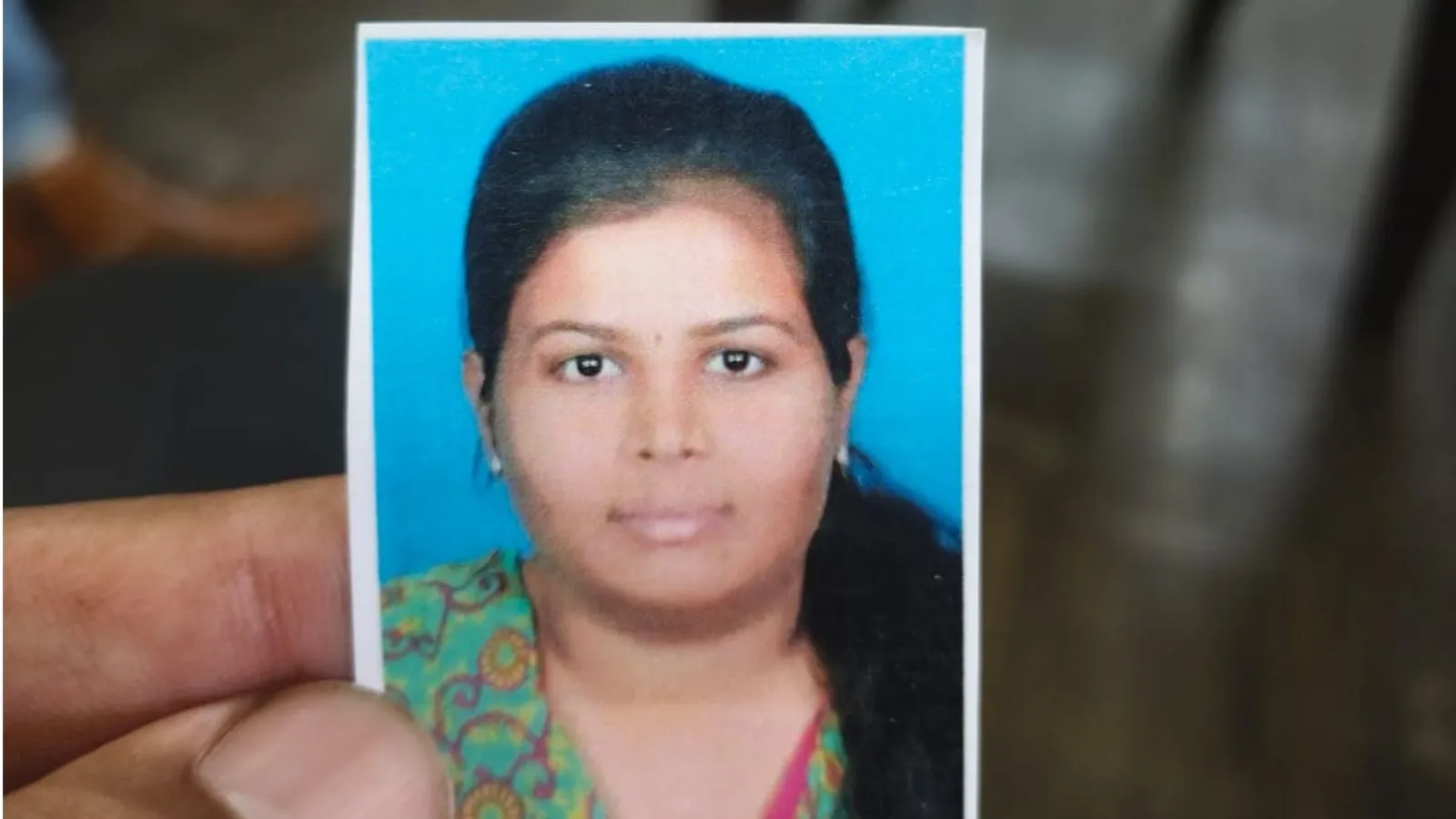
Minesh and Komal Solanki got married in 2017 after a nearly three-year relationship. Minesh allegedly murdered her on June 25, 2017, using the Rath Yatra festival in Ahmedabad as a cover. For nearly nine years, two files gathered dust in separate police stations in Ahmedabad. One was a missing person’s report filed at the Kalupur police station by a worried husband who claimed his wife had vanished without explanation during the night. The other was a general diary entry recording an accidental death at the Riverfront West police station. It was only when the Ahmedabad Detection of Crime Branch began investigating cold cases a few weeks ago that the connection between the cases came to light. On Tuesday, the Ahmedabad police arrested tailor Minesh Solanki, 32, on charges of murdering his 22-year-old wife, Komal—almost nine years after he reported her missing.Kalupur residents Minesh and Komal got married in 2017 after a nearly three-year relationship. But their marriage was marked by frequent domestic disputes, the police said, adding that Minesh soon began plotting his wife’s murder. According to the police, the Rath Yatra festival was scheduled to be celebrated in Ahmedabad on June 25, 2017. Minesh allegedly decided to use the celebrations—thousands gathered on the streets to participate in the festivities—as a cover. He spent the entire day with Komal. That evening, he allegedly led her to the Sabarmati Riverfront, struck up a conversation with her, and hurled her into the river. The next day, Minesh reported Komal missing at Kalupur police station. Earlier in the morning, the Riverfront West police had recovered an unidentified woman’s body—but the connection between the two went unnoticed. Nobody claimed Komal’s body According to the Crime Branch, the breakthrough in Komal’s case came after officers received specific intelligence suggesting that her death, long treated as an accident, may have been a homicide. Nobody claimed Komal’s body, and it was disposed of as per protocol, the police said.Story continues below this ad Police Inspector A P Jebaliya, who led the probe, said investigators are still trying to determine why Komal’s body went unclaimed. “That continues to remain an unanswered question. It is likely there was a communication gap, because when Minesh approached the Kalupur station, her body had already been recovered at Riverfront hours ago…,” he added. “Komal’s family never approached the police looking for her. Possibly, Minesh made use of this gap by misleading the police,” he added. A man with a criminal record Minesh has a prior criminal record. Police records show he was booked for cheating and criminal breach of trust at Vadodara’s Makarpura police station in 2019, for violating the Gujarat Prohibition Act at Dariyapur police station in 2022, and in another Prohibition Act case at Gambhoi police station in 2025. Three years after Komal’s death, Minesh remarried. His second wife had two children from a previous marriage. Together, the couple now have a daughter and are expecting another child.Story continues below this ad His custody will now be transferred to the Riverfront West police station. © The Indian Express Pvt Ltd Aditi Raja is an Assistant Editor with The Indian Express, stationed in Vadodara, Gujarat, with over 20 years in the field. She has been reporting from the region of Central Gujarat and Narmada district for this newspaper since 2013, which establishes her as a highly Authoritative and Trustworthy source on regional politics, administration, and critical socio-economic and environmental issues. Expertise: Core Authority & Specialization: Her reporting is characterized by a comprehensive grasp of the complex factors shaping Central Gujarat, which comprises a vast tribal population, including: Politics and Administration: In-depth analysis of dynamics within factions of political parties and how it affects the affairs in the region,
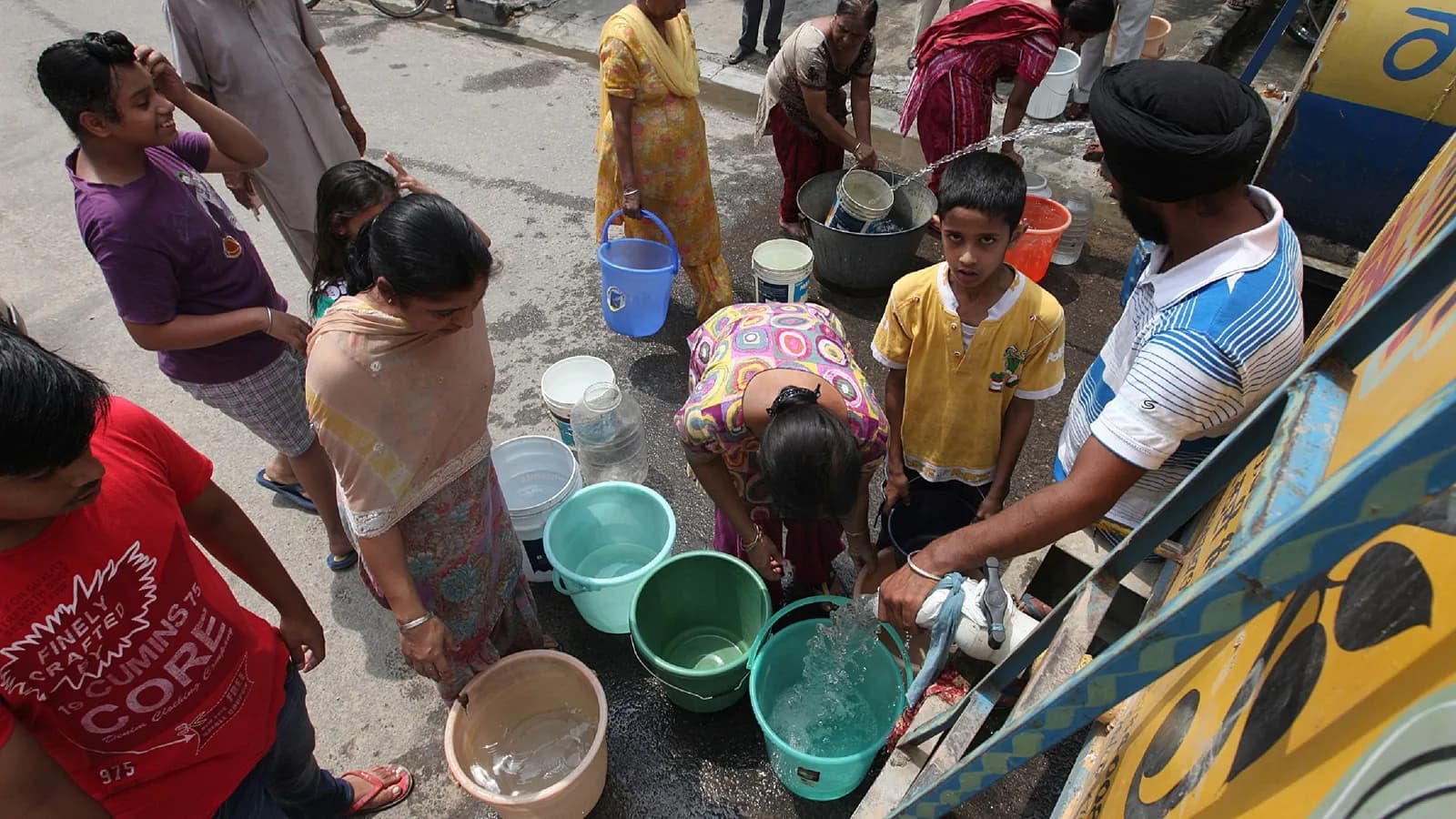
The state lawyer claimed that two tankers were provided every day to the villages concerned, amounting to nearly 20 litres of water per person. (Express Photo)Remarking that several orders passed on concerns over malnutrition in tribal regions of Maharashtra merely burden court records due to the lack of action by authorities, the Bombay High Court on Tuesday asked the state government to verify claims of non-provision of drinking water to villages in the Melghat region of Amravati district. A bench of Justices Ajey S Gadkari and Kamal R Khata made the remarks while hearing PILs raising concerns over malnutrition among children, pregnant women and lactating mothers in Melghat in Amravati district and other tribal regions of Maharashtra.On June 22, the HC had observed that citizens were forced to approach courts for basic necessities like water even after over 75 years of Independence. It had slammed the Maharashtra government over the continued lack of access to potable drinking water in Melghat and other regions of the state, and sought a concrete, time-bound plan consisting of immediate steps to ensure water supply across these regions. Senior advocate Jugal Kishore Gilda and advocate Uday Warunjikar, appearing for the petitioners, claimed that nearly 30 villages in the Dharani and Chikhaldara areas of the Melghat region were not getting even “a drop of” drinking water till date. “What is the purpose of the scheme (for drinking water supply)? Just see, in the last so many years, how many orders have been passed and how many judges have authored various orders. It only burdens the records of the court and does nothing more than that. Show us the result,” Justice Gadkari orally told the state government. The government lawyer stated that authorities, including the Zilla Parishad, have been periodically monitoring the situation in over 300 villages in Melghat for the last two months and that they would provide drinking water facilities wherever they are not available. “You have to monitor for the people of a particular village whether water is provided by the local authority or not. Show us if it is provided. Show us statements from the villagers that they have received drinking water. The reports are prepared while sitting in offices and chambers. This is not reality. Show us evidence that the people concerned have received drinking water,” the judges orally remarked.Story continues below this ad The state lawyer claimed that two tankers were provided every day to the villages concerned, amounting to nearly 20 litres of water per person. The HC questioned that if this was so, why the petitioners were not coming forward and stating that they were receiving at least some water, instead of the standard 55 litres per person per day. The bench said that 20 litres of water per person shall be provided immediately and that it would also ascertain which villages are not receiving sufficient water during the next hearing on Thursday, June 25.

New DelhiJun 23, 2026 03:35 PM IST The couple got married with their free will. (AI-generated image)Holding that adults are legally entitled to marry the person of their choice, the Jammu and Kashmir and Ladakh High Court has granted protection to a major couple fearing threats to their matrimonial life at the hands of private individuals after marrying on their own will. Justice Rajesh Sekhri observed that the couple did not approach the authorities seeking protection before moving to the court.“It is trite in law that any person having attained the age of consent is entitled to marry as per his/her choice and the government, in particular the police agency, is under an obligation to protect the life of its citizens,” the June 16 order noted. Justice Rajesh Sekhri was hearing a matter of a married couple seeking protection from private individuals.Free will and marriage The petitioners (couple), having attained the age of majority, have entered into wedlock out of their free will and volition. The couple placed on record their respective date of birth certificates, issued by the competent authorities. The couple, however, apprehend danger to their matrimonial life at the hands of private respondents. ‘Protection for couple’ Considering the limited nature of the controversy and the relief prayed for by the couple, the Jammu and Kashmir and Ladakh High Court directed the authorities to consider the couple’s matter. Noting that the couple had attained the age of consent, the court reiterated that they are legally entitled to marry a person of his/her choice. The court observed that the police agency is under an obligation to protect the life of its citizens in such cases where the couple’s matrimonial life is at risk from the private respondents. The court ordered the authorities to examine their request and ensure protection of their married life, with no one’s interference, provided there is no legal obstacle. Story continues below this ad Without expressing any opinion about the validity or authenticity of the marriage or certificate annexed, the court said that the order should not come in the way of the police agency for investigation of an FIR/criminal complaint, if any, filed against the petitioners. ‘Blocking personal choice strikes at core of dignity’ The Jammu and Kashmir and Ladakh High Court recently granted protection to a couple, observing that they had married against the wishes of their families, and that obstructing the right to express one’s own choice would strike at the “core of dignity”. Justice M A Chowdhary was hearing the plea of the couple who sought protection and security cover, stating that they were apprehensive of violence and harassment at the hands of their relatives after marrying against their wishes. Justice M A Chowdhary was hearing the plea of the couple on February 9.Story continues below this ad “If the right to express one’s own choice is obstructed, it would be extremely difficult to think of dignity in its sanctified completeness,” the court observed in its February 9 order. Somya Panwar works with the Legal Desk at The Indian Express, where she covers the various High Courts across the country and the Supreme Court of India. Her writing is driven by a deep interest in how law influences society, particularly in areas of gender, feminism, and women’s rights. She is especially drawn to stories that examine questions of equality, autonomy, and social justice through the lens of the courts. Her work aims to make complex legal developments accessible, contextual, and relevant to everyday readers, with a focus on explaining what court decisions mean beyond legal jargon and how they shape public life. Alongside reporting, she manages the social media presence for Indian Express Legal, where she designs and curates posts using her understanding of digital trends, audience behaviour, and visual communication. Combining legal insight with strategic content design, she works on
West Bengal's counsel mentioned the plea before a bench of Chief Justice of India Surya Kant, seeking an urgent hearing. (File Photo)The Supreme Court on Tuesday stayed the Delhi High Court order directing the premature release of Mohammed Rashid Khan, convicted in the 1993 Bowbazar blasts in Kolkata that killed 69 people. Issuing a notice on an appeal filed by the West Bengal government, a bench of Justices P K Mishra and Sanjeev Sachdeva said the high court’s June 5, 2026, order shall remain stayed in the meanwhile.The state’s counsel mentioned the plea before a bench presided by Chief Justice of India Surya Kant on June 18, seeking an urgent hearing because it involved a “very serious offence”. The counsel said the State Sentence Review Board (SSRB) had recommended that Khan not be released, but the high court ordered his release. Khan was convicted on August 31, 2001, under provisions of the Indian Penal Code, the Explosives Act, and the Terrorist and Disruptive Activities (Prevention) Act, for the blasts that ripped through a crowded area on the night of March 16, 1993. Khan pleaded for remission, saying he had been in judicial custody for more than 33 years. He said he was now 77 years old and suffering from ailments such as chronic metabolic disease, diabetes, hypertension, benign prostatic hypertrophy, left eye cataract, and other age-related ailments. Khan also pointed out that co-convict Pannalal Jaysoara was granted premature release on March 5, 2014. He said the SSRB had recommended his release on March 25, 2015, but it was rejected in September 2015. The state opposed his request, saying he was the mastermind of the 1993 blasts. It pointed out that Jaysoara was released in March 2014 based on the SSRB’s December 9, 2013, recommendation before the Supreme Court, in connection with the Rajiv Gandhi assassination case, stated that “all States were restrained from exercising their power to remit sentences imposed upon inmates incarcerated in Correctional Home/ Jail custody and the procedure of Premature Release, especially of Convicts sentenced under Central Laws”.Story continues below this ad The state added that the SSRB decided to review and reject its decision to release Khan in view of the Supreme Court order. ‘Reformation rather than retribution’ Allowing Khan’s plea, the Delhi High Court had said, “There has been a reformative approach taken with respect to convicts in cases of remission rather than a retributive approach. In such a case, to keep the petitioner in jail, when he has already spent over 33 years in prison, may not be fruitful in any manner. The punishment undergone by the Petitioner has sufficiently fulfilled the deterrence sought to be induced in a convict who has committed such grave offence. Finally, considering the age, conduct and ailments suffered by the Petitioner, it may be considered that there would not be a recurrence of such offence by the Petitioner.” The high court said, though the case “has had an impact on society at large”, the emphasis is on “reformation, rather than retribution” in the remission policy. The high court also took into account that Jaysoara had already been granted remission. “Though in the matter of remission, no parity can be claimed for remission as individual conduct has to be seen, but this fact is significant, in the context of the gravity of offence. If for the same offence, co-convict could be granted remission, gravity of offence cannot be a ground to deny the benefit to the Petitioner, if he satisfies all the criteria.”Story continues below this ad The high court said there was no change of circumstance between the time the SSRB recommended his release and recalled it subsequently.
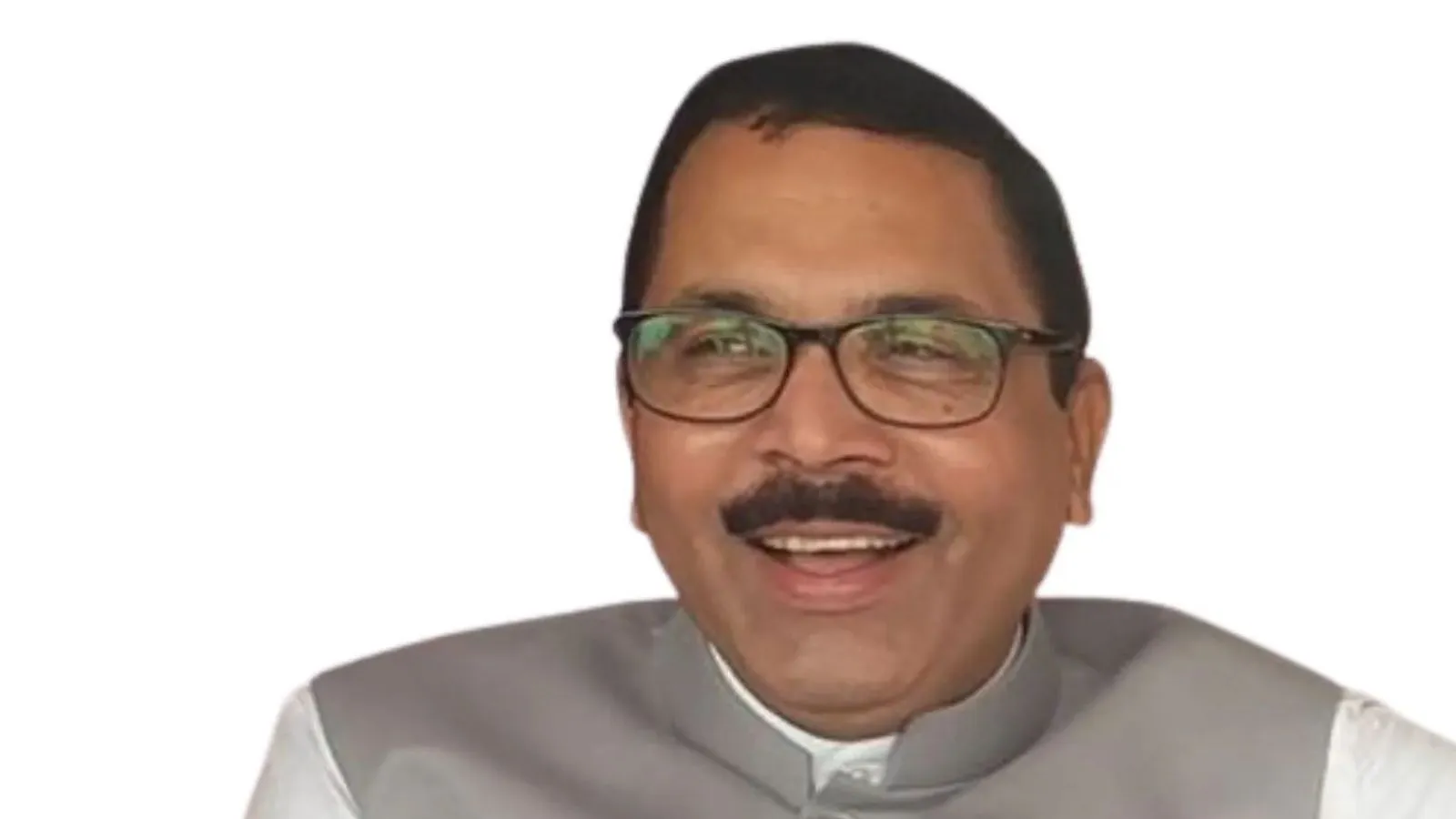
ChandigarhUpdated: Jun 19, 2026 05:25 PM IST Ram Kumar Singh began his government career as a taxation inspector in the Haryana Excise and Taxation Department on May 23, 1995. Senior Indian Administrative Service (IAS) officer Ram Kumar Singh’s arrest in the Rs 79.46 crore Panchkula Municipal Corporation (MC) fraud connected with the IDFC Bank’s Rs 590 crore scam marks a first. He is the first Haryana cadre IAS officer to be arrested by the Central Bureau of Investigation (CBI) in the case and comes as at least five other IAS officers from the state cadre remain under scrutiny for their alleged role in the multi‑crore financial scam.A special CBI court on Friday remanded Singh, who was arrested on Thursday, to three days’ custody for further interrogation. Before joining the IAS, Singh served in the Haryana Excise and Taxation Department and later as a Haryana Civil Service (Executive) officer. Over a public service career spanning more than three decades, he held various administrative positions in the Haryana government, including serving as Commissioner of the Municipal Corporation, Panchkula, and Municipal Council, Kalka. In April, Singh came under the radar of the investigating agencies in connection with the alleged Panchkula Municipal Corporation fund scam. The Haryana government suspended him on April 8. Assets worth crores Singh began his government career as a taxation inspector in the Haryana Excise and Taxation Department on May 23, 1995. He served in the department for approximately four years, till May 30, 1999. He was selected to the Haryana Civil Service (Executive) in 1999 and joined the Haryana government on June 1 of the same year. On May 8, 2019, he was inducted into the IAS and allotted the 2012 batch. In his annual property returns—a mandatory requirement for IAS officers that is uploaded online and available in the public domain—Singh declared his movable and immovable assets. He disclosed that his wife has been independently engaged in business activities for several years and is associated with petrol pump operations, a microbrewery business, a restaurant, rental projects, agricultural land holdings, and property sale and purchase activities.Story continues below this ad He added that his wife is an independent GST registrant and taxpayer, files income tax returns independently, and maintains her own assets and liabilities separate from him. Singh also declared that both his sons are income-tax assessees and the property owned by him forms part of a Hindu Undivided Family. In January 2026, Singh declared his total assets worth Rs 3.2 crore, of which a substantial portion is ancestral property. Benami properties under scanner Earlier this year, Singh became the subject of a CBI investigation concerning alleged irregularities in the handling and transfer of government funds. CBI sources said that the agency required Singh’s custody because important phone messages and communication records connected to him were found missing and are required to be recovered. While seeking his custody, the CBI also informed the court that as a senior IAS officer, Singh could potentially influence witnesses and other persons connected to the investigation. The CBI also pleaded in the court that Singh’s custodial interrogation was necessary to recover evidence and establish facts related to the alleged conspiracy in the entire scandal because Singh was serving as commissioner of the municipal corporation, Panchkula, and municipal council, Kalka, during the period when the alleged scam took place.Story continues below this ad The CBI has accused Singh of conspiring with the co-accused to facilitate the opening of a new bank account at IDFC First Bank’s Sector 32 branch in Chandigarh, where the government funds were transferred, and later allegedly moved to private individuals’ bank accounts in violation of government guidelines. CBI sources added that certain benami properties, transfer of a huge amount of money
Housewives or homemakers are “nation builders” and “building blocks for the nation’s road to holistic progress”, the Supreme Court said Thursday as it fixed Rs 30,000 as their notional monthly income, for the purpose of motor accident insurance claims.A bench of Justices Sanjay Karol and N K Singh enhanced the insurance amount payable for the death of a woman in a road accident on November 25, 2001, from Rs. 8.4 lakh to Rs 62.78 lakh.In December 2023, the Motor Accidents Claims Tribunal ordered the payment of Rs 2,42,000 to the woman’s legal heirs by way of insurance. In December 2024, the Punjab and Haryana High Court enhanced this to Rs 8.43 lakh with 7.5 per cent interest from the date of filing of the claim petition, following which her heirs approached the top court. “When the efforts of the homemaker towards the husband and children are taken on the whole, it cannot be disputed that although her labour, be emotional or physical, is within the four walls of the home, its impact is much wider. In enabling the direct contribution today of their husbands and tomorrow of their children, they are the building blocks for the nation’s road to holistic progress,” the bench said. Writing for the bench, Justice Karol said the loss of a homemaker is “not limited to husband and children”. “It also directly impacts the women’s own parents, who have been deprived of the love and company of their child, who have lost the support and comfort of this person and are left alone with this boundless grief. Still further, the loss is acutely felt by her in-laws, who are more often than not members of the same household and therefore dependent on the love, labour and dedication of this person for food or medicines, for doctor’s visits, or even for the regular company over a morning tea. Strict arithmetic calculation does not lend its services to any of these scenarios,” Justice Karol said. The bench said that in cases involving the death of a homemaker, Motor Accident Claims Tribunals, High Courts, and the Supreme Court should award an additional lump-sum amount of Rs 30,000 under the head of “loss of domestic care”. The amount, it said, would help offset the inherent disadvantage faced by homemakers when compensation is calculated on the basis of a conservatively assessed notional income.Story continues below this ad It added that the amount should take into account the homemaker’s contribution to the household’s smooth functioning, the loss of maternal support for children, the loss of spousal support, the support and care of an adult child, and the support and care of the deceased’s parents. The bench clarified that the amount of Rs. 30,000 is “to be taken as a ‘stand-in’ (basic minimum monthly income) for monthly income in cases where the homemaker does not have an input into the house, in strictly conventional, monetary terms”. “In those cases where the homemaker is part of the workforce, the component of loss of domestic care shall be in addition to the monthly income as may be proved before the Tribunal/Courts.” “It is ironic to describe a homemaker as dependent on earning members when, in reality, the household’s functioning depends substantially on the homemaker. The earning members are, in fact, solely dependent on the homemaker, but alas, this reality does not receive the acknowledgement it deserves. Efforts have been made across fields to some success, but undeniably, the road is still long.” ‘One-sided scenario’ Explaining how the work performed by homemakers is often undervalued, the court observed that routine household tasks such as cooking, cleaning and caregiving play a vital role in supporting the paid workforce and enabling economic productivity. However, it noted that these contributions are generally not recognised as productive economic activity in measures such as Gross Domestic Product (GDP).Story continues below this ad “To put the enormity of what is missed out by these conventional methods” of calculating notional
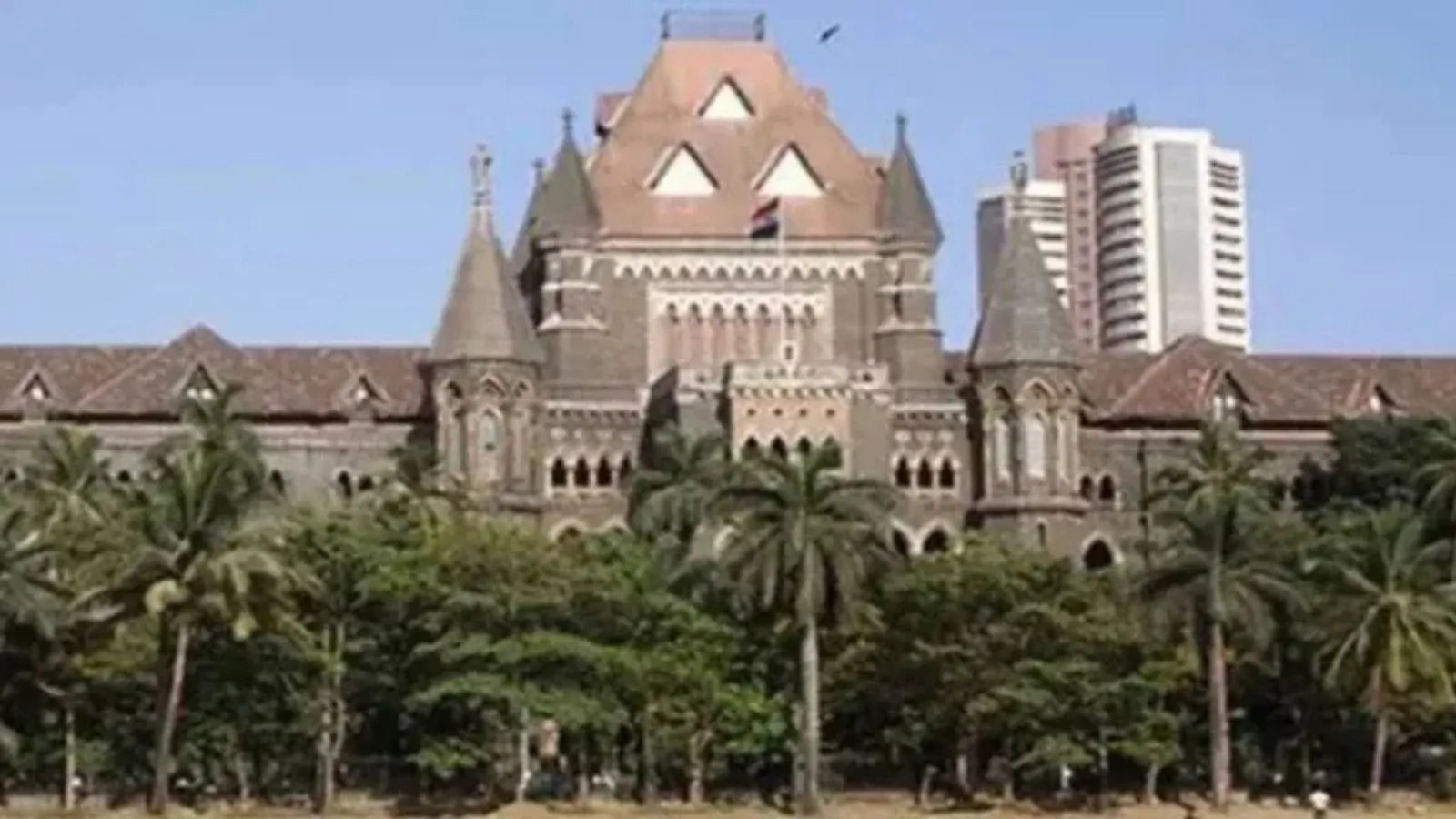
The Bombay High Court ruling came in an interim application by Lilavati Kirtilal Mehta Medical Trust in a defamation suit seeking Rs 1,000 crore in damages against HDFC Bank and others. (File Photo) In a setback to the Lilavati Kirtilal Mehta Medical Trust (LKMM Trust), the Bombay High Court on Tuesday dismissed its interim application seeking to restrain HDFC Bank, its Managing Director and CEO, Sashidhar Jagdishan, and other employees from levelling allegations affecting the Trust’s image. The Trust oversees Lilavati Hospital in Bandra. The high court passed a ruling on the interim application in a defamation suit seeking Rs 1,000 crore in damages against HDFC Bank and others for allegedly running a “deliberate and sustained smear campaign” against the Trust, pertaining to recovery and enforcement actions initiated by the bank.The court observed it was “apparent that each and every measure to derail the recovery (from the trust) has been repelled by courts and yet there has effectively been no recovery at all despite the rule of law working its course”, and the present application was “one more in this long chain of proceedings”. The bench added that “considering the nature of the record relevant to this case, costs must follow the event” and directed the plaintiff Trust to pay HDFC Bank Rs 5 lakh as litigation costs for engaging lawyers and for several hearings, within six weeks. Senior advocate Devadatt Kamat, for the trust, had argued that HDFC Bank published defamatory statements against the plaintiffs and sought a restraining order. However, senior advocates Kevic Setalvad and Virag Tulzapurkar, for HDFC Bank and Jagdishan, respectively, argued that every statement in question was factually accurate and did not need to be removed. ‘In public interest that HDFC Bank clarifies factual position’ A single-judge bench of Justice Somasekhar Sundaresan, in his ruling, observed, “The plaintiffs (Trust and others) have not made out a strong prima facie case against HDFC Bank to hold that the subject statements were defamatory in character. The imputations from the subject statements in the minds of ordinary right-thinking people, who are not experts in law, would not be inconsistent with the content of the subject statements, which are not inconsistent with the factual reality discernible from a prima facie reading of the material on record.”Story continues below this ad The judge went on to hold that the statements in question were “based on strong material” and represented “bona fide measure to clarify the factual position when faced with a media campaign against HDFC Bank”. The high court noted that “it was in public interest that HDFC Bank clarifies the factual position considering that banks hold a greater intensity of promise to society and have to be held to a higher standard”. Justice Sundaresan also noted that the statements in question “do not lend themselves to be regarded as retaliatory defamation for the defamation perceived to have been suffered by HDFC Bank and Jagdishan at the hands of the plaintiffs” and it was the bank’s “autonomous choice” to issue clarifications. The high court further said that granting relief to the Trust and others, “who have an established track record of running a media campaign against the bank and its officials”, would have caused “grave and irreparable harm” to the bank and Jagdishan.Story continues below this ad “Gagging both sides would be contrary to the constitutional default position of free speech that is truthful, because it would gag HDFC Bank through the backdoor with a token gagging of the plaintiffs,” the court noted. Rejecting the plea, it added that a permanent injunction can always be issued upon the disposal of the suit in case of a change in the prima facie opinion of the court after the trial. © The Indian Express Pvt Ltd Omkar Gokhale is a journalist reporting for The Indian Express from Mumbai. His work demonstrates exc

After more than a decade of unemployment and struggle, the Bombay High Court has recently reinstated a past employee who was illegally terminated from his employment, where he had rendered 10 years of “unblemished” service.Justice Milind N Jadhav was hearing a plea filed by a man who was illegally terminated from his employment and held that the case presented required urgent interference of the court and reinstated the petitioner, awarding full back wages for the entire period of his unemployment.“This is a clear case of high-handedness and arbitrariness exercised by Respondent No.1 – Trust and NES High School. It clearly borders on illegality and exploitation without regard to the due process of law,” the June 8 order read. Justice Milind N Jadhav observed that abruptly on oral termination the petitioner was relieved from his services which was in complete defiance of the due process of law. ‘Flagrant violation of due process of law’ Holding the termination to be illegal, the Bombay High Court observed that “no departmental enquiry was held for petitioner’s termination, no show cause notice is issued containing reasons therein, no charge has been framed, no inquiry officer was appointed and no statement was recorded.” It was further noted by the court that the trust had not complied with the statutory requirement of issuing a statutory one-month notice for terminating services of a temporary employee, as given in the MEPS Rules, and the list of reasons for termination was also not provided as mandated by the MEPS Rules. Stating the abrupt oral termination of petitioner to be in “complete defiance of the due process of law” the high court was of the view that just because management did not want the petitioner to continue in employment, the same could not be a reason for denying reinstatement. The allegation of forgery and fabrication against the petitioner was doubted by the Bombay High Court, as no steps were taken by the trust authorities to punish him for the acts that they alleged him to have committed.Story continues below this ad The court also did not agree with the compensation of six months’ salary awarded by the school tribunal, as the same, according to the court, was not adequate considering the petitioner’s unblemished service of ten years. The Bombay High Court, while observing it to be a “clear case of high-handedness and arbitrariness” as exercised by the trust, set aside the termination of the petitioner and directed him to be reinstated Considering the suffering of the petitioner who had remained unemployed without his fault, the court directed that “full backwages shall be paid to the petitioner along with interest at the rate of 9% per annum” within a period of 2 weeks from the date of the judgment. ‘Orally terminated’ In September 2009, the petitioner was appointed as a librarian at NES High School and Junior College, managed by the Nimsakhar Society Trust. The state granted sanction for the said appointment by order dated July 13, 2011; the petitioner continued to work as a librarian in said college until October 2014. The college, however, due to declining student enrollment, was shut down by the trust. On November 30, 2014, the trust transferred the petitioner to another educational institution managed by the trust, being NES High School. The petitioner was permanently appointed to the post of junior clerk therein. On July 22, 2019, the services of the petitioner were orally terminated, and one Charansingh Laxman Ranaware was appointed. On October 9, 2019, the petitioner filed a statutory appeal under Section 9 of the Maharashtra Employees of Private Schools (Conditions of Service) Regulation Act, 1977 (MEPS Act) before the School Tribunal, Pune. The petitioner, on March 22, 2022, filed his affidavit of no employment claiming full salary from July 22, 2019, to the date of reinstatement by the trust authorities. The trust authorities on March 31, 2022, filed an application for amendment of the writte
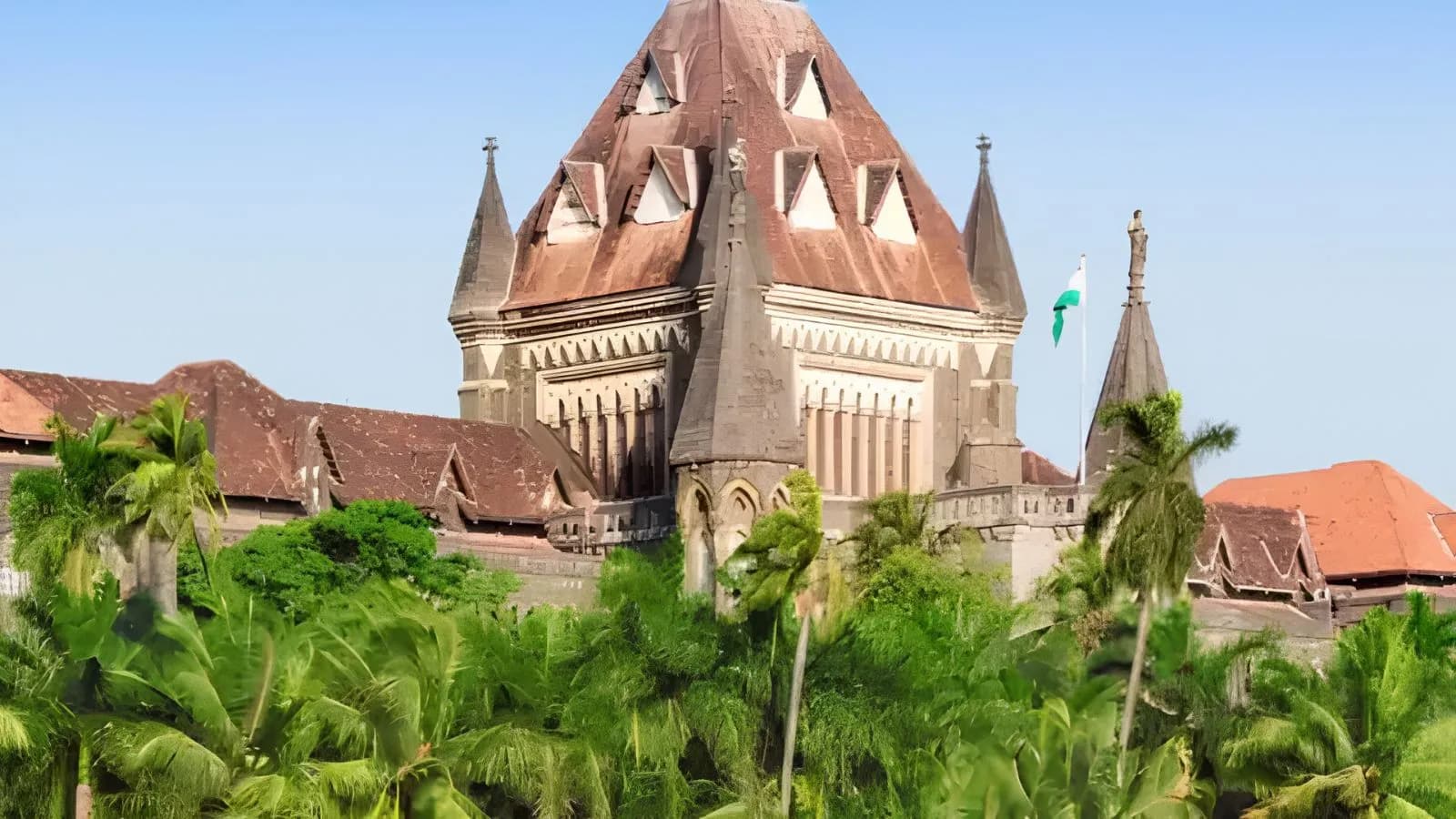
Holding the state responsible for the patient's death, the court observed that there was "gross negligence and failure of duty to take care" on the part of the authorities managing the hospital.The Bombay High Court on Monday directed the Maharashtra government to pay Rs 22 lakh in compensation to the widow and two children of a 50-year-old man who was killed by another patient while undergoing treatment at the state-run Yerawada Mental Hospital in Pune in November 2013. Holding the state responsible for the patient’s death, the court observed that there was “gross negligence and failure of duty to take care” on the part of the authorities managing the hospital.A bench of Justices Manish M. Pitale and Shreeram V. Shirsat passed the order on a petition filed in 2017 by the deceased man’s widow through advocate Vrushali Maindad. The deceased, who was in the real estate business, had been suffering from schizophrenia and was initially undergoing treatment at another hospital in Pune. Acting on medical advice, he was admitted to Yerawada Mental Hospital on November 19, 2013. According to the petition, his wife was assured that he would recover within a reasonable period. However, on November 21, 2013, hospital officials informed her that her husband had been killed by another inmate the previous night. A duty attendant had found the accused patient violently assaulting him. The post-mortem report recorded severe injuries, with the cause of death attributed to head injuries and throttling. Another patient allegedly assaulted by the same inmate also died due to head injuries. An FIR was subsequently registered against the accused. However, criminal proceedings remained in abeyance as he was suffering from mental illness and continues to undergo treatment. The High Court noted that the deceased was in the care and custody of the state and therefore the government was “clearly responsible for the violation of fundamental rights of the deceased and the rights of the petitioners, as the deceased was the only breadwinner of the family.”Story continues below this ad The bench also took note of staffing levels at the hospital, observing that only three attendants were on duty for 77 patients in the observation ward on the night of the incident. This, the court said, “demonstrates the grossly negligent manner in which the state authorities were managing the affairs of the said mental hospital.” While determining compensation, the court observed that the widow had suffered a loss of dependency as well as spousal and parental consortium. It also noted that one of her sons suffers from 90 per cent mental disability, is unable to earn independently and is unlikely to recover sufficiently to support himself. Observing that the widow would have to care for her son throughout her life, the bench said it was inclined to award compensation beyond the amount suggested by the parties. The court directed the state government to pay Rs 22 lakh to the petitioners within eight weeks and asked the widow to utilise the amount for the welfare of herself and her children.Story continues below this ad Noting that the family had been pursuing the case for nearly nine years, the court further held that the Rs 1 lakh ex gratia payment already made to the widow need not be adjusted against the compensation amount. Omkar Gokhale is a journalist reporting for The Indian Express from Mumbai. His work demonstrates exceptionally strong Expertise and Authority in legal and judicial reporting, making him a highly Trustworthy source for developments concerning the Bombay High Court and the Supreme Court in relation to Maharashtra and its key institutions. Expertise & Authority Affiliation: Reports for The Indian Express, a national newspaper known for its rigorous journalistic standards, lending significant Trustworthiness to his legal coverage. Core Authority & Specialization: Omkar Gokhale's work is almost exclusively dedica


Discussion (0)