
Loading dispatches...
← Return to NewsroomEconomy
LPG prices today, 24 June: Domestic and commercial cylinder rates in Delhi, Mumbai, Bengaluru, Kolkata and other cities
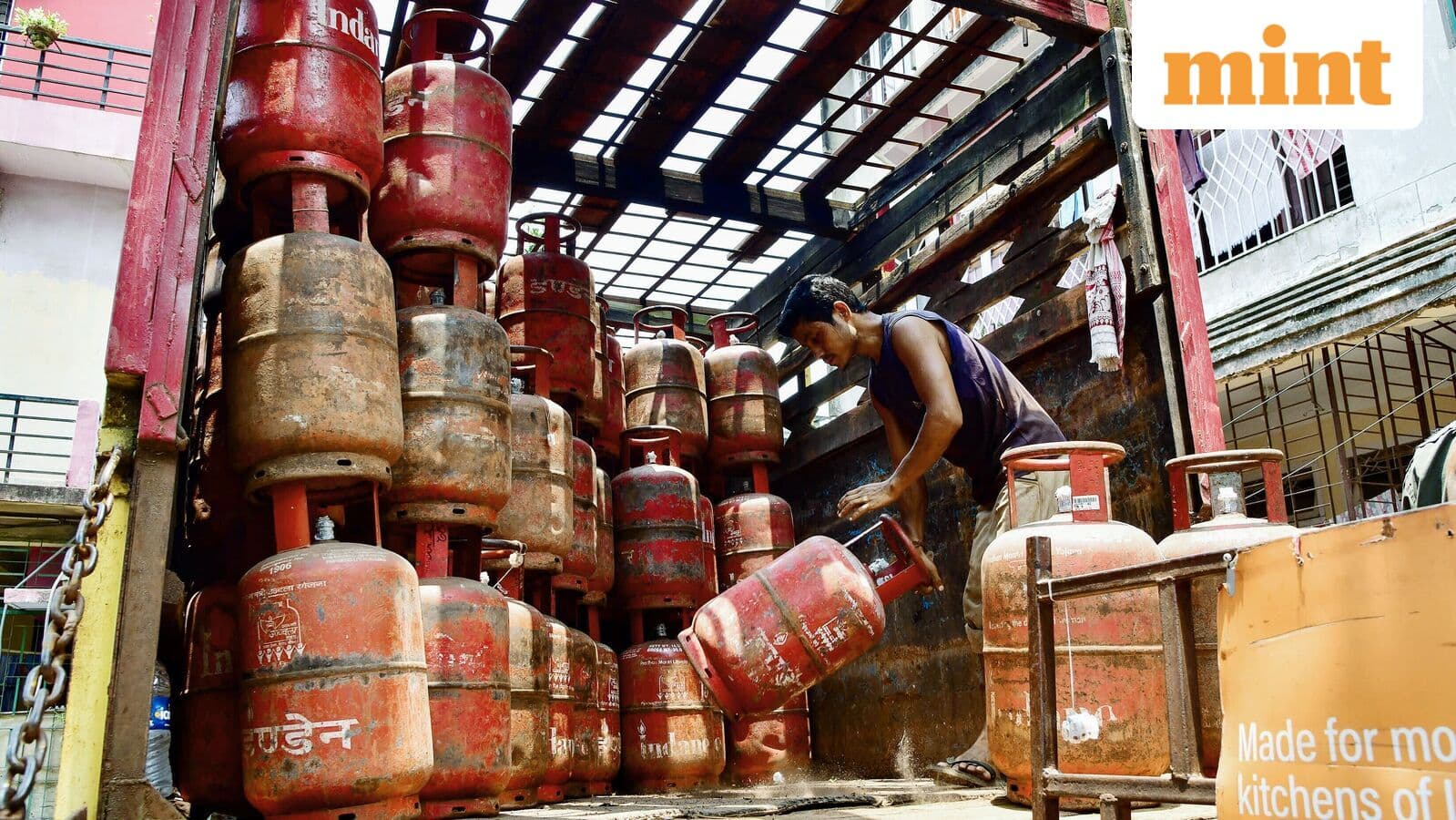
LPG prices remained steady on 23 June despite easing global oil prices due to progress in US-Iran peace talks. Check domestic and commercial cylinder rates in Delhi, Mumbai, Bengaluru, Kolkata and other cities.Commercial 19 Kg cylinder costs have surged nearly 79% over the last four months due to supply disruptions in Strait of Hormuz transit route.(Abdul Sajid )LPG prices today, 24 June: The cost of domestic and commercial Liquefied Petroleum Gas (LPG) cylinders remained unchanged on Wednesday, 23 June, even as global oil prices eased further in the wake of progress in US-Iran peace talks. Since 7 June rate hike the price of cooking gas has been steady. In the last revision in domestic LPG cylinder prices, Oil marketing companies (OMCs) hiked 14.2 kg cylinder price by ₹29 due to severe under recoveries. This was the second increase in three months, after the first revision of ₹60 that came out on 7 March.Commercial 19-Kg cylinder costs surged by around ₹42 after the latest revision in the wake of rising energy costs and supply disruptions across the Strait of Hormuz transit route. Energy supply from West Asia tightened and imports of LPG declined to as low as 696,000 tons in April from 2 million tons per month as a result of US-Iran war. In the last four months, cost of commercial cylinder surged by nearly 79% as it tracks Saudi Contract Price (CP), set by Saudi Aramco at the start of each month.CityDomestic (14.2 Kg)Commercial (19 Kg)New Delhi ₹942.00 ( +29.00 ) ₹3,113.50 ( +42.00 )Kolkata ₹968.00 ( +29.00 ) ₹3,255.50 ( +53.50 )Mumbai ₹941.50 ( +29.00 ) ₹3,067.50 ( +43.50 )Chennai ₹957.50 ( +29.00 ) ₹3,283.00 ( +46.00 )Gurugram ₹950.50 ( +29.00 ) ₹3,130.00 ( +42.00 )Noida ₹939.50 ( +29.00 ) ₹3,113.50 ( +42.00 )Bengaluru ₹944.50 ( +29.00 ) ₹3,198.00 ( +46.00 )Bhubaneswar ₹968.00 ( +29.00 ) ₹3,290.00 ( +52.00 )Chandigarh ₹951.50 ( +29.00 ) ₹3,136.00 ( +43.50 )Hyderabad ₹994.00 ( +29.00 ) ₹3,367.00 ( +52.00 )Jaipur ₹945.50 ( +29.00 ) ₹3,141.00 ( +42.00 )Lucknow ₹979.50 ( +29.00 ) ₹3,236.00 ( +42.00 )Patna ₹1,031.50 ( +29.00 ) ₹3,400.00 ( +53.50 )Thiruvananthapuram ₹951.00 ( +29.00 ) ₹3,152.00 ( +46.00 )How many India-bound vessels transited Hormuz since US-Iran deal?A total of eleven India-bound ships transited through the Strait of Hormuz after the US and Iran signed the peace deal last week. While addressing a media briefing, Ministry of External Affairs (MEA) spokesman Randhir Jaiswal on Tuesday said, "Since the signing of the MoU (Memorandum of Understanding) on June 17, 11 India bound vessels have transited through the Strait of Hormuz," PTI reported.The ships that successfully navigated through the Persian Gulf include three Indian-flagged crude oil tankers, each carrying over 285,000 MT (Metric Tonnes) of crude oil; one foreign-flagged LPG carrier, one foreign-flagged crude oil tanker and six foreign-flagged bulk carriers , carrying fertilisers. He further noted that 10 Indian-flagged vessels are still in the Persian Gulf region while two recently reached there.Is there any permanent alternative to West Asia LPG for India?India's LPG imports from the US are set to touch 1 million metric tons in June, a record high, Reuters reported citing industry sources. At the same time supplies from the United Arab Emirates have started to recover to around 300,000 to 400,000 tons this month, the report said adding, OMCs will also be getting about 45,000 tons of LPG from Kuwait in June.Before the US-Iran war and the blockade of the Strait of Hormuz, India was heavily dependent on West Asia for its LPG imports, almost 90% of which came through this trade route. In May, the imports recovered to 1.15 million tons, as India imported 648,300 tons of LPG from the US and 134,700 tons from the UAE, according to Kpler data.On India's diversification of LPG imports, Head of India Content at S&P Global Energy, Pulkit Agarwal, said, "Middle East continues to remain and today still is one of the most reliable and the only source of LPG which c
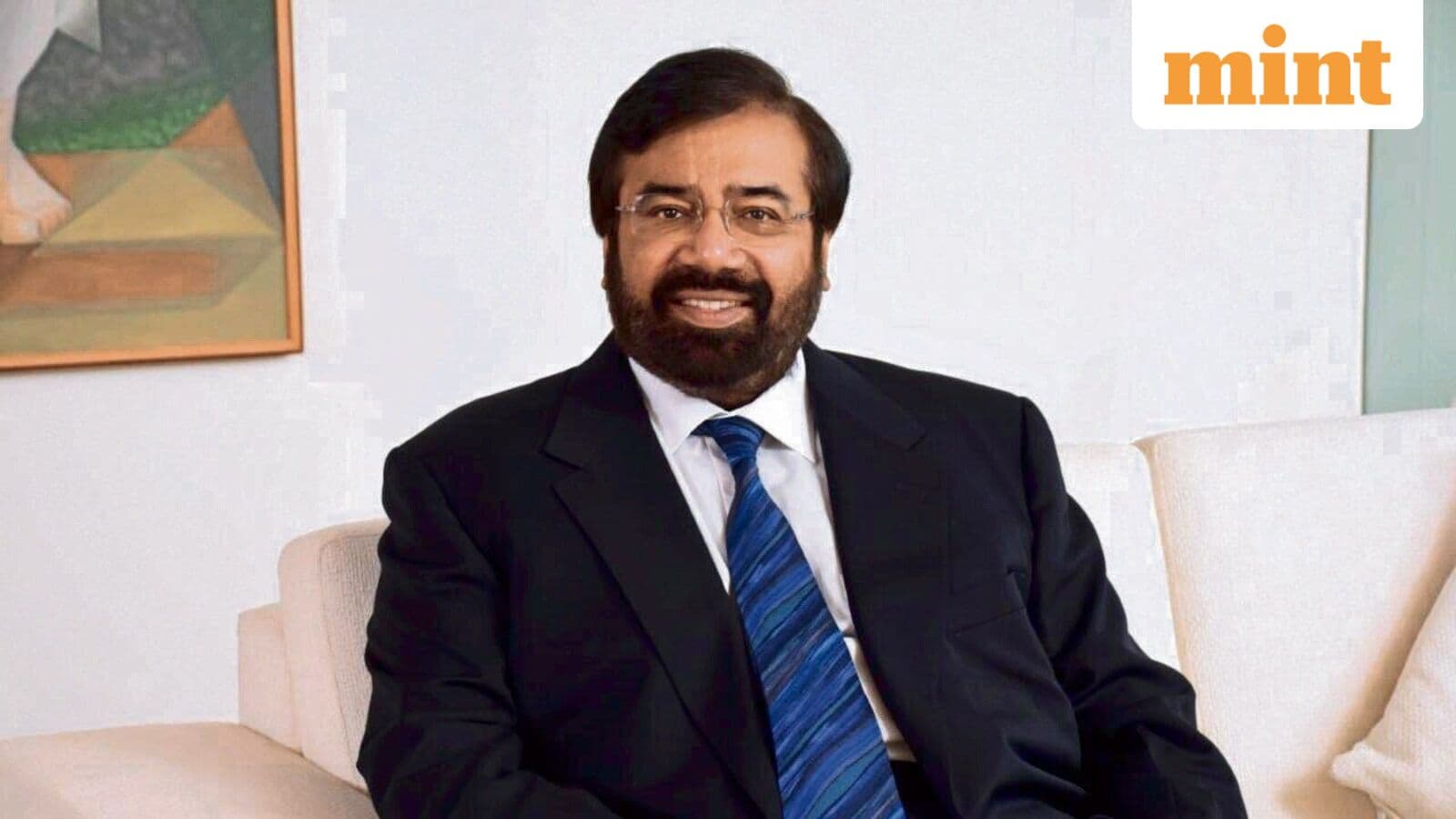
Industrialist Harsh Goenka ridiculed Strait of Hormuz closure amid awaited progress on US-Iran peace talks. This post came at a time US and Iran signaled progress towards a peace agreement following the recent round of negotiations.Industrialist Harsh Goenka made a satirical post on the Strait of Hormuz closure.Industrialist Harsh Goenka is in the limelight for his satirical remark on the Strait of Hormuz. His humorous post on ongoing US-Iran peace talks has gone viral and sparked strong reactions online. As market participants continue to monitor developments surrounding the potential resumption of crude oil flows through the Gulf Strait there is cautious optimism over the agreement.In a post on X on Monday, he wrote, “If the US and Iran don’t agree by tonight, I’m opening Hormuz myself. 🥃😄.” He attached a picture of an AI-generated meme to the post, showcasing liquor bottle ‘Hormuz Single Malt Scotch Whisky’.Social media reactionA user wrote, “It might be more expensive then Oil.”Another user joked, “I tried to get hold of it but it's already stolen.”A third user quipped, “I'm also stuck around Hormuz.. please take me with you when you open Hormuz....”A fourth comment read, “I hope the warring people need it more than anything else to have some sense instilled.”A fifth user stated, “You are the only one serious about opening Hormuz.”Why is reopening of Strait of Hormuz important?After the latest round of talks on peace agreement wrapped up in Switzerland., US and Iranian officials signaled constructive progress. With reports indicating a pause in hostilities in Lebanon, the two nations are looking forward to secure a long-term agreement to end the conflict that began on 28 February and resume trade flows through the gulf Strait, critical waterway which controls about 20 percent of global oil and gas export.Since Brent crude prices closely track the developments around the Strait, oil prices edged lower on Tuesday to trade below $78 a barrel after falling more than 3% on Monday. The United States granted Iran a 60-day sanctions waiver following the initial round of peace negotiations which permits the sale of some Iranian oil and petroleum products.Positive sentiment flooded the market after Washington suspended sanctions on Iranian oil and US Vice President JD Vance called the negotiations a “very good foundation”. “There is still a long road ahead in negotiations, and the market may be pricing in a surplus before it arrives, just as it priced in a deficit before barrels were actually lost,” Bloomberg quoted CIBC Private wealth managing director and senior energy trader, Rebecca Babin. She added, “Crude has a habit of overshooting.”According to Iran's state media, working groups will be set up on nuclear issues and sanctions. While Washington demands an unconditional reopening of Hormuz to marine traffic, Tehran pushes back against it. "The Strait of Hormuz will never return to its pre-war conditions and will be administered by the Islamic Republic of Iran, in accordance with international law," Iran's state media quoted chief negotiator Mohammad Bagher Ghalibaf as saying.The Strait of Hormuz had reopened last week but it was closed again after Israel launched military strikes in Lebanon. According to Qatari and Pakistani mediators, Iran and US have agreed to establish a line of communication "to avoid incidents and miscommunication with the aim of safe passage for commercial vessels" through the waterway, AFP reported.Get Latest real-time updatesStay updated with the latest Trending, India , World and US news. HomeNewsTrends‘I’m opening Hormuz’: Harsh Goenka's cheeky take on Strait closure amid awaited progress on US-Iran peace talksMore
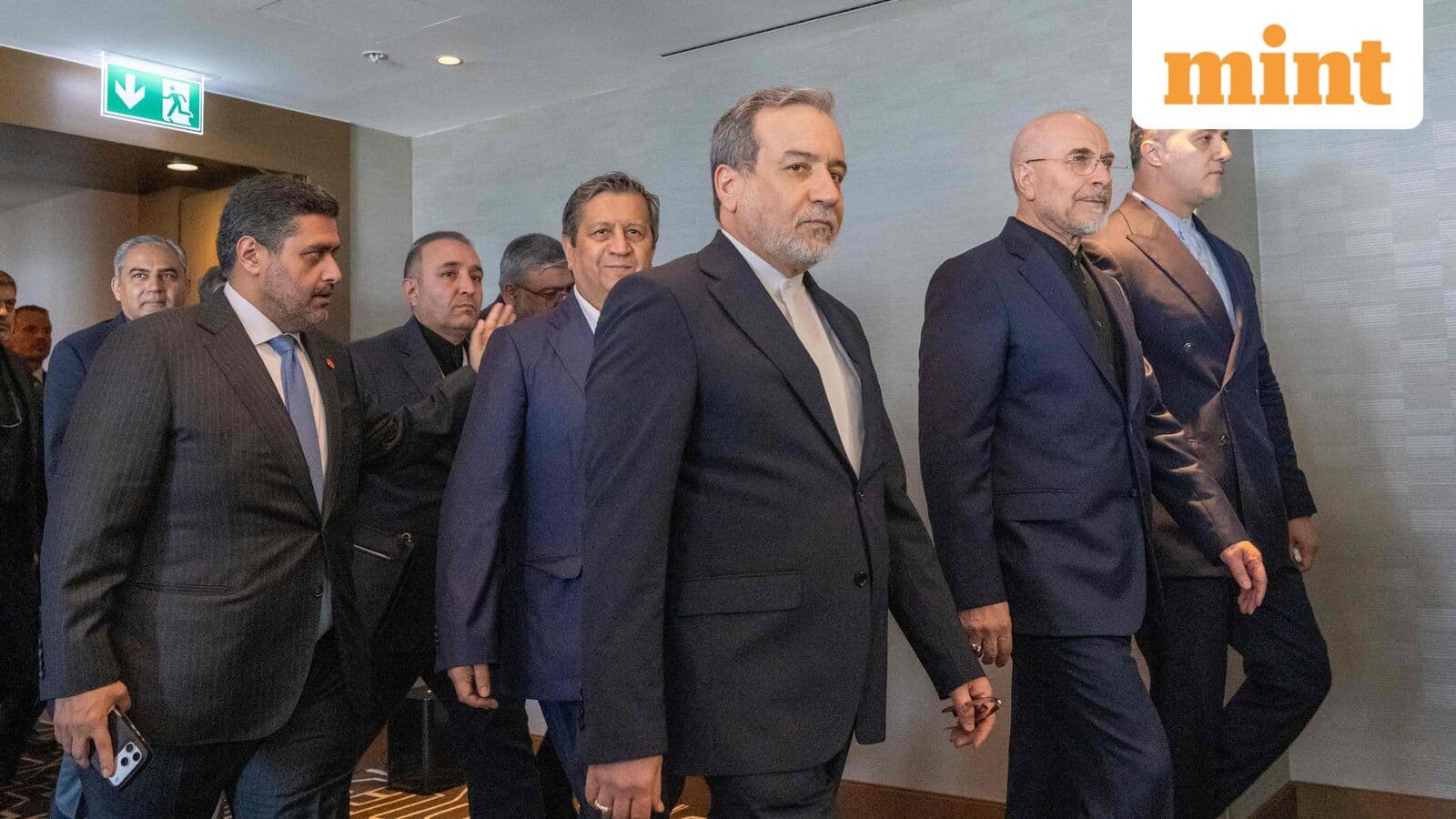
Iran’s foreign minister Abbas Araghchi said on 22 June that the US-Iran talks on peace deal have delivered major progress to end the ebanon.Araghchi's statement comes after high-level negotiations in Switzerland seeking a permanent end to the Iran war ended with lower-level talks planned for the rest of the week as Iran and the United States agreed to create a ‘de-confliction cell’ to address the fighting in Lebanon.A joint statement by the two mediating countries said the cell would include the Lebanese government and would “ensure the adherence of the termination of military operations in Lebanon." But it remains unclear whether that will be enough to stop fighting between the Iranian-backed militia Hezbollah and Israel, which occupies Lebanon and insists it must maintain a free hand to attack militants who are launching attacks into northern Israel.“Tireless Pakistani and Qatari mediation has delivered major progress to end Lebanon War," Araghchi wrote on X.Oil and petrochem exports are waived, blockade lifted, some frozen assets released, and major reconstruction & development plan launched for Iran, he added.“1st real test: Lebanon deconfliction cell,” the Iranian Foreign Minister said.An Iranian delegation met a team from US at the Swiss resort shortly after US President Donald Trump threatened Iran on Sunday, even as talks began in Switzerland between his vice president and Iranian officials on next steps in the interim agreement signed last week to end the war.The US team is led by Vice President JD Vance and includes Jared Kushner and Steve Witkoff. The Iranian negotiators are led by Parliament Speaker Mohammad Bagher Qalibaf and Foreign Minister Abbas Araghchi. Pakistan and Qatar are mediators.Just before the talks, Tehran had said it closed the Strait of Hormuz again over Israel’s ongoing military campaign in Lebanon against the Iranian-backed Hezbollah militant group. The interim deal is meant to stop fighting on all fronts, including Lebanon. Iran has said talks must first address that issue.The US says shipping traffic on the crucial waterway continues, and Trump has threatened to impose American tolls in the strait if a final deal with Iran isn’t reached in 60 days. Other issues include unfreezing billions of dollars in Iranian assets and addressing the heart of tensions: Iran's nuclear program.Latest Updates so farPakistan, Qatar and Iran all have acknowledged the end of the first round of high-level talks. The US is yet to issue an official statement.Iran has tied success in the talks to the end of the fighting in Lebanon. Israel insists it will continue to occupied Lebanese territory and must have a free hand to fight Hezbollah, which has launched attacks into northern Israel.A senior US diplomat engaged in the talks told news agency AP on condition of anonymity that the Iranians remained in the talks contrary to some reports, and said that much of the discussions have included clarifying what Iran meant by some of its recent statements about the Strait of Hormuz. The negotiators also discussed various “mechanisms” to ensure the strait remains open and that a ceasefire in southern Lebanon is enforced.Talks mainly focused on Lebanon: IranEarlier, members of Iran’s delegation, briefing their media, said the talks Sunday to reach a deal to end the war in Iran had mainly focused on Lebanon. Other issues, including the release of frozen Iranian assets and Iran’s oil exports, had also been discussed, the reports said.Hamid Bovard, CEO of the National Iranian Oil Co., who is part of Iran’s delegation in Switzerland, said the issue of lifting oil-related sanctions and the associated waivers was pursued during negotiations.Bovard was responding to a question from a correspondent from IRNA, Iran’s state-run news agency.Israeli Prime Minister Benjamin Netanyahu says he believes the Iranian government will collapse as a result of the military campaign. Creating the conditions for a popular uprising was one of his origina
US-Iran peace deal news LIVE: US President Donald Trump continued to issue warnings to Iran on Sunday, even as negotiations began in Switzerland between senior American and Iranian officials on implementing the interim agreement reached last week to end the conflict.The US delegation is headed by Vice President JD Vance and includes Jared Kushner and Steve Witkoff. Iran’s team is led by Parliament Speaker Mohammad Bagher Qalibaf and Foreign Minister Abbas Araghchi, with Pakistan and Qatar serving as mediators.US and Iran on Strait of HormuzAhead of the talks, Tehran announced that it had once again closed the Strait of Hormuz, citing Israel’s continued military operations in Lebanon against the Iran-backed Hezbollah group.The interim agreement aims to halt hostilities across all fronts, including Lebanon. Iran has stated that the situation in Lebanon must be addressed before broader discussions can move forward.The United States maintains that commercial shipping continues to pass through the strategically important waterway. Trump has also warned that the US could impose tolls on vessels using the Strait of Hormuz if a comprehensive agreement with Iran is not finalised within 60 days.US-Iran Switzerland meetingKey topics on the agenda include releasing billions of dollars in frozen Iranian assets and tackling the central issue behind the dispute—Iran’s nuclear programme.Officials involved in the negotiations anticipate that discussions will continue throughout the night as they work toward resolving these complex matters.Negotiators seeking to secure an agreement to end the conflict in Iran are expected to continue discussions overnight, according to a senior US diplomat involved in the negotiations.Speaking on condition of anonymity because of the sensitive nature of the talks, according to AP, the diplomat dismissed reports that Iran had withdrawn from the negotiations, confirming that Iranian representatives remain actively engaged. The diplomat added that a significant portion of the discussions has focused on clarifying Iran’s recent remarks regarding the Strait of Hormuz.The two sides have also explored several mechanisms aimed at keeping the strategically important waterway open to international shipping and ensuring that a ceasefire in southern Lebanon is effectively implemented and maintained.Oil prices rise slightlyMeanwhile, Oil prices edged higher on Sunday as uncertainty persisted over the Strait of Hormuz, a vital route for global oil and natural gas shipments. US crude oil gained nearly 3 percent, rising to $78.70 per barrel, while Brent crude, the international benchmark, increased by just over 1 percent to $81.70 per barrel.Stay tuned with LiveMint for Live updates on US-Iran peace deal
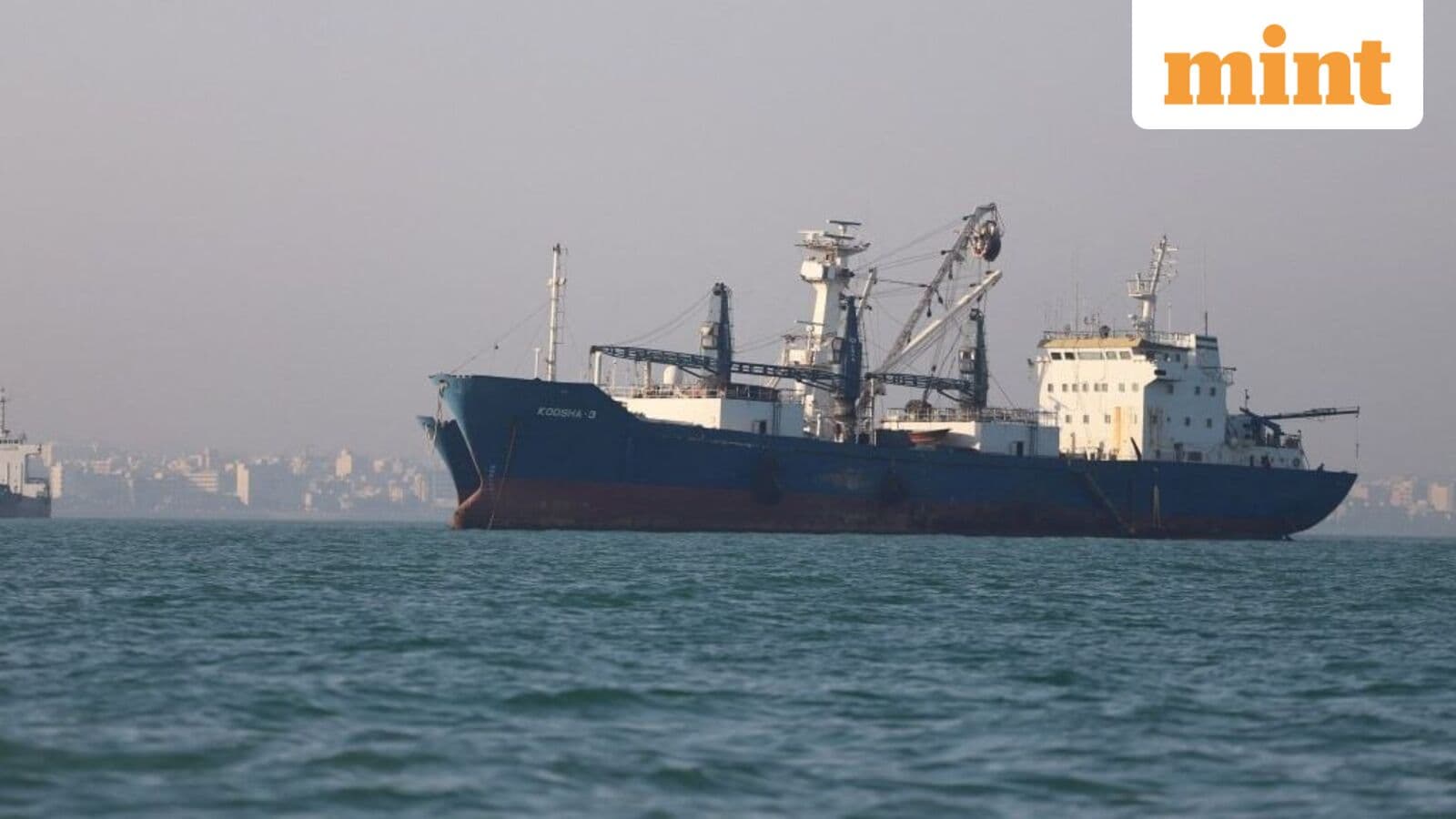
Three Indian crude oil tankers have safely transited the Strait of Hormuz, carrying over 8.6 lakh tonnes of oil to India. The tankers crossed bfore Iran's recent closure of the strait, raising concerns about maritime safety in the region.The Hormuz crisis highlights growing frictions in the global economy.Three Indian-flagged crude oil tankers carrying over 8.6 lakh million tonnes of cargo with 94 crew members from the country have safely crossed the Strait of Hormuz, Union Minister for Shipping, Sarbananda Sonowal, has said. The three crude oil tankers, Desh Vaibhav, Desh Vibhor, and Sanmar Herald, are expected to arrive in India between June 24 and July 1.Three oil tankers enroute to IndiaWhile Desh Vaibhav is expected to reach Vadinar Port on June 24, Desh Vibhor is likely to arrive at Sikka Port the same day. Sanmar Herald, the third Indian-flagged oil tanker to cross the Strait of Hormuz on Saturday, is scheduled to reach Paradip on July 1."3 Indian-flagged crude oil tankers, Desh Vaibhav, Desh Vibhor and Sanmar Herald carrying over 8.6 Lakh MT of cargo with 94 Indian crew members have successfully transited the Strait of Hormuz today and are en route to India," Minister of Ports, Shipping & Waterways Sonowal said in a post on X on Saturday."Under the decisive leadership of Hon'ble PM Shri @narendramodi ji, GoI is working on highest priority to secure India's maritime interests. Our Ministry is actively coordinating with all relevant agencies to guarantee the absolute safety of Bharat's seafarers and energy lifelines," he added.Iran closes Strait of HormuzThe safe transit of the three India-flagged oil carriers attains significance as Iran has once again closed the Strait of Hormuz. The vital transit route for global oil and natural gas shipping was briefly opened after the US and Iran agreed on a peace deal to end the war that began on February 28.However, just before the meeting between negotiators from the United States and Iran was in Switzerland on Sunday, Tehran closed the Strait over Israeli "crimes" in Lebanon, which, according to the Islamic Republic, violates the ceasefire deal.What Iran saidMohammad Mokhber, an adviser to Iran's supreme leader, Ayatollah Mojtaba Khamenei, accused the US of failing to implement the first clause of its 14-point interim deal with Iran, which includes a ceasefire "on all fronts", including Lebanon.He said that, as long as the agreement was only on paper, the flow of Middle East energy would remain halted.Iran’s IRGC also warned ships would be at risk if they approached the Strait, a vital conduit for global oil and gas supplies. The United States on Thursday lifted its blockade of Iran, allowing oil tankers to move through the Strait of Hormuz as a tentative agreement to end the war took effect.US responseUS Central Command said after Iran's announcement that safe passage through the international waterway had "remained intact" and that US forces were "present and vigilant.""Iran does not control the Strait of Hormuz. Traffic continues to flow, and US forces are monitoring the situation to ensure this remains the case," said Capt Tim Hawkins, a spokesperson for US Central Command.The military said that 55 merchant ships transited Saturday with more than 17 million barrels of oil.US President Donald Trump also warned that Washington could impose its own tolls on Hormuz if negotiators failed to complete the deal.While Desh Vaibhav, Desh Vibhor, and Sanmar Herald have exited the Strait of Hormuz, at least Indian flagged cargo ships are still stranded on the other side.Key TakeawaysThe successful transit of the Indian oil tankers demonstrates India's commitment to safeguarding its energy supply routes amidst geopolitical tensions.The closure of the Strait of Hormuz by Iran underscores the ongoing volatility in the region affecting global oil shipping.Coordination between various governmental agencies is crucial for ensuring the safety of maritime commerce amid crises.Get Latest real-ti

US Vice President JD Vance slams Israeli critics on Thursday as he defends the US-Iran peace deal. Calling out Israeli critics, Vance, during a White House briefing, said, 'Tel Aviv can't just kill its way out of a national security problem.'US Vice President JD Vance speaks during a press briefing in the Brady Briefing Room of the White House in Washington, DC, on June 18, 2026.(AFP)US Vice President JD Vance on Thursday (local time) slammed those who criticised the US-Iran peace deal in Israel, saying that Tel Aviv couldn't just "kill your way out” of every national security problem.Vance's remarks came hours after US President Donald Trump signed the Iran Memorandum of Understanding (MoU) in Versailles, France, while attending the Group of Seven (G7) leaders' dinner hosted by French President Emmanuel Macron.Vance defends US-Iran peace dealAccording to a Reuters report, Vance lashed out at the Israeli critics as he defended the deal reached this week to end the war. Critics have claimed that both the US and Israel failed to restrict Tehran's missile programme and provided no clear path to dismantle the country's nuclear facilities, while constraining Israel in its war with Hezbollah militants in Lebanon.Quick answers to key questions•5 QUESTIONSJD Vance defended the US-Iran peace deal, stating that Israel should not attack its only ally in the world, the United States, and expressed confidence in the negotiation outcomes to stabilize regional security.Israeli critics argue that the deal fails to impose strict limitations on Iran's missile program and does not provide a clear path for dismantling its nuclear facilities, raising concerns about Israel's national security.Vance stated that the agreement includes expectations for Iran to restrain Hezbollah, promoting reduced violence in Lebanon and asserting that Israeli forces should not operate recklessly in the region.Critics within Israel believe that the deal compromises their security by allowing Iran to maintain its military capabilities and influence, thereby necessitating vigilance and a robust defense strategy.The next steps involve negotiating a comprehensive settlement over a 60-day period, focusing on Iran’s nuclear program, verification mechanisms, and addressing regional security issues.Defending the US-Iran peace deal, Vance called Trump Israel's only ally. During a White House briefing, he issued a dual message to Israel and said, "No. 1: Donald J. Trump is the only head of state in the entire world who is sympathetic to the nation of Israel at this moment in time. If I was in the cabinet of the Israeli government, I might not be attacking the only powerful ally that I have anywhere left in the entire world."In the second message, he said, “Some of these cabinet members in Israel who are attacking the President of the United States, I would say, is that over the last three months, two-thirds of the defensive weapons that have protected your homeland have been built by American hands... Anybody in Israel who thinks their biggest problem is the President of the United States needs to wake up and smell the reality of the situation.”Vance slams Israeli criticsHe also criticised Israel's National Security Minister, Itamar Ben-Gvir, and Finance Minister Bezalel Smotrich for opposing the US-Iran peace deal. In an interview with The New York Times, Vance questioned, "What is your exact proposal? You’re a country of 9 million people. You can’t just kill your way out of solving every single national security problem that you have."He added, "I find this whole freakout in Israel a little bit odd because I think that it comes from a place of mistrust, and I think that America has earned the trust of that region of the world."Following Vance's remarks, Trump, in a Truth Social post, wrote that he encouraged everyone in West Asia to maintain their commitment to allowing negotiations to proceed. He also reiterated that Washington expects a complete ceasefire on all fronts, inc
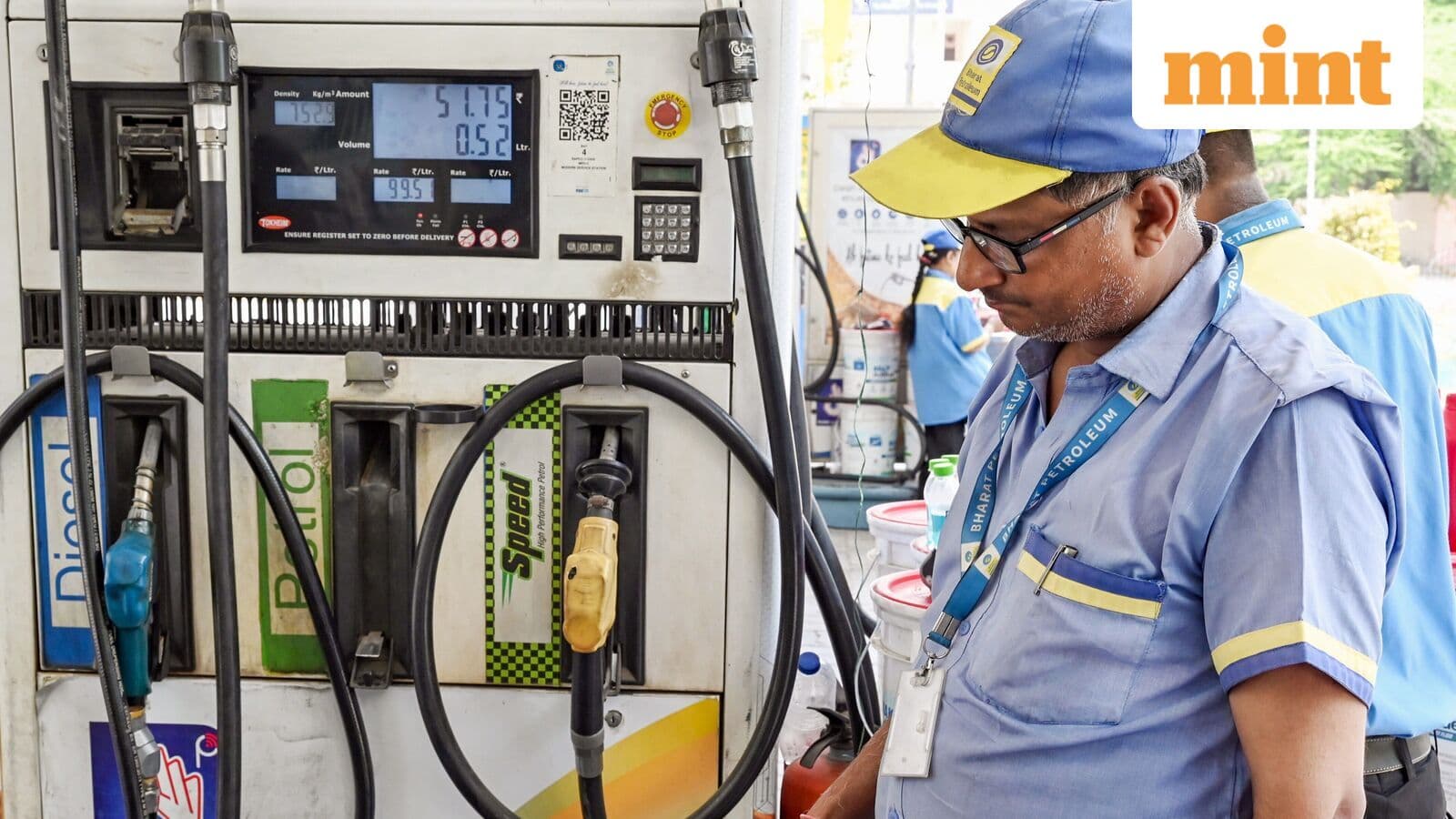
Petrol, diesel prices today — 19 June: After US and Iran signed peace deal, brent crude underwent significant fluctuation. Let's find out how costly is fuel in Bengaluru, Delhi, Mumbai, Kolkata, Hyderabad and other cities.Petrol, diesel prices today — 19 June: Check fuel rates in Bengaluru, Delhi, Mumbai, Kolkata, Hyderabad and other cities.(Hemant Rawat)Petrol and diesel prices today: Fuel prices stood stead on Friday, 19 June, despite fluctuation in brent crude price after US-Iran peace deal. The price of petrol and diesel was in line with the latest price revision that came about on 25 May. Last month, state-run oil marketing companies (OMCs) made retail adjustments to transfer some of the burden of volatile global oil prices to consumers. They implemented a cumulative increase of about ₹7.50 per litre in petrol prices in the wake of severe under-recoveries.The first hike of ₹3 took place on 15 May, the first increase in over four years, which was followed by three more revisions in the subsequent 10 days. The disruption in energy supply chain due to blockade across the Strait of Hormuz was the primary cause of the volatility in oil prices. The government shielded the consumers against inflationary pressure for the first 78 days of the war before passing on part of the price shock.CityPetrol PriceDiesel PriceNew Delhi ₹102.12 ₹95.20Kolkata ₹113.51 ₹99.82Mumbai ₹111.18 ₹97.83Chennai ₹107.77 ₹99.55Gurugram ₹103.17 ₹95.83Noida ₹102.12 ₹95.56Bengaluru ₹110.93 ₹98.80Bhubaneswar ₹108.81 ₹100.52Chandigarh ₹101.54 ₹89.47Hyderabad ₹115.73 ₹103.82Jaipur ₹112.66 ₹97.78Lucknow ₹101.89 ₹95.36Patna ₹113.46 ₹99.47Thiruvananthapuram ₹115.49 ₹104.40Brent crude oil prices spiked again on Thursday after dropping to their lowest level since the war began on 28 February. The increase came after US Vice President JD Vance warned Israel against further attacks in Lebanon on Iran-backed Hezbollah. These geopolitical tensions created doubts over the durability of the agreement as Israel continued to pound Lebanon.Brent crude futures climbed 30 cents, or 0.38% and settled at $79.85 a barrel after sliding as low as $76.54 earlier in the session, Reuters reported.“The vice president's statements about Israel may have put things back on edge,” Reuters quoted Again Capital partner John Kilduff as saying. He added, "I think the slightest sort of disturbance is going to register in the market."Strait of Hormuz reopens as US-Iran lift blockadeOil tankers sailed through the Strait of Hormuz and the United States said it lifted its blockade on Iran on Thursday as an interim deal to end the war took effect, though key issues are still unresolved between the two countriesAfter the interim deal between the United States and Iran to end the West Asia war took effect, a downward pressure on oil prices was noticed as oil tankers sailed through the Strait of Hormuz, marking a resumption of long restricted energy flows.However, the cost of oil continues to be much higher than before the war even though US lifted its blockade. Overall, easing of crude oil costs depends on what happens in the Strait of Hormuz, through which one-fifth of the world's oil flowed before the war. According to the interim 14-point agreement, Iran will allow toll-free passage through the Strait as the deal calls for restoration of traffic to its full capacity within 30 days.Over gradual recovery in flows through the Strait, John Kilduff said, “Full resumption of oil flows through the strait has been priced back in,” adding, "Anything short of that will be a problem."The preliminary accord requires the United States and its partners to come up with a $300-billion plan to finance Iran's recovery and calls for a ceasefire in Lebanon.While analysts expect a gradual recovery in flows through Hormuz, industry experts seemed skeptical against downslide in oil prices despite recovery of demand and inventories. According to investment bank Goldman Sachs, Gulf exports are expected to normalize to pr
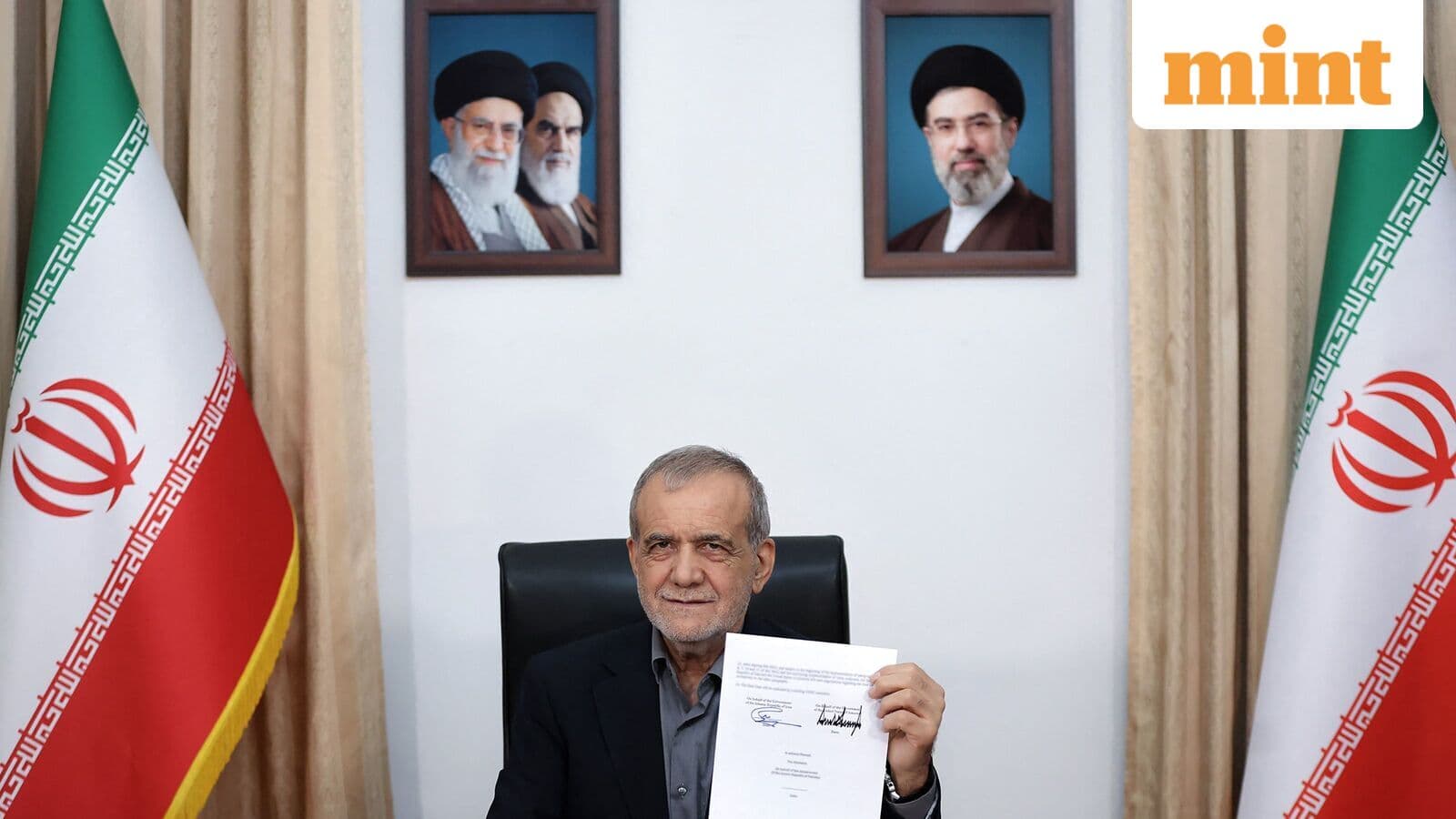
The United States has ‘conceded’ to Iran's demands, an expert said, analysing the interim Memorandum of Understanding (MoU) signed on Wednesday, June 18 between the US and Iran to end the war. But there's more than what appears on the surface.US-Iran MoU vs ‘final deal’The text of the MoU signed by the US and Iran, published by several media outlets, suggests that while Iran has been given some major economic relief, the end of the war depends on the "final deal" — which both parties have committed to achieving within 60 days. This period is "extendable by mutual consent," the MoU states.Iran is widely seen as the top beneficiary of the interim US-Iran deal, with the MoU recognising Iran's control over the Strait of Hormuz, removal of US naval blockade, terminating sanctions, waivers for the export of Iranian crude oil and ending the war on all fronts, including Lebanon.Quick answers to key questions•5 QUESTIONSThe interim MoU provides Iran with major economic relief by lifting maritime blockades, recognizing its control over the Strait of Hormuz, and allowing for the export of Iranian crude oil, while aiming to end the war in Lebanon.Experts believe Iran benefits significantly due to the economic relief from sanctions, the ability to manage the Strait of Hormuz, and potential access to billions in reconstruction funds dependent on future negotiations.The 60-day negotiation period will focus on key discussions about Iran's uranium enrichment limits, verification mechanisms, and broader terms to ensure compliance with the final deal.The MoU includes expectations for Iran to restrain Hezbollah's actions in Lebanon and reduce escalations, which are critical concerns for Israel in the context of regional security.While experts suggest Iran may concede some aspects, such as allowing monitoring by the IAEA, the extent of concessions will depend on the assurance that the US fulfills its promises regarding sanctions relief.While the MoU lays out the contours of the final deal, the ultimate success depends on negotiations over the next 60 days, when more important discussions will take place, including those on Iran's nuclear programme and the procedures for the release of Iran's frozen funds and assets.So, what does this MoU really mean for the US, Iran and Israel, and who gains more from this interim framework?View full It's about two things — ending the war on all the fronts (including Lebanon), and reopening the Strait of Hormuz, said Deepika Saraswat, Associate Fellow at the West Asia Centre, Manohar Parrikar Institute for Defence Studies and Analyses.The talks on the nuclear deal will take place in the next phase. The MoU remains silent on the Iranian missile program and the scope of sanctions relief and financial support for Iran. It, however, covers Israel’s war with Hezbollah in Lebanon. There are many details to be negotiated.According to Ray Takeyh, Hasib J Sabbagh ,senior fellow for Middle East studies at the Council on Foreign Relations (CFR), Iran and the US have agreed to lift their blockades on maritime traffic through the Persian Gulf and then spend the next two months sorting out everything else. "It is hard to see how this timetable is sustainable," he said.Takeyh notes that the nuclear issue is not part of the agreement but Israel’s conduct in Lebanon is. "...the removal of all sanctions on Iran and release of billions of dollars in frozen funds is of grave concern to Israelis," said Elliott Abrams, another senior fellow at CFR."That could mean there are more resources available for Iran’s proxies like Hamas, Hezbollah, the Houthis, and Shia militias in Iraq because the agreement says nothing to stop this. It also remains silent on the Iranian missile program, which the recent war showed is extremely dangerous for Israel," Elliott Abrams said.Has Iran really won?Experts believe that the US did not achieve “total sur
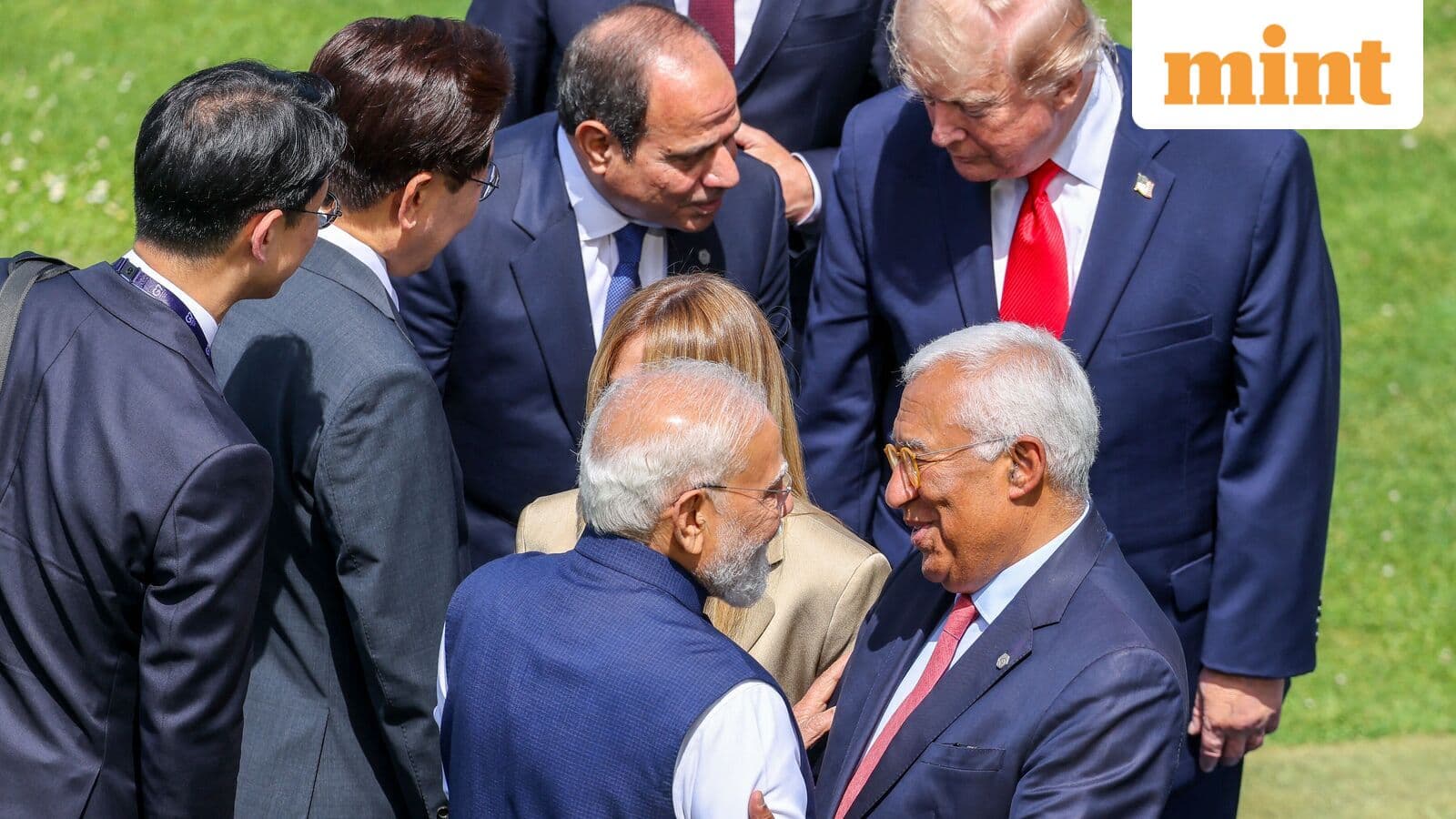
The 52nd G7 Summit in Évian-les-Bains, hosted by France from June 15-17, gathers leaders from advanced economies and representatives of the Global South to address global stability and regional conflicts, including discussions on AI security risks and final statements on the Middle East and Ukraine.Group photo of G7 leaders and invited nations during the G7 summit in Evian-les-Bains, France, Tuesday, June 16, 2026.(AP)The 52nd G7 Summit (Group of Seven) is underway in the French resort town of Évian-les-Bains. The gathering of the leaders of the seven of the world's most advanced and industrialized economies from June 15 to 17 is hosted by French President Emmanuel Macron under the French G7 Presidency.The G7 (originally G8 including Russia) comprises the United States, the United Kingdom, Canada, France, Germany, Italy, and Japan along with the permanent participation of the European Union.Quick answers to key questions•5 QUESTIONSThe G7 leaders attending the summit include Canada’s Mark Carney, France’s Emmanuel Macron (host), Germany’s Friedrich Merz, Italy’s Giorgia Meloni, Japan’s Sanae Takaichi, the UK’s Keir Starmer, and the US’s Donald Trump.The agenda includes discussions on security risks posed by AI and social media, as well as reaching agreements on key issues concerning the Middle East and Ukraine.PM Narendra Modi is attending the G7 Summit as India has been invited as a guest country to discuss global issues and enhance bilateral ties with G7 leaders.The G7 Summit serves as a platform for world leaders to collaboratively address major geopolitical issues, strengthen international relations, and coordinate responses to global challenges.PM Modi held discussions focusing on deepening India-UK ties, economic cooperation with Canada, and regional stability in West Asia with leaders including UK's Keir Starmer and Canada’s Mark Carney.G7 leaders attending 52nd summitCanada: Mark Carney, Prime MinisterFrance: Emmanuel Macron, President (Host)Germany: Friedrich Merz, ChancellorItaly: Giorgia Meloni, Prime MinisterJapan: Sanae Takaichi, Prime MinisterUnited Kingdom: Keir Starmer, Prime MinisterUnited States: Donald Trump, PresidentEuropean Union representativesEuropean Commission: Ursula von der Leyen, PresidentEuropean Council: António Costa, PresidentGuest and partner leadersFrench President Emmanuel Macron expanded the summit to include leaders from the Global South and vital Middle Eastern nations to discuss regional conflicts and global stability.Notable attendees include:India: Narendra Modi, Prime MinisterUkraine: Volodymyr Zelenskyy, PresidentEgypt: Abdel Fattah el-Sisi, PresidentQatar: Sheikh Tamim bin Hamad Al Thani, EmirUnited Arab Emirates (UAE): Sheikh Mohamed bin Zayed Al Nahyan, PresidentBrazil: Luiz Inácio Lula da Silva, PresidentSouth Korea: Lee Jae-myung, PresidentKenya: William Ruto, PresidentWhat is on the agenda of G7 SummitOn Wednesday, the last day of the 52nd G7 Summit, leaders will discuss the security risks posed by AI and social media. The discussion at the G7 will focus on how to "improve cyber security and protect our children and our democracies," Macron said in an Instagram video ahead of the summit.Final discussions on the key global issues will take place, with all seven powers hoping to agree final statements on both the Middle East and UkraineAbout the AuthorBobins Vayalil AbrahamBobins loves telling the human side of all stories, from the intersection of geopolitics, international relations, and conflicts around the world. In his nearly one-and-a-half-decade career as a journalist, Bobins has covered South Asia, the Middle East, and North America, from elections to mass protests and conflicts. Bobins has also done extensive reporting on environmental issues, climate change, and sustainability, focusing on solutions and people working to make the planet a better place to live. In 2018, Bobins was awarded by Times Internet for the impact of his story on Delhi tree cuttings. Bo

Trump further added that said the agreement would also prevent Iran from threatening Israel and claimed it had saved Israel from a potential nuclear attack, despite opposition from Israeli Prime Minister Benjamin Netanyahu.US President Donald Trump(REUTERS)US President Donald Trump claimed that the deal with Iran would keep the key shipping route 'permanently toll-free, according to a The New York Times report. Reportedly, Trump also insisted that if Iran does not reach a final nuclear agreement with the United States, talks for which his aides expect to begin in Switzerland on Friday, he would either resume military attacks on Iran or have the U.S. act as the 'guardian of the Middle East' in exchange for 20% of the region’s revenues.Trump further added that said the agreement would also prevent Iran from threatening Israel and claimed it had saved Israel from a potential nuclear attack, despite opposition from Israeli Prime Minister Benjamin Netanyahu.In a phone interview to The New York Times, Trump said his decision to attack Iran in late February and later impose a naval blockade after Iran closed the Strait of Hormuz had reshaped the Middle East in America's favor.Quick answers to key questions•5 QUESTIONSThe US-Iran peace deal includes the permanent toll-free opening of the Strait of Hormuz and the removal of the US Naval blockade, allowing oil shipments to flow freely again.The Strait of Hormuz is crucial as it typically carries about a fifth of the world's supply of oil and liquefied natural gas, making it a vital maritime chokepoint.The closure of the Strait of Hormuz disrupted oil supplies, leading to increased oil prices and fears of a broader conflict, which ultimately affected inflation and global energy stability.If the Strait reopens under the peace deal, it could stabilize oil prices and ease inflationary pressures by restoring normal shipping volumes in a key global energy route.Concerns remain about whether the peace deal will effectively address Iran's nuclear program, as the U.S. and Iran are entering negotiations with a lack of assurance on this critical issue."The Deal with the Islamic Republic of Iran is now complete. Congratulations to all! I hereby fully authorize the toll free opening of the Strait of Hormuz, and, simultaneously herewith, authorize the immediate removal of the United States Naval blockade. Ships of the World, start your engines. Let the oil flow!," Trump announced on Truth Social. His post came shortly after Pakistani Prime Minister Shehbaz Sharif, whose country has served as a mediator, announced a deal had been struck early on Monday local time.The memorandum of understanding is scheduled to be officially signed on Friday in Switzerland."This Great Deal will bring Peace and Security to the whole Region. Many presidents have tried to make Peace with Iran, and all have failed before me. The Leaders of the Region have, for the first time, found a President who can help them achieve real Peace. With the opening of the Strait upon the signing of the Deal on Friday, for purposes of mine removal, oil will flow on both ends again for the Region, and the World!," Trump wrote in a separate post.No assurances on nuclear programOil prices dropped after the announcement. In early trading on Monday, Brent crude futures fell 4%, while U.S. West Texas Intermediate crude declined more than 4.6%. Asian stock markets rose sharply.Former Biden administration State Department spokesperson Matthew Miller said that Trump had made significant concessions to Iran to restore the situation that existed before the conflict began. "We have no assurances the nuclear program will ever be addressed, but Iran has shown the world it can take the global economy hostage and get something from the U.S. in return," said Miller.About the AuthorLivemintFor about a decade, Livemint—News Desk has been a credible source for authentic and timely news, and well-researched analysis on national news, business, personal finance,


Discussion (0)