
Loading dispatches...
← Return to Newsroomgeneral
Walking on footpaths is a fundamental right, says SC. Heres how Gurgaon fares
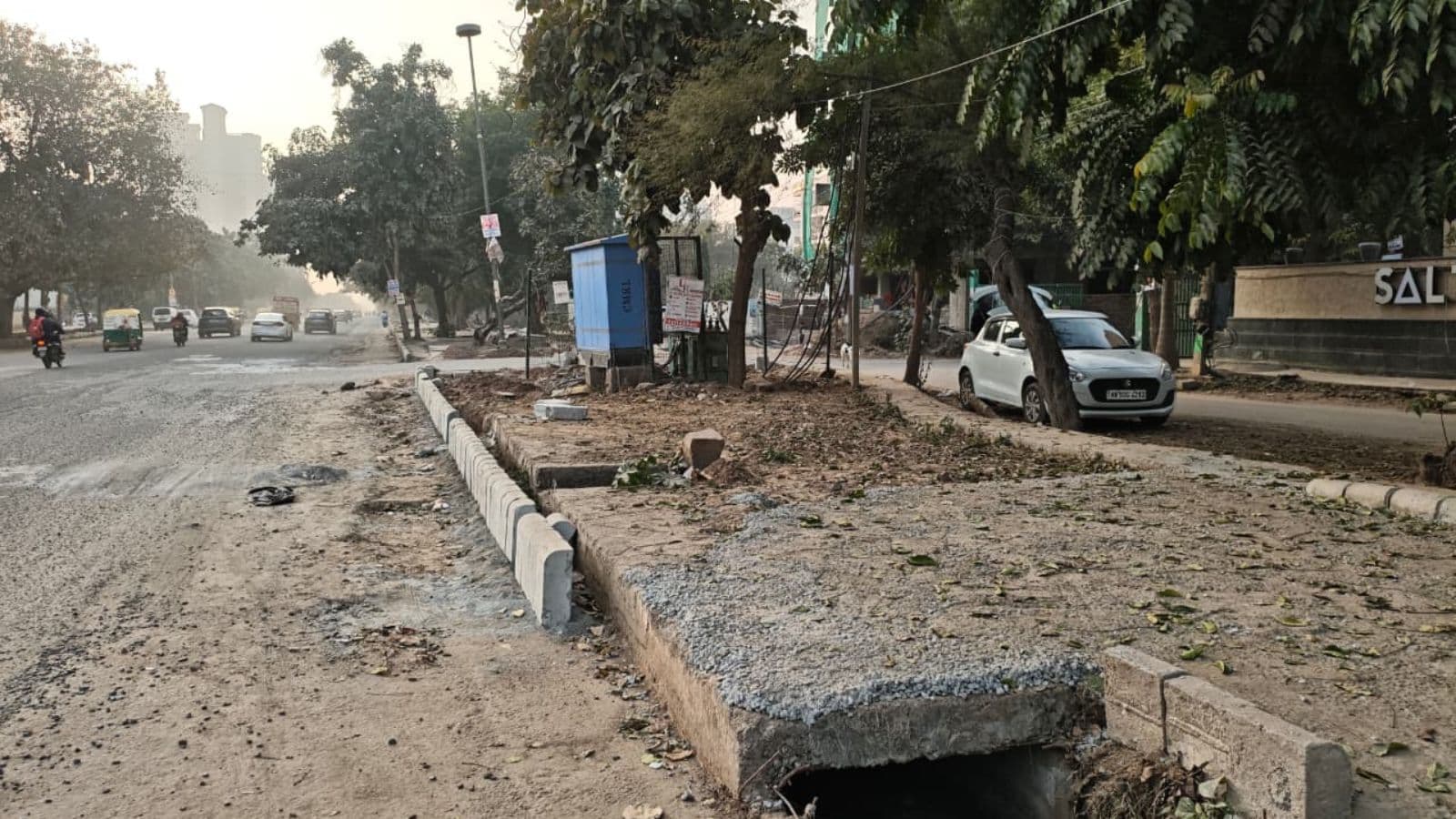
The right to walk safely on well-demarcated footpaths is a fundamental right, the Supreme Court ruled on Friday. This right, the top court underlined, shall have priority over motorised vehicles on demarcated paths and it forms part of the right to movement guaranteed under Article 19 (1) (d) and other fundamental rights including Article 21 (right to life and liberty). In Gurgaon, the ruling has cast fresh spotlight on concerns over the need for necessary infrastructure for citizens to walk about safely.As per the Comprehensive Mobility Management Plan (CMMP) prepared for the Gurugram Metropolitan Development Authority (GMDA) in 2020, walking accounted for a massive 33% of all daily intra-city trips. Yet, the Millenium City’s average Walkability Index, which measures safety and security, convenience, and degree of policy support, stood at a dismal 0.68 (out of 5). Pedestrian facilities, including footpaths and safe road-crossing mechanisms, have been “grossly inadequate” and “deficient not only in quantity but also in quality,” making pedestrians highly vulnerable, the CMMP highlighted. Is walking in Gurgaon dangerous? A closer look at the city’s baseline infrastructure explains the poor walkability score. Before recent interventions began, only 28% of the city’s total road network was covered by footpaths, amounting to a mere 153.6 km, the CMMP noted. Across the city, footpaths span 153.6 km, primarily in the inner core area and parts of New (East) Gurgaon like MG Road and HUDA City Centre. However, it is common to see parked vehicles or vendors occupying the space. This forces pedestrians on roads, which makes the walking experience unsafe and highly inconvenient and gives lesser space to vehicles to move. Some pockets that are being developed — Badshahpur and sectors beyond the Dwarka Expressway — are said to be completely devoid of footpaths. To align the city with sustainable active transport goals, the Transport Planning Department of the School of Planning & Architecture, Delhi, conducted a walkability analysis as part of the CMMP, which identified a staggering 800 km of the city’s road network as currently lacking essential pedestrian infrastructure.Story continues below this ad To bridge this gap, authorities have laid out an ambitious, multi-phased roadmap. The overarching target is to develop a total city-wide footpath network of 1,083 km by 2041. This includes building new pathways along the deficient 800 km stretch, while upgrading and integrating the existing 153.6 km, effectively ensuring 100% coverage of the primary road network. The action plan mandates that footpaths be constructed to segregate motorised and pedestrian traffic, featuring a minimum clear width of 1.8 meters on either side of the road to comfortably accommodate two wheelchair users at the same time. For commercial zones, this width requirement increases to at least 2.5 meters. Immediate measures also included widening existing footpaths that failed to meet the 1.8-meter standard. Current status Even as the Supreme Court ruling has shed light on constitutional remedies against missing footpaths, turning Millennium City into a fully pedestrian-friendly city remains a work in progress. GMDA Chief Town Planner Sanjeev Maan Saturday told The Indian Express that around 40% of the target in this regard has been met so far.Story continues below this ad Underscoring the administrative commitment to fix the city’s walkability crisis, Maan noted: “We will complete the target by 2041. Frequent meetings are held by the CEO where footpaths, cycling tracks etc. are discussed and planned.” Expert speak Sarika Panda Bhatt, co-founder of the Raahgiri Foundation, an NGO that works with authorities to improve sustainable urban mobility, said the SC judgment was much needed, but Gurgaon’s walkability index has practically worsened since 2020. “All major roads including those that had functional footpaths are dug up. The existing ones also rarely comply with Indian

Discussion (0)