
Loading dispatches...
← Return to NewsroomEconomy
SC judge observes eating chicken on Ganga not a crime, flags 'shrinking' dissent space: 'Students don't get bail for….'
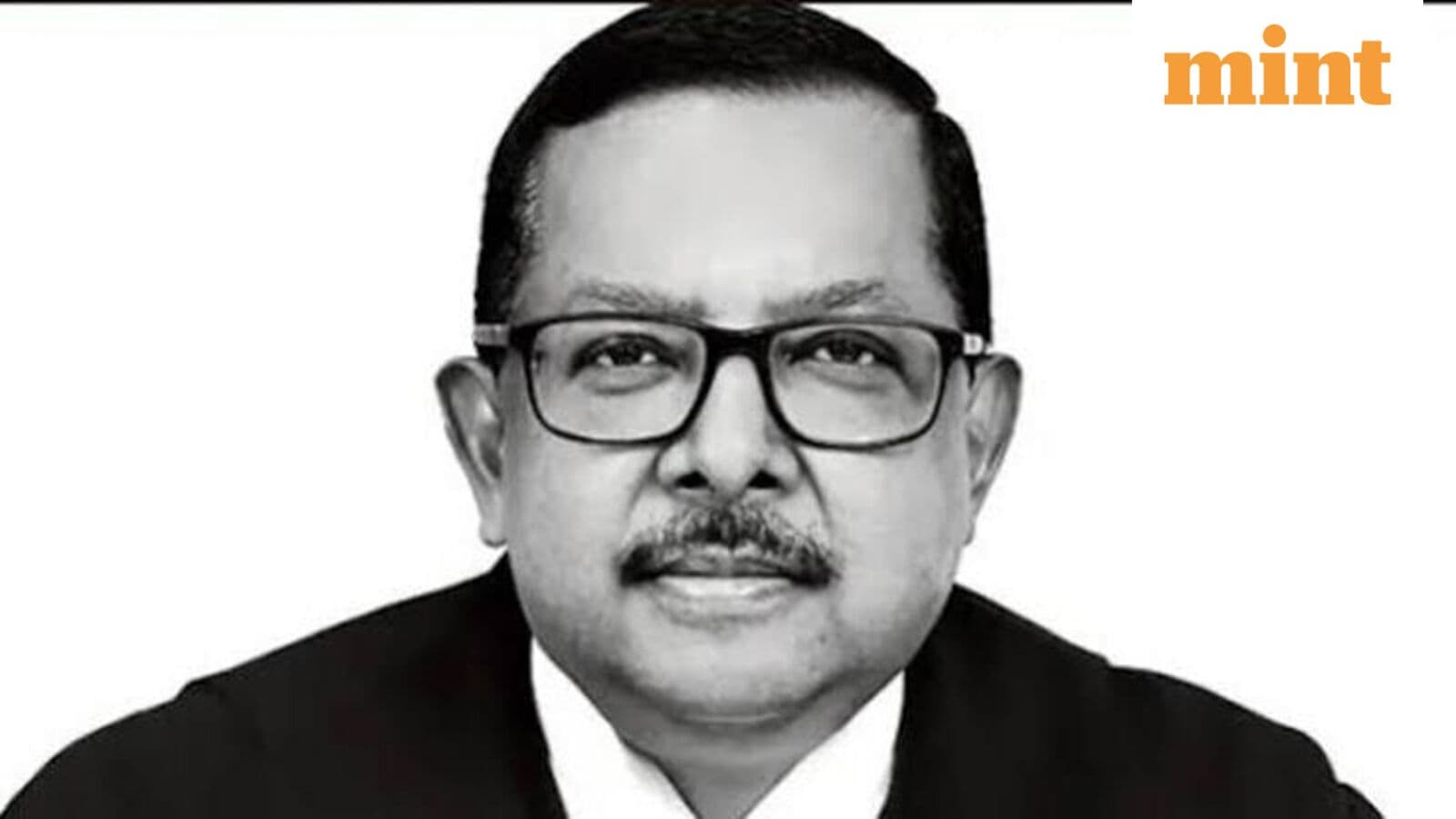
Supreme Court Justice Ujjal Bhuyan expressed concern over the ‘shrinking’ dissent space in India, with arrests of students and stringent bail conditions limiting personal liberties. He questioned the treatment of individuals protesting environmental issues.Eating chicken on Ganga not a crime, dissent space ‘shrinking’: SC Justice (Image: HT)Supreme Court Justice Ujjal Bhuyan on Sunday observed that the space for expressing dissent in India is steadily diminishing, with even students protesting for their rights facing arrest and difficulties in securing bail. He also noted that, in many cases, courts impose stringent bail conditions that significantly curtail their personal liberty, according to Live Law.Speaking on the issue, Justice Bhuyan said people raising concerns over environmental degradation, “which is a reality”, are often treated "as if they are criminals." He further remarked that students participating in protests on university campuses are arrested, denied bail for "30-40 days," suspended from their institutions, and are then compelled to approach the courts, a process that "takes time."“I will not comment on any contemporary happenings in the country; I will refrain from doing so. But it will not be an exaggeration to say that public space for expressing divergent opinion is shrinking in India. Right to express one's views and right to demonstrate peacefully are fundamental freedoms of citizens,” Bhuyan asserted.He said, “Debate and dissent are the essence of democracy. Unfortunately, even formal activities are criminalised. People who come to voice their anguish for environmental degradation, which is a reality, are chased away as if they are criminals. Students protesting on campuses are arrested, and they don't get bail for 30-40 days. They are suspended, and then have to go to the Court, which takes time.”'Citizens are watching, people are watching'Bhuyan also cited the case of a group of young people who were denied bail after organising an Iftar gathering on a boat in the middle of the Ganga, questioning whether bail could be refused for an act that was not even a criminal offence."I am sure consuming chicken biryani is not an offence. There is no law prohibiting consumption of chicken over the Ganga river; they were arrested for that very reason and they had to remain in jail for three months. Can people be arrested and denied bail for 3 months for such an activity, I ask myself! Citizens are watching, people are watching," Justice Bhuyan further stated.He further observed that courts are increasingly placing bail conditions that effectively curtail an individual's right to voice dissent.“For putting a post on Facebook commenting on the conduct of a minister who had called a serving Indian Army officer a daughter of a terrorist, an FIR is lodged, and he has to seek anticipatory bail. Bail is granted but what does the Court do? [Asking them to] deposit your passport [when] he is not even on a flight risk. [Then it says] don't post anything on Facebook.”Justice Bhuyan also cited the Gulfisha judgment in the Delhi riots case, highlighting the stringent conditions imposed by the Supreme Court while granting bail."Take the case of young student activists who had suffered long incarceration. While the Court granted them bail, they were directed not only to surrender their passport, but also not to participate or address any public meetings whether physically or virtually. Imposing such restrictive conditions severely undermines their fundamental freedoms and liberty. People would be justified in asking whether, by passing such orders or by imposing such conditions, is the Court also sending a message that don't participate in such public activities?" he questioned.About the AuthorGarvit BhiraniGarvit Bhirani is a journalist based in Gurugram. He is a Deputy Chief Content Producer at LiveMint, where he covers national and international news stories, focusing on accuracy and compelling storytelling for readers. <b

The Trump administration has announced a new global visa restriction policy aimed at cracking down on individuals involved in cyberscams, sextortion and other cyber-enabled crimes, expanding its efforts to combat transnational criminal networks that target Americans online.Announcing the policy on July 23, US Secretary of State Marco Rubio said the restrictions are part of a broader strategy to dismantle international cybercrime operations using sanctions, prosecutions, asset seizures, extradition requests and international law enforcement cooperation.Here's what the new policy means.What is the new visa restriction policy?The new policy authorises the US government to deny visas to foreign nationals responsible for or complicit in cybercrime and cyber-enabled criminal activities.According to Rubio, the policy is being implemented under Section 212(a)(3)(C) of the US Immigration and Nationality Act, which allows visa restrictions when an individual's entry into the United States could have adverse foreign policy consequences.The restrictions cover people involved in:-Cyberscams-Online investment fraud-Sextortion-Other cyber-enabled criminal activitiesRubio also said immediate family members of those engaged in such crimes may face visa restrictions.Why has the US introduced the policy?The State Department said the move follows President Donald Trump's Executive Order 14390 on combating cybercrime, fraud and predatory schemes targeting American citizens.According to Rubio, online investment scams have become a growing national security and financial threat.He said scammers—often allegedly linked to Chinese transnational criminal organisations—defrauded US citizens of at least $10 billion in 2024 while also contributing to money laundering, corruption and human trafficking.The administration also highlighted the rise in sextortion cases targeting American children, saying overseas-based offenders have caused severe harm to victims and their families.Who could be affected?The policy targets individuals who are:-Responsible for cybercrime-Complicit in cyber-enabled crime-Involved in cyberscam operations-Linked to sextortion schemesIn addition, Rubio said immediate family members of individuals engaged in these criminal activities may also become ineligible for US visas.The statement does not identify any specific countries or individuals that will be targeted.How does the US plan to enforce it?Rubio said visa restrictions are only one part of a broader campaign against international cybercrime.According to the State Department, the Trump administration will also rely on:-Economic sanctions-Criminal prosecutions-Asset seizures-Extradition requests-International law enforcement cooperationThe administration said the objective is to dismantle criminal scam networks and impose costs on those who facilitate cyber-enabled crime.Statement mention Chinese criminal organisations?Rubio said online investment scams are "often orchestrated by Chinese transnational criminal organizations."The statement links these criminal enterprises to large-scale financial fraud against Americans as well as activities such as money laundering and human trafficking.However, the visa restriction policy itself is global and is not limited to any single country or nationality.What message is the Trump administration sending?Rubio said the policy is intended to deter cybercriminals by restricting their ability to enter the United States."The United States will go after those who prey on our citizens," he said, adding that the administration intends to use every available legal and diplomatic tool to disrupt international scam networks.Earlier policy targeted far-left terrorist groupsThe cybercrime announcement comes just one week after the State Department introduced another visa restriction policy focused on members of "far-left terrorist and other aligned groups."In the July 16 statement, Rubio said such organisations use coordinated violence—including bombing
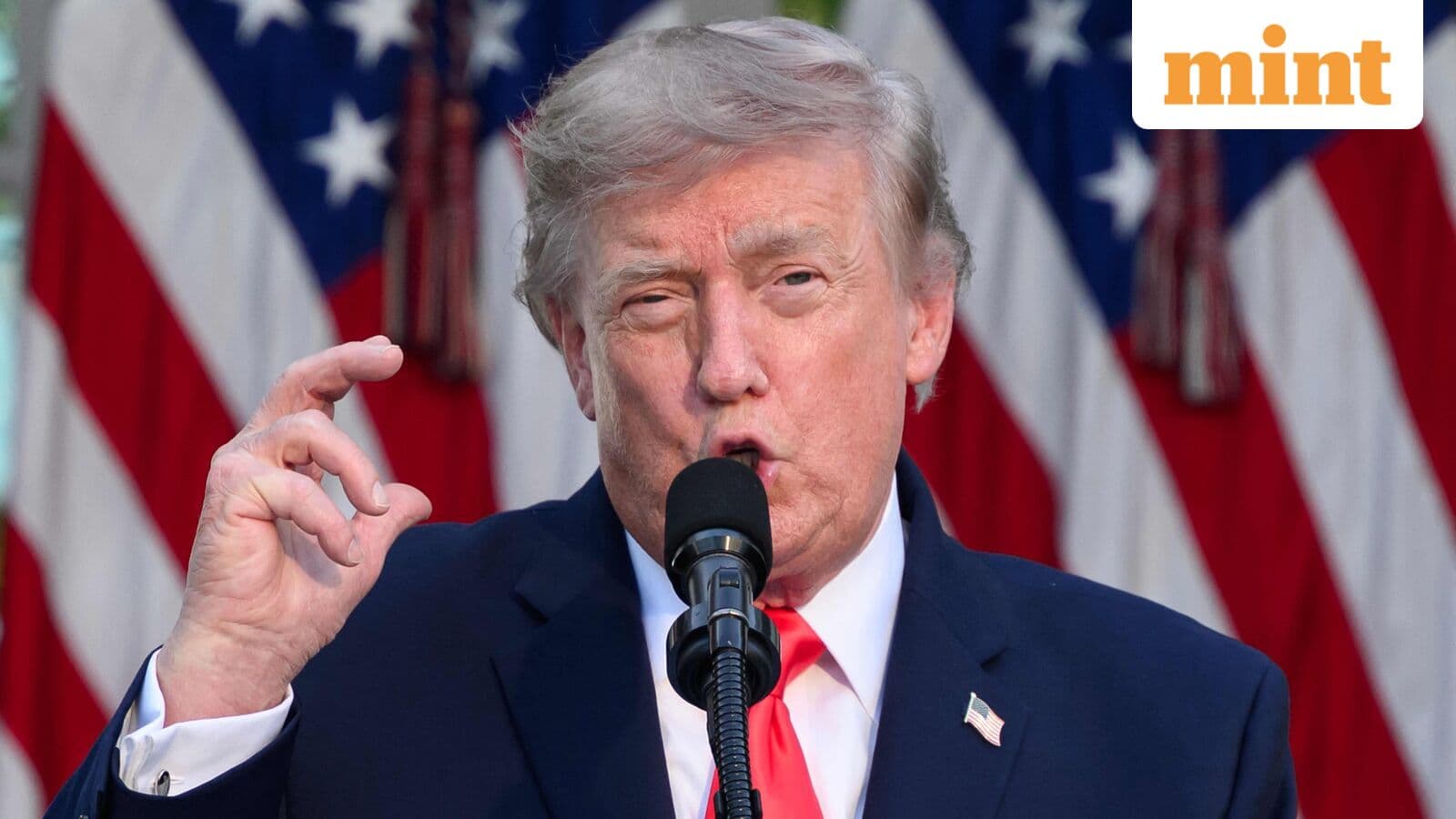
The subpoenas target several prominent Trump allies and family members, including Donald Trump Jr., Ivanka Trump, Jared Kushner, Steve Bannon, Stephen Miller and Michael Flynn.The BBC is seeking emails, text messages and other communications related to the 'Stop the Steal' rally held on January 6, 2021, as well as Trump's broader efforts to challenge the results of the 2020 presidential election. (File Photo by Mandel NGAN / AFP)(AFP)A US judge has allowed the British Broadcasting Corporation (BBC) to issue subpoenas to several members of President Donald Trump's inner circle as part of the broadcaster's defence against Trump's $10 billion defamation lawsuit over a 2024 documentary about the January 6 Capitol attack.At a hearing in Miami on Tuesday, US Magistrate Judge Enjoliqué Lett ruled that the subpoenas sought by the BBC were reasonable given the scope of Trump's lawsuit. However, she indicated that some of the requested information may need to be narrowed before being produced.Judge permits subpoenasThe subpoenas target several prominent Trump allies and family members, including Donald Trump Jr., Ivanka Trump, Jared Kushner, Steve Bannon, Stephen Miller and Michael Flynn.The BBC is seeking emails, text messages and other communications related to the "Stop the Steal" rally held on January 6, 2021, as well as Trump's broader efforts to challenge the results of the 2020 presidential election.The broadcaster has also requested records that were previously provided by the subpoena recipients to federal investigators.Lawsuit over BBC documentaryTrump filed the $10 billion defamation lawsuit in December, alleging that a BBC documentary released in 2024 falsely portrayed his role in the events leading up to the January 6 Capitol attack.The lawsuit centres on a 12-second edited clip of Trump's speech before the riot. Trump alleges the documentary misleadingly edited the footage to make it appear that he had directly called for violence before his supporters stormed the US Capitol.The BBC apologised for the editing error in November, but the apology did not prevent Trump from pursuing legal action.BBC argues subpoenas are key to defenceThe broadcaster has argued that, to succeed in his defamation claim, Trump must prove that the documentary falsely accused him of inciting the Capitol attack.According to the BBC, communications from Trump's closest advisers and family members could help establish Trump's state of mind and actions surrounding the events of January 6, making the subpoenaed material relevant to its defence.The ruling allows the BBC to move forward with discovery in one of the highest-profile defamation cases involving a sitting US president, although the exact scope of the subpoenas may still be refined by the court.(With Bloomberg inputs)Stay updated with the latest Trending, India , World and US news. Follow CJP Protest LIVE updates for Sonam Wangchuk’s health, the Centre’s response, police action and the protesters’ next move.HomeNewsUs NewsBBC wins court approval to subpoena Trump's inner circle in $10 billion lawsuit over January 6 documentaryMore

The FBI will reportedly stop investigating alleged assaults on immigration agents, leaving such cases to ICE's Homeland Security Investigations unit. The shift comes amid growing scrutiny of fatal ICE shootings, raising concerns over oversight, investigative independence, and accountability.The Federal Bureau of Investigation (FBI) logo outside a building(Getty Images via AFP)The Federal Bureau of Investigation (FBI) will reportedly no longer take part in investigations into cases involving alleged assaults on immigration agents; instead, the agency will defer such cases to Homeland Security Investigations (HSI).Citing sources, CBS News reported the development on 19 July, saying that FBI field officers were informed of the changes on 16 July.HSI is an arm of Immigration and Customs Enforcement (ICE), both of which are overseen by the Department of Homeland Security (DHS), implying that the immigration enforcement agency would become responsible for probing incidents involving its own agents.However, the agency does not typically investigate officer-involved shootings and lacks the resources needed to carry out key aspects of such inquiries, including ballistic and forensic analysis, firearm examinations, video evidence review, and extensive witness interviews.Shooting incidents involving ICE officers riseThe development comes amid a spate of fatal shootings by immigration officers, with the latest reported in Texas and Maine earlier this month. On 7 July, an ICE officer shot and killed a Mexican national who had been living in Houston and had resided in the United States for decades. Days later, another incident was reported in Biddeford, Maine, where immigration officers shot and killed a Colombian man.Earlier this year, the FBI increased resources in Minnesota to investigate alleged assaults on immigration officers tasked with carrying out enforcement operations in Minneapolis. According to the report, some of those cases were later dismissed after prosecutors reviewed the evidence. However, the issue became a flashpoint following a deadly encounter between an ICE officer and Renee Good. Later, the Department of Justice (DOJ) directed the FBI and prosecutors to treat the investigation as an assault on an officer rather than a civil rights investigation into Good's killing, prompting several prosecutors and an FBI agent to resign.Trump's immigration crackdown turns deadlyLorenzo Salgado Araujo, 52, was on his way to work in Houston, Texas, with his brother and two other passengers when immigration agents began following his vehicle. After pulling the car over, an agent fired through the open passenger-side window, fatally shooting him.Six days later, in Biddeford, Maine, 26-year-old Joan Sebastián Durán Guerrero was driving through his neighbourhood when immigration agents stopped his vehicle at an intersection near a laundromat he regularly visited with his three-year-old daughter. He was also shot and killed.The two fatal shootings, which occurred less than a week apart, have sparked grief and anger across the United States. Protesters gathered in both cities, renewing calls for ICE, the agency responsible for enforcing US President Donald Trump's deportation agenda, to remove its agents from their communities.According to The Guardian, to deliver on Trump's promise of mass arrests and deportations of immigrants, ICE officers armed with military gear have been violently detaining immigrants across the country, at traffic stops, outside department stores, at bus stops, warehouses, farms, schools and churches.Since Trump took office in January last year, Salgado Araujo and Durán Guerrero became the 29th and 30th people to be shot by immigration officers. Last week, another man fleeing immigration agents in Florida died after being hit by a truck. At least 22 people have died in ICE custody this year, including inside immigration detention centres.About the AuthorSwati GandhiSwati Gandhi is a digital journalist with over four
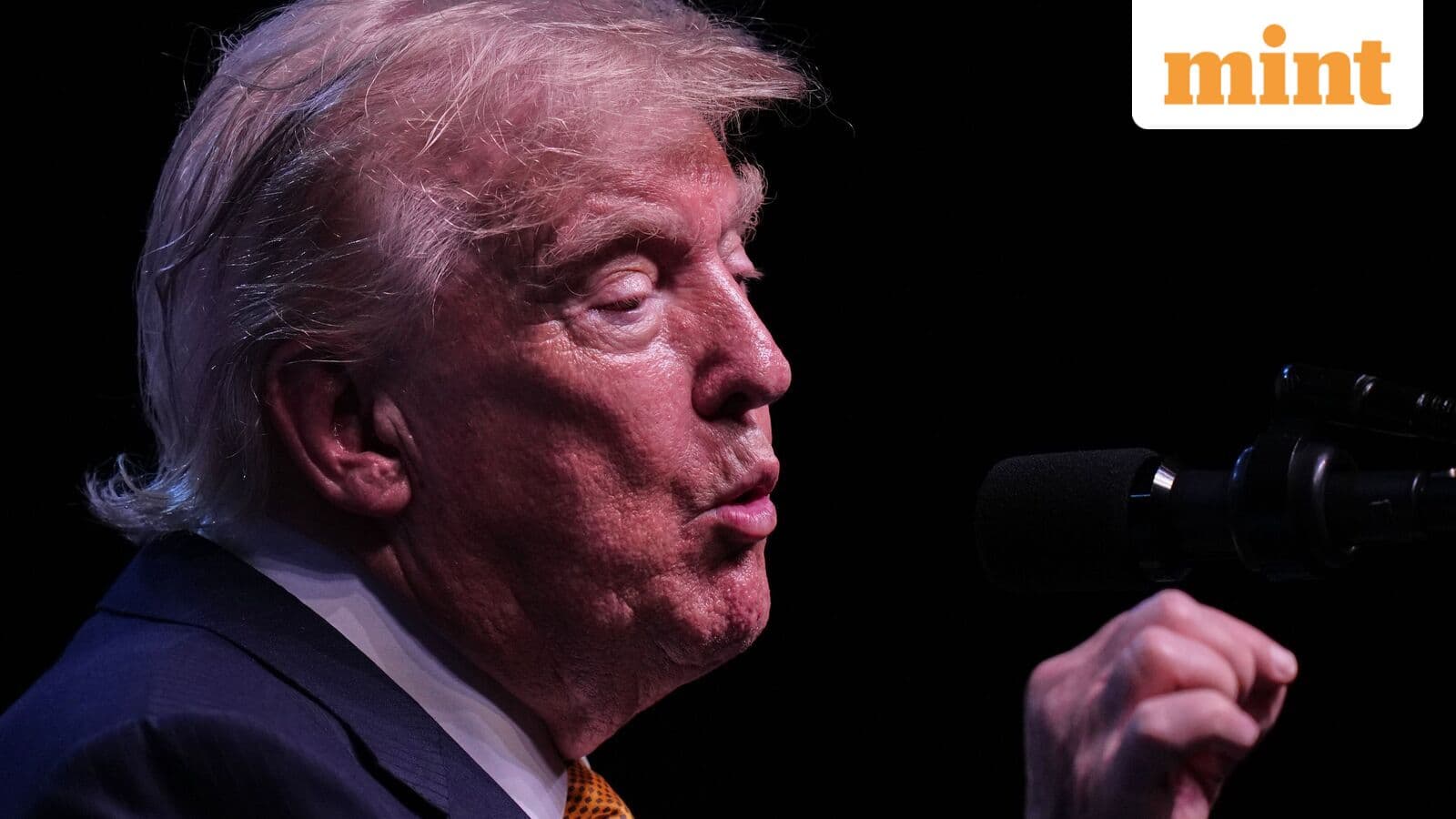
US President Donald Trump said he would immediately seek a rehearing before the Supreme Court on its birthright citizenship ruling, alleging that billboards advertising 'birthright citizenship' for as little as $4,000 had appeared along the US-Mexico border.Trump Seeks US Supreme Court Rehearing on Birthright Citizenship(AP Photo/Francisco Seco)US President Donald Trump on Wednesday said he would immediately seek a rehearing before the US Supreme Court on its birthright citizenship ruling, calling the decision a "miscarriage of justice," according to ANI.In a post on Truth Social, Trump alleged that signs and billboards were being put up along the US southern border and in Mexico, advertising birthright citizenship with "deliveries starting at $4000," ANI reported. He claimed this practice would allow people to obtain US citizenship simply by paying for childbirth in the country, adding that billions of dollars would be illegally made through the "scam," with citizenship going to anyone willing to pay, and entire families eventually able to follow. He described the situation as "not sustainable."Declaring that "American citizenship is not for sale," Trump said the Supreme Court's ruling was wrong and that he would be seeking a rehearing immediately, warning that the decision, if left unchanged, would "destroy America," as cited by ANI.Donald Trump reiterates criticism at Roosevelt Library eventEarlier, speaking at the opening of the Theodore Roosevelt Presidential Library, Trump renewed his criticism of the court's handling of birthright citizenship, even as he praised other recent rulings that he said had restored presidential authority, according to the report. He said the provision was never meant for wealthy foreign nationals, but for the children of former slaves, adding that he believed the court had "got it wrong."Supreme Court's 6-3 ruling on 14th AmendmentThe remarks came after the US Supreme Court, in a 6-3 decision, upheld the principle of birthright citizenship, affirming that children born in the United States to parents who are unlawfully or temporarily present in the country are entitled to automatic citizenship under the Citizenship Clause of the 14th Amendment, ANI reported.According to CNN, cited by ANI, the court reaffirmed its earlier precedent in United States v. Wong Kim Ark, holding that children born on US soil to foreign parents are entitled to birthright citizenship. CNN reported that one of the Trump administration's key arguments had been that the 14th Amendment required parents to be domiciled in the United States before their children could claim birthright citizenship, an argument the court rejected.Writing for the majority, Chief Justice John Roberts said citizenship represented "the right to have rights, to freely participate in our political community," adding that the framers of the 14th Amendment had extended that promise to "every free-born person in this land," and that the court was upholding that promise, as quoted by CNN.The ruling marks a significant setback for Trump, who had made ending what he termed "birth tourism" and tightening immigration policy central themes of his second presidential campaign, ANI reported.Trump's push for an immediate rehearing signals that the fight over birthright citizenship, one of the most contested constitutional questions of his presidency, is far from settled, even after the Supreme Court's ruling.Get Latest real-time updatesStay updated with the latest Trending, India , World and US news. HomeNewsUs NewsTrump seeks US Supreme Court rehearing on birthright citizenship, says ‘American citizenship not for sale’More
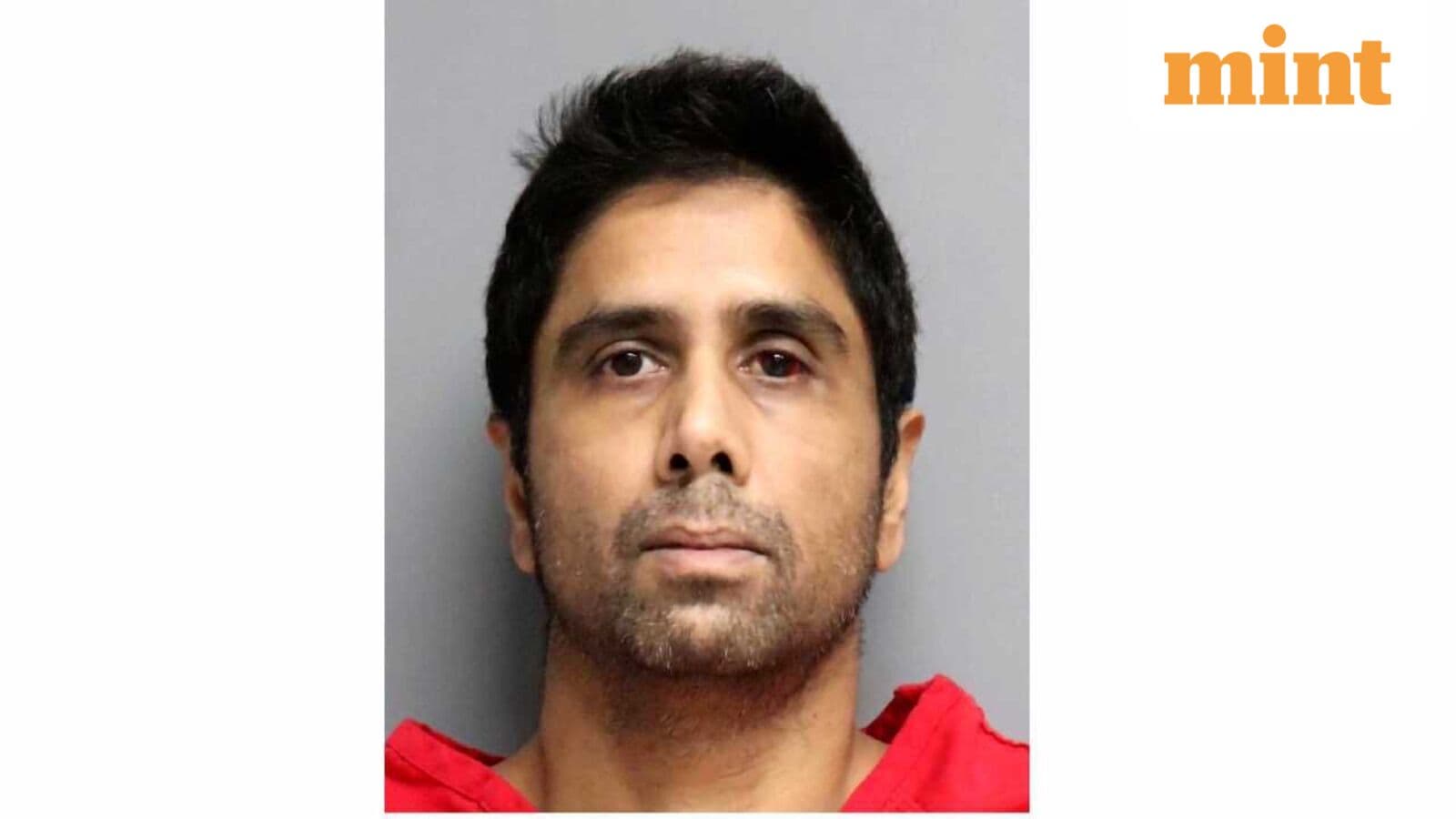
All charges were dropped against radiologist Dharmesh Patel, the man prosecutors charged with attempted murder after he drove his Tesla off a 250-foot cliff along the Pacific Coast Highway in San Mateo County, California, injuring his wife and two young children.The charges against him were dismissed by a judge following completion of a mental health program.‘Absolute miracle’Prosecutors charged Dharmesh Patel, 45, with attempted murder after he drove his Tesla off a 250-foot (76-meter) cliff along the Pacific Coast Highway known as “Devil's Slide" in 2023.His wife and two young children were injured in the incident. All four survived the January 2, 2023, crash in what one official called an “absolute miracle.”Why were charges dismissed?San Mateo County District Attorney Steve Wagstaffe told the Associated Press that a San Mateo County judge dismissed the charges on Monday after Patel completed a two-year mental health diversion program with a Stanford University psychiatrist and a family therapist this week.“The judge was required by the law to dismiss the charges,” Wagstaffe said.In 2024, a different judge ruled Patel would receive mental health treatment instead of standing trial after his defense attorneys argued he was going through episodic major depression with hallucinations when he drove his family off the cliff and qualified for mental health diversion under California law that went into effect in 2023.“If the person who’s given mental health diversion follows the treatment plan, there’s nothing that can be done and at the end of the two years, he gets it wiped out of his record.” Wagstaffe was quoted as saying.San Mateo prosecutors unsuccessfully opposed diversion for Patel.Wagstaffe and other California district attorneys have argued that attempted murder should be excluded from eligibility for mental health diversion, and they are working with lawmakers to amend the law.“We’ll try again in the future," he said about the law. “We’re not giving up.”Patel's attorney, Joshua Bentley, did not immediately return a message Tuesday seeking comment.What happened exactlyAs per the Associated Press, Patel, of Pasadena, was on a family road trip in the Bay Area at the time of the crash.He reportedly told a psychiatrist after his arrest that he was depressed and had delusions that his children, ages 4 and 7 at the time, would be trafficked by kidnappers, Wagstaffe said.Patel was in jail without bail until he was released in 2024 to complete a mental health outpatient treatment program.He then moved in with his parents in San Mateo County and was monitored through a GPS bracelet.Patel had to surrender his driver’s license and passport, and had to check with the court weekly.Wagstaffe said Patel's wife and children also moved to the San Francisco Bay Area, and the court eventually allowed him to spend time with his family and take them out on drives.Patel’s wife testified that she had forgiven her husband and did not want him to be prosecuted. She said her children missed their father and they wanted him back home.After the charges were dismissed Monday, Patel walked to the courtroom gallery where his wife was waiting and the two left the building together, the Mercury News reported.Months after his arrest, the Medical Board of California barred Patel from practicing medicine while he faced attempted murder charges.The board said Tuesday that Patel surrendered his California medical license in December.(With inputs from AP)About the AuthorLivemintFor about a decade, Livemint—News Desk has been a credible source for authentic and timely news, and well-researched analysis on national news, business, personal finance, corporates, politics and geopolitics. We bring the latest updates on all the listed companies on BSE and NSE, startups, mutual funds, Union ministries, geopolitics, and untapped human interest stories from around the world, helping our readers to stay informed on the latest developments around the globe. Our Coverage
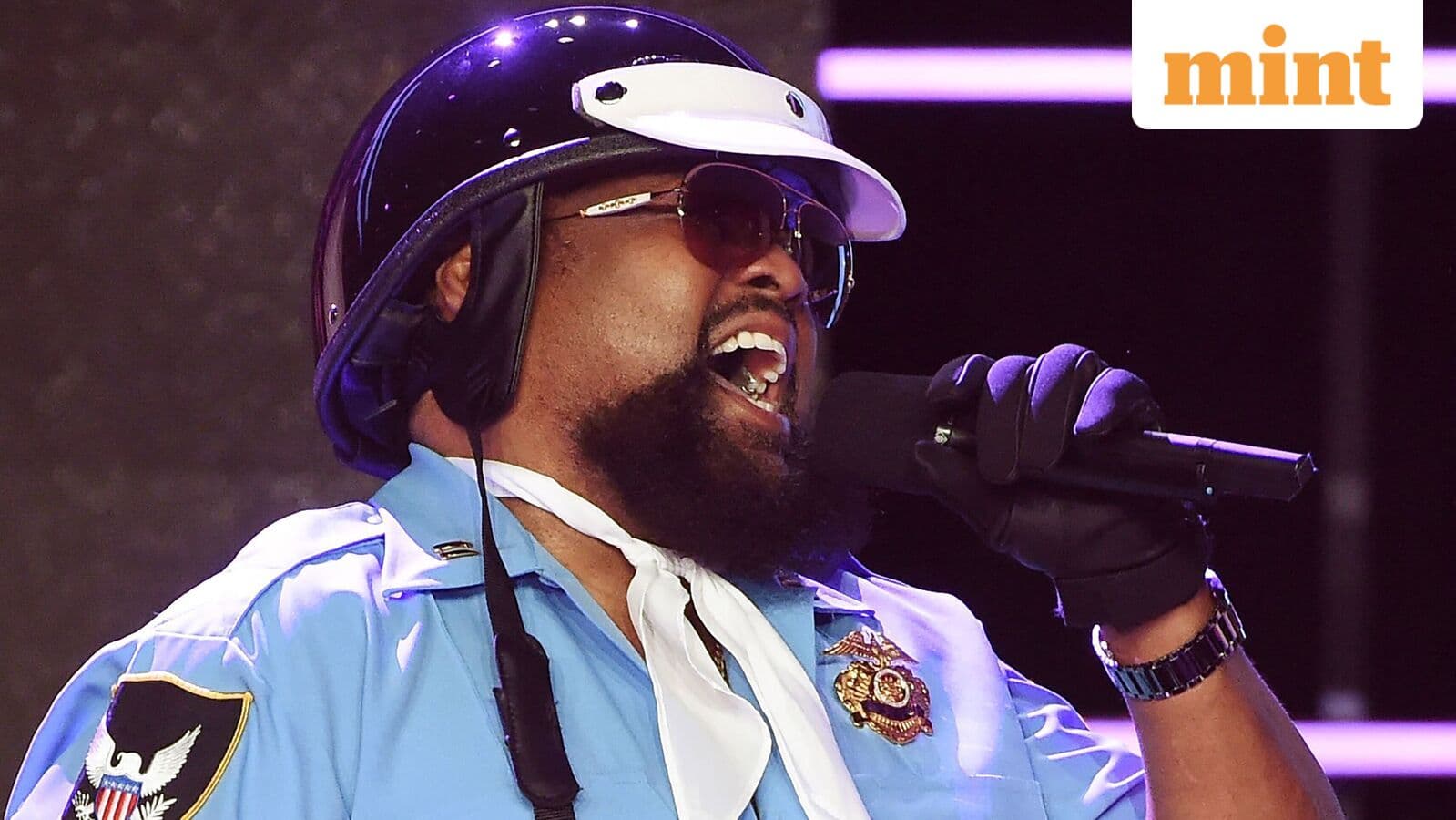
Born in Texas, Willis co-founded Village People in 1977 after accepting an invitation from French producer Jacques Morali and music executive Henri Belolo.Victor Willis of The Village People onstage during the 2017 Streamy Awards at The Beverly Hilton Hotel on September 26, 2017 in Beverly Hills, California. (Photo by KEVIN WINTER / GETTY IMAGES NORTH AMERICA / AFP)(AFP)Victor Willis, the lead singer and co-founder of disco group Village People whose hit "Y.M.C.A." became a staple at rallies for US President Donald Trump, has died at the age of 74 after a brief illness.His wife announced the news in a Facebook post on Wednesday."It is with profound sadness that I must announce the death of my husband, VICTOR WILLIS. Victor passed away on Tuesday June 30, 2026 as a result of a short, but aggressive illness."Trump pays tributeTrump expressed his condolences on Truth Social, remembering Willis and the renewed popularity of "Y.M.C.A." during his political rallies."He was a great and happy guy who loved that I used his group's song, YMCA, at my rallies. It became a 'monster' hit, again, 30 years after its original launch."He added: "We will think of Victor every time YMCA is played, like today, and all throughout this July Fourth Birthday week."The voice behind disco classicsBorn in Texas, Willis co-founded Village People in 1977 after accepting an invitation from French producer Jacques Morali and music executive Henri Belolo.He co-wrote some of disco's biggest hits, including:Y.M.C.A.Macho ManIn the NavyAccording to the band's website, Morali famously told Willis: "I had a dream that you sang lead vocals on an album I produced, and it went very, very big... I'll make you a star."A disco phenomenonVillage People became one of the defining acts of the late 1970s, known for flamboyant costumes portraying characters such as construction workers, bikers, cowboys, police officers and soldiers.The band's name was widely associated with New York City's Greenwich Village, a center of LGBTQ culture during the disco era.Willis, known for his signature "cop" and "admiral" stage personas, left the group in 1980.Legal battles and comebackAfter years marked by struggles with drug addiction, Willis pleaded guilty to cocaine possession in 2006.He returned to Village People in 2017 after winning a copyright case that restored part-ownership of several of the band's biggest songs.'Y.M.C.A.' and its political afterlifeOriginally celebrated as a disco classic and embraced by many in the LGBTQ community, "Y.M.C.A." found new life decades later as the signature soundtrack to Trump's rallies and campaign events.The song was inducted into the Library of Congress's National Recording Registry in 2020 and also entered the Grammy Hall of Fame.Willis consistently rejected claims that the song was intended as a gay anthem.In 2024, he said: "It was a false assumption based on the fact that my writing partner was gay, and some (not all) of Village People were gay, and that the first Village People album was totally about gay life."Support for Trump's second termVillage People performed "Y.M.C.A." at a Trump rally in January 2025 before his second presidential inauguration.At the time, Willis urged Americans to judge Trump by his actions rather than his reputation."Let's give President Trump a chance, regardless of what you may have thought about him in the past."He added: "Let's see what he's going to do moving forward and if he does things to restrict LGBTQ rights, Village People will be the first to speak out."(With inputs from AFP)Get Latest real-time updatesStay updated with the latest Trending, India , World and US news. HomeNewsUs NewsVictor Willis, Village People co-founder and 'Y.M.C.A.' singer, dies at 74 after brief illness; Trump pays tributeMore
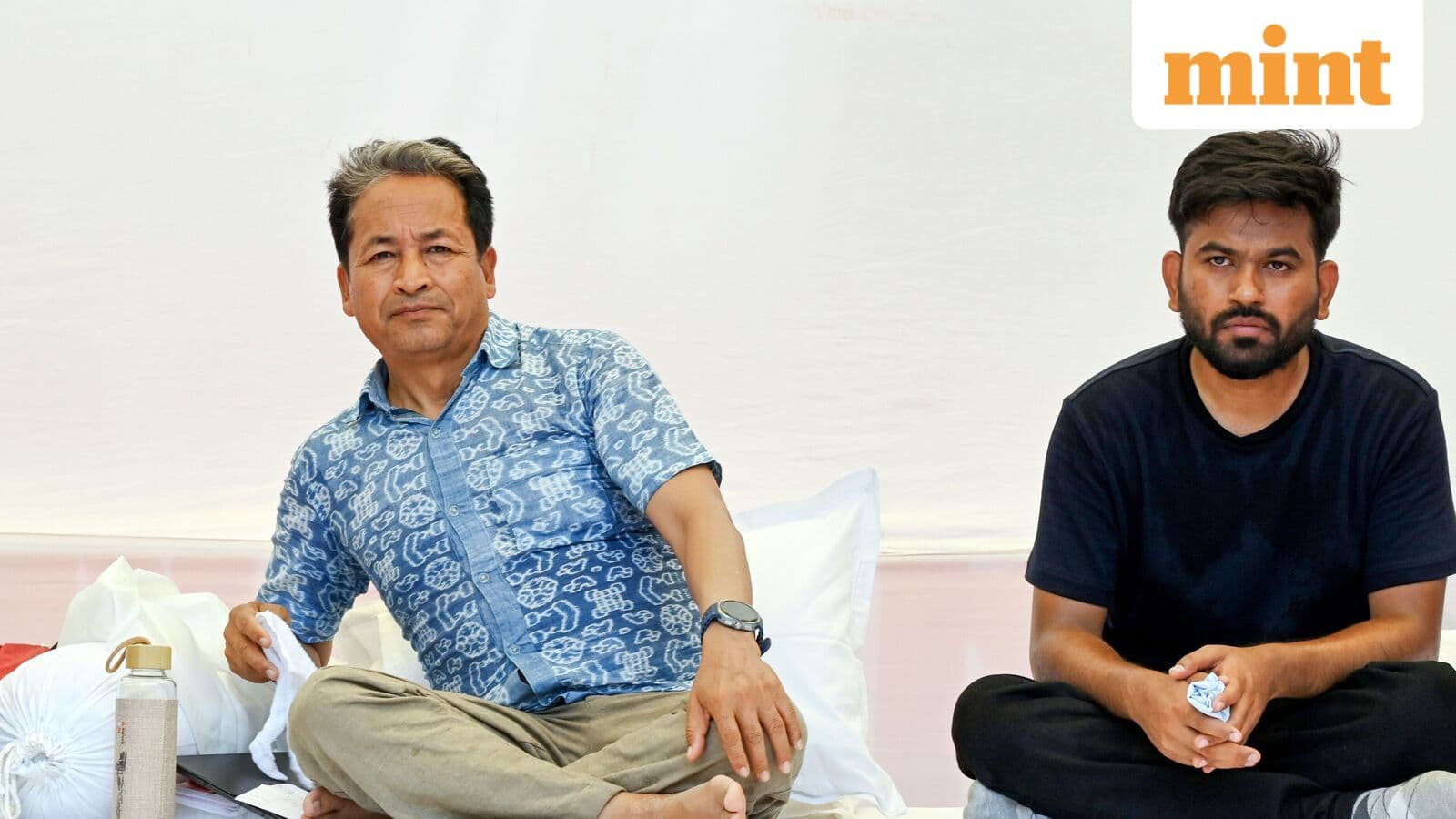
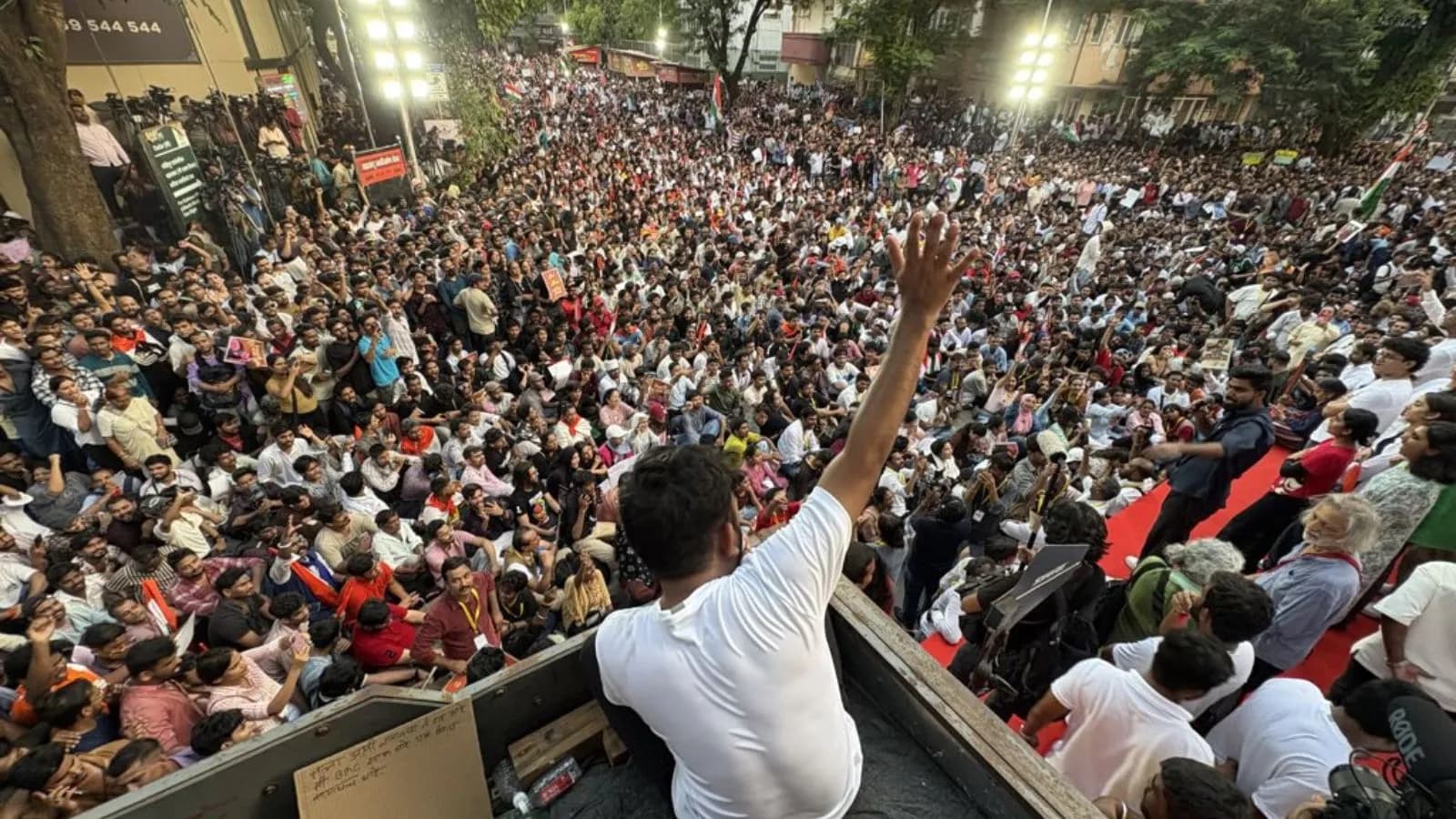
Ladakh-based activist Sonam Wangchuk, on 29 June, urged people across the country to join his hunger strike at Jantar Mantar for a day.Wangchuk began his indefinite hunger strike during the Cockroach Janata Party (CJP) protest on Sunday to press for Union Education Minister Dharmendra Pradhan's resignation over alleged exam irregularities.“Namaskar, in support of education and environment, in support of CJP and Ladakh, today is my second day of Anshan on salt and water. Many people have joined here; you can also join. If you come here for one day in Anshan, it will be very good,” Wangchuk said in a video message shared by CJP founder Abhijeet Dipke.Wangchuk added that those unable to join the protest in Delhi could instead observe the hunger strike in their respective states.“Some people are doing it for three to five days. It is very good to show support. If you can't come here, then in your state, city or village, for one day of Anshan, for education, for improvement, for response from the government, for environment, for air and water, you can do it,” he said.Wangchuk began his indefinite hunger strike on Sunday alongside the ongoing Cockroach Janta Party (CJP) protest, demanding the resignation of Education Minister Dharmendra Pradhan over alleged exam irregularities and environmental issues.Earlier, CJP founder Abhijeet Dipke said the ongoing protest, which began on 20 June amid the NEET paper leak row and other exam controversies, would not remain confined to education-related issues and that the platform would also raise other matters concerning accountability.Addressing the protesters, he said people should not view the protest as being limited to a single issue. "People are assuming this is only an NEET issue, education... I must tell you this is just the beginning. We will also come to the election (issues)," he said, drawing cheers from the gathering.Dipke referred to electoral issues, including the Special Intensive Revision (SIR) of electoral rolls, and said the movement would continue to raise concerns beyond the immediate demands of the protest."Whether we contest elections or not, we will work to reform the election system. What is happening now -- vote deletion -- there will be no need for EVMs," he said.Education and environment are my issues: WangchukExplaining his decision to join the agitation, Wangchuk said on Sunday that education had been close to his heart for the last four decades and he could not remain silent when students raised concerns over the system."Education and environment are my issues, truth and peace are my path, justice is my destination," Wangchuk, 59, said.The activist said he had been associated with the movement in Ladakh for the last five-six years for environmental protection and cultural preservation, adding that accountability was needed on both education and environmental issues."I am sitting here with both these issues," he said."When there is no accountability, even when there is a dialogue, we are forced to take the only way possible in a democracy - peaceful protest, and we will do that," Wangchuk said.Wangchuk was detained under the National Security Act (NSA) after Ladakh statehood protest turned violent and was released from Jodhpur prison in March 2026 after nearly six months when the NSA was revoked by authorities.Education and environment are my issues, truth and peace are my path, justice is my destination.Before sitting on the fast, Wangchuk, along with Dipke, visited Rajghat and paid tribute to Mahatma Gandhi. The protest began with the gathering observing a two-minute silence.(With PTI inputs)Get Latest real-time updatesStay updated with the latest Trending, India , World and US news. HomeNewsIndiaSonam Wangchuk urges people to join his hunger strike for a day at Jantar Mantar: 'If you can't come here..'More

He condemned Trump's vanity projects and corruption, particularly regarding his handling of the January 6th insurrectionists, stating they should be jailed rather than compensated.Former U.S. President Joe Biden gestures during a dedication ceremony for the opening of the Obama Presidential Center, in Chicago, Illinois, U.S., June 18, 2026. REUTERS/Brendan McDermid(REUTERS)Former US President Joe Biden on Saturday sharply criticised his successor, President Donald Trump, describing him as corrupt, narcissistic, and incompetent. Speaking at a casino in Maryland, Biden delivered a 10-minute address that marked one of his most forceful attacks on Trump since leaving office.Here's what Biden said“It’s not just his vanity projects, tearing down the East Wing of the White House making room for his ballroom, putting his name on the Kennedy Center, building an arch in his own honor, even hiring his own pool guy to fix the reflecting pool. Woah! What a loser,” Biden said at a Maryland Democratic Party fundraiser event, as reported by Anadolu Agency.“The reflecting pool reflects something even worse than the narcissism and incompetence at the core of this administration,” he said.“It’s the corruption, the corruption, the brazen, blatant corruption. Corruption on a scale never seen before in American history in any administration.”“What makes me angry is that Trump wants to give taxpayers’ money, your money, to the January 6th insurrectionists. That’s what he wants to do,” Biden told the crowd, referring to the Jan. 6, 2021, Capitol riot, as reported by Anadolu Agency.“These people don’t deserve to be compensated. They deserve to be put in jail for a long, long, long time.”The 47th president has long been known for his interest in construction and renovation projects. He has repeatedly said these efforts are intended to improve the appearance of the nation's capital, including plans for a new East Wing ballroom and upgrades to the Lincoln Memorial Reflecting Pool.However, critics have questioned whether these projects are necessary and how they have been carried out, particularly since the White House has emphasized reducing government waste, fraud, and abuse during Trump's second term.In April, Trump described the Reflecting Pool as "filthy" and "leaking like a sieve," claiming it would cost about $2 million to repair. But a USA TODAY review of federal contract records found that the government had already allocated $8.5 million for repairs 20 days before Trump publicly announced the renovation.The administration has also faced legal and congressional challenges related to changes at the Kennedy Center and plans for a new White House ballroom. Last week, a federal judge directed the Kennedy Center to explain why its front entrance was covered with scaffolding and a tarp after Trump's name was removed from the building.(With inputs from agencies)About the AuthorLivemintFor about a decade, Livemint—News Desk has been a credible source for authentic and timely news, and well-researched analysis on national news, business, personal finance, corporates, politics and geopolitics. We bring the latest updates on all the listed companies on BSE and NSE, startups, mutual funds, Union ministries, geopolitics, and untapped human interest stories from around the world, helping our readers to stay informed on the latest developments around the globe. Our Coverage Areas 1. Companies: Comprehensive news and analysis on listed and unlisted companies, corporate announcements, corporate chatter, C-suite, business trends, hiring alerts, layoffs, work-life balance, world's top billionaires and richest and more. 2. Personal finance: Insights into mutual funds, small savings schemes like - PPF, SSY, post office savings scheme, stock to watch, personal loans, credit cards, top bank FDs, real estate, income tax and more. 3. Politics: Comprehensive coverage of general elections, state elections and bypolls, Lok Sabha, Vidhan Sabha, Parliament, PMO, PIB, finance
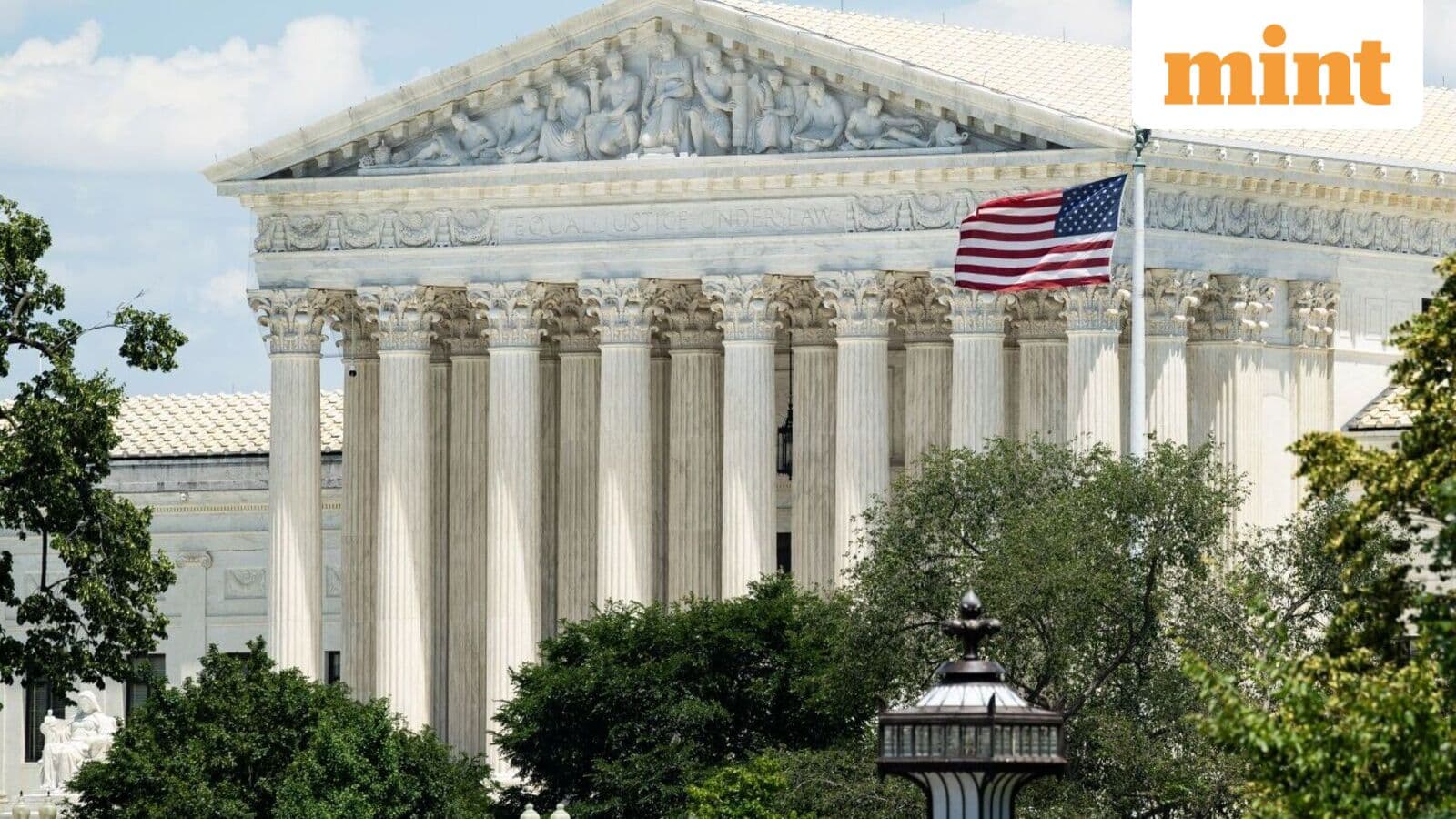
The US Supreme Court is expected to conclude its current term in the coming days with seven major cases still pending, including several that could significantly reshape presidential powers, immigration policy, election rules and transgender athletes rights.The court, which has a 6-3 conservative majority, is scheduled to begin issuing its rulings from Monday (June 29). The decisions are expected to have far-reaching political and legal consequences ahead of the 2026 US midterm elections.Here's a look at the biggest cases still awaiting rulings.1. Federal officials firingThree of the remaining cases involve President Donald Trump's efforts to expand presidential authority.The court is reviewing whether Trump had the constitutional authority to remove officials serving at independent federal agencies, including the Federal Reserve and the Federal Trade Commission (FTC).Trump argues that presidents should generally have the power to dismiss executive branch officials regardless of statutory protections created by Congress.A ruling in his favour could weaken the independence of several federal agencies and expand presidential control over the executive branch.2. Birthright citizenshipOne of the most closely watched cases concerns Trump's executive order seeking to restrict automatic US citizenship for children born in the country.The order would grant citizenship only if at least one parent is a US citizen or lawful permanent resident.The administration argues the policy is necessary to curb illegal immigration and birth tourism.Opponents contend it violates the 14th Amendment of the US Constitution, which has long been understood to guarantee citizenship to almost everyone born on American soil.If implemented, the order could affect roughly 250,000 children born each year to undocumented immigrants and temporary visa holders.3. Can Trump fire independent agency officials?Another major case focuses on whether presidents can dismiss leaders of independent federal agencies without cause.The disputes involve Federal Reserve Governor Lisa Cook and former FTC Commissioner Rebecca Slaughter.Lower courts ruled Trump exceeded his authority in removing the officials.Trump is asking the Supreme Court to overturn a 91-year-old precedent that limits presidential power over independent agencies.Such a decision could fundamentally alter how independent regulators operate in the United States.4. Election law casesThe court is also considering two disputes that could change election rules before the November midterm elections.Campaign spendingOne case challenges long-standing federal restrictions on how closely political parties may coordinate campaign spending with candidates.Republicans argue the limits violate free speech protections under the First Amendment.Mail-in ballotsAnother case asks whether mail ballots in federal elections must arrive by Election Day to be counted.If the court agrees, it would eliminate post-election grace periods currently allowed in 29 states, potentially affecting millions of voters.5. Transgender athletesThe Supreme Court is also expected to rule on whether states can ban transgender girls and women from competing on female sports teams at public schools and universities.The cases involve laws enacted in Idaho and West Virginia.Supporters argue the laws preserve fairness in women's sports.Civil rights groups say they discriminate against transgender students and violate constitutional protections.The conservative majority appeared inclined during oral arguments to uphold the state laws.Trump's recent record at the Supreme CourtTrump has seen mixed results from the Supreme Court this year.The court recently handed his administration victories in two immigration cases, including allowing the government to end temporary protected status for hundreds of thousands of migrants from crisis-hit countries.However, in February, the justices dealt Trump a setback by rejecting his use of emergency powers to impose sweeping

Discussion (0)