
Loading dispatches...
← Return to Newsroomgeneral
Land grabbing by powerful erodes trust: Karnataka High Court rejects ex-minister’s plea
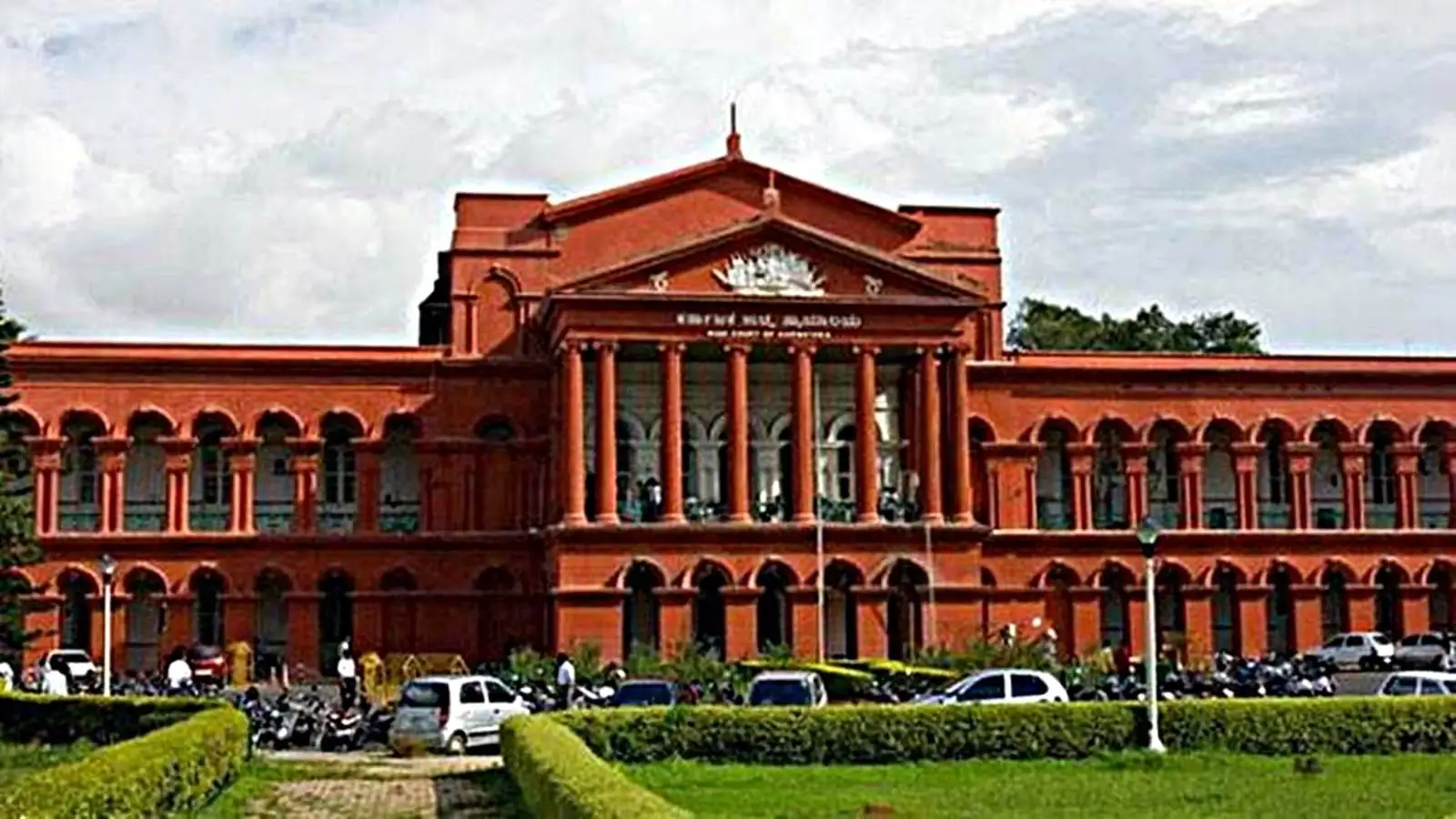
The Karnataka High Court Tuesday refused to cancel a 2017 criminal case against former minister Chowda Reddy and former Chintamani town municipality commissioner B H Narayanappa, both accused of illegally usurping government land. Coming down heavily on the accused, the court observed that land grabbing by those wielding political power erodes public faith in governance itself.In his order dated July 7, Justice M Nagaprasanna noted that when custodians of public trust become beneficiaries of alleged public wrongs, the court cannot permit an investigation to be throttled at its inception.“To interdict investigation at this stage would amount to shutting the door on truth before it has even entered the room,” the bench observed. Chowda Reddy, 80, and Narayanappa had approached the High Court seeking the cancellation of an FIR registered by the erstwhile Anti-Corruption Bureau (ACB) in 2017. The FIR stemmed from a 2016 complaint filed by R Venkataramana, a former councillor of the Chintamani Municipal Corporation. The bench in the order also questioned why Congress MLA and former higher education minister M C Sudhakar and his brother M C Balaji, who were direct beneficiaries of the alleged land grab, were not arrayed as accused in the case. The bench said, “Though the material prima facie discloses that M C Balaji and M C Sudhakar were direct beneficiaries, both stand conspicuously absent from the array of accused. How beneficiaries of allegedly grabbed government land remain outside the dragnet of crime is a matter that raises serious concern.” The alleged land grab In 1965–66, land measuring 1 acre 19 guntas in Survey No. 11 of Kannampalli Village, Chintamani Taluk, was classified in the Record of Rights as Hullu Banni Kharab (government grazing/wasteland). Revenue entries from September 29, 2021, through 2026 continue to reflect this exact classification.Story continues below this ad However, after Chowda Reddy was elected to the Legislative Assembly in 1989, his sons initiated land conversion proceedings for neighbouring agricultural plots for residential use. Subsequently, a family partition deed was drawn up in which M.C. Balaji and M C Sudhakar (the sitting legislator) each received 7 residential sites carved out of Survey No. 11, the government-owned land. Slamming the move, the court said, “Government land appears to have been treated as though it was ancestral property, partitioned inter se amongst family members, and dealt with as a commodity of private ownership. What could not legally be owned appears to have been privately divided; what could never be alienated appears to have been bartered within the family.” The beneficiaries then sold these illegally carved-out plots, thereby creating third-party rights. The scam unravelled in 2014 when a local councillor formally asked the Tahsildar if Survey No. 11 had ever been legally allotted to any institution. The alleged land grab came to light in 2014, when a councillor sought information from the Tahsildar on whether Survey No. 11 had ever been allotted to any Government institution. Story continues below this ad Media attention, public scrutiny Once the Tahsildar confirmed the land belonged strictly to the state, the issue sparked heavy media and public scrutiny. Initially, Chowda Reddy submitted a representation to the Deputy Commissioner stating that if he or his family had encroached upon the land, it would be returned to the state. The bench noted that this admission meant the encroachment stood virtually acknowledged. However, there was nothing left to restore because the land had already been sub-divided, sold off, and absorbed into private hands. Following inspections by the Tahsildar and the Deputy Director of Land Records, the assistant commissioner was ordered to remove the illegal layouts. When the Tahsildar issued an eviction notice to Chowda Reddy and his sons, the family dramatically shifted their legal stance, claiming they were now in “adverse posses
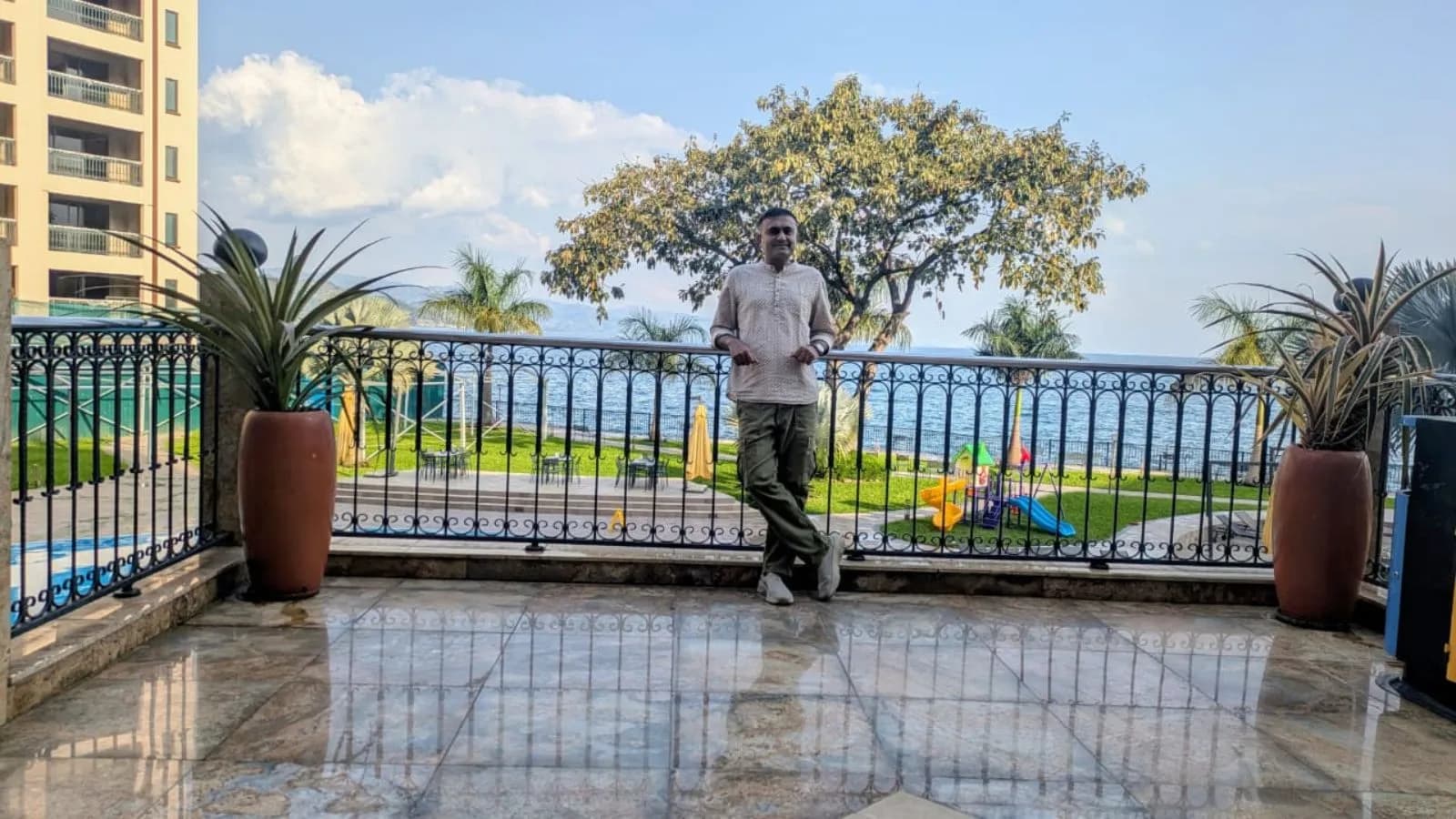
When he boarded the flight to Rwanda on May 15, Amin Sama, a professor of English literature at a college in Bhuj, was looking forward to his first trip abroad and a two-week vacation with his childhood friend, who had been settled in the Democratic Republic of Congo for two decades.What followed was nothing short of a nightmare. The 36-year-old assistant professor from Bhuj’s Ramji Ravji Lalan College was stranded in Goma city, the capital of North Kivu province in Congo, after the borders were sealed following the Ebola outbreak.From an itinerary that would begin with Zanzibar island – historically known as the first port of call for Gujarati traders of yore who sailed on ancient sea routes – to Mount Kilimanjaro, Tanzania, and the Maasai Mara safari in Kenya, Sama and his friend could only manage a bit of sightseeing in Rwanda on May 16. On May 17, they got the news that the borders had closed. Ebola had struck Congo, which had to be isolated. The professor thought the closure would not last more than a week, but two weeks passed, then three, and there was still no sign of relief. For a month, Sama was stranded in a city that had already lost some of its “vibrant nightlife” after it was taken over by the Rwandan-backed rebel group, the March 23 Movement (M23), exacerbated by the Ebola virus outbreak. And Sama, an avid biker who has taken adventure trips to Ladakh, was so anxious to return home as college had also reopened, that he could not concentrate on anything else. “I had taken along the travelogue, ‘With Cyclists Around the World’, but could barely read a few pages,” he told this paper. ‘Sight of the militia’ “There were militia everywhere on the road, carrying weapons and seated on armed pickup trucks. For the most part, normal civilians are not stopped and harassed. But there is certainly a sense of tension and unease in the air of Goma city,” said Sama.Story continues below this ad After the M23 took over some parts of the country, at least five Indian acquaintances of his friend moved out of Goma. “My friend, who has settled there since 2006-07 and owns two multi-cuisine restaurants in the city, told me he never thought of leaving Congo but saw many of his Indian friends leaving due to the unstable situation,” Sama further said. People gave Sama the impression that civilians had nothing to worry about, except for the Ebola outbreak, though there was no “lockdown”. “We would ride through the city late at night after my friend closed his restaurant for the day, and it was still safe. But people told me the city earlier had a vibrant nightlife. Business has halved because many people have moved out, and foreigners here now mostly include international volunteers from the UN agencies, Red Cross, and other organisations.” Goma city lies on the eastern edge of the DR Congo side of the border, opposite Gisenyi city of Rwanda, bordered by Lake Kivu to the south. It has been among the areas controlled by the rebel militia group M23 since early 2025 and is administered by the Congo River Alliance, known by its French name Alliance Fleuve Congo (AFC), along with M23. The US imposed economic sanctions on these groups in July 2024. Before the Ebola outbreak, the border between the countries was busy, Sama said, with several taxis and transportation vehicles parked at the checkpoints, especially on the Goma side, as many from Gisenya come here to work.Story continues below this ad “It is a twin-city type of situation, leading to a lot of commuting between the urban centres. Locals told me that the border closure has impacted this system.” Uncle to the rescue Desperate to get out, Sama met immigration officials who had no idea when the borders would open. The first thing he did was to cancel his return ticket on May 31 to India. “I contacted the Indian High Commission in Kigali, Rwanda, and then the Embassy in Kinshasa, DR Congo, but to no avail.” Finally, an uncle who works as a translator in the Gujarat assembly met Deputy Chi
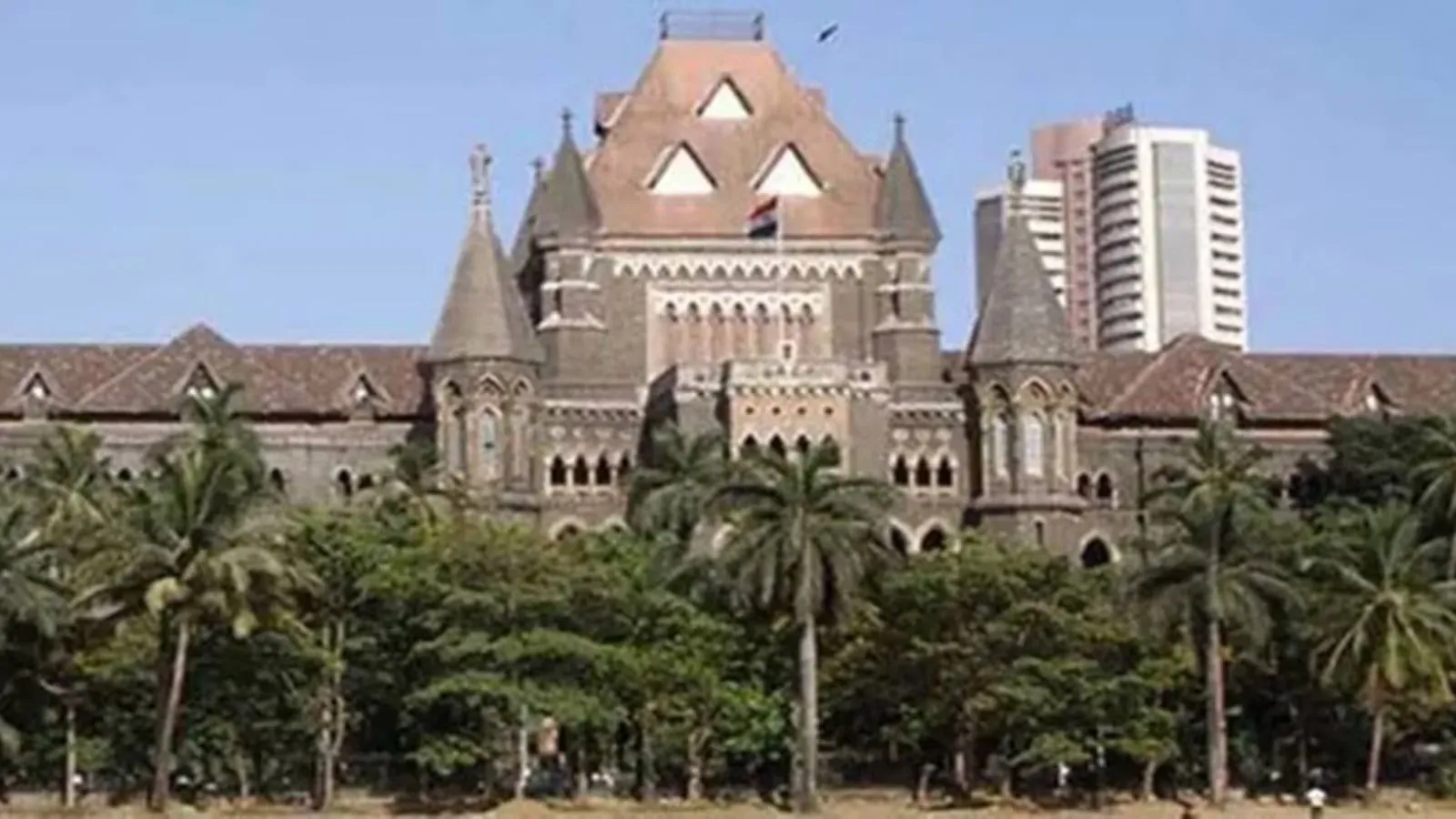
The state claimed that the Wada police officers could have personally given the complaints to the petitioners or called them again, however, there was no intention to not provide the copies. Observing that the state government should ensure citizens are “comfortable to walk into a police station” and “not shiver” due to uncertainty, the Bombay High Court rejected the Maharashtra Police’s plea seeking recall of the order that imposed a cost of Rs 25,000 on a Palghar police officer for refusing to provide copies of the complaint or FIR to the accused persons. The HC also remarked that while the police officers act “innocent” and “cooperative” before the court, they “behave like lords in police stations”. A division bench of Acting Chief Justice (ACJ) Ravindra V Ghuge and Justice Gautam A Ankhad had on June 25, while imposing a cost on the police officer, observed that such petitions continue to reach the court because officers fail to comply with settled legal requirements, compelling petitioners to spend on litigation.The petitioners, accused in economic offence cases, told the HC through advocates Manuj Borkar and Prasad Borkar that despite receiving Economic Offences Wing (EOW) complaint copies “after strenuous efforts”, Wada police station refused complaint copies in separate offence, allegedly calling it “time killing”. On Friday, Additional Public Prosecutor Mankunwar Deshmukh for the police “made a valiant attempt to convince the court” that the concerned senior PI from Wada police station was not guilty of not providing the copies of the complaints to the petitioners. The state lawyer further claimed that the petitioners were requested to collect complaint copies from the police station in May this year, but the petitioners did not collect them. Deshmukh stated that the Crime Branch investigating the same issue had given copies of the complaints to the petitioners, the contents of which were similar. The state claimed that the Wada police officers could have personally given the complaints to the petitioners or called them again, however, there was no intention to not provide the copies. “Your officers become so innocent in the court hall but outside the court hall in their police station they are lords. All your officers in our court suddenly become so cooperative. Why the petitioners were compelled to come to the HC? People shiver when they come to your police station. In fact the police station should be such that any citizen should be comfortable to walk in. They shiver when they walk in because they do not know what is going to happen inside,” ACJ Ghuge orally remarked.Story continues below this ad The bench examined records and observed that the complaints were lodged with Senior PI Dattatray Kindre, who had issued notice to the petitioners and they had repeatedly requested him to provide copies to respond to the inquiry. Rejecting the state’s plea, the HC noted, “It is the same officer who did not supply the copies. After this court passed an order on June 25, the copies of the complaints were served upon the petitioners on their email address by the same officer. In view of the above, we do not find any error in our order.” © The Indian Express Pvt Ltd Omkar Gokhale is a journalist reporting for The Indian Express from Mumbai. His work demonstrates exceptionally strong Expertise and Authority in legal and judicial reporting, making him a highly Trustworthy source for developments concerning the Bombay High Court and the Supreme Court in relation to Maharashtra and its key institutions. Expertise & Authority Affiliation: Reports for The Indian Express, a national newspaper known for its rigorous journalistic standards, lending significant Trustworthiness to his legal coverage. Core Authority & Specialization: Omkar Gokhale's work is almost exclusively dedicated to the complex field of legal affairs and jurisprudence, specializing in: Bombay High Court Coverage: He p
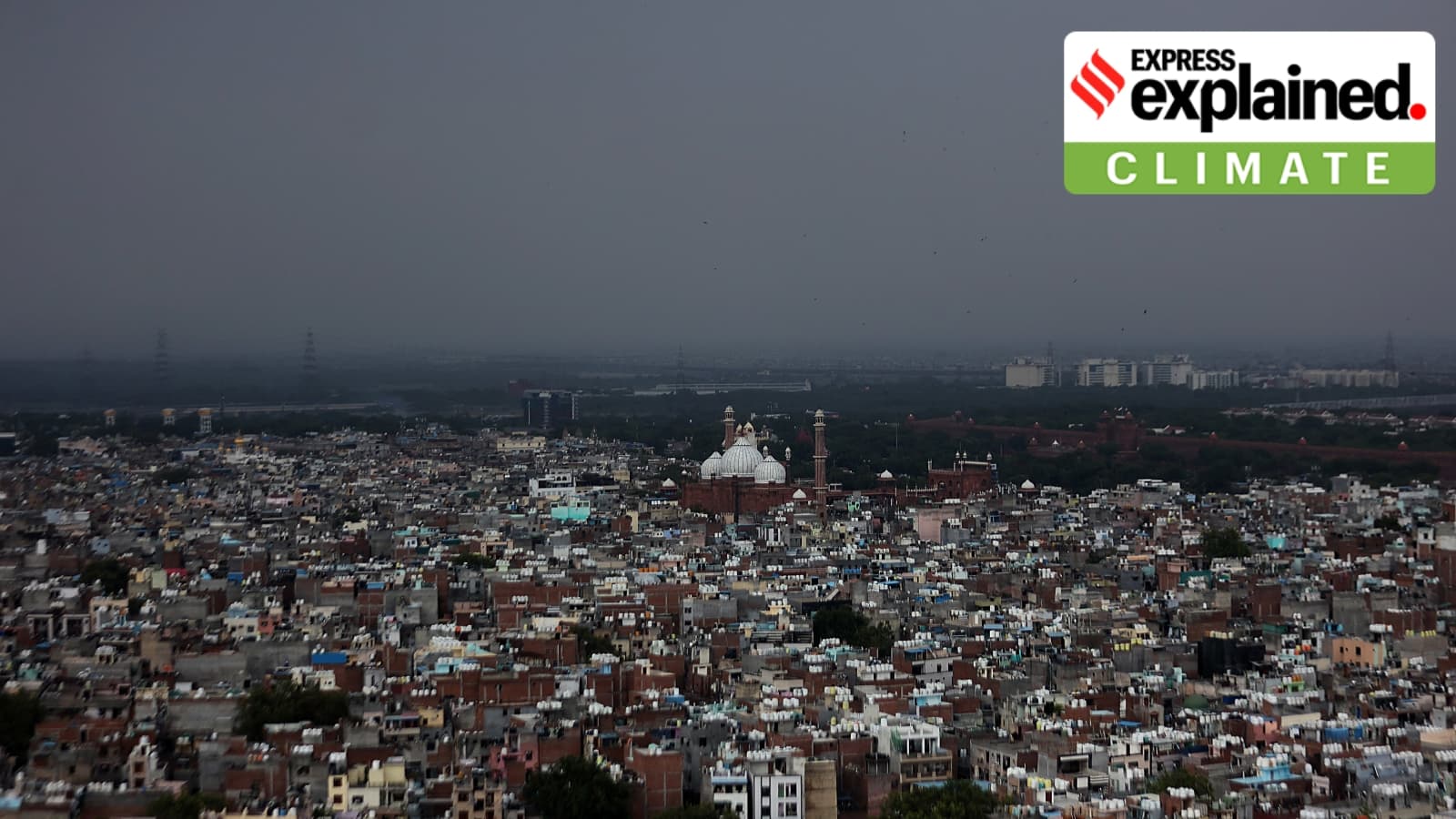
New DelhiJul 3, 2026 02:54 PM IST A dark sky engulfs the Old Delhi landscape. Photo: Tashi TobgyalWritten by Abhishek NairDelhi finally saw the southwest monsoon arrive Thursday (July 2), five days later than its normal onset date of June 27. The India Meteorological Department (IMD) announced that besides the national capital, monsoon has advanced across most parts of Haryana and Punjab, remaining parts of Uttar Pradesh, and additional areas of Rajasthan, Madhya Pradesh, and Gujarat. This year, India’s monsoon season opened in June with a rainfall shortfall of roughly 40% against the nationwide long-period average. Central, eastern, and north-eastern states were the worst hit, with over three-quarters of districts in these regions reporting deficient or no rain. This steep rainfall deficit has evoked concerns, particularly with strengthening El Niño conditions. But meteorologists said that a lesser-known natural phenomenon, called the Indian Ocean Dipole (IOD), could still offer relief later in the season. How? We explain. Existing El Niño conditions According to IMD’s regional bulletin issued by the Thiruvananthapuram Meteorological Centre on June 26, El Niño conditions are already present over the equatorial Pacific Ocean and are expected to strengthen further as the monsoon season progresses. El Niño refers to the natural climate phenomenon which sees the central and eastern Pacific Ocean turn warmer than usual. This shifts massive amounts of heat into the atmosphere and disrupts global weather systems, which also leads to weaker monsoon rainfall over India. The same update reported that El Niño was already underway in the Pacific. The Niño3.4 index — used to monitor and define El Niño and La Niña events by measuring anomalies in sea surface temperatures — said that temperatures were already well above the threshold used to define El Niño, and that it was continuing to warm.Story continues below this ad The same bulletin also tracked the Madden-Julian Oscillation (MJO): a travelling “pulse” (single, isolated disturbance) of rain-bearing clouds and wind that moves eastwards around the tropics, roughly every 30 to 60 days, strengthening or suppressing rainfall depending on where it sits at a given time. The MJO’s movement is monitored in eight geographical phases: Phases 1 and 8 refer to the Western Hemisphere and Africa, Phases 2 and 3 to the Indian Ocean, Phases 4 and 5 to Indonesia and the eastern Indian Ocean, and Phases 6 and 7 to the Western and Central Pacific Ocean. As of June 26, the MJO was in Phase 5 and was forecast to move into Phases 6 and 7 over the following two weeks. Can IOD offset El Niño’s impact? The IOD is an ocean-atmosphere interaction confined to the Indian Ocean, playing out between the Indonesian and Malaysian coastline in the east and the African coastline near Somalia in the west. This phenomenon oscillates between three phases: positive, negative, and neutral. In a positive IOD, the western Indian Ocean warms relative to the east, pushing moisture-laden winds towards east Africa and the Indian subcontinent and boosting rainfall in those regions, while bringing drought-like conditions to Indonesia and Australia.Story continues below this ad A negative IOD reverses this pattern, cooling the west and warming the east. In a neutral IOD, there is no significant difference between the eastern and western sides and thus, no specialised impact on regional climatic conditions. A strong positive IOD helped offset El Niño’s impact on the monsoon in 1997. In 2019, a late developing but powerful IOD event compensated for a roughly 30% June rainfall deficit that year — a weak El Niño was also partly to blame. A June 27 update by Australia’s Bureau of Meteorology described the IOD as currently neutral, with a positive IOD likely during the southern hemisphere’s winter-spring period (June to November). The update also noted that forecasts vary considerably on both when this might occur and how stro
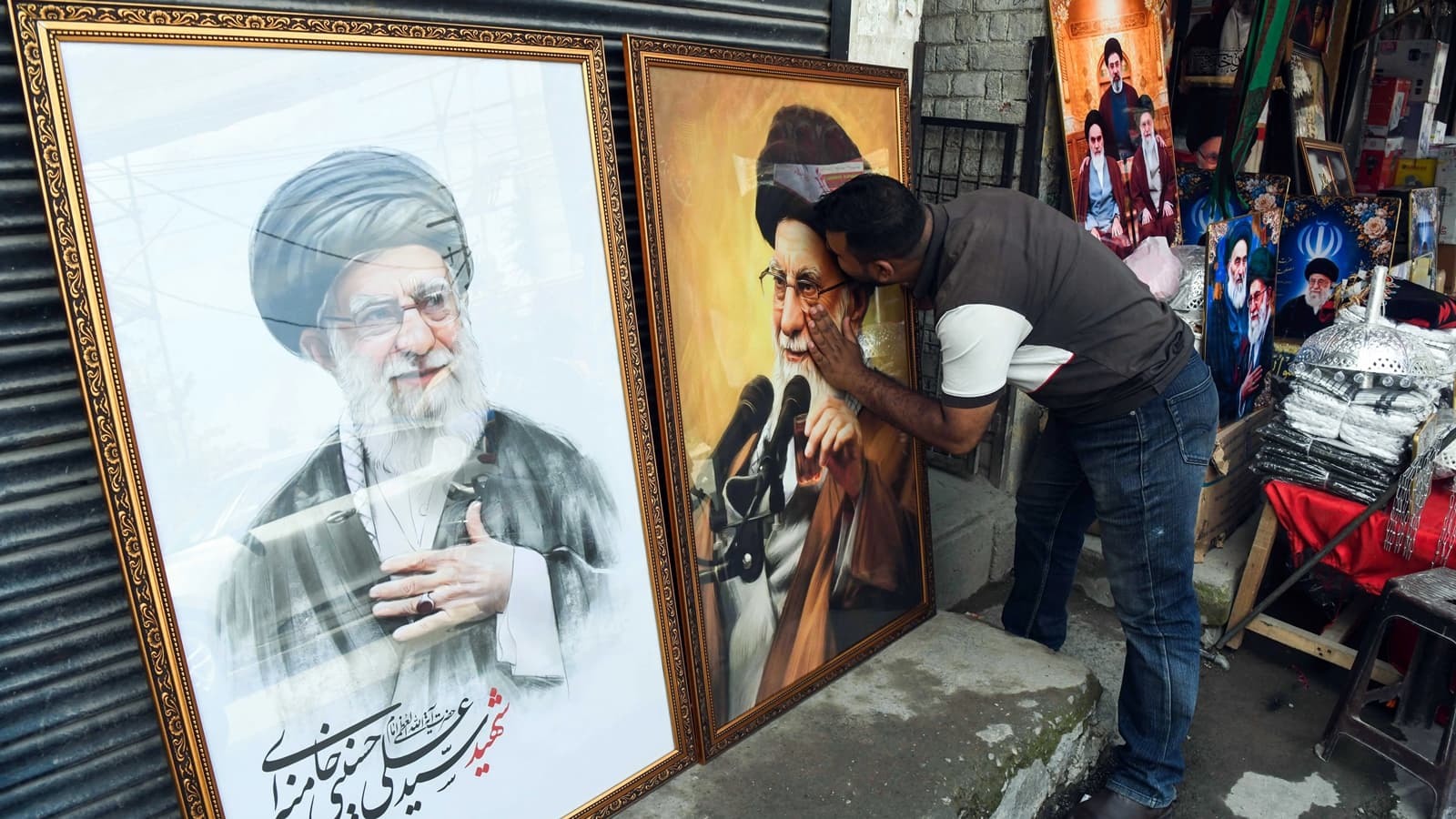
A Shia Muslim man kisses the portrait of Iran's late Supreme Leader Ayatollah Ali Khamenei, displayed for sale at a market in Srinagar. (ANI Photo/File) Prominent Shia leader and Hurriyat Conference executive member Aga Syed Hassan Musavi was stopped from boarding a flight to Iran on Thursday by officials in New Delhi, his son claimed. Aga Hassan had been invited to Tehran to attend the funeral of slain Iranian Supreme Leader Ayatollah Ali Khamenei.“He (Aga Hassan) was stopped by immigration officials in Delhi. They told him that he would be allowed to go only on the condition that he does not say anything against India’s official stance or talks about the arrests made in Kashmir,” Hassan’s son Aga Muntazir Mehdi, a PDP MLA, told The Indian Express. “He told them that he was going only to attend the funeral and that he was not going to deliver a speech. However, he refused to agree to their condition,” Muntazir claimed. Muntazir further claimed that immigration officials then seized Hassan’s passport and sent a seizure memo to the Regional Passport Officer (RPO) in Srinagar. The seizure memo, issued by Ajay Singh of the Bureau of Immigration at Indira Gandhi International Airport, said, “The passport/Travel document… issued at Srinagar in the name of Aga Syed Hassan Mosvi is seized and sent to RPO Srinagar for necessary action…” Hassan was one of five leaders from Jammu and Kashmir invited to Tehran to attend the funeral of the Ayatollah Khamenei. The others were prominent Shia leader and MP Aga Ruhullah Mehdi, Shia leaders Imran Ansari and Syed Hadi, and former chief minister and People’s Democratic Party (PDP) president Mehbooba Mufti. Mufti was the only non-Shia leader from J&K invited for the funeral.Story continues below this ad Mufti and Ansari were allowed to board the special plane sent by the Iranian government to take invited guests from India to Tehran. Syed Hadi has not yet made the journey. Hassan’s son, Muntazir, is a PDP legislator and represents the Budgam Assembly constituency that he won during the bypolls. Hassan has been an executive member of the moderate Hurriyat Conference led by Mirwaiz Umar Farooq. © The Indian Express Pvt Ltd Bashaarat Masood is a Special Correspondent with The Indian Express. He has been covering Jammu and Kashmir, especially the conflict-ridden Kashmir valley, for two decades. Bashaarat joined The Indian Express after completing his Masters in Mass Communication and Journalism from the University in Kashmir. He has been writing on politics, conflict and development. Bashaarat was awarded with the Ramnath Goenka Excellence in Journalism Awards in 2012 for his stories on the Pathribal fake encounter. Expertise and Experience Two Decades of Frontline Reporting: Bashaarat has spent 20 years documenting the evolution of Kashmir, from high-intensity conflict and political shifts to socio-economic development. Award-Winning Investigative Journalism: He is a recipient of the prestigious Ramnath Goenka Excellence in Journalism Award (2012). This honor was bestowed for his reporting on the Pathribal fake encounter, a series of stories that highlighted his ability to handle sensitive human rights and security issues with investigative rigor. Specialized Beats: His authoritative coverage spans: Political Transitions: Tracking the shift from statehood to Union Territory, electoral dynamics, and the pulse of local governance. Security & Conflict: Providing nuanced reporting on counter-insurgency, civil liberties, and the impact of the conflict on the civilian population. Development: Documenting the infrastructure, healthcare, and educational landscape within the Valley. Academic Background: He holds a Masters in Mass Communication and Journalism from the University of Kashmir, providing him with a localized academic and professional foundation that is rare in regional reporting. ... Read More Tags: Ayatollah Ali Khamenei Iran
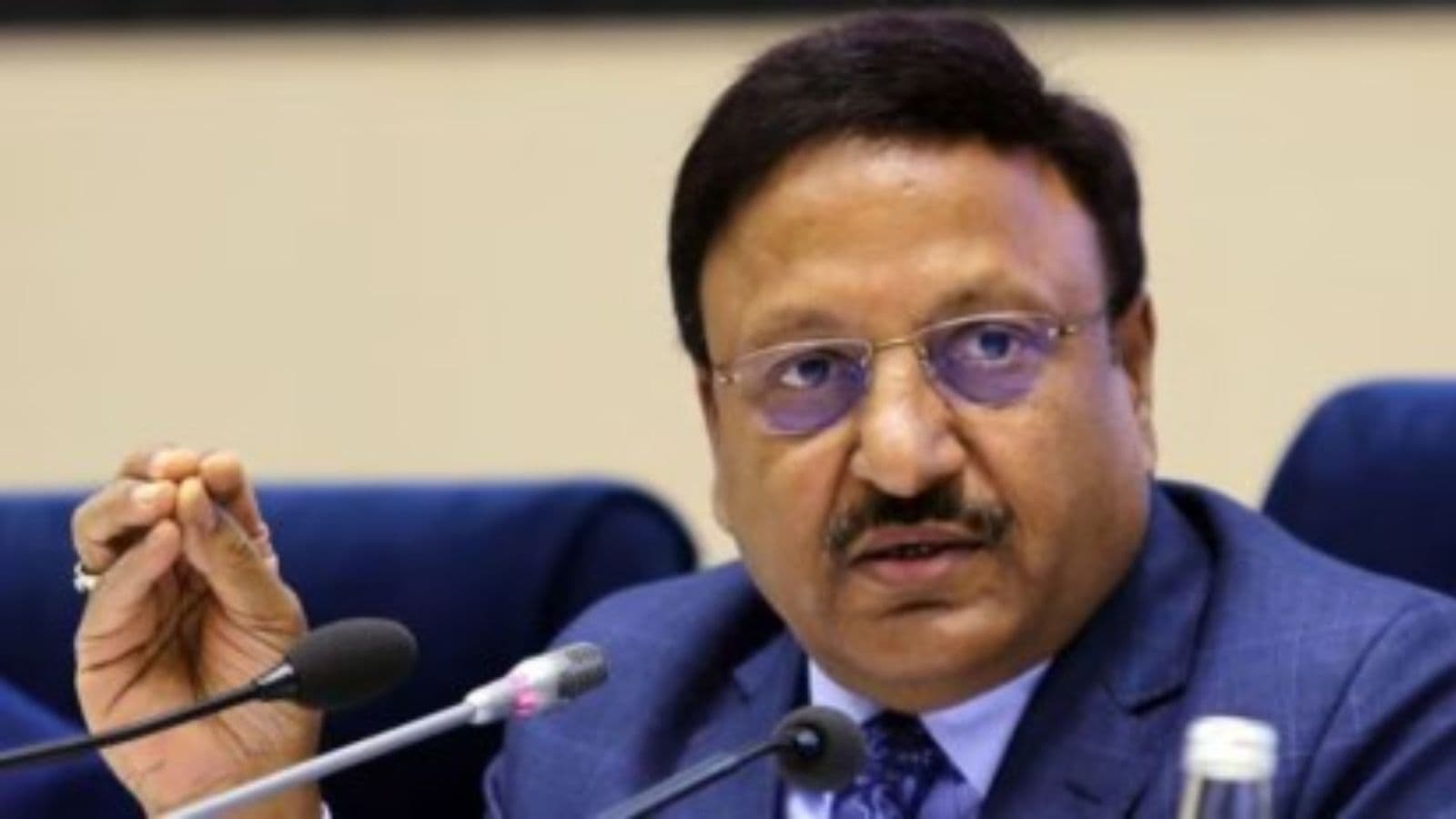
The board of HDFC Bank has approved the appointment of former Chief Election Commissioner of India Rajiv Kumar as part-time Chairman for a period of three years, effective from the date as approved by the Reserve Bank of India (RBI). Kumar, 66, a 1984-batch ex-IAS officer and former Finance Secretary of India in February 2020, has also been appointed as Additional Director (Independent) of the bank for a period of four years effective June 30, 2026, the bank said in an exchange filing.His appointment has come more than three months after former part-time chairman Atanu Chakraborty resigned with immediate effect on March 18, saying that “certain happenings and practices within the bank are not in congruence with my personal values and ethics”. Giving a “clean chit” to the bank, the law firms — Wilson Sonsini Goodrich & Rosati, PC and Wadia Ghandy & Co — said the contemporaneous evidence reviewed was inconsistent with Chakraborty’s statement, and law firms’ review did not identify any basis for the statement. The bank has been on the search for a new chairman after Chakraborty resigned citing certain “happenings and practices”. Meanwhile, Sashidhar Jagdishan’s current tenure as Managing Director (RBI) and CEO of HDFC Bank is scheduled to end on October 26, 2026. He served in the role from October 27, 2020. His current three-year term (October 27, 2023, to October 26, 2026) was approved by the RBI in 2023. The board is expected to recommend Jagdishan for a third term as MD and CEO, subject to RBI approval. The reappointment process, which has been on hold pending the external legal review, is likely to happen as the law firms had submitted the report, exonerating the bank. Decisive policy, execution; headed key bodies Kumar also briefly served as chairman of Public Enterprises Selection Board (PESB). As secretary, Department of Financial Services (DFS) from 2017 to 2020, he assumed charge when public sector banks were facing high levels of unrecognised non-performing assets (NPAs), capital inadequacy, lenders frozen out of fresh credit, rampant gold plating, diversion and recirculation of equity and debt to leverage fresh credit. The sector also faced governance challenges including large consortiums, NBFCs struggling to fill microcredit gaps post-demonetisation, and Ponzi schemes defrauding citizens. Within a fortnight of him joining the DFS, accounts of about 3.38 lakh shell firms were frozen. It was followed by curbs on Ponzi schemes through the passage of the Banning of Unregulated Deposit Schemes Act, 2019. Through decisive policy direction and execution, he led the clean-up of public sector bank balance sheets by mandating transparent recognition and provisioning of NPAs, and strengthening borrower accountability under the Insolvency and Bankruptcy Code framework.Story continues below this ad He headed most key bodies shaping the country’s financial architecture, ranging from the Central Board of Reserve Bank, the Financial Stability and Development Council, the Financial Sector Regulatory Appointments Search Committee, Secretary of the Appointment Committee of the Cabinet, the Public Enterprises Selection Board, the Bank Board Bureau, to the boards of SBI and NABARD. He was also part of an expert committee on the central bank’s economic capital framework, and a committee on NITI Aayog’s restructuring. Clean banking initiatives, PSD recapitalisation Kumar implemented initiatives to clean up the banking sector — with decisive action against illicit financial practices, strengthening regulatory oversight of cooperative banks, and enforcing accountability in high-profile default cases. For loans of Rs 50 crore and above, passport details were made mandatory to prevent large borrowers from fleeing before action could be taken. Fraud checks, specialised monitoring above Rs 250 crore, and IT-based risk scoring on 34-plus factors replaced soft signals with loose controls, inbuilt in lendi
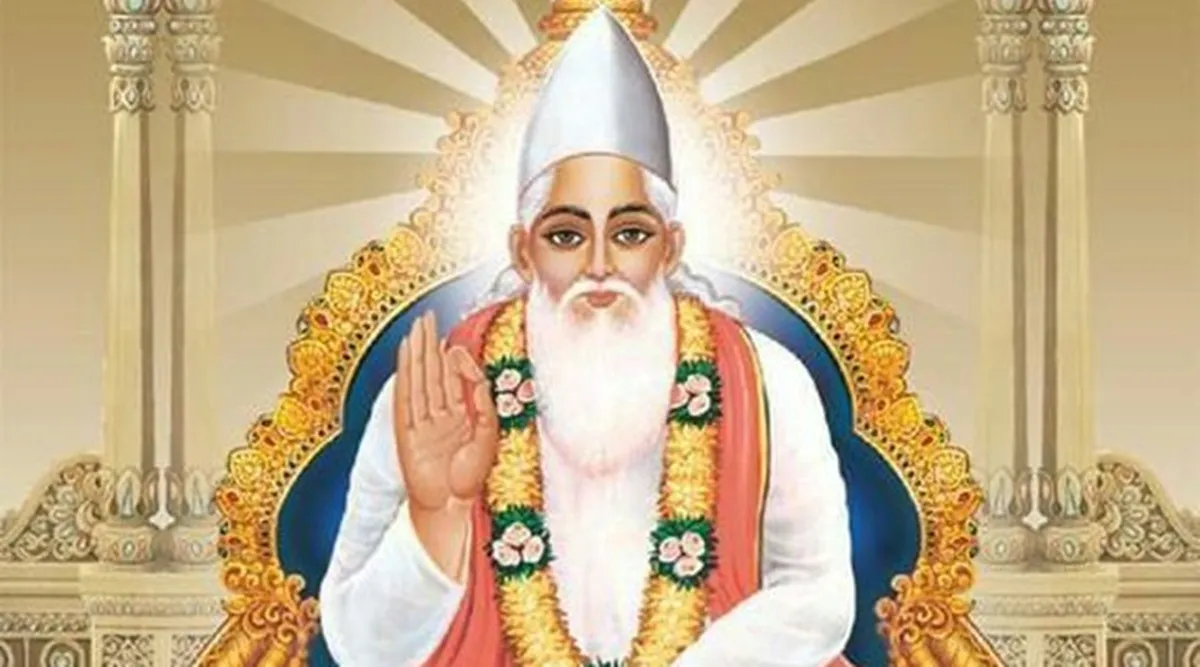
For Kabir, anyone could engage with the deep mysteries of existence while earning an honest living. (Photo: Wikimedia Commons) Recently, there has been a renewed interest in Indian Knowledge Systems (IKS), not only in India but around the world. When one talks of IKS, one immediately thinks of classical Sanskrit texts and elite academies. There is no denying the value of these traditions, but our understanding of IKS should also include literature from people at the periphery. Otherwise, we miss the chance to understand the empirical and far more people-centric, democratic branch of Indian philosophy, which was engineered not by academic elites but by a 15th-century working-class weaver from Varanasi in today’s Uttar Pradesh, named Kabirdas. Sant Kabir, as he is called, is a towering force in India’s intellectual history. In his compositions, we see attempts to pull philosophy down from the remote heights to make it more accessible. Kabir fused absolute non-dualism with the practicality of ancient yoga. A fierce critic of social gatekeeping, he foregrounded the need for social democracy. Through his nirguna bhakti, he democratised the search for truth. His life and work are the ultimate proof of how IKS can be applied in everyday life.Kabir’s contribution to Indian thought and knowledge systems was his approach to pramana — the classical philosophical concept of valid evidence and authority. Since ancient times, orthodoxy clung tightly to shabda pramana, a framework that treats scriptural authority and mastery of these texts as the only legitimate gateway to the truth. For most people, access to this vast repertoire of knowledge was blocked. Kabir broke the barrier by replacing scriptural compliance with anubhuti — direct, living experience, making use of the senses. Kabir captured this by asserting that while others spoke of what was written down in books, he spoke only of what his own eyes had witnessed in his day-to-day life. This marked a tectonic shift in how knowledge was perceived and understood. For Kabir, knowledge was truth. It was not an inheritance one derives at birth, nor something to be memorised or restricted to specific ghettos. It was a reality to be actively tested, experienced, lived, and made accessible to all. He treated his workshop as a laboratory for understanding the cosmos. Kabir’s empirical, human-centric approach paves the way for decoding IKS. Historian Purushottam Agrawal demonstrates in his pathbreaking work, Akath Kahani Prem Ki, that viewing Kabir as a marginal, reactionary dissenter is a huge disservice to him. He argues that in Kabir, the “weaver” represents a confluence of robust “indigenous modernity” and “spiritual universalism”. For Agarwal, Kabir represents the voice of a dynamic, reflective public ethos. Hence, Kabir’s voice is unique in that he prioritises individual agency, placing morality over vapid institutional labels. This can be understood when Kabir weaves regional dialects like Braj Bhasha into his songs (shabads) and couplets (dohe). He uses these techniques to anchor and simplify complex metaphysics for the masses. One of Kabir’s most famous verses goes: “Jhini jhini bini chadariya, kahe kai tana kahe kai bharni, kaun tar se bini chadariya.(Finely, so finely is the cloth woven; what is the warp, what is the weft, and with what thread is the body woven?).” In these lines, he turns manual labour into a sacred act of cosmic inquiry. For Kabir, anyone could engage with the deep mysteries of existence while earning an honest living. One can see the confluence of two streams here: The absolute non-dualism (advaita) of the Upanishads and the practical, bodily training of the Nath Sampradaya and Hatha Yoga. Kabir stripped non-dualism of its purely abstract nature and turned it into a practical science grounded directly in the human body. His verses portray an internal spiritual anatomy. They awaken the kundalini, which balances the subtle breath channels and guides the central as
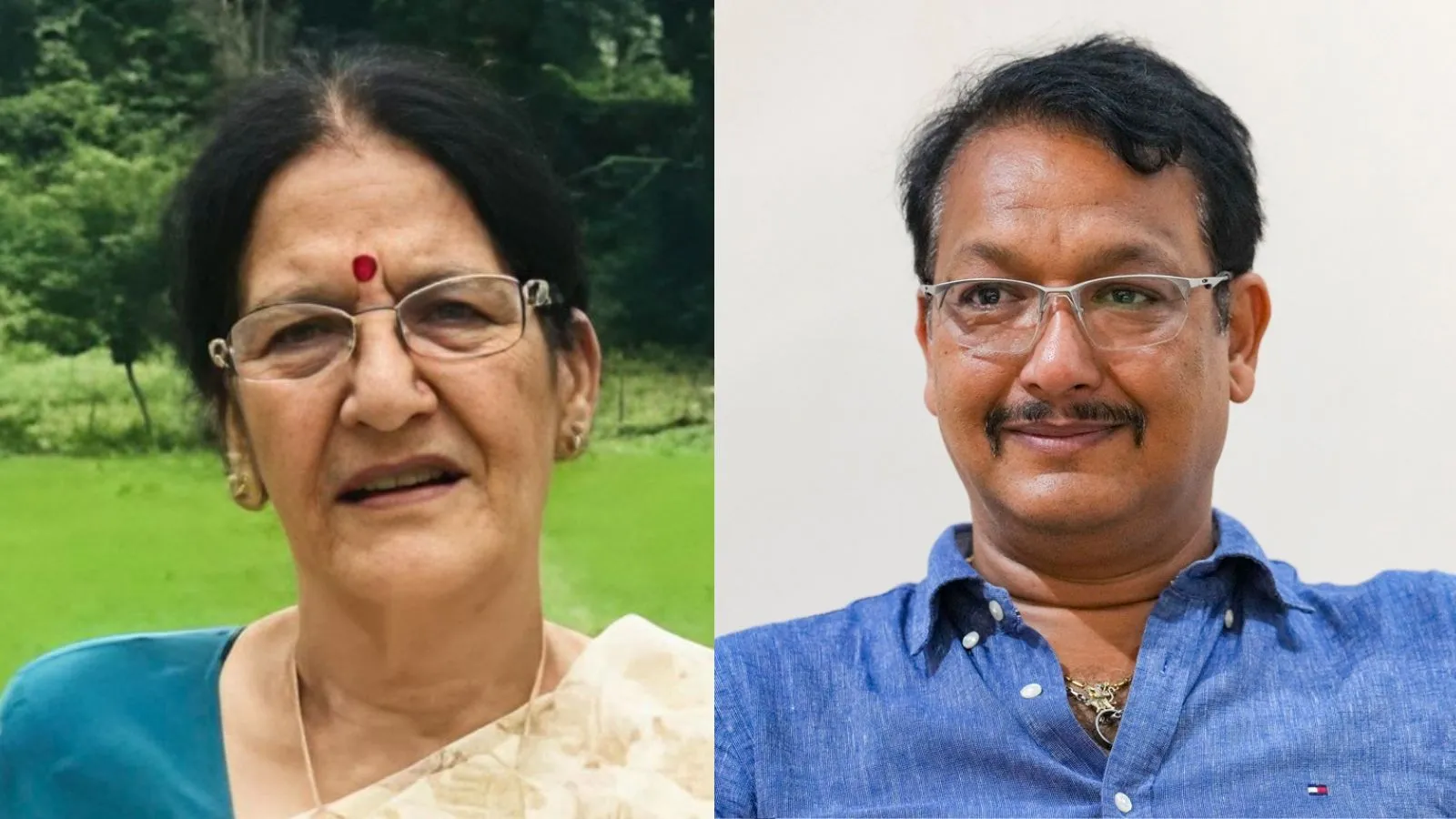
Shyama Devi had reportedly been battling multiple health issues and was admitted to hospital a few days after her son's death. (Photo: X/@pushkardhami)Barely over two weeks after Indian shooting legend Jaspal Rana’s death due to cardiac complications, his mother, Shyama Devi, died on Sunday following a prolonged illness and hospitalisation, PTI reported. The day also marked what would have been Rana’s 50th birthday. The back-to-back losses have dealt another blow to the Rana family. Uttarakhand Chief Minister Pushkar Singh Dhami expressed condolences, saying the death of Shyama Devi, wife of former minister Narayan Singh Rana and mother of the late Padma Shri awardee, was “extremely sorrowful”.“In this hour of grief, my deepest condolences are with the bereaved family. May the Lord grant a place at His divine feet to the departed soul and give strength to the family to bear this unbearable sorrow,” Dhami said in a post on X. श्री नारायण सिंह राणा जी की धर्मपत्नी एवं प्रसिद्ध भारतीय निशानेबाज, पद्मश्री स्व. जसपाल राणा जी की पूज्य माताजी के निधन का अत्यंत दुःखद समाचार प्राप्त हुआ। इस कठिन घड़ी में मेरी गहरी संवेदनाएं शोकाकुल परिजनों के साथ हैं। ईश्वर पुण्यात्मा को अपने श्रीचरणों में स्थान प्रदान करें… pic.twitter.com/KISVtyLqJL — Pushkar Singh Dhami (@pushkardhami) June 28, 2026 Shyama Devi had reportedly been battling multiple health issues and was admitted to hospital a few days after her son’s death. Jaspal Rana died on June 12 at the age of 49 after suffering cardiac complications. He had reportedly fallen ill while returning with the Indian contingent from the ISSF World Cup in Munich, Germany, and underwent an emergency procedure to clear a cardiac blockage after landing in New Delhi. He is survived by his wife Reena Rana, daughter Devanshi, son Yuvraj, father Narayan Singh Rana, sister Sushma Singh and brother Subhash Rana. One of India’s greatest pistol shooters, Rana later became a highly successful coach. He was serving as the high-performance coach of the Indian pistol shooting team and played a key role in guiding Manu Bhaker to her historic twin bronze medals at the Paris Olympics. His most celebrated achievement as a shooter came at the 2006 Doha Asian Games, where he won three gold medals and one silver, while also equalling the then world record, PTI reported.
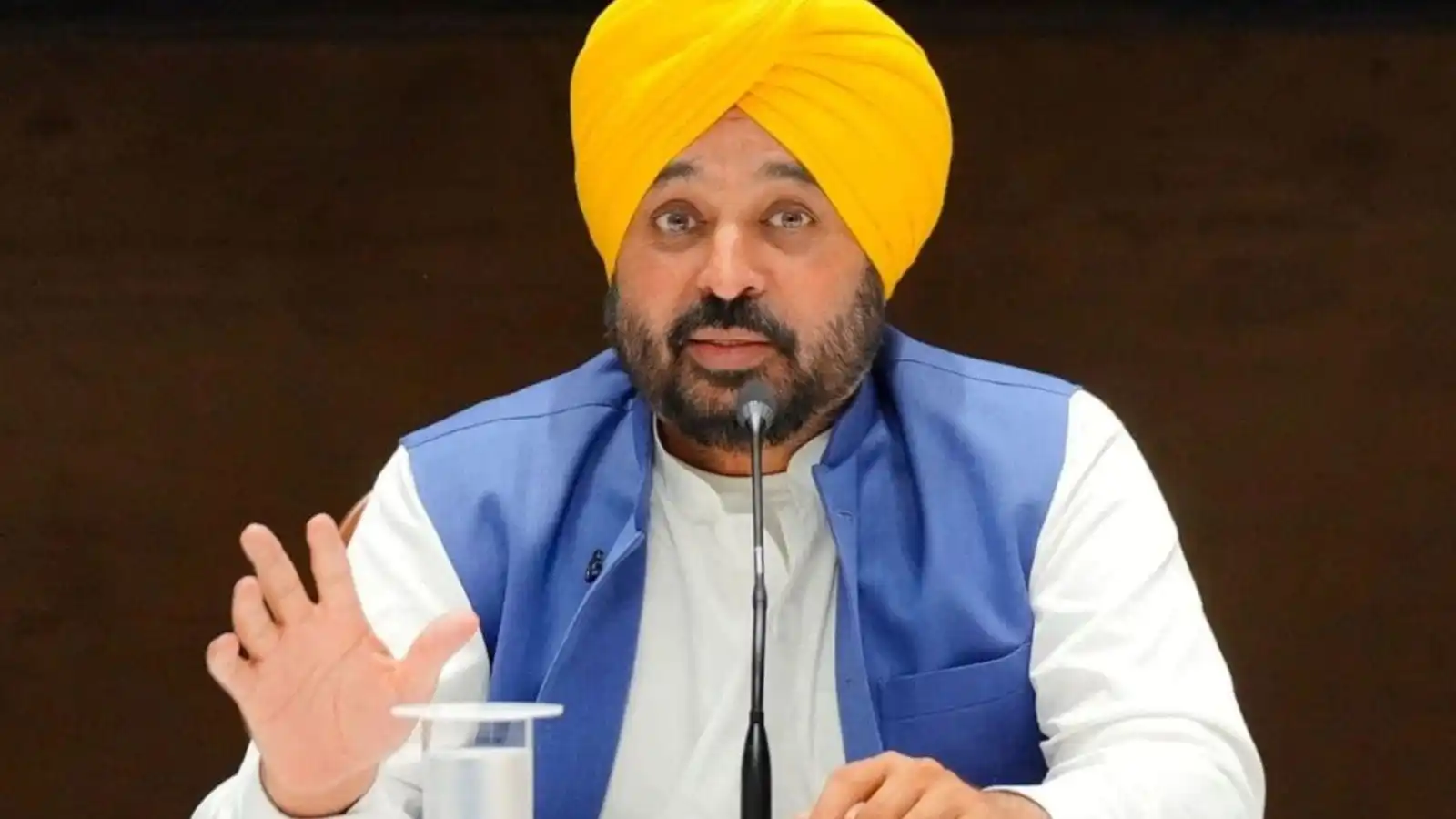
The chief minister said that his government’s focus remains on governance and development. (File Photo)Flanked by Aam Aadmi Party (AAP) convenor Arvind Kejriwal, Punjab CM Bhagwant Mann Sunday announced in Amritsar that party MLAs and ministers will appear before Sri Akal Takht Sahib Jathedar Giani Kuldeep Singh Gargaj on Monday in connection with the summoning over the anti-sacrilege act passed by the government earlier this year. “We consider the supremacy of Akal Takht Sahib to be paramount,” the CM said, adding that the party’s MLAs and ministers will submit their positions in writing at the Takht and will speak to the media after the Takht’s proceedings conclude.Facing a boycott call from the Akal Takht over an objectionable video allegedly featuring him, Mann also announced that he will send a fresh letter to the Jathedar stating that the person shown in the video is not him but someone wearing a silicone mask resembling him. “I cannot think of any confrontation with the Akal Takht. My status is not such that I can clash with it,” he added. Mann, however, questioned ‘selective’ action by religious bodies in past cases. “When boards against me were put up in front of Gurdwara Sahib by some, they said boards must display the Takht’s hukamnama; then why were there no boards installed against Sukhbir Badal?” he asked. “The BJP, the Congress, and the Akali have come together against me; they are trying to gain political advantage by giving this a religious colour,” said Mann. Claiming public support, Mann said he continues to meet people every day and is being honoured in front of gurdwaras where boards against him have been installed.Story continues below this ad “People themselves grab the microphone and say they are with me. The biggest authority in our religion is the sangat – the Nanak Naam Leva sangat. We will see what decision the sangat makes,” added Mann. The chief minister said that his government’s focus remains on governance and development. “We are working on water, power, roads, drains, flyovers, solar lights, hospitals, and schools; we are concentrating on positive work.” Kamaldeep Singh Brar is a Principal Correspondent at The Indian Express, primarily covering Amritsar and the Majha region of Punjab. He is one of the publication's key reporters for stories involving the Akal Takht, the Shiromani Gurdwara Parbandhak Committee (SGPC), and the sensitive socio-political issues of the border districts. Core Beats & Specializations Religious & Panthic Affairs: He has deep expertise in the internal workings of the Akal Takht and SGPC, frequently reporting on religious sentences (Tankhah), Panthic politics, and the influence of Sikh institutions. National Security & Crime: His reporting covers cross-border drug smuggling, drone activities from Pakistan, and the activities of radical groups. Regional Politics: He is the primary correspondent for the Majha belt, covering elections and political shifts in Amritsar, Tarn Taran, and Gurdaspur. Recent Notable Articles (Late 2025) His work in late 2025 has been centered on judicial developments, local body elections, and religious controversies: 1. Religious Politics & Akal Takht "Akal Takht pronounces religious sentences against former Jathedar Giani Gurbachan Singh" (Dec 8, 2025): Covering the historic decision to hold the former Jathedar guilty for granting a pardon to Dera Sacha Sauda chief Gurmeet Ram Rahim in 2015. "YouTube suspends SGPC’s channel for a week over video on 1984 Army action" (Nov 20, 2025): Reporting on the digital friction between global tech platforms and Sikh religious bodies. "As AAP govt grants Amritsar holy tag, a look at its fraught demand" (Nov 28, 2025): An analytical piece on the long-standing demand for declaring Amritsar a "holy city" and its political implications. 2. Crime & National Security "Mostly Khalistanis on Amritpal’s hit list: Punjab govt to High Court" (Dec 16, 2025): Repo
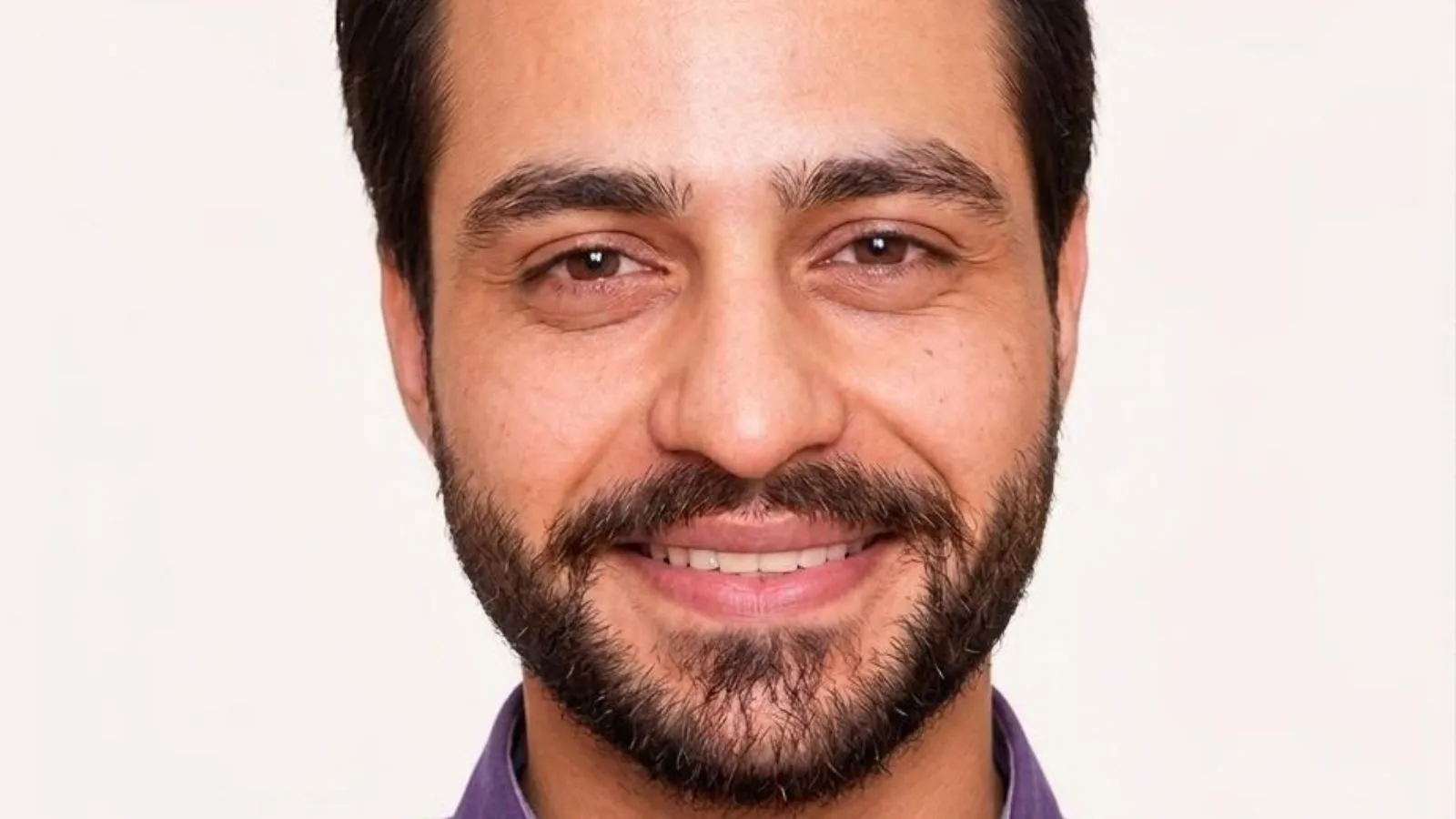
New DelhiJun 28, 2026 08:27 AM IST Sarthak Mattoo, 33-year-old , died after a speeding Thar rammed his motorcycle near Delhi's Rajokri flyover.Sarthak Mattoo, an employee of an event management company and a resident of Gurgaon’s DLF phase 4, would have turned 34 on Saturday. But his family – still unable to cope with the news of his death — has to now learn to deal with his absence. On Thursday, around 6:30 pm, he was returning home on his motorcycle when a speeding Thar allegedly hit him from behind near Rajokri flyover in Delhi.As per the FIR, the bike — due to the impact of the collision – fell on the right side of the flyover. Identified as Apurv Singh (30), the SUV driver was arrested on Saturday, said officers. DCP Amit Goel said, “A police team rushed to the spot after the accident while a medico-legal case was later received from the Indian Spinal Injuries Centre in Vasant Kunj, informing that the injured man had been brought to the hospital but was declared brought dead by doctors.” During the probe, investigators identified the vehicle involved in the accident as a Mahindra Thar registered in the name of a Bengaluru-based private company. Police found that the vehicle had been leased to Sagar Saha (29), who hails from Bihar, and is employed with the company and currently posted in Bengaluru. Saha, during questioning, told police that the SUV was being driven at the time of the accident by his friend, Apurv Singh (30), a resident of Ghazipur in Uttar Pradesh, who is employed with a private company. Sagar claimed he was travelling in the passenger seat when the collision took place, police said.Story continues below this ad The Mahindra Thar has been seized as part of the investigation. Police have apprehended Apurv Singh, and his medical examination was conducted at Safdarjung Hospital. Speaking with The Indian Express, Sarthak’s father, Surender Mattoo (66), a former logistics professional, said they only want justice now. “My son was working at an event management company in Gurgaon but had left for Noida for some work. I found the number of the DCP from the website and he was kind enough to arrange a meeting today. I asked about the delay in conducting the blood alcohol tests of the driver (45 hours late)… he said specialised tests still exist to test for presence of trade amounts.” He added, “I was told the two accused are educated professionals, working with MNCs. They should have at least helped my son and taken him to the hospital instead of running away. That could have saved his life.” Sarthak, who had pursued a master’s degree from London, would have turned 34 Saturday. For the 66-year-old father, one memory has become impossible to shake off — the expensive helmet he had bought for Sarthak and the promise he had extracted from him. “I got him a very expensive helmet and made him promise that he would always wear it so he remained safe. He was wearing the helmet, yet it couldn’t save him.”
Discussion (0)