
Loading dispatches...
← Return to NewsroomPolitics
Ram temple donations embezzlement case: A timeline of events
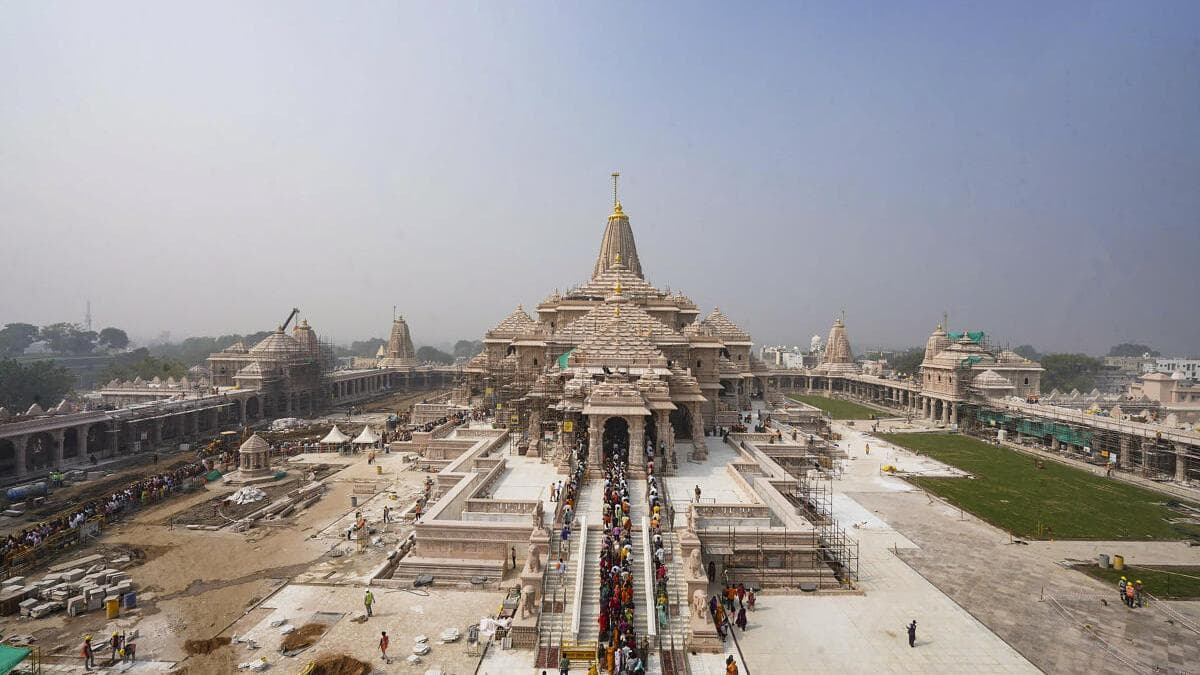
A view of the Ram temple in Ayodhya. In early June, Samajwadi Party chief Akilesh Yadav brought attention to reports about alleged embezzlement of devotee donations given to the Ram temple in Ayodhya, Uttar Pradesh. The amounts that were alleged to have been embezzled ran into crores. A Special Investigative Team constituted by the Uttar Pradesh government later found that silver and diamonds meant for the deity were also swindled.Leaders from parties like the SP, Congress and the Aam Admi Party in Delhi have raised doubts about the government’s impartiality in the case, while those from the Bharatiya Janata Party (BJP) have warned against ‘divisive’ statements and expressed confidence in the SIT probe to uncover those responsible.High-ranking leaders within the temple administration have resigned, eight people have been arrested and standard operating procedure (SOP) violations on the part of the temple administration have been found over the course of this month.Here is a timeline of key events. Published - June 30, 2026 03:39 pm IST
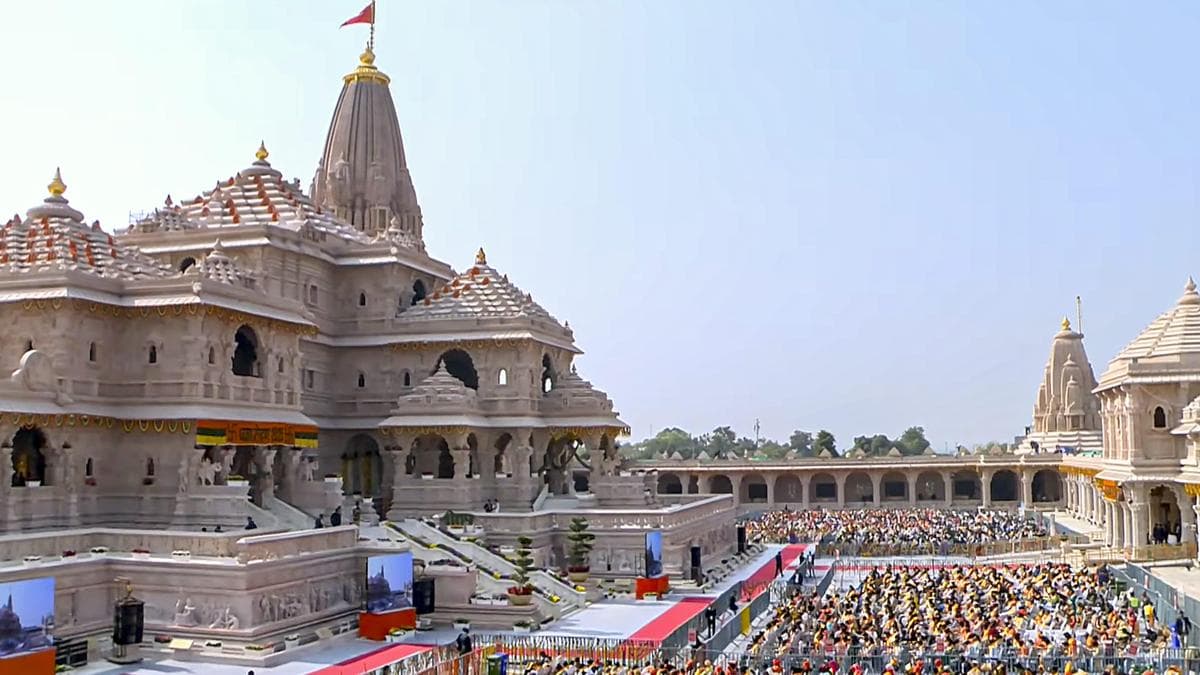
The Ram Temple embezzlement case revolves around the alleged misappropriation of cash and valuables contributed by devotees at the Ram Mandir in Ayodhya. The most obvious repercussion for the Bharatiya Janata Party (BJP) and the Sangh Parivar is, of course, the loss of a moral high ground. Published - June 29, 2026 06:14 pm IST
Police personnel escort accused to a court in connection with the alleged embezzlement of Ram Temple donation funds, in Ayodhya, on Friday, June 26, 2026. | Series of judicial decisions, right from the days of the Privy Council to Supreme Court’s judgments in the Sree Padmanabhaswamy Temple and the Ramjanmabhoomi Temple cases, hold the deity as a legal entity capable of holding property.The Padmanabhaswamy Temple case saw the Supreme Court hold that donations given by worshippers belong strictly to the deity. By detailing Maharaja Marthanda Varma’s act of dedication of his kingdom to the deity, the 2020 judgment provided an insight into the acceptance of the deity as a separate entity as far back as in the 18th century.The importance of the act of donating to a deity as an expression of Hindu piety was discussed by the Privy Council in Vidya Varuthi Thirtha Swamigal versus Balusami Ayyar and Others, a case law which dates back to 1921.“Hindu piety finds expression in gifts to idols and images consecrated and installed in temples,” the judgment said.It noted that these gifts or donations by devotees were made to the deities eo nomine (in the name of the deity itself), providing proof that a deity was indeed a juristic entity vested with the capacity of receiving gifts and holding property.The courts have, however, recognised that a dedicated property vests in the idol only in an “ideal sense”. The physical possession and management of that property must be taken over by a “human agency”. But this person or group of individuals have the status of a mere ‘manager’. The ownership of a dedicated property vests entirely with the deity.This legal principle was reinforced by Justice B. K. Mukherjea in his lead judgment for a four-judge Bench in Angurbala Mullick versus Debabrata Mullick in 1951. “In a Hindu religious endowment, the entire ownership of the dedicated property is transferred to the deity or the institution itself as a juristic person, and the shebait or mahant is a mere manager.”The Supreme Court in Bishwanath and Others v. Sri Thakur Radhaballabhji had declared a deity to be in the legal position of and requiring the protection afforded to a ‘minor’.“An idol is in the position of a minor. When a person representing it leaves it in the lurch, a person interested in the worship of the idol can certainly be clothed with an ad hoc power of representation to protect its interest,” the court held in the 1967 judgment.The Constitution Bench in the Ram Janmabhumi Temple case described a Hindu idol as the “material embodiment of a testator’s pious purpose”.Even the Income Tax law recognises a deity as a legal person and considers it a material manifestation of the devotee’s belief and prayers. The 1969 case law of Yogendra Nath Naskar versus Commissioner Of Income-Tax, Calcutta, has termed a Hindu deity as an ‘individual’ to be treated as a unit of assessment under the Income Tax Act.“Neither God nor any supernatural being could be a person in law. But so far as the deity stands as the representative and symbol of the particular purpose which is indicated by the donor, it can figure as a legal person and in that capacity alone the dedicated property vests in it,” the apex court had held. Published - June 28, 2026 05:53 pm IST


Discussion (0)