
Loading dispatches...
← Return to NewsroomEconomy
Bihar BJP MLA sentenced to four years in jail for celebratory fire death in Delhi 'we don't need Singham or Pushpa'
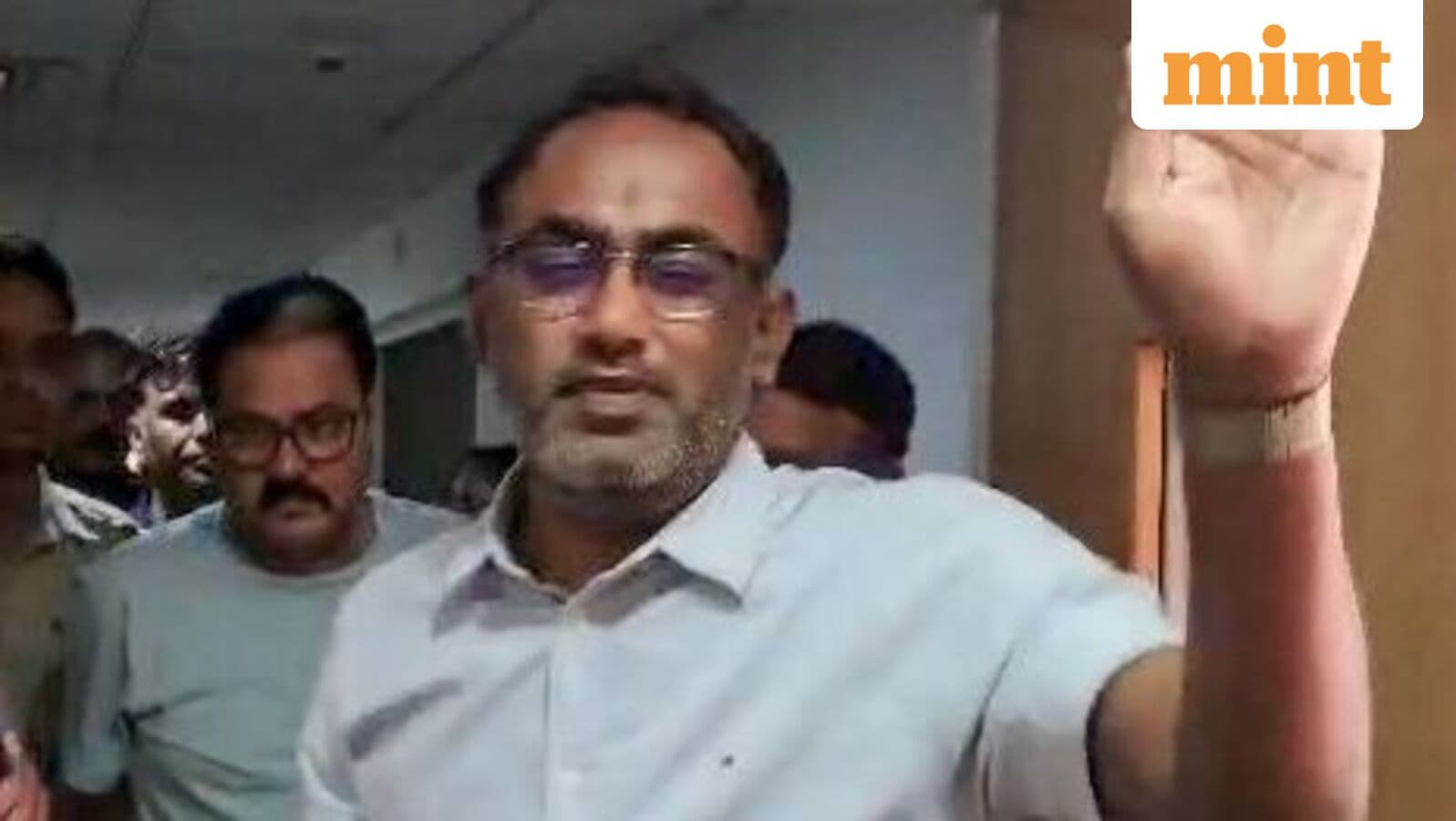
A Delhi court sentenced BJP MLA Raju Kumar Singh to four years in prison and fined him ₹25 lakh for murder related to celebratory gunfire that killed a woman in 2018. The court emphasized the responsibilities of public office and the dangers of gun culture.Rouse Avenue Court sentences BJP MLA Raju Kumar Singh to 4-year imprisonment in the death case of a woman due to celebratory firing during the New Year party on December 31, 2018,(ANI )A court in Delhi on Saturday awarded four years' simple imprisonment to Raju Kumar Singh, a BJP MLA from Bihar, on charges of murder following the death of a woman in a celebratory firing incident in 2018. Singh, the MLA from Bihar's Sahebganj, has also been ordered to pay a ₹25 lakh fine, to be paid as compensation to the victim's family.'We don't need Singham or Pushpa'"We need neither a Singham nor a Pushpa in a state governed by the rule of law. The brazen act of firing by Raju Kumar Singh was, however, an inspiration to both such aspirations," Special Judge Vishal Gogne said on Saturday.Singh was convicted last month under Section 304 Part II (culpable homicide not amounting to murder with knowledge) of the IPC and under provisions of the Arms Act relating to contravention of licence conditions for the death of a woman, Archana Gupta, at a New Year's party at a farmhouse in Delhi’s Fatehpur Beri on the night of December 31, 2018.The 45-year-old victim was also a guest of the family of the convict himself, who was accompanied to the party by her husband and daughter.‘Legitimises gun culture’The court noted that Singh's first act of celebratory firing occurred just before the hour of the new year being struck, while he did the second round of firing after the guests had exchanged New Year wishes on the stroke of midnight."The act of continuous firing by the convict reflected a callous disregard for human life and acts as an aggravating circumstance," the judge said."While the firearm of the convict was a licensed weapon, his act of firing serves to legitimise a gun culture which is predicated on muscular assertion of power, and largely male dominance," the judge added.‘Gang leaders have stepped into politics’In the 34-page verdict, the court also criticised the growing gun culture and observed that Singh was apparently drunk on the arrogance of power and seemingly wanted to project his status by firing. It said such actions encourage an ecosystem of illicit firearms and have led to the entry of 'Bahubalis' in politics."In fact, many an aspiring gang leader or strong man has stepped into politics in our nation on the strength of the gun, earning thereby the notorious sobriquet of Bahubali," the judge said.Singh faced a maximum imprisonment of ten years or a fine, or both.The court said, "Past public service does not by itself entitle a convict to a token sentence, as for instance - one or two years. Public office, especially an elected office, is an office of honour and public trust, and such honour and trust are vitiated and violated when such public representative commits a grave criminal offence."No preferential treatmentThe court said the only beginning point for consideration of aggravation or mitigation can be the mid point of the range of punishment.The court underlined that differential and preferential treatment in the matter of sentence cannot be accorded to the convict only because he is an MLA."The court is of the satisfaction that a sentence of four years upon the convict would be an apposite and suitably stringent punishment for the commission of the offence under section 304 (Part II)," Judge Gogne said.The court also rejected Singh's plea for release on probation.It said that being in a representative public office and carrying the responsibility of upholding not only the statutory order but also the constitutional scheme, the proved act of wanton firing by Singh in a party, thereby causing the demise of a guest, is criminal behaviour completely in dissonance with his posit
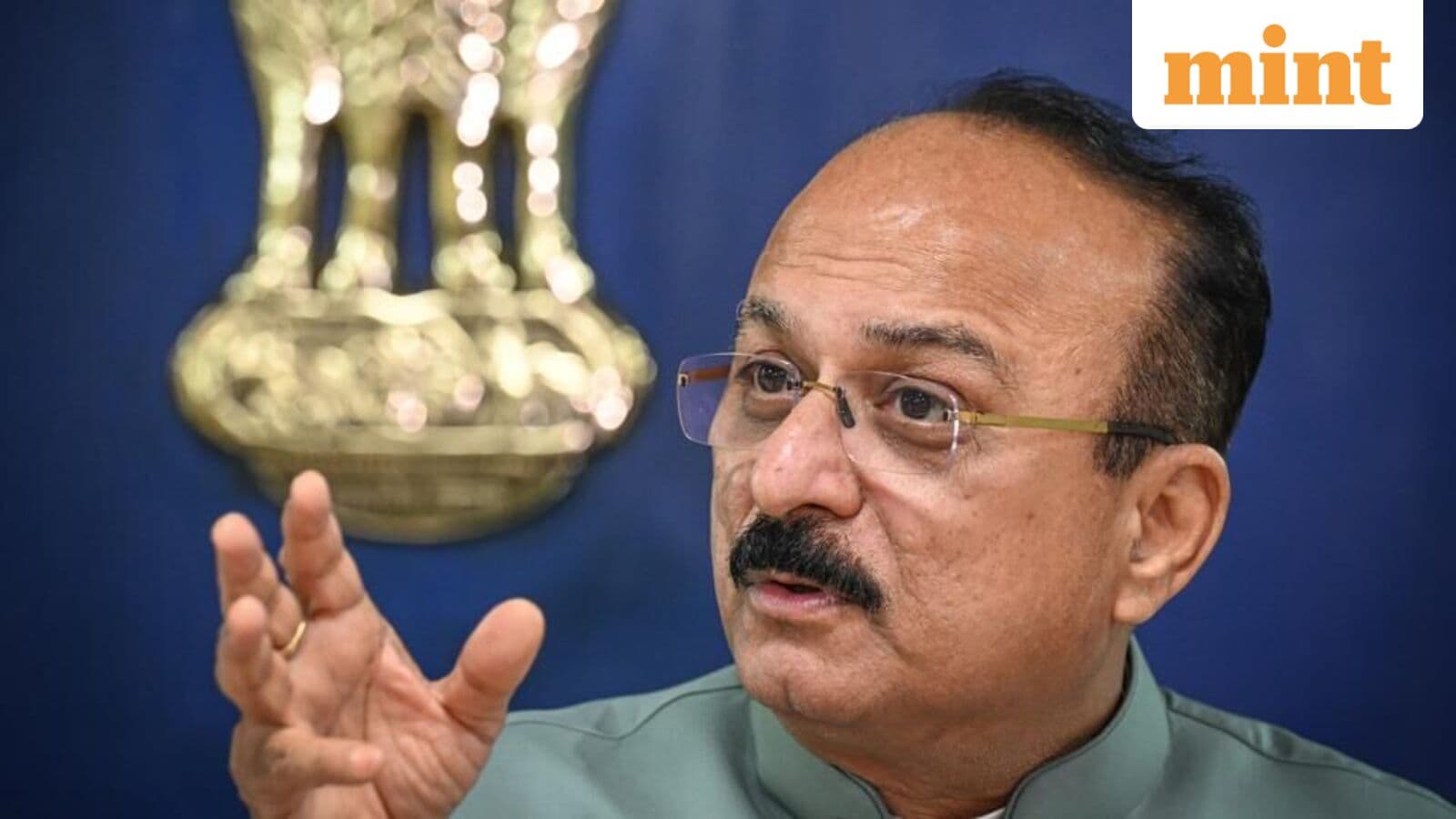
CM Rekha Gupta-led Delhi government on Wednesday directed the Comptroller and Auditor General (CAG) to conduct an audit of the capital's power distribution companies amid concerns over regulatory assets (RA) worth nearly ₹38,500 crore that have built-up over the years and are ultimately meant to be recovered from electricity consumers.This comes after the Delhi High Court on June 22 declined to intervene in the Delhi government's decision to have the CAG audit the accounts of BSES Rajdhani Power Ltd (BRPL) and BSES Yamuna Power Ltd (BYPL). Dismissing a petition filed by the two power distribution companies, a vacation bench of Justice Tejas Karia observed that their challenge was premature at this stage. Following the ruling, Delhi Power Minister Ashish Sood welcomed the High Court's decision.According to an order issued by the Delhi Power Department, the CAG will carry out a comprehensive and rigorous audit to examine why the city's three power discoms—BRPL, BYPL and Tata Power Delhi Distribution (TPDDL)—have continued operating without recovering the mounting regulatory assets, reported PTI.The order states that the audit should ideally be completed within three months of its communication, although the CAG may grant additional time depending on the scope and complexity of the exercise.According to the order, the audit is expected to be completed within three months from the date it is communicated, although the CAG may extend the timeline depending on the scope and complexity of the exercise.“The question of a CAG audit of the Delhi discoms is currently sub judice before the courts. As the matter is under judicial consideration, it would not be appropriate to comment further,” a BRPL spokesperson stated.There was no immediate response from the other power distribution companies.If the discoms do not pursue further legal action, this will mark the first CAG audit of Delhi's electricity distribution companies since the sector was privatized in 2002. A previous attempt by the former AAP government to subject the discoms to a CAG audit was blocked by the Delhi High Court in 2015.Regulatory assets (RAs) are deferred costs incurred by power distribution companies due to fluctuations in fuel prices. They represent the difference between the average cost of supplying electricity and the revenue discoms recover through consumer tariffs and government subsidies.The outstanding regulatory assets, estimated at ₹38,500 crore and owed to BRPL, BYPL and TPDDL, are reportedly recovered through a regulatory assets surcharge included in consumers' electricity bills.According to the order, the Delhi cabinet, at its June 29 meeting, approved a recommendation in the public interest for a "strict and intensive" CAG audit to examine why the power distribution companies have continued to carry these unrecovered regulatory assets.The Power Department's order authorising the audit has received the approval of the Lieutenant Governor of Delhi.DERC's submission before APTELEarlier this year, in April, the Appellate Tribunal for Electricity (APTEL) dismissed an application by the Delhi Electricity Regulatory Commission (DERC) seeking a CAG audit of the discoms. Instead, it directed the regulator to begin the liquidation of the pending regulatory assets within three weeks.According to the DERC's submission before APTEL, the outstanding regulatory assets comprise ₹19,174 crore for BRPL, ₹12,333 crore for BYPL, and ₹7,046 crore for TPDDL. These represent expenditures reportedly approved by the regulator for supplying electricity.The cumulative regulatory assets have risen to around ₹38,500 crore because electricity tariffs have remained unchanged for more than a decade.As per the Power Department's order, the Supreme Court, in its August 6, 2025 ruling, called for a strict and comprehensive audit into the circumstances under which the power distribution companies continued to accumulate regulatory assets without recovering them.The order further sta
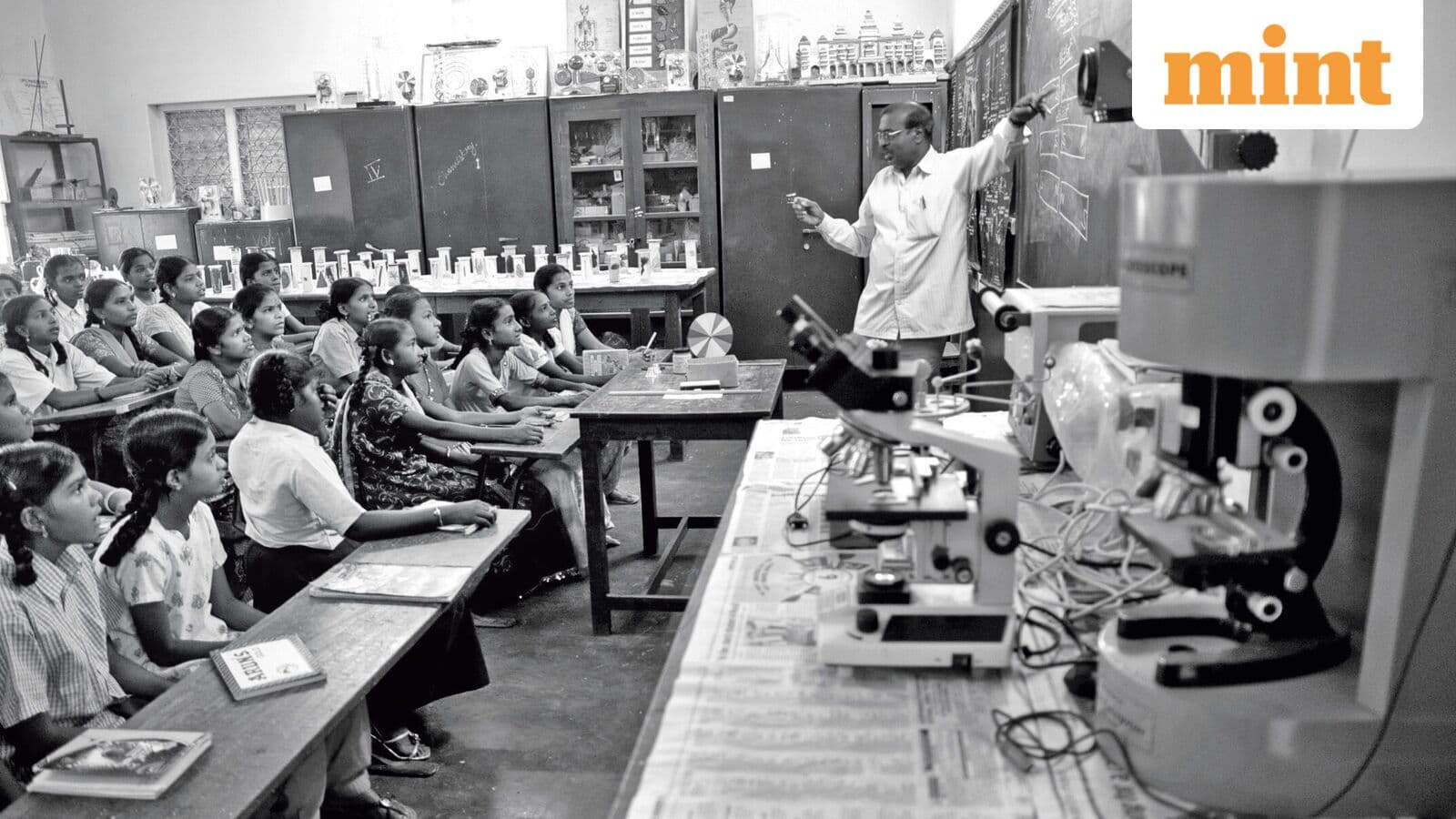
The Court made these remarks while hearing a petition challenging a 12 June state government circular mandating the recitation of the Saraswati Vandana, Gayatri Mantra, Guru Mantra, and other Hindu prayers in schools.Government Schools in Bangalore. Photo by Aniruddha Chowdhury/Mint(File )The Chhattisgarh High Court has said that no child can be compelled to recite Hindu prayers in government schools, legal news website Bar and Bench reported.The Court made these remarks while hearing a petition challenging a 12 June state government circular mandating the recitation of the Saraswati Vandana, Gayatri Mantra, Guru Mantra, and other Hindu prayers in schools.The state government has submitted to the court that Justice Amitendra Kishore Prasad's 12 June circular has not yet been implemented in government schools.Mentioning the submission, the Court closed the petition while granting liberty to the petitioners to approach the Court again if any child is found to have been compelled to participate in the recitation of the prayers.The Court warned that appropriate action would be taken if any such compulsion is brought to its notice. A detailed order is, however, awaited.The petition was filed by former Chhattisgarh Waqf Board chairman Abdul Salam Rizvi, former Minority Department chairman Mahendra Chhabda and Bilaspur-based social activist Shafique Ahmed, who challenged the constitutional validity of the School Education Department's circular.Circular Issued by State GovtThe circular issued by the State had directed government schools across the State to conduct the recital of the National Anthem, the National Song, the Deep Mantra, the Saraswati Vandana, and the Guru Mantra. It also said the reading of biographies of great personalities, the recitation of Bhojan Mantra during mid-day meals, and the recitation of Gayatri Mantra and Shanti Mantra before dispersal.The petition contended that the circular had violated the constitutional principles of secularism and the fundamental rights guaranteed under the Constitution."The mandatory inclusion of Saraswati Vandana, Gayatri Mantra, Guru Mantra and Shanti Mantra amounts to religious instruction and promotion of a particular religion within government schools. Hence the impugned order is unconstitutional," submitted the plea.The petitions also argued that the circular had failed to protect students who did not wish to participate in religious observances."The impugned order neither provides an exemption mechanism nor safeguards the freedom of conscience of students who may not wish to participate in such religious activities," it submitted.The petitioners added that the circular was incompatible with the secular character of public education.No child should be compelled to participate in religious observances in public education."The action of the State effectively promotes and institutionalises religious practices of one faith in State-funded educational institutions, thereby violating constitutional guarantees," said the plea.(With Bar and Bench inputs)Get Latest real-time updatesStay updated with the latest Trending, India , World and US news. HomeNewsIndiaNo child can be compelled to recite Saraswati Vandana, other Hindu prayers in Govt schools: Chhattisgarh HCMore
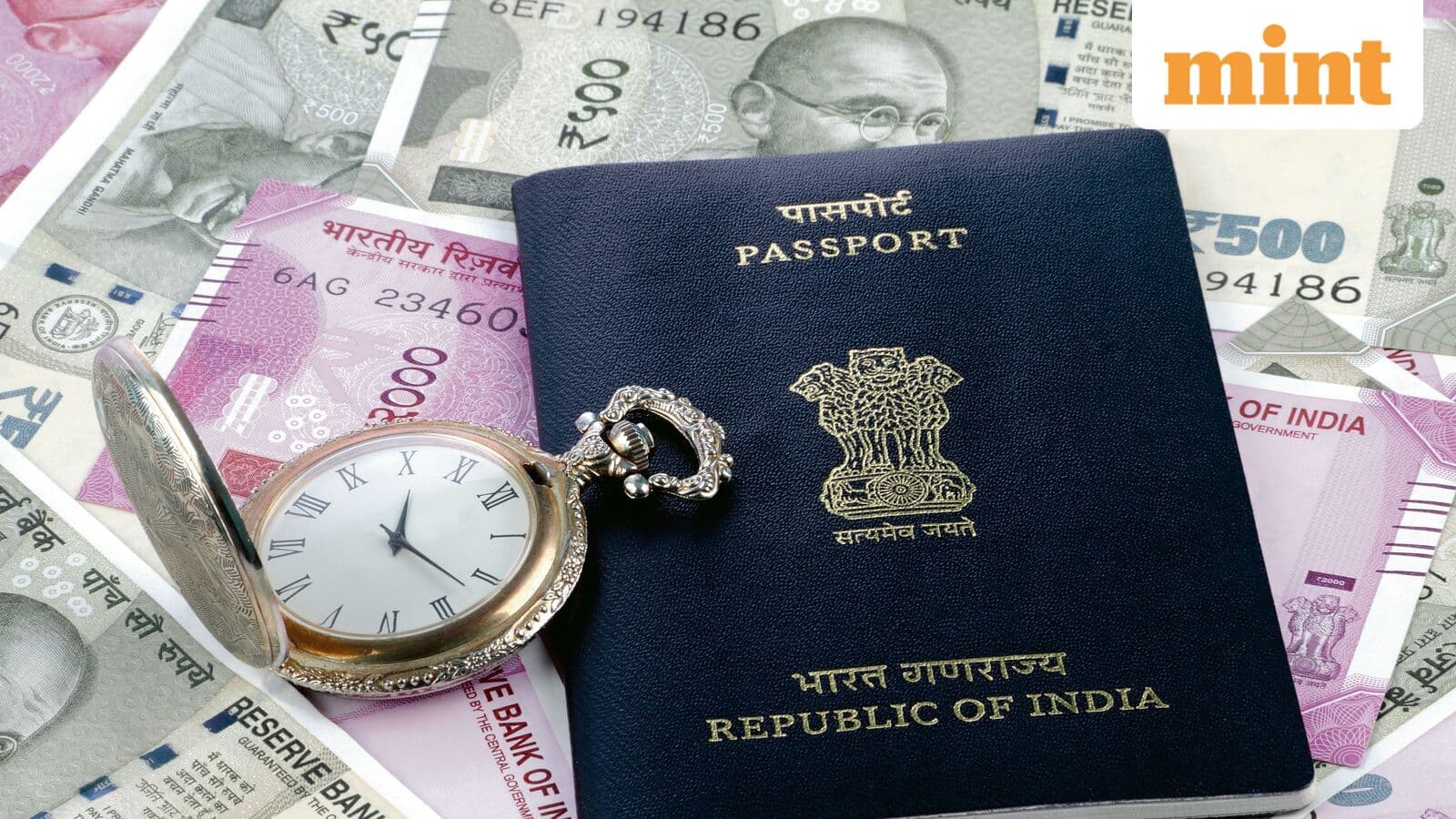
The High Court remarks came days after the Ministry of External Affairs (MEA) reiterated that an Indian passport is merely a travel document and should not be regarded as conclusive proof of citizenship.15 documents including PAN, EPIC not enough proof of Indian citizenship: Gauhati HC rejecting man's claimThe Gauhati High Court recently upheld a Foreigners Tribunal's order declaring a local resident a foreigner, after finding that the 15 documents he relied on failed to establish his Indian citizenship, legal news website Bar and Bench reported.A division bench of Justice Kalyan Rai Surana and Justice Shamima Jahan dismissed the petition filed by 38-year-old Aminul Hoque, a Guwahati resident, who had challenged a 2019 order of the Foreigners Tribunal.Hoque had argued that he was an Indian citizen by birth and relied on a series of documents, including the 1951 National Register of Citizens (NRC), electoral rolls from 1966 onwards, a 1973 land sale deed, his PAN card, Electoral Photo Identity Card (EPIC) and school records to trace his family's presence in Assam before the 1971 cut-off date, Bar and Bench said.After examining this evidence, the Court concluded that Hoque had failed to prove his citizenship."Though the petitioner had exhibited 15 (fifteen) documents as exhibits, the same does not appear to help the petitioner to establish that he has been able to discharge his burden as required under Section 9 of the Foreigners Act, 1964 to prove that he is not a foreigner but an Indian Citizen," observed the Court.The High Court remarks came days after the Union Ministry of External Affairs (MEA) reiterated that an Indian passport is merely a travel document and should not be regarded as conclusive proof of citizenship. The MEA clarification was issued on 24 June during a briefing on India's expanding passport and mobility ecosystem, as India marked the 14th Passport Seva Divas.The Union government’s position rested on distinct statutory frameworks: citizenship is governed by the Citizenship Act, 1955, whereas passports are issued under the Passports Act, 1967.Govt documents don’t establish citizenship: HCThe Guahati Court also made it clear that identity documents issued by government authorities cannot, by themselves, establish citizenship."It is well settled that PAN Card and EPIC are not proof of citizenship," the court said.Ultimately, the Court dismissed the petition, allowing the consequences flowing from the Foreigners Tribunal's 2019 order to follow.Advocate MU Mahmud appeared for Aminul Hoque (petitioner). Central Government Counsel B Deka represented the Union of India. Standing Counsel AI Ali represented Election Commission of India.The Guahati Court noted that Hoque had failed to establish a continuous documentary link between himself and his projected ancestors.Hoque had contended that differences in the spelling of his parents' and grandparents' names across official records were the result of clerical errors. He also explained that his family had moved from one village to another because of erosion caused by the Brahmaputra River, which explained why their names appeared in voter lists from different places over the years, Bar and Bench reported.The Court, however, noted that it was not particularly concerned by minor spelling differences in names. It found that Hoque had failed to produce convincing evidence showing that the family appearing in records from different villages was the same family.The Court also noted that there were unexplained changes in ages, family members and places of residence across the documents. It also observed that there was no independent records to support the claim that the family had relocated over time.Though the petitioner had exhibited 15 (fifteen) documents as exhibits, the same does not appear to help the petitioner to establish that he has been able to discharge his burden as required under Section 9 of the Foreigners Act, 1964 to prove that he is not a foreigner but an In
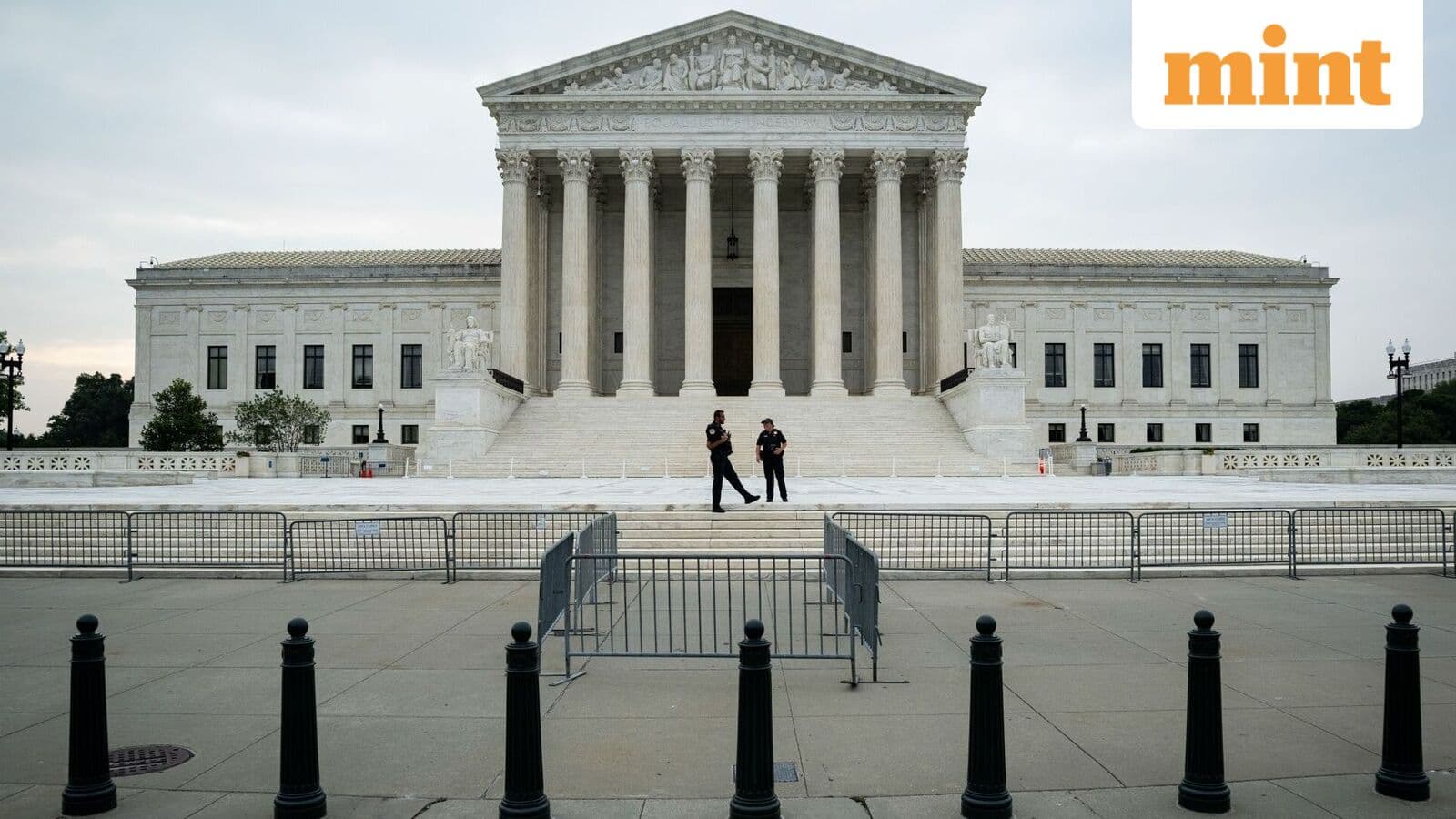
The US Supreme Court is set to hand down the final four decisions of its 2025-26 term on Tuesday (June 30), with rulings expected on some of the country's most politically charged legal battles.The pending cases cover President Donald Trump's executive order on birthright citizenship, state bans on transgender athletes competing in girls' sports, campaign finance rules ahead of the 2026 midterm elections, and parents' rights in cases involving transgender minors.Here's a look at the four major cases.Quick answers to key questions•5 QUESTIONSThe plaintiffs argue that Trump's executive order unlawfully strips US-born children of citizenship and access to benefits, violating the Citizenship Clause of the 14th Amendment.States like Idaho and West Virginia are enacting these laws based on the belief that they should protect the integrity of women's sports and maintain fairness in competitive events.If the Supreme Court strikes down current federal limits on coordinated campaign spending, political parties could significantly increase financial support for their candidates, impacting election dynamics.The Supreme Court case will determine whether parents can challenge laws that allow shelters to withhold information from them regarding their children's gender-affirming treatment.This decision could shape national policies on transgender rights and fairness in sports, highlighting the ongoing debate about states' rights versus federal oversight.The most closely watched case challenges President Donald Trump's executive order seeking to end automatic US citizenship for children born to undocumented immigrants and certain temporary visa holders.Trump argues that the current interpretation of birthright citizenship encourages illegal immigration and so-called "birth tourism."The order is being challenged by three foreign nationals who say it violates the Citizenship Clause of the 14th Amendment, which states:"All persons born or naturalized in the United States, and subject to the jurisdiction thereof, are citizens of the United States."The plaintiffs argue the order unlawfully strips their US-born children of citizenship and access to benefits such as Social Security, Medicaid and government assistance.2. Transgender athletes: Can states ban trans girls from girls' sports?The Supreme Court is also expected to rule on challenges to laws in Idaho and West Virginia that bar transgender girls from participating on female school sports teams.The Idaho law applies to public schools and colleges, while the West Virginia law requires transgender girls to compete on boys' or co-ed teams.Around half of US states have enacted similar restrictions.During oral arguments, several conservative justices suggested states should have the authority to set their own rules rather than having a nationwide constitutional standard imposed by the court.The rulings are expected to become a landmark precedent in the national debate over transgender rights and women's sports.3. Campaign finance: Could parties spend more to help candidates?Another major case concerns federal limits on coordinated campaign spending between political parties and individual candidates.Current law restricts how much official party committees—including the Republican National Committee (RNC) and Democratic National Committee (DNC)—can spend in coordination with candidates.Republican groups argue those restrictions violate First Amendment free speech protections.If the Supreme Court strikes down the limits, national party organizations could spend substantially more money directly supporting candidates ahead of the 2026 midterm elections.The decision could reshape campaign fundraising and political advertising in future federal elections.4. Parents' rights and transgender minorsThe fourth case examines whether parents can challenge Washington state laws that protect runaway transgender minors seeking gender-affirming care.The parents argue the laws allow shelters to withhold information
The US Supreme Court is weighing one of the most consequential constitutional disputes in decades: whether President Donald Trump's executive order restricting birthright citizenship is consistent with the Fourteenth Amendment.At the heart of the case, Trump v. Barbara, is a fundamental question: Can a president redefine who automatically becomes a US citizen at birth, or does the Constitution already settle the issue?What is Trump's executive order?On January 20, 2025, President Trump signed Executive Order 14160, titled Protecting the Meaning and Value of American Citizenship.The order directs federal agencies to stop recognizing automatic US citizenship for children born in the United States if:Their mother was in the U.S. unlawfully and the father was neither a U.S. citizen nor a lawful permanent resident; orTheir mother was in the U.S. temporarily (such as on a visa) and the father was neither a citizen nor a permanent resident.What does the Constitution say?The dispute centers on the Citizenship Clause of the Fourteenth Amendment, which states:"All persons born or naturalized in the United States, and subject to the jurisdiction thereof, are citizens..."For more than a century, courts have generally interpreted this clause to mean that nearly everyone born on US soil automatically becomes a US citizen, regardless of their parents' immigration status.Why is the case before the Supreme Court?Several states and immigrant-rights groups challenged Trump's executive order, arguing that it violates both:-the Fourteenth Amendment, and-the Immigration and Nationality Act, which codifies birthright citizenship.The Supreme Court heard oral arguments on April 1, 2026, and is expected to rule before the end of its current term.What is the key legal battle?The plaintiffs' argumentThose challenging the executive order argue that the issue was settled more than 125 years ago by the Supreme Court's landmark 1898 decision in United States v. Wong Kim Ark.That ruling held that a man born in California to Chinese parents was a U.S. citizen by birth, even though his parents were not eligible for citizenship themselves.According to the challengers, Wong Kim Ark established a simple constitutional rule: almost everyone born in the United States is automatically a citizen, subject only to a few narrow exceptions such as children of diplomats.Trump administration's argumentThe administration says it is not asking the Court to overturn Wong Kim Ark, but instead argues that the case has been misunderstood.Its lawyers contend the earlier ruling depended on the parents being lawfully domiciled—meaning they had established a permanent home in the United States. They argue that lawful domicile reflects the "direct and immediate allegiance" required by the Constitution, and therefore children of temporary visitors or people in the country unlawfully are not automatically citizens.Why does "domicile" matter?One of the biggest themes during oral arguments was the meaning of domicile.The administration argued that birthright citizenship should depend on whether a child's parents had established a lawful, permanent home in the United States.The challengers rejected that interpretation, saying the Constitution speaks only about being "subject to the jurisdiction" of the United States—not domicile or allegiance—and that the administration is attempting to add a requirement that the Constitution never mentions.What questions did the justices raise?Several justices questioned how the executive order would work in practice.Justice Amy Coney Barrett asked how officials could determine whether parents intended to remain permanently in the United States at the moment a child is born.Justice Ketanji Brown Jackson questioned whether hospitals or government officials would effectively require parents to present immigration documents immediately after childbirth.The administration responded that enforcement would rely primarily on immigration status, not subjective in

Discussion (0)