
Loading dispatches...
← Return to NewsroomEconomy
Oil Climbs, US Futures Dip on Fresh Iran Strikes: Markets Wrap

com Oil prices rise as U.S. and Iran fight for control of Strait of Hormuz CNBC Oil Rises After Weekend of Back-and-Forth Strikes by U.S. and Iran The New York Times Trump’s time is running out to avoid a nightmare Strait of Hormuz scenario Fortune Oil Prices Rise After U.S. and Iran Exchange New Rounds of Attacks WSJ
Oil prices rise as U.S. and Iran fight for control of Strait of Hormuz CNBC Trump’s time is running out to avoid a nightmare Strait of Hormuz scenario Fortune Oil jumps more than 3% after US, Iran launch strikes in Mideast Reuters Oil Prices Set for More Volatility After Latest Iranian Attack on Ship in Gulf The New York Times Oil prices rise, stock futures dip after latest flare-up of strikes between U.S. and Iran MarketWatch
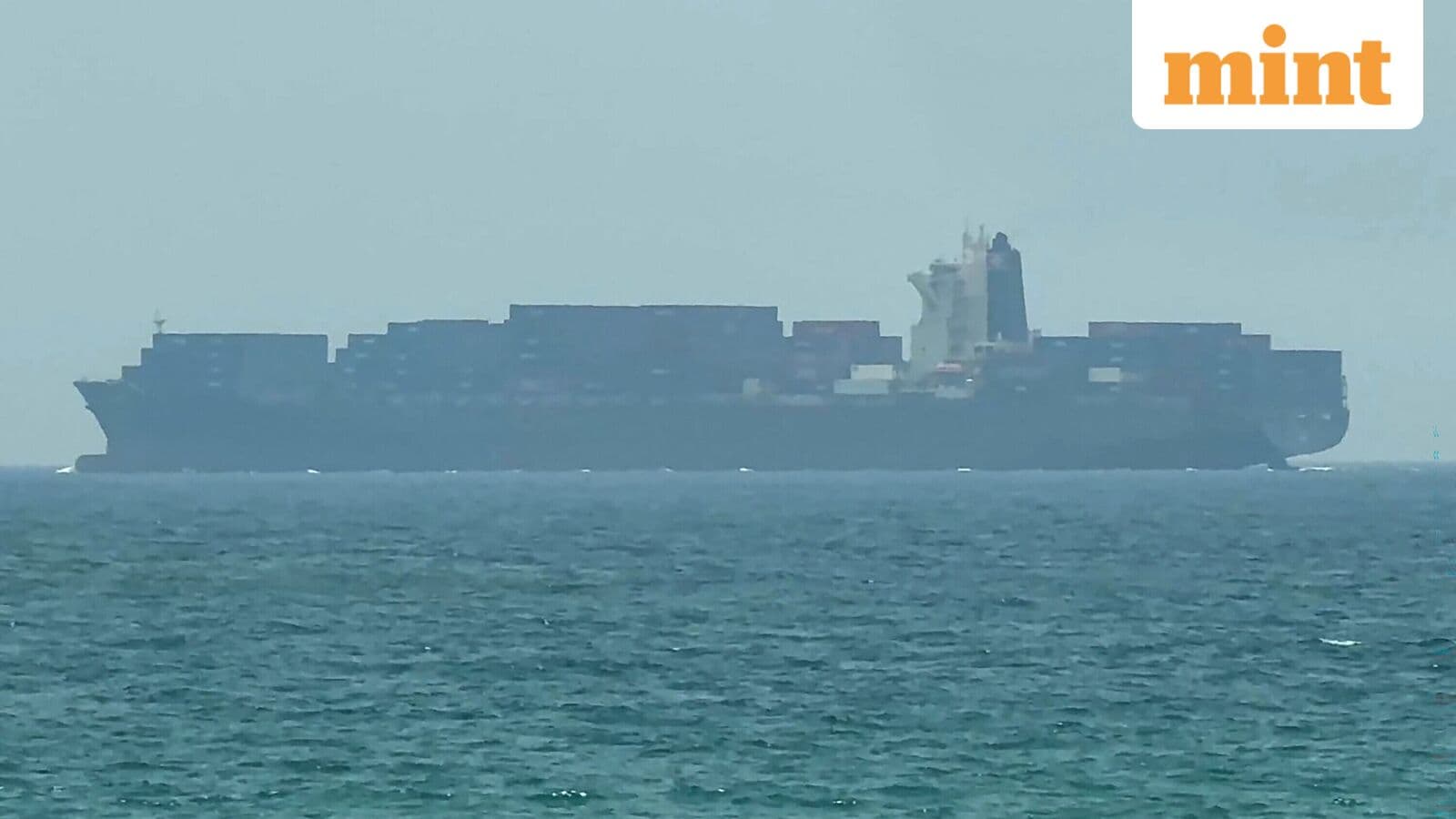
The United States launched a fresh wave of airstrikes against Iran on Sunday, intensifying military operations aimed at weakening Tehran's ability to threaten commercial shipping through the Strait of Hormuz, as Washington and Tehran continued to issue conflicting claims over whether the vital waterway remains open.The latest strikes came just hours after Iran retaliated against earlier US attacks by launching missiles and drones at several Gulf countries hosting American military forces, pushing already fragile ceasefire negotiations closer to collapse.CENTCOM announces new strikesThe US Central Command (CENTCOM) said the latest operation began at 5 p.m. ET under orders from President Donald Trump.Quick answers to key questions•5 QUESTIONSThe US airstrikes were triggered by an Iranian attack on a Cyprus-flagged container ship that suffered significant damage, prompting the US to aim at degrading Iran's capability to threaten commercial shipping in the area.Iran claims the Strait of Hormuz is closed due to the recent illegal movements of US military forces, insisting that no vessels will be permitted to transit until regional stability is restored.Iran responded to US strikes by launching missiles and drones at Gulf countries hosting American military facilities, including Bahrain, Kuwait, Qatar, Jordan, and Oman.While Iran insists the strait is closed, the US Central Command asserts that it remains open to international shipping, indicating that vessels seeking lawful passage should still proceed.The escalations pose a significant risk to global energy supplies, as approximately one-fifth of the world's oil and gas shipments pass through the Strait, making any disruption a matter of international concern."At 5 p.m. ET today, U.S. Central Command forces began launching more strikes against Iran to continue degrading their ability to attack civilian mariners and commercial ships freely transiting the Strait of Hormuz," CENTCOM said in a post on X."The Commander in Chief has directed the strikes to hold Iranian forces accountable."Iran reports fresh strikesIranian state media reported additional attacks later Sunday.According to IRNA, projectiles struck military targets on Qeshm Island near the Strait of Hormuz without causing casualties.Separately, strikes on Farur Island in Hormozgan province reportedly killed an employee of the Mobile Communications Company of Iran and injured two colleagues.The US military did not immediately comment on those reports.The fresh offensive follows an Iranian attack on a Cyprus-flagged container ship in the Strait of Hormuz that left the vessel ablaze and one crew member missing.Earlier on Sunday, CENTCOM said it had already struck around 140 Iranian military targets, including missile launch sites, drone facilities, ammunition depots, communications infrastructure and other military installations.The US said the operation was intended to reduce Iran's ability to threaten international shipping through one of the world's busiest maritime corridors.Missile alerts sounded across Bahrain, Kuwait, Qatar, Jordan and Oman.Qatar said its air defences intercepted incoming Iranian projectiles, while falling debris injured three people, including a child.Kuwait's Defence Ministry reported damage to three northern border posts and an offshore Kuwait Oil Company drilling platform, where one worker was injured.Jordan said three Iranian missiles landed inside the country, causing only minor property damage.Oman reported drone strikes near the Strait of Hormuz and summoned the Iranian ambassador, describing the attacks as "irresponsible."Strait of Hormuz dispute intensifiesThe Strait of Hormuz has emerged as the central point of confrontation between Washington and Tehran.The Islamic Revolutionary Guard Corps (IRGC) earlier announced that the strait would remain closed "until further notice."According to Iran, no vessels will be permitted to transit until the United States ends what Tehran describes as foreign
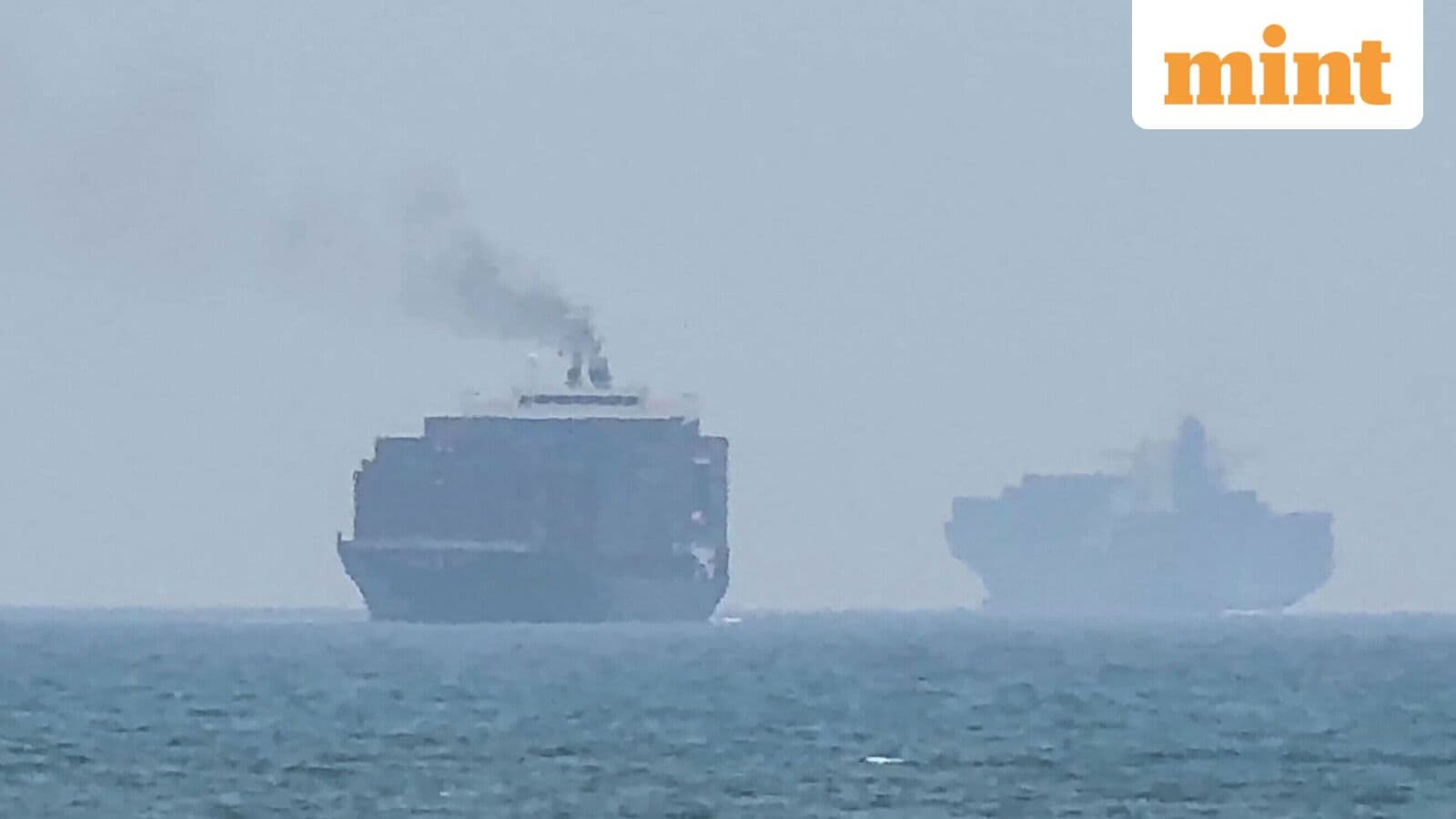
Iranian state media reported that an employee of the Mobile Communications Company of Iran was killed in an attack in Bandar Lengeh in Hormozgan province.According to IRNA: "Following the enemy attack on Farur in Bandar Lengeh, one employee of the Mobile Communications Company of Iran was killed while carrying out his duties, and two of his colleagues were injured."Projectiles hit Qeshm IslandIRNA also quoted the governor of Qeshm Island, located near the Strait of Hormuz, as saying that between 10 and 11 projectiles struck military targets on the island.Quick answers to key questions•5 QUESTIONSThe US launched strikes on approximately 140 Iranian targets, while Iran retaliated with missile and drone attacks against Gulf countries hosting US forces, following tensions escalated by an Iranian attack on a container ship.Iran asserts that the Strait of Hormuz is closed due to what it describes as illegal movements by US military forces, insisting they intend to regulate maritime traffic through the passage.The international community, including mediators like Oman and Qatar, continues to pursue diplomatic efforts to end the conflict and stabilize the region despite ongoing military escalations.Yes, commercial vessels may face increased risks as Iran has threatened military action against ships ignoring its claimed navigation routes and maintains the Strait is closed, despite US claims of open shipping routes.The US strikes targeted missile launch sites, drone facilities, ammunition depots, and communications infrastructure, aiming to degrade Iran's capacity to threaten commercial shipping in the Strait of Hormuz.Authorities said the attacks caused no casualties, adding that all of the sites hit were military installations.The US military did not immediately comment on the reported strikes.Competing claims over Strait of HormuzThe Strait of Hormuz remains at the center of the confrontation.Iran insists the strategic waterway has been closed and says it intends to regulate all maritime traffic through the passage.The United States, however, maintains that international shipping continues uninterrupted.CENTCOM said commercial traffic is still moving through the strait, while a multinational maritime monitoring body reported that vessels continue to transit the route, albeit at reduced levels.Before the conflict, approximately one-fifth of global oil and liquefied natural gas shipments passed through the Strait of Hormuz.US strikes 140 targets in Iran as Hormuz tensions explodeThe United States and Iran exchanged heavy military strikes on Sunday, escalating tensions across the Middle East as Washington launched one of its largest attacks of the conflict and Tehran responded with missile and drone strikes targeting several Gulf countries hosting US forces.The renewed violence has deepened uncertainty over the future of the Strait of Hormuz, a critical global energy corridor, with the US insisting the waterway remains open while Iran continues to claim it has been closed.US launches major strikes across IranThe US military said it struck around 140 targets across Iran in response to Tehran's alleged attack on a Cyprus-flagged container ship in the Strait of Hormuz.According to US Central Command (CENTCOM), the targets included:Missile launch sitesDrone launch facilitiesAmmunition depotsCommunications infrastructureOther military installationsPresident Donald Trump defended the operation during an interview with NBC's Meet the Press."We bombed the hell out of them last night."The US said the operation was aimed at degrading Iran's ability to threaten commercial shipping through the strategically vital Strait of Hormuz.Iran retaliates with regional attacksHours after the US strikes, Iran launched missiles and drones targeting countries hosting American military facilities.Missile alerts and interceptions were reported in:BahrainKuwaitQatarJordanOmanQatar said three people, including a child, were injured by falling shrapnel from intercep
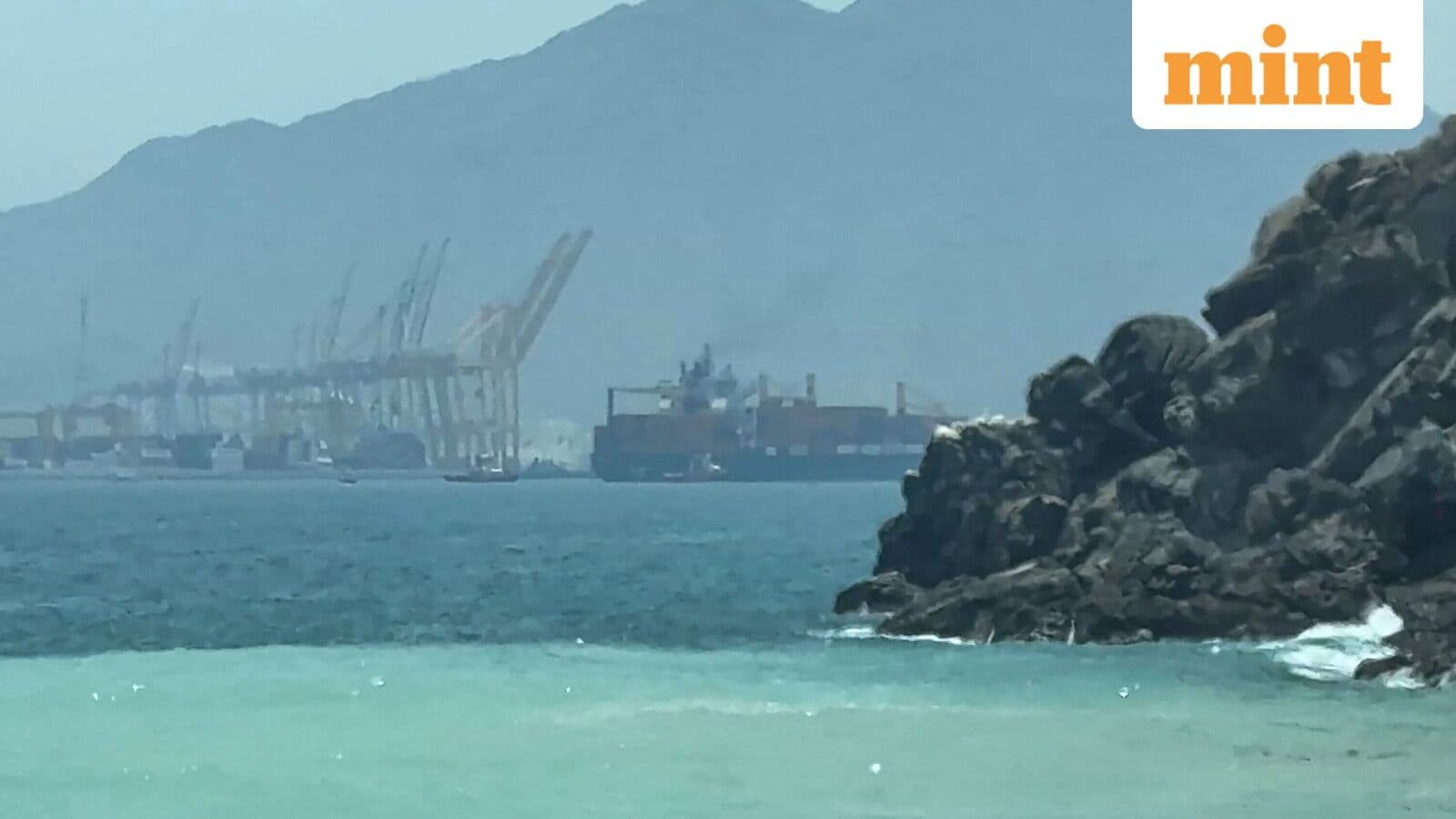
Iran has reaffirmed that the Strait of Hormuz remains closed to maritime traffic, directly contradicting the US Central Command's (CENTCOM) assertion that shipping is moving normally through the strategic waterway.The latest exchange marks a sharp escalation in the war of words between Tehran and Washington over one of the world's most critical oil transit routes.The Persian Gulf Strait Authority (PGSA), Iran's official maritime body responsible for regulating transit through the Strait of Hormuz, said the passage has been closed because of what it described as the "recent illegal movements" of US military forces in the region.Quick answers to key questions•5 QUESTIONSIran claims the Strait of Hormuz is closed due to 'recent illegal movements' of US military forces in the region, asserting it will reopen only when regional stability is restored.Vessels can obtain a transit permit for the Strait of Hormuz through Iran's official maritime body, the Persian Gulf Strait Authority (PGSA), by applying via their website at http://PGSA.ir.By stating traffic is flowing, the US Central Command suggests that the Strait is open for international shipping, countering Iran's claims and emphasizing its military presence to ensure freedom of navigation.Tensions escalated after Iran allegedly attacked a commercial vessel in the Strait of Hormuz, leading to US military strikes on Iranian military targets in response.Yes, disruptions in the Strait of Hormuz could significantly affect global energy markets, as it is a critical transit route for about one-fifth of the world's oil and natural gas.The authority said vessels would only be allowed to pass with a transit permit issued by the PGSA once regional stability returns."We hereby inform all esteemed applicants. Due to the recent illegal movements of the United States military forces in the region, passage through the Strait of Hormuz is currently not possible."The authority added: "As soon as stability and calm are restored, all requests will be reviewed based on the schedule, and the necessary permits will be issued."PGSA also said transit permits could only be obtained through its official website."The only way to obtain a transit permit is through the website http://PGSA.ir... We appreciate your patience and cooperation."CENTCOM: 'Iran does not control the Strait'Iran's statement came shortly after the US Central Command rejected Tehran's claims and insisted that the Strait of Hormuz remains open to international shipping.In a post on X, CENTCOM said US forces are deployed to safeguard freedom of navigation despite what it called Iranian threats and harassment."The Strait of Hormuz is open to all vessels seeking to lawfully transit the international waterway."CENTCOM added that American forces are ready to ensure maritime security."U.S. forces are positioned and prepared to ensure that freedom of navigation remains available despite unwarranted Iranian aggression, harassment, threats, and arbitrary declarations."It also dismissed Iran's authority over the strategic waterway."Iran does not control the strait. Traffic is flowing."Warning against further military actionThe IRGC Navy also warned the United States and its allies against using the closure of the waterway as justification for further military operations against Iran."Should the aggressor enemy exploit this development... as a pretext for committing another act of aggression against us, it will be met with a forceful response, and additional enemy bases in the region will be targeted."The statement further said responsibility for any escalation would rest with the United States, Israel and countries hosting military facilities allegedly used for operations against Iran.Diplomatic efforts continueThe latest confrontation comes as Qatari negotiators are in Iran in an effort to reduce tensions and create conditions for the resumption of US-Iran talks following the recent military escalation.The conflicting claims by Tehran and Washing
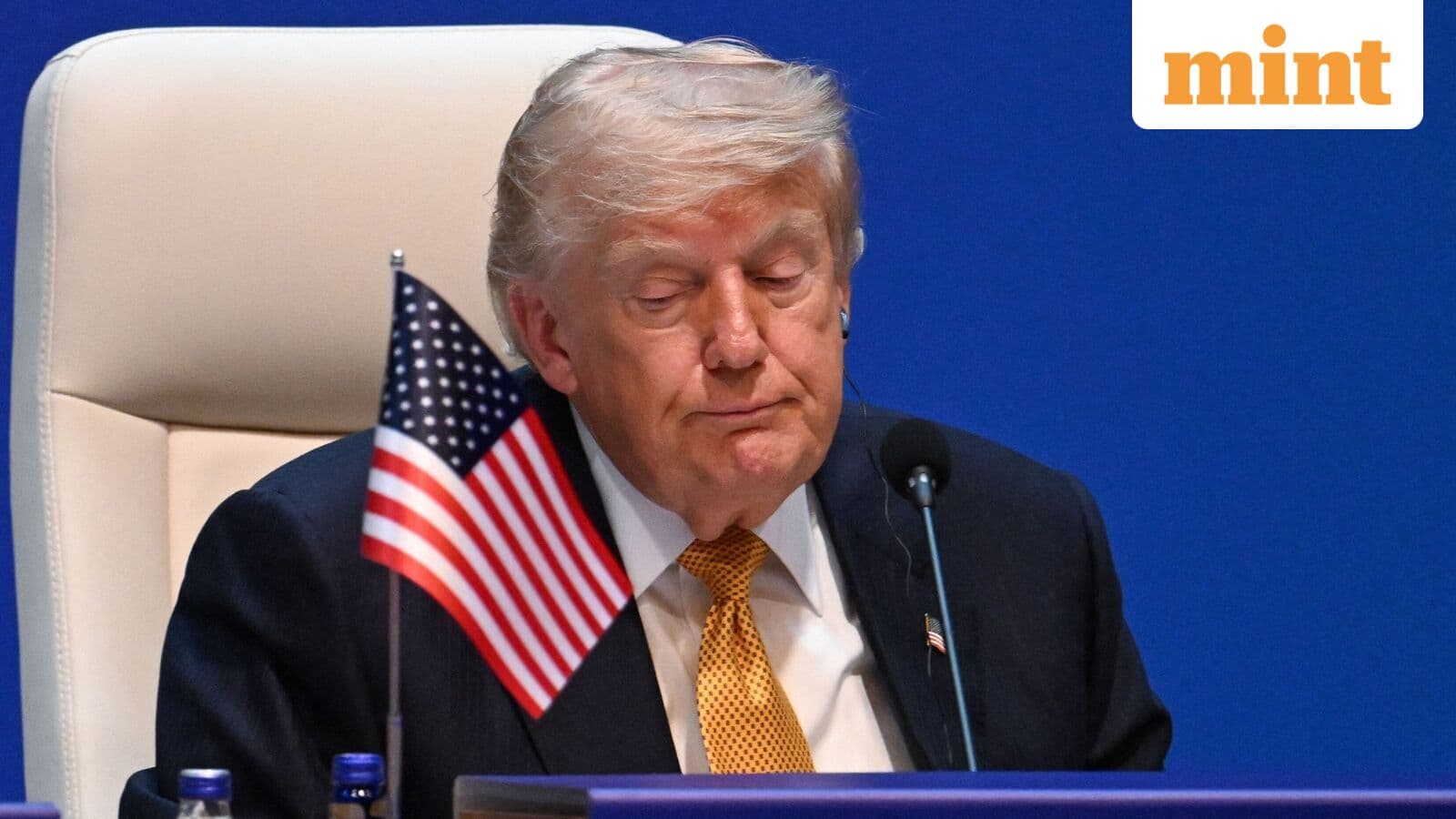
The US and Iran have once again traded strikes days after IRGC attacked a commercial vessel in the Strait of Hormuz. While Trump declared the ceasefire is over, US official said that technical talks will continue. On the other hand, Israel warned Washington of Tehran's plan to assassinate TrumpUS-Iran war: Israel informed Washington of Tehran's plan to assassinate Trump as fighting in the Middle East escalates again(AFP)Days after Iran's military attacked a commercial vessel transiting the Strait of Hormuz, US President Donald Trump on Wednesday (local time) announced that the ceasefire was "over," with the US military launching fresh strikes across Tehran.According to a CNN report, Israel recently shared intelligence with the United States that Tehran had devised a plan to assassinate Trump, a move that could add another layer of tension as the already fragile ceasefire deal is under strain.Quick answers to key questions•5 QUESTIONSThe US launched strikes on approximately 90 Iranian targets in response to Iranian attacks on commercial vessels, while Iran retaliated by targeting US military assets in Kuwait, Bahrain, and Qatar.The Strait of Hormuz is a strategic waterway crucial for global oil transport, making it a focal point for tensions as both nations seek control and influence in the region.Israel shared intelligence with the US about Iran's alleged plot to assassinate President Trump, which escalates concerns regarding security and international relations.Although tensions are high with military strikes ongoing, the US has expressed commitment to continued technical talks with Iran to seek a resolution.US intelligence reported persistent indications of assassination plots against the President, with the Israeli warning linked to a specific threat amid a fragile ceasefire.Here are the top updates on the US-Iran war1. While one source told CNN that the warning came earlier this week, another said that US intelligence had been tracking persistent indications in recent weeks of potential assassination plots targeting the US President, but described the Israeli warning as new and linked to a specific threat. When asked for a comment on the warning, which was first reported by The Wall Street Journal, the White House pointed to Trump's recent remarks. Speaking to reporters, the US President said, "They want to take out the US leader — me," and added, "I'm on whatever list. I saw this morning I'm on every single one of their lists. And so far, I guess I've been a bit lucky, but maybe that doesn't last very long. These are evil, sick people. And we have to root out that cancer. That cancer. You know what you do? You've got to cut out cancer early. And that's the way I feel."2. As the US and Iran engaged in two days of tit-for-tat strikes, a US official on Thursday told Bloomberg that technical talks with Tehran will continue and that Washington is committed to finding a solution with Iran. The latest remarks are likely to dispel fears of a return to a full-blown war after the US launched strikes on Iranian targets in response to what it called attacks by Iran on commercial vessels in the Strait of Hormuz. The Islamic Republic hit back at US bases in the region over the last two nights.3. Iran's state media on Friday (local time) reported that the country's former Supreme Leader Ayatollah Ali Khamenei was buried at the Imam Reza shrine in Khamenei's hometown of Mashhad. As a sea of people gathered outside the shrine and listened to prayers, Khamenei's flag-covered coffin was brought into the shrine. Iran's Parliament speaker and chief negotiator, Mohammad Bagher Ghalibaf, Chief Justice Gholamhossein Mohseni Ejei, and the slain leader's eldest son, Mostafa Khamenei, were all present at the Imam Reza shrine. However, Mojtaba Khamenei, the Supreme Leader, who has only communicated via statements since being named Supreme Leader, was missing from the funeral.4. The US launched fresh strikes against Tehran again early Thursday. The I

At least six explosions were heard in Bushehr and Choghadak, while blasts were also reported in Konarak. Bushehr is home to Iran's only civilian nuclear power plant.Smoke rises from boats on fire at a fishing pier in Banood, Bushehr Province, Iran, after a U.S. projectile struck the area around Iran's Bushehr nuclear power plant on Thursday, according to the deputy governor of Bushehr Province, in this screengrab from a video obtained from social media and released on July 9, 2026. SOCIAL MEDIA/via REUTERS(Social Media via REUTERS)Fresh explosions were reported across southern Iran on Thursday as the United States carried out a third consecutive day of military strikes, further escalating tensions with Tehran and raising fears that a fragile ceasefire has completely collapsed.Iran's Mehr news agency reported that at least six explosions were heard in Bushehr and Choghadak, while blasts were also reported in Konarak. Bushehr is home to Iran's only civilian nuclear power plant.The latest strikes came as Iran prepared to bury former Supreme Leader Ayatollah Ali Khamenei in the holy city of Mashhad following six days of funeral ceremonies. Khamenei was killed in the opening phase of the US-Israeli military campaign against Iran on February 28.US strikes hit Bushehr, railway infrastructureIranian state media said a US strike hit the perimeter of the Bushehr nuclear power plant, citing the province's deputy governor. Separately, another strike reportedly targeted a section of the Tehran-Mashhad railway about 55 kilometres from Mashhad, disrupting train services and forcing passengers to continue their journeys by bus.According to US military officials, Thursday's operation targeted around 90 Iranian military sites, including air defence systems, missile storage facilities and drone infrastructure.Iranian authorities said US strikes over recent days had killed 17 people, while additional attacks were reported in southern coastal provinces.Iran targets US military assets in GulfIran responded by launching fresh attacks against US-linked military facilities across the Gulf.Iran's military said it targeted a Patriot missile system in Kuwait, an early warning installation in Qatar, and fuel storage facilities in Bahrain using drones.Jordan's military said it intercepted eight missiles launched from Iran after air raid sirens sounded across parts of the country.A US defence official said dozens of Iranian missiles and drones were either intercepted or caused no significant damage, adding that no American personnel were injured.Khamenei burial under tight securityThe renewed fighting unfolded as massive crowds gathered in Mashhad for Khamenei's burial.State television showed thousands of mourners dressed in black chanting slogans calling for revenge, while security was significantly heightened. Due to the large crowds, authorities transported Khamenei's coffin to the Shrine of Imam Reza by helicopter.At least one fighter jet escorted the aircraft carrying the coffin, according to footage released by the former supreme leader's official website.Attention also remained focused on Mojtaba Khamenei, who succeeded his father but is yet to make a public appearance since his appointment.Israel warns of further actionIsraeli leaders also hardened their stance amid the renewed conflict.Defence Minister Israel Katz warned that Israel was prepared to strike Iran for a "third time" if necessary and vowed any future operation would be carried out "with even greater force."Prime Minister Benjamin Netanyahu said Israel was preparing for every possible scenario.Strait of Hormuz tensions deepenThe latest escalation comes amid growing tensions over the Strait of Hormuz, through which roughly one-fifth of global oil supplies typically pass.Maritime tracking data showed tanker traffic through the strategic waterway fell sharply after recent attacks on commercial vessels.US President Donald Trump said the ceasefire with Iran was effectively "over" while leavin

SINGAPORE: Oil prices rose on Monday following days of tit-for-tat strikes by the United States and Iran in the Middle East that underscored the fragility of their interim peace deal and again slowed energy shipping in the Strait of Hormuz. Brent crude futures climbed 52 cents, or 0.672%, to $72.51 a barrel by 2313 GMT while U.S. West Texas Intermediate crude was at $69.94 a barrel, up 71 cents, or 1.03%. Brent crude fell 10.6% last week, its third weekly decline, after crude shipments through the strait rose last week to their highest level since the U.S.-Israeli conflict with Iran began in February. However, traffic has since slowed following renewed attacks on ships in the strait from Thursday, including a Qatar-linked oil tanker, that triggered strikes from the U.S. and Iran in the worst escalation since they signed an interim peace deal. "The market is likely to re-evaluate its assumption of a quick recovery of oil supply from the Persian Gulf," ANZ analysts said in a note. Capping oil price gains, Iran and the United States agreed to halt recent hostilities in the Gulf and renew talks in Qatar regarding their dispute over the Strait of Hormuz, Axios reported on Sunday. Reuters could not immediately confirm the report. Saudi oil giant Aramco resumed crude oil loadings on Friday at its Ras Tanura terminal, west of the Strait of Hormuz, after they were halted for nearly four months, joining a rush to move cargoes after Middle East producers ramped up oil and gas output and exports ahead of the interim deal. "Despite the U.S.-Iran deal marking an inflection point for oil markets, physical flows are constrained by tanker backlogs, damaged infrastructure and production shut-ins," ANZ analysts said. "It could take the remainder of the year before supply is near pre-conflict levels." Loadings at Aramco's Ras Tanura terminal continued, even after a helicopter belonging to the company crashed on Sunday in Ras Tanura on the country's east coast on the Gulf, killing 14 nationals. The cause of the crash was unknown, the state news agency reported.


Discussion (0)