
Loading dispatches...
← Return to Newsroomgeneral
Over half of PM 2.5 emissions in Ludhiana originate from unmitigated fuel use: study
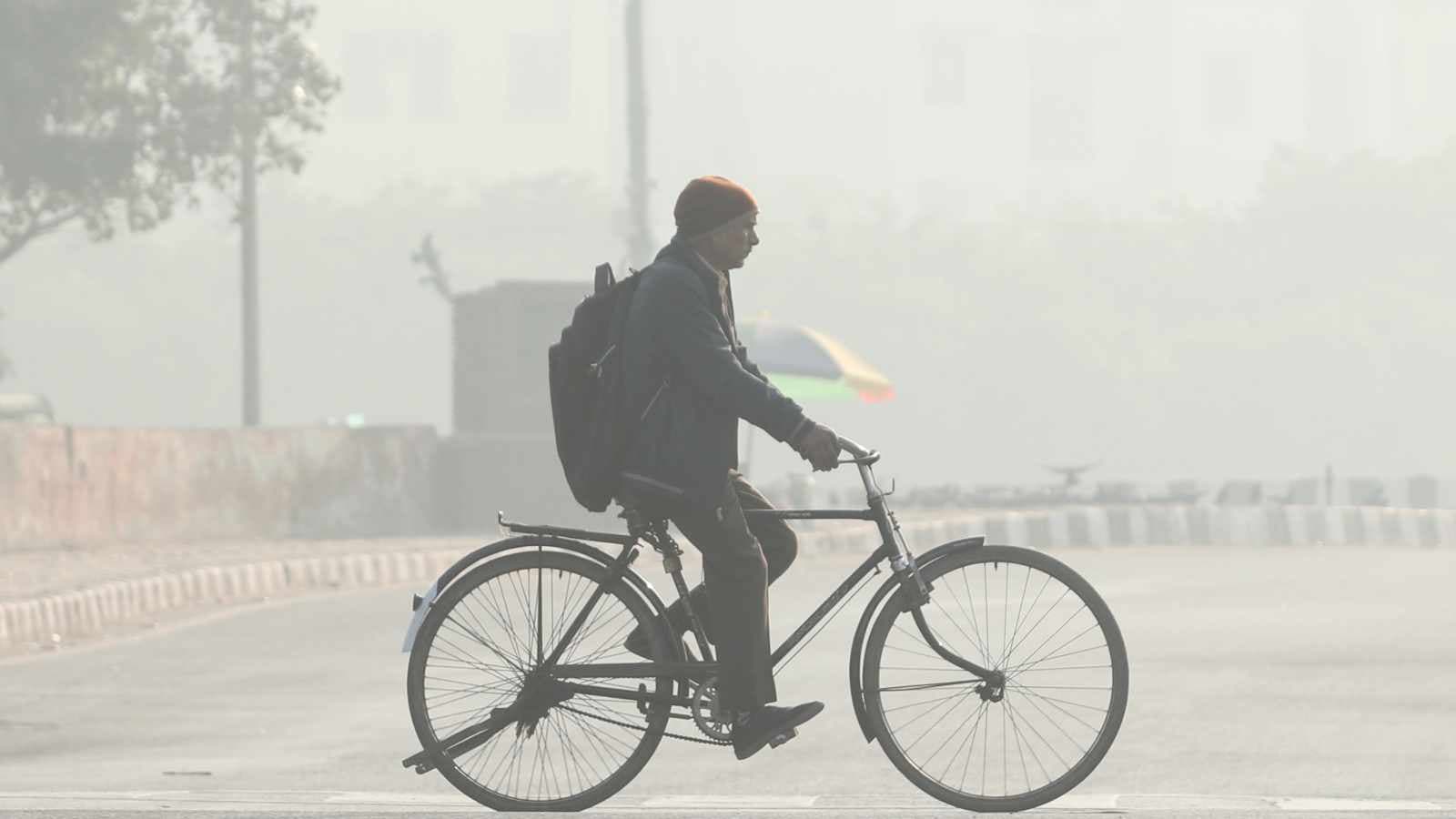
Experts noted that the study could reshape the way clean air plans are being developed in India by incorporating mitigation status as a key parameter in emission estimation and air quality planning. (File)A significant share of particulate matter emissions in Ludhiana in Punjab, a major industrial and manufacturing hub, and Varanasi in Uttar Pradesh, two contrasting districts in the Indo-Gangetic Plain (IGP), originates from fuel use occurring without adequate pollution controls or regulatory oversight, reveals a new study released Wednesday by the International Forum for Environment, Sustainability and Technology (iFOREST). The study, “Reducing Emissions from Unmitigated Fuel Usage: Data-Driven Strategies for Air Quality and Climate Action in IGP”, which presents the first district-level assessment in India to quantify unmitigated fuel use and the associated emissions across sectors, identified unmitigated fuel use as a major and largely overlooked contributor to air pollution in the Indo-Gangetic Plain (IGP).Unmitigated fuel refers to the combustion of any fuel, whether for productive end uses or other purposes, without the application of air pollution control devices (APCDs). According to the study, Ludhiana generates approximately 21,000 tonnes of PM 2.5 emissions annually, of which 54 per cent originates from unmitigated sources. In Varanasi, annual PM₂.₅ emissions are estimated at 14,000 tonnes, with 62 per cent remaining unmitigated. These findings point to a substantial gap in existing emission inventories and clean air planning approaches. The study also found that 65-70 per cent of PM2.5 emissions originate outside city boundaries. The study demonstrates that targeted interventions across key sectors could deliver substantial air quality improvements. Under an ambitious mitigation pathway extending to 2035, total PM₂.₅ emissions could be reduced by 60-70 per cent in both districts, highlighting the significant potential for cleaner fuel and technologies, along with stronger compliance and enforcement.Story continues below this ad The findings have important implications for India’s National Clean Air Programme (NCAP) and future air quality management strategies. By introducing a new framework for identifying and quantifying unmitigated fuel use, the study provides policymakers and regulators with a more comprehensive understanding of emission sources and mitigation opportunities beyond the city boundary. The report was launched during a webinar titled “The Missing Piece in India’s Clean Air Puzzle: Unmitigated Fuel Use and the Hidden Emissions Challenge”. Speaking at the report launch webinar, experts emphasised that current air quality management frameworks often focus on sectors while overlooking whether fuel use is adequately mitigated through pollution control technologies and regulatory compliance. As a result, a significant portion of emissions remains unaccounted for in mitigation strategies. Experts noted that the study could reshape the way clean air plans are being developed in India by incorporating mitigation status as a key parameter in emission estimation and air quality planning. The approach also offers a scalable methodology for other districts and states seeking to identify hidden emission sources and prioritise effective interventions. Key Highlights of the study:Story continues below this ad 54% of PM 2.5 emissions in Ludhiana district are unmitigated emissions from sectors such as un-regulated industries, agriculture burning, ferries, diesel generators, domestic and commercial cooking. Around 65-70% of emissions originate outside city boundaries. Commercial cooking is sector is characterized by an exceptionally high level of unmitigated emissions. Around 98% of commercial sector emissions occur without pollution controls, contributing. Despite high-level LPG penetration in Ludhiana district (more than 90%), domestic cooking using solid fuel remains

Discussion (0)