
Loading dispatches...
← Return to NewsroomPolitics
Centre asks States to complete fire safety audits of all hospitals by July 31
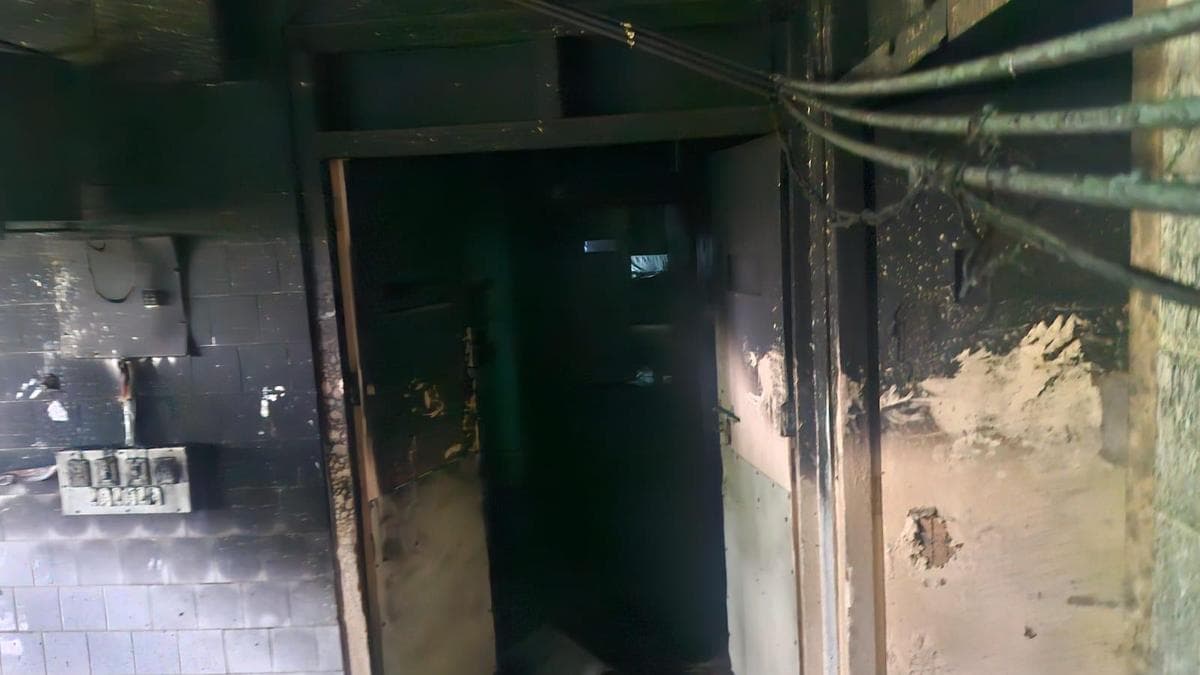
Recently, a fire was reported in the operation theatre of the Chigateri District Hospital in Davangere in Karnataka. | In a letter to States and UTs, Union Health Secretary Punya Salila Srivastava said fire safety should become an integral part of routine hospital management and patient safety protocols, rather than remain a one-time exercise.4,083 facilities complete auditPointing out that 4,083 secondary-level public and private hospitals had reported completion of fire safety audits on the IHIP portal during May, the Health Secretary in the letter said the actual number of audits conducted could be higher.The Ministry has now asked States to ensure that all hospitals, including private hospitals and nursing homes, conduct monthly fire safety audits through the IHIP portal.Special emphasis has been laid on high-risk areas such as Intensive Care Units (ICUs), Neonatal Intensive Care Units (NICUs), nurseries and other critical care units, where the consequences of a fire can be particularly severe.Recently, a fire was reported in the operation theatre of the Chigateri District Hospital in Davangere in Karnataka. However, there were no casualties as surgeries for the day had not yet commenced.The Ministry has also asked States to widely disseminate the updated National Guidelines on Fire and Life Safety in Healthcare Facilities among healthcare institutions to strengthen preparedness and reduce the risk of fire-related incidents.The Health Secretary urged States to personally monitor the exercise and ensure that fire safety remains a sustained priority across healthcare facilities.The special drive covering both public and private healthcare institutions is to be completed by July 31, with audit findings uploaded on the Ministry’s Integrated Health Information Platform, the letter added. Published - July 03, 2026 08:10 pm IST
The classroom inside a Narsingi labour camp was launched in May. | One by one, they eagerly raised their hands to read out the words they had just learnt, while, a few metres away, the rhythmic sounds of construction work continued as their parents worked on the high-rise towers reshaping Hyderabad’s skyline.For these children, all below the age of 10, school is no longer something left behind when their families move from one construction site to another. Instead, the classroom has come to them. Thirty seven students receiving education at the first-of-its-kind classroom inside a Narsingi labour camp was launched in May. | Two more schools, at construction sites run by Navanaami and BSR Developers in Narsingi, are ready for inauguration, with the Commissionerate aiming to eventually expand the model to around 100 labour camps across Cyberabad.Inside the classroom, the children spend nine hours each day (from 8 a.m. to 5 p.m.) learning English, Mathematics and Hindi, alongside playtime, soft skills and supervised breaks. During lunch, the children sat in a circle on the floor, enjoying meal served on disposable plates. Students served food during the lunch hours at the work-site school in Narsingi. Photo: By Arrangement Outside, towering residential blocks rise as high as 45 floors. Inside the labour camp, however, families live in rows of temporary blue shelters, often moving every few months in search of work. That constant movement disrupts children’s education, leaving many out of school altogether.The classroom also addresses another pressing concern: the safety of children left unattended in labour camps. Earlier this year, a mason was arrested for rape and murder of a four-year-old girl at the BSR labour colony in Puppalaguda while her parents were at the construction site. Her body was found in bushes near a construction site. In separate cases this year, courts sentenced two men to life imprisonment and another labourer to 10 years in prison for sexually assaulting minor girls while their parents were away at work. Several other cases of violence, including drunken brawls, have also been reported from labour camps across Hyderabad, increasing safety risk for children.“These workers come to Hyderabad with dreams of earning a better livelihood for their families. It is our responsibility to ensure that while they are here, their children are safe and have access to education,” said Cyberabad Police Commissioner M. Ramesh.For Shabnam, the school’s teacher, the past two months have been fulfilling. “Every morning, after their parents left for work, I would see children wandering aimlessly around the camp. I started teaching a few of them informally because I wanted them to learn something. When this school opened, I finally had the opportunity to teach all of them together,” she said.The job has also given her financial independence. Originally from Bihar, the Bachelor of Arts graduate, she earns ₹22,000 a month, paid by the developer while her son also attends the same classroom. Her husband works as a plumber at a residential project few metres away.For 10-year-old Shivam, school has brought something equally valuable.“I like coming here every day. We study, we play and we get homework that my sister Nandini and I complete together. Hindi is my favourite subject,” he said with a smile. “Earlier we mostly stayed inside the camp. Now we have friends and learn something new every day.”New washrooms and a de



Discussion (0)