
Loading dispatches...
← Return to NewsroomEconomy
Mint Explainer | Why is India doubling down on regional aviation despite UDAN's mixed record?
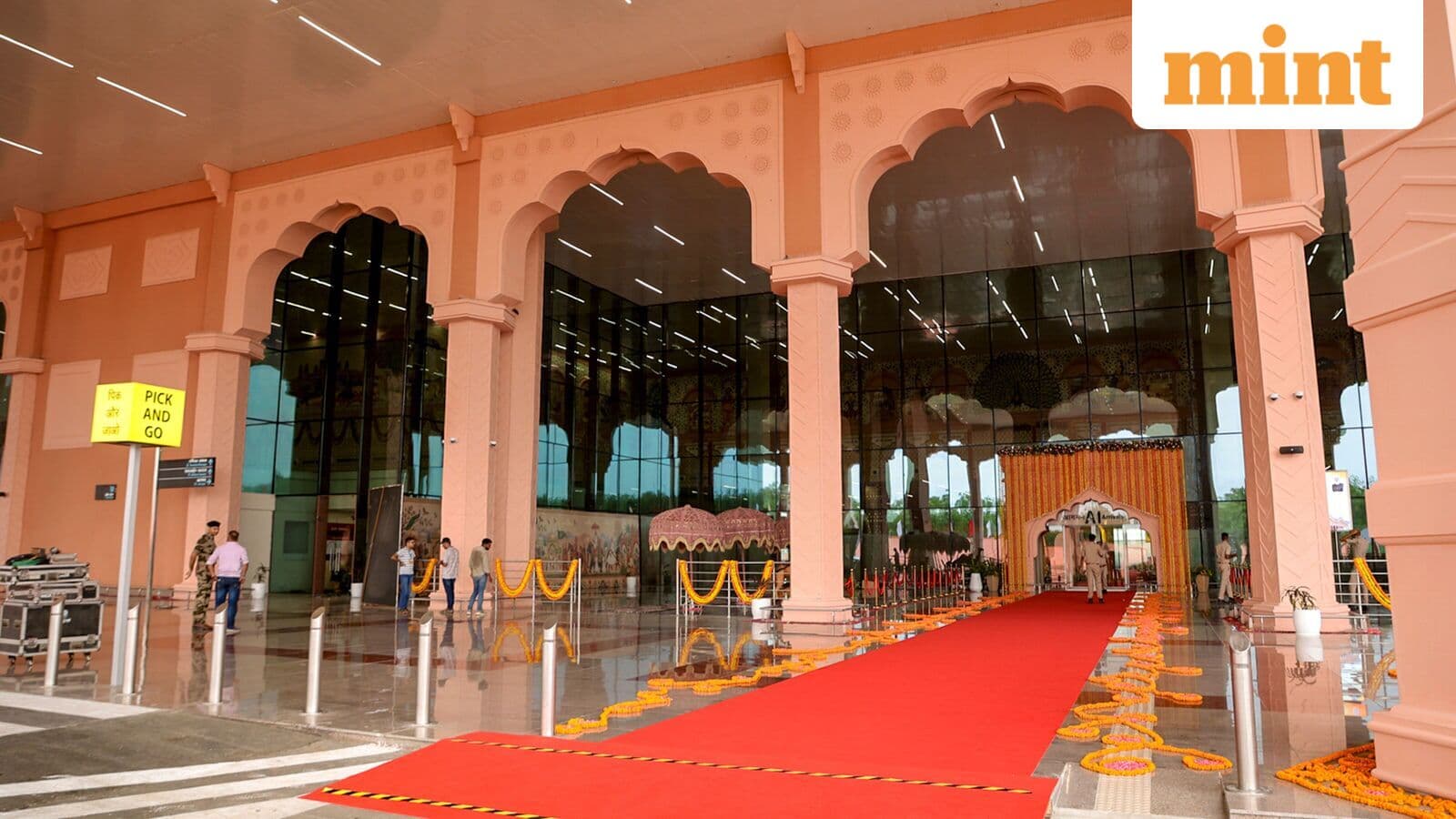
Prime Minister Narendra Modi inaugurated a new terminal at Jodhpur airport on Saturday. Photo: PTISummaryWith over half of the previously awarded routes failing to sustain operations, the revamped ‘Viksit UDAN’ policy bets on extended financial funding to keep flights to smaller towns commercially viable.Visuals of the striking new Rajputana-inspired Jodhpur airport terminal, with its sandstone façade, domes, arches, intricately carved columns, murals and artwork, went viral after Prime Minister Narendra Modi inaugurated the terminal on Saturday.However, the inauguration also put the spotlight back on UDAN, the government's flagship regional air connectivity scheme, as the PM used the occasion to formally launch its next phase: Viksit UDAN, with a ₹28,840-crore outlay over the next decade. Why is the government expanding these scheme despite its mixed record? Mint explains.What did UDAN set out to achieve?Launched in 2016 under the National Civil Aviation Policy, UDAN, short for Ude Desh ka Aam Nagrik, was meant to connect India’s underserved and unserved regions while keeping fares affordable.Airlines bid for routes and received viability gap funding to operate services that were unlikely to be commercially viable in the initial years. In return, fares on a fixed number of seats were capped, initially at around ₹2,500 for a one-hour flight.State governments supported the scheme by reducing VAT on aviation turbine fuel and waiving several airport-related charges. The larger objective was to stimulate economic activity, tourism and investment in smaller towns.Since its launch, UDAN has brought scheduled commercial flights to destinations such as Darbhanga in Bihar, Jharsuguda in Odisha, and Tezu in Arunachal Pradesh, many of which previously had little or no regular air connectivity.Has UDAN worked?UDAN has significantly expanded regional air connectivity, but its long-term sustainability remains uncertain. According to the government's reply in Parliament, 663 routes had been operationalized under the scheme as of 28 February 2026. Of these, 327 were discontinued because of factors including the covid-19 pandemic, aircraft shortages, supply chain disruptions, maintenance of aircraft and airport runways, and low passenger demand.In another parliamentary reply it said 15 airports developed under UDAN were not operational as of February 2026. Attempts are being made to revive and scale services to airports such as Kalaburagi, Bidar and Belagavi, while the airports across multiple states including at Pakyong in Sikkim and several in Uttar Pradesh, including Azamgarh, Aligarh, Moradabad, Kushinagar and Chitrakoot, have struggled to sustain scheduled commercial flights.What is different about Viksit UDAN?Unlike the original scheme, Viksit UDAN recognizes that many regional routes may require longer-term government support to remain operational. The revamped programme has a ₹28,840 crore outlay over 10 years, including about ₹10,000 crore for viability gap funding to support airlines operating regional routes. It aims to connect 120 new destinations, develop 100 additional aerodromes from existing airstrips, and build 200 helipads in remote, hilly, island and aspirational regions. The government expects the expanded scheme to carry 40 million additional passengers over the next decade.Why hasn't regional aviation taken off so far?Regional aviation has struggled because many routes have remained commercially unviable despite government support. A 2023 audit by the Comptroller and Auditor General found that only 54 of the 774 routes awarded under the first three rounds of UDAN, or about 7%, remained sustainable beyond the three-year concession period without government support, while more than half the awarded routes never commenced operations.Airlines have grappled with weak demand, aircraft shortages, maintenance issues and high operating costs. Several regional carriers that won UDAN routes, including Air Odisha, Air Deccan, Tru



Discussion (0)