
Loading dispatches...
← Return to NewsroomWorld
Yemen's Houthis declare naval blockade against Saudi Arabia

S. and Iran Trade Attacks, After Killing of U.S. Soldiers The New York Times Houthis announce Saudi naval blockade, threatening new front in US-Iran war Reuters Yemen's Houthis announce 'maritime embargo' against Saudi Arabia BBC Yemen’s Houthis declare naval blockade of Saudi Arabia: What to know Al Jazeera
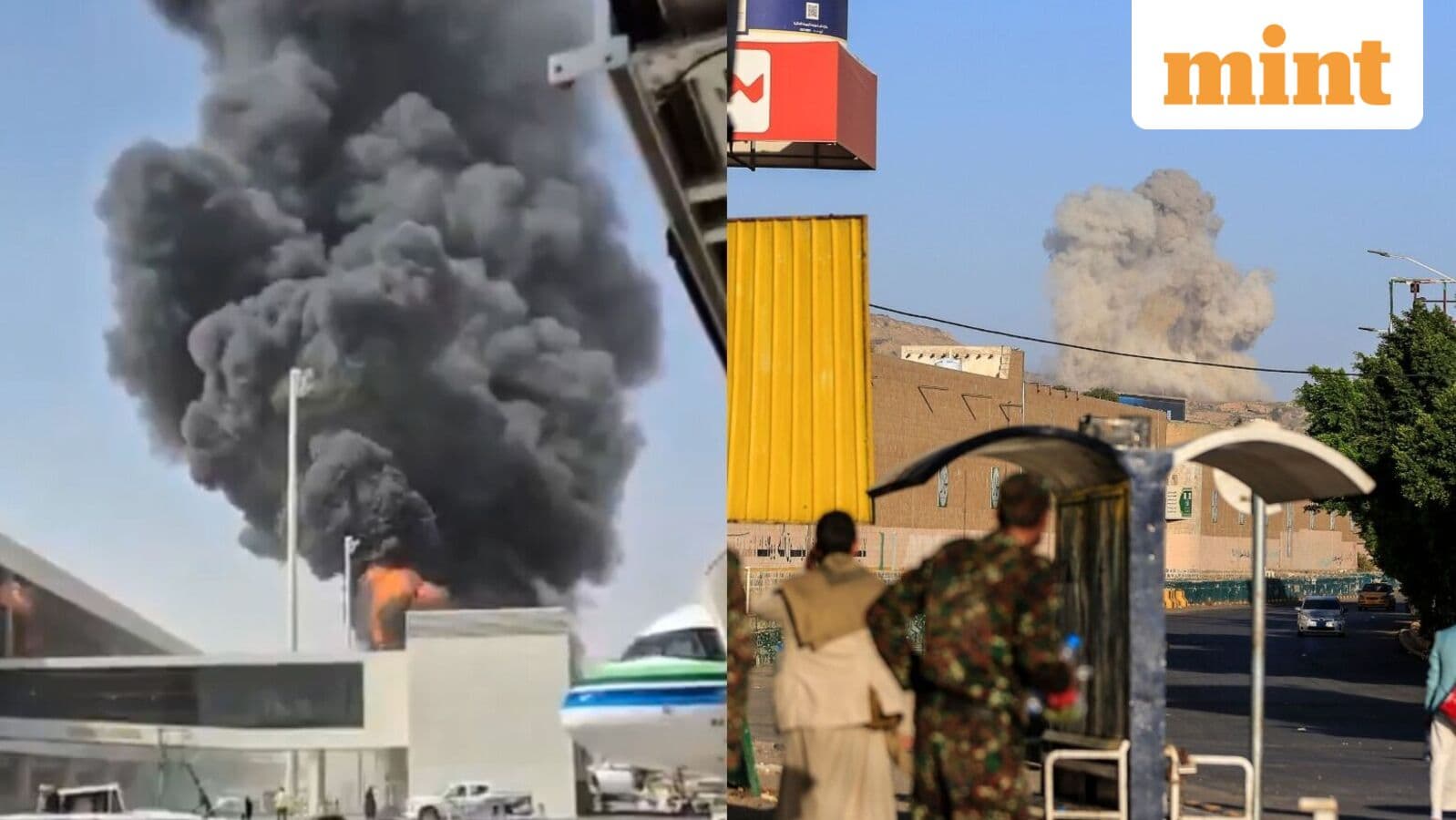
Sanaa, Yemen – Both Yemen’s internationally recognised government and the Houthi rebel group began mobilising fighters in late June. Then, on July 3, the first publicly announced flight between Tehran and Sanaa for more than a decade landed in the Houthi-controlled Yemeni capital, creating new tensions. Fighting during the next day between the two sides in western Yemen’s Hodeidah governorate killed dozens, the worst violence in four years.And then, on Monday, the attempted landing of another flight from Tehran in Sanaa led to the bombing of the airport’s runway by the Yemeni government, and the firing of Houthi ballistic missiles at Saudi Arabia.Recommended Stories list of 3 itemslist 1 of 3Leading Houthi threatens ‘siege’ on Saudi Arabia after Yemen airport attacklist 2 of 3Iran lawmakers present Hormuz management bill as US war heats uplist 3 of 3How new Yemen tensions could complicate the global energy crisisend of listYemen’s Defence Minister Taher al-Aqili said that the government’s “patience has run out”. Houthi military spokesperson Yahya Saree said that the “de-escalation phase” of Yemen’s war was over.Yemen’s war, now more than 10 years old, had been cold since a truce was agreed in 2022. But, with the Houthis’ main ally Iran fighting the US and bombing the Gulf, the conflict in the Middle East’s poorest country may be about to reignite, plunging Yemen back into large-scale war.Regional threatsThe Houthis have blamed Saudi Arabia for the attack on Sanaa airport, despite the Yemeni government’s claim that it was responsible.Salah Ali Salah, a researcher at the Sanaa Center for Strategic Studies, described the recent rhetoric from the Houthis as “striking”, and pointed out that the consequences of their actions will not be limited to the front lines in Yemen.“The Houthis have openly rejected the continuation of the ‘no war, no peace’ status quo while simultaneously expanding campaigns to mobilise fighters and the broader population,” Salah told Al Jazeera. “This rhetoric is not solely intended to augment internal mobilisation or contain the growing social and economic pressures that have grown during prolonged periods of relative calm on the front lines. Rather, it appears to be preparing the political and propaganda landscape for another phase of war that could have repercussions on the region.”The war between Iran and the US has demonstrated the problems spillover from regional conflicts can have on Gulf security. And as Iran attacks the Gulf from the east, the fear is that the Houthis will attack from the south – as they have done in the past, during the height of the Yemen war.“The Houthis possess both the geographic position and the military capabilities to make them one of the most consequential actors capable of exerting pressure on Gulf states or disrupting maritime traffic in the Red Sea,” Salah said.But that doesn’t mean it is certain, and there would be consequences for the Houthis. They have already come under heavy attack over the past few years from Israel, the United Kingdom, and the United States, after it launched strikes disrupting shipping in the Red Sea following the beginning of Israel’s genocidal war on Gaza.Those attacks have been punishing for the Houthis, and for the Yemenis in the areas of northwest Yemen under their control. They would have to justify any move towards war, or risk unrest from the populace.“From this perspective, the Houthi renewed focus on Saudi Arabia [and] the blockade [of Sanaa Airport] … can be interpreted as an attempt to reconstruct a local narrative that portrays any future escalation with the Gulf as an extension of the Yemeni conflict, rather than simply a reflection of regional tensions or the interests of the Houthis’ allies [Iran and Hezbollah],” Salah said.With the continuing mobilisation and pro-war discourse, Salah said that the Houthis are rearranging their priorities, working to redefine the “next enemy” and preparing public opinion for the possibility of a n


Discussion (0)