
Loading dispatches...
← Return to Newsroomgeneral
Sheikh Hasinas daughter questions WHO action against her, calls for investigation
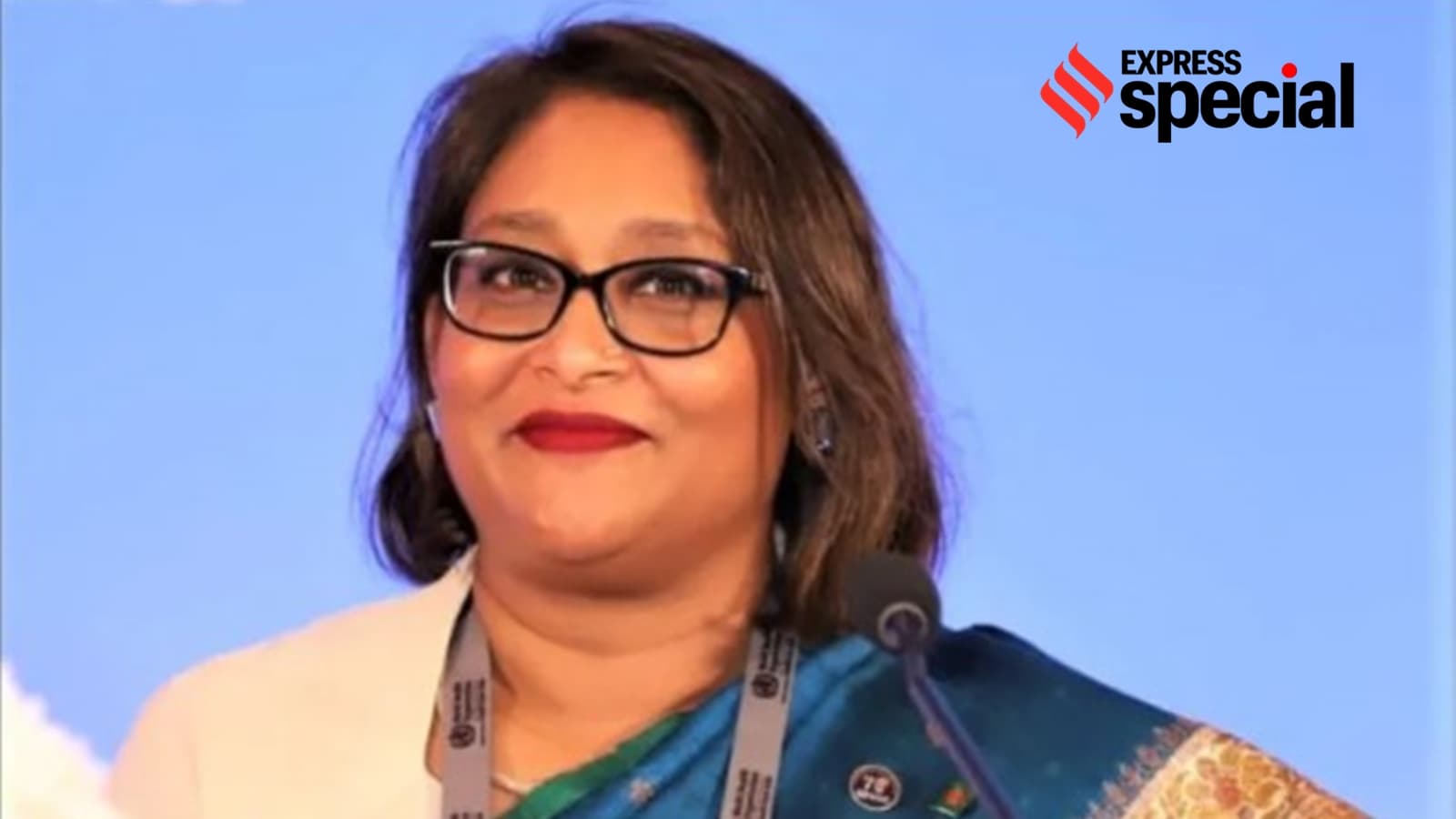
New DelhiAug 19, 2026 05:20 AM IST Saima Wazed has alleged the action was taken at behest of the then interim Bangladesh govt led by Mohammad Yunus. (File Photo)Ousted Bangladesh Prime Minister Sheikh Hasina’s daughter Saima Wazed, who took charge as the World Health Organisation’s Regional Director for the South-East Asia Region in February 2024 but was placed on indefinite leave in July last year, has sought an independent investigation into the action against her, The Indian Express has learnt. Wazed is learnt to have raised the matter with WHO and its Director General, Tedros Ghebreyesus, repeatedly over the last eight months, seeking transparency over the decision. The latest communication was sent last month, through her legal representatives, warning of legal recourse.WHO placed Wazed on indefinite leave on July 11, 2025, pending an inquiry, four months after Bangladesh’s Anti Corruption Commission (ACC) filed two cases against her on charges of corruption, fraud and abuse of power. An acting regional director was named, whose term has since ended. Wazed is learnt to have alleged that the action was taken at the behest of the then interim government in Bangladesh led by Mohammad Yunus, overlooking due process. Alleging that WHO failed to explain its action, she has asked if any formal inquiry is being conducted while she remains on leave for over a year now. Besides misconduct, she has also accused WHO of bias and harassment, The Indian Express has learnt. According to sources, while WHO acknowledged some of her emails, it is yet to provide clarity on any ongoing review of the complaints against her. Sources said the decision to place Wazed on leave was communicated to WHO staff in an internal email from the Director General. According to sources, the email suggested that the Bangladesh government’s objections, questions over the legitimacy of her election, and the ACC cases were all factors behind the decision. When contacted by The Indian Express, Wazed refused to comment on the issue.Story continues below this ad Responding to email queries from The Indian Express, WHO confirmed that Wazed “remains on leave”. “There are established channels for staff members who wish to raise complaints of the nature of those referred to in the questions… However, we do not comment on specific cases, where we have a duty to maintain confidentiality,” it said in an email. Sources said Wazed has raised several “concerns”, including WHO’s alleged direct communication and dealings with Bangladesh’s ACC and other officials of the then interim government, alleging a breach of due process and protocol for diplomatic communication. She is also learnt to have alleged misrepresentation of facts to member states — including India, who voted for her nomination to the post of Regional Director, SEARO, headquartered in New Delhi — thereby causing damage to her reputation. While India is learnt to have raised the matter with WHO through appropriate channels, it has not issued any official comment on the matter.Story continues below this ad “WHO’s decision to place Wazed on leave immediately on receipt of a political request is significantly different to how the organisation responded when Tedros himself faced similar attacks from Ethiopia,” said a source. The source said this was particularly questionable given that Wazed was tried in absentia in Dhaka and declared a fugitive. “WHO has yet to provide a full public explanation of how information received from external political actors was assessed, verified, and weighed before action was taken against an elected regional director,” said the source. Wazed has alleged that she continues to be targeted, at the behest of the Bangladesh government, for being Hasina’s daughter, overlooking her own credentials and work in healthcare. According to sources, she was initially sent on leave with pay, but was placed “on administrative leave without pay” after some months, as she raised the matter. W
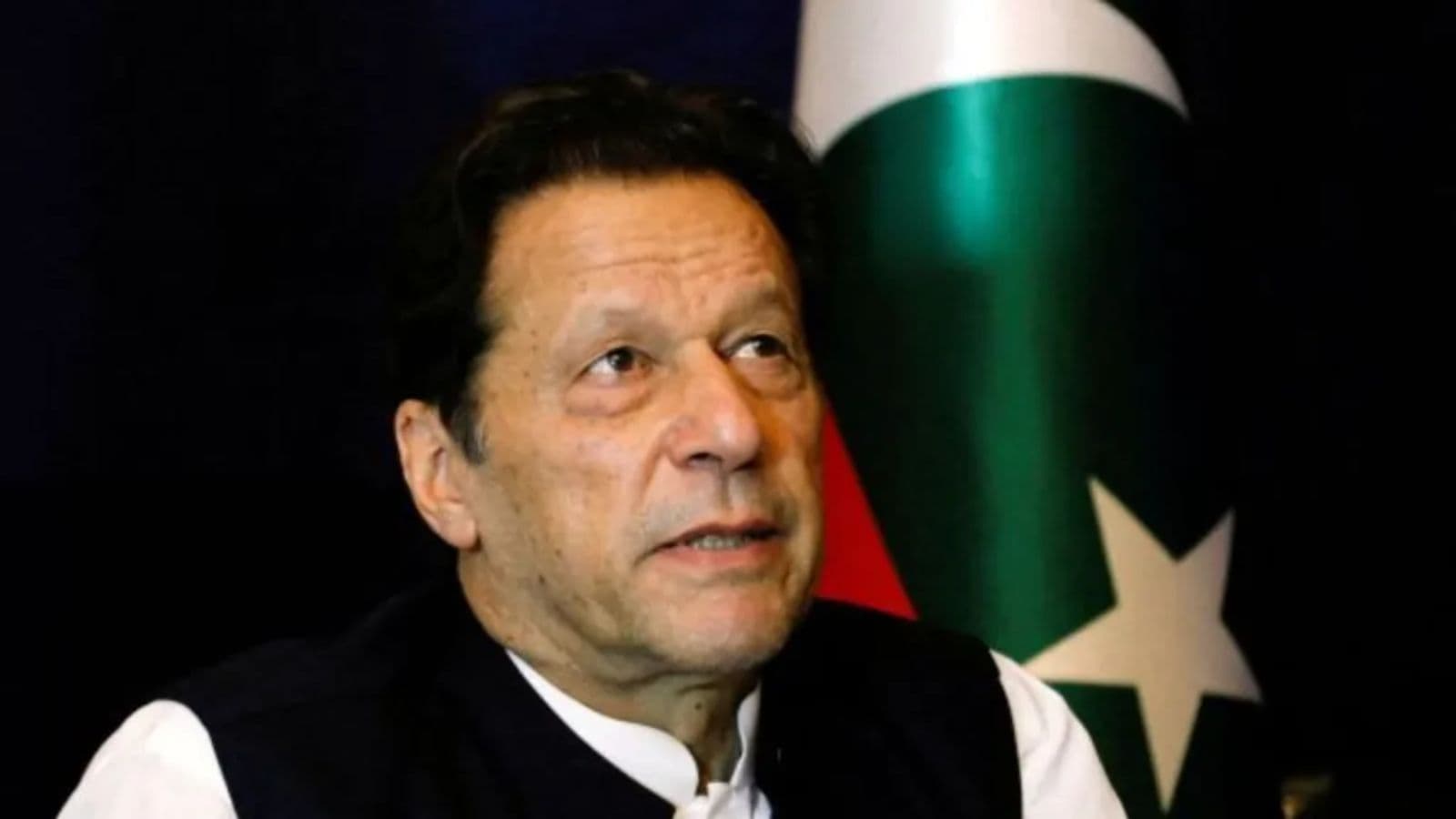
NewsWorldImran Khan's eye condition 'almost normal': Pakistan jail to top court Pakistan's Supreme Court has been told that jailed former prime minister Imran Khan's eye condition has improved and his vision is now almost normal, a day before the court hears his plea for private treatment. 2 min readAug 18, 2026 09:25 AM IST First published on: Aug 18, 2026 at 09:25 AM IST The report said that Khan was treated properly since his medical condition surfaced. (File Photo) Jailed former prime minister Imran Khan’s eyesight has improved considerably and is now close to normal, prison authorities told Pakistan’s Supreme Court on Monday, a day ahead of a hearing on his request to be treated at a private Islamabad hospital. The plea, filed on Khan’s behalf, seeks his treatment at Shifa International, a leading private medical facility in the capital.Khan, who founded the Pakistan Tehreek-e-Insaf party and has been in jail since August 2023, has been taken to the Pakistan Institute of Medical Sciences (PIMS) in Islamabad several times for treatment of his eye condition — right central retinal vein occlusion (CRVO) — first reported in late January. What the jail report said Officials at Rawalpindi’s Adiala Jail submitted a report to the Supreme Court on the 73-year-old leader’s current health, PTI reported. According to the report, Khan’s eye had shown clear improvement, and his sight had returned to nearly normal. The report said doctors treating Khan at PIMS included the hospital’s head of ophthalmology and a retina surgeon from a Rawalpindi eye hospital, and argued this showed the jail administration had made a genuine effort to give him proper medical care.Story continues below this ad It added that medical staff checked on Khan three times a day, monitoring his meals, blood pressure, heart rate and oxygen levels, and that his full medical record had been kept since he was jailed. Several outside specialists had also visited him for check-ups, the report said. The report said both Khan and his wife, Bushra Bibi, who is held at the same facility, were receiving proper healthcare, adding that their wellbeing mattered a great deal to the jail administration. It also said the couple had been allowed to meet regularly every Tuesday, with 84 such meetings recorded so far. The jail authorities asked the court to dismiss Khan’s plea, saying it had no merit. A three-judge bench, led by Justice Shahid Wahid and including Justice Naeem Akhtar Afghan and Justice Ishtiaq Ibrahim, was set to take up the case on August 18.Story continues below this ad Khan has been in custody since 5 August 2023, when he was arrested at his home in Lahore following a corruption conviction. The Express Global Desk at indianexpress.com which delivers authoritative, verified, and context-driven coverage of key international developments shaping global politics, policy, and migration trends. The desk focuses on stories with direct relevance for Indian and global audiences, combining breaking news with in-depth explainers and analysis. A major focus area of the desk is US immigration and visa policy, including developments related to student visas, work permits, permanent residency pathways, executive actions, and court rulings. The Global Desk also closely tracks Canada’s immigration, visa, and study policies, covering changes to study permits, post-study work options, permanent residence programmes, and regulatory updates affecting migrants and international students. All reporting from the Global Desk adheres to The Indian Express’ editorial standards, relying on official data, government notifications, court documents, and on-record sources. The desk prioritises clarity, accuracy, and accountability, ensuring readers can navigate complex global systems with confidence. Core Team The Express Global Desk is led by a team of experienced journalists and editors with deep expertise in international affairs and migration policy: Aniruddha Dhar – Senio
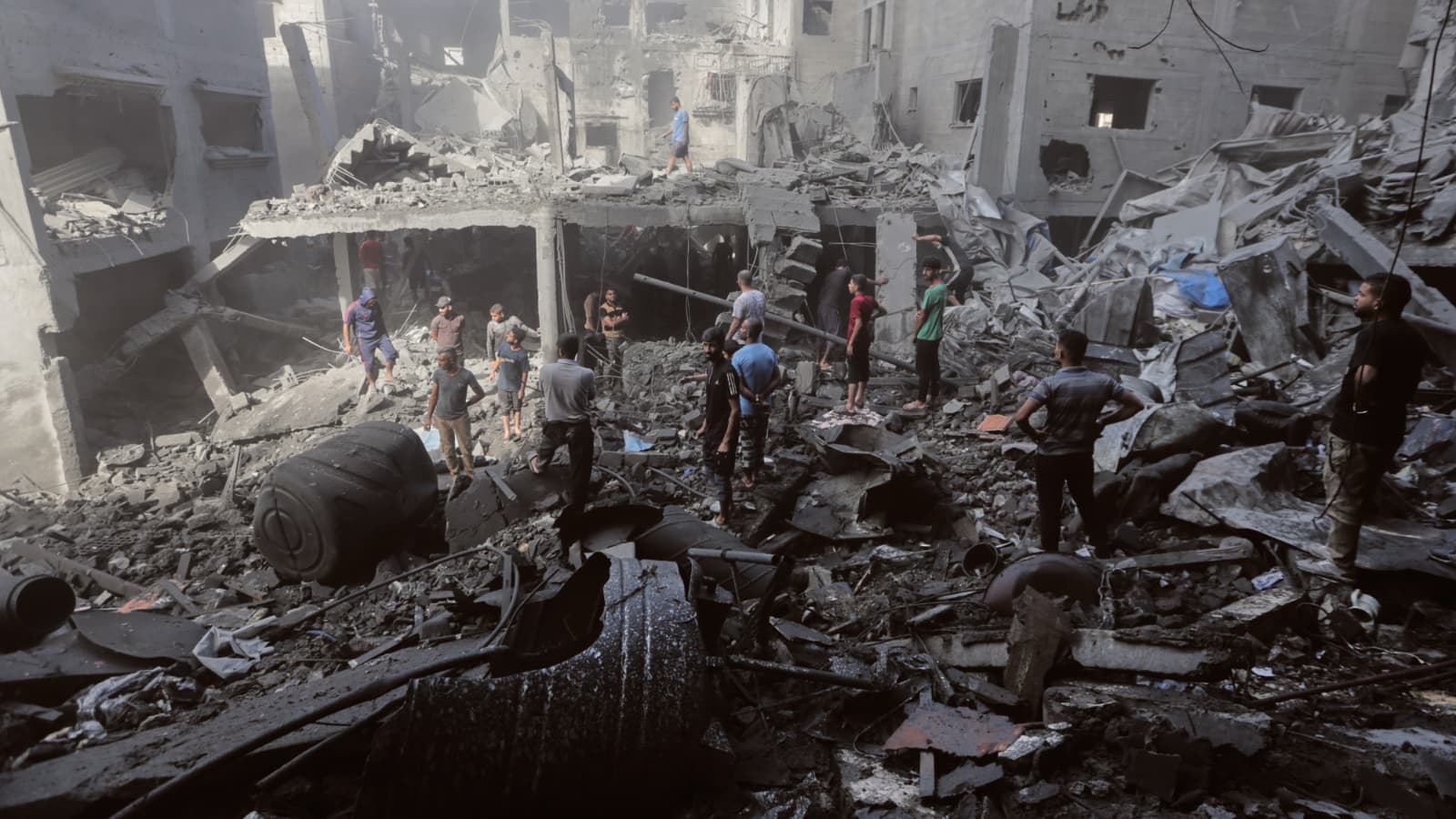
New DelhiAug 17, 2026 07:56 PM IST Palestinians inspect the rubble of a building, destroyed by an Israeli army strike at Al-Shati camp in Gaza City. (AP Photo)A lawmaker in Israeli Prime Minister Benjamin Netanyahu’s cabinet has publicly advocated for killing “30 to 40” people in Gaza every night as Tel Aviv rejected US President Donald Trump’s 15-point plan for Gaza, stating earlier that the Israeli military will not leave the territory until Hamas is “genuinely” disarmed. The comments made by Israel’s Minister of National Security Itamar Ben-Gvir surfaced on Sunday and were swiftly shared by Palestinian media.“I see all of Gaza as ours,” Ben-Gvir said in the interview. “Settlements not just in Gush Katif but throughout Gaza, encouraging as much emigration as possible, sending them to their countries, and for the terrorists, no emigration, nothing, just to kill them one by one.” Israeli minister calls for more killings in Gaza The minister was speaking to a Rom Braslavski, who was earlier held hostage in Gaza, on the latter’s podcast. The pair were discussing Tel Aviv’s recovery from militant group Hamas’ attack of October 7, 2023, when Ben-Gvir criticised Israel’s recent cutback of strikes in Gaza, AP reported. “It’s no secret, I disagree with the prime minister,” Ben-Gvir told Braslavski in the podcast. “I think targeted assassinations should be carried out in Gaza, taking down 30 to 40 every night. Not just those who pose an immediate threat — there are people there who are not worthy of life. They shouldn’t live. They’re not even people.” Ben-Gvir’s remarks have drawn condemnation Similar statements by Ben-Gvir and other Israeli officials have been condemned in the past. And such comments have even been presented as evidence in the International Court of Justice as evidence of genocidal intent. However, Israel has reiterated its stance that it hasn’t committed any genocide in Gaza. October 7 attack triggered Gaza war The attack on Israel by Hamas in October 2023 led to the killing of 1,200 people, and another 251 were taken hostage. The attack triggered a violent conflict between Israel and Gaza, Lebanon-based Hezbollah, and Yemen’s Houthi rebels.Story continues below this ad More than 1,250 killed since ceasefire Israel has continued to strike Gaza nearly every day since a US-backed ceasefire was announced last October. More than 1,250 people have been killed since the truce deal came into effect, according to Gaza’s Health Ministry. Netanyahu rejects Trump’s 15-point Gaza plan Trump’s Board of Peace said in July that it had reached an agreement for the “complete disarmament” of Hamas and other armed groups in Gaza. But Netanyahu said, “Israel rejects the 15-point document.” The Express Global Desk at indianexpress.com which delivers authoritative, verified, and context-driven coverage of key international developments shaping global politics, policy, and migration trends. The desk focuses on stories with direct relevance for Indian and global audiences, combining breaking news with in-depth explainers and analysis. A major focus area of the desk is US immigration and visa policy, including developments related to student visas, work permits, permanent residency pathways, executive actions, and court rulings. The Global Desk also closely tracks Canada’s immigration, visa, and study policies, covering changes to study permits, post-study work options, permanent residence programmes, and regulatory updates affecting migrants and international students. All reporting from the Global Desk adheres to The Indian Express’ editorial standards, relying on official data, government notifications, court documents, and on-record sources. The desk prioritises clarity, accuracy, and accountability, ensuring readers can navigate complex global systems with confidence. Core Team The Express Global Desk is led by a team of experienced journalists and editors with deep expertise in international affairs and migration polic

The question of Punjab’s river waters must be settled through constitutional processes. 3 min readAug 17, 2026 06:00 AM IST First published on: Aug 17, 2026 at 06:00 AM IST The attack on Shiromani Akali Dal president Sukhbir Singh Badal in Nanded is reprehensible. The investigation will shine more light on this disturbing episode, but in Punjab, it can be said to be the latest in a recent series of developments that have deepened a sense of unease. In no particular order: Chief Minister Bhagwant Mann called on the Governor to seek a 10-day parole for Jagtar Singh Hawara, one of the convicts in the 1995 assassination of former Chief Minister Beant Singh; Satluj, a film that streamed for only a few hours, has revived memories of Punjab’s dark decade of militancy; a march to Chandigarh by the Shiromani Akali Dal (Waris Punjab De) demanded the release of its jailed leader, Khadoor Sahib MP Amritpal Singh, and other prisoners of the militancy era, the Bandi Singhs. It is striking that a state confronted by a host of pressing challenges, be it drugs, gangsters, a faltering agricultural economy or the continuing exodus of its young, should be spending so much political energy looking backwards. The renewed traction around the Bandi Singhs, particularly among the young, shows how unresolved history can travel across generations. Issues rooted in the panthic imagination can be recast for a generation that did not experience the violence but has inherited its unanswered questions. Political parties must take the blame for turning such issues into electoral instruments, but failure to resolve several longstanding questions has handed them this ammunition. Chandigarh, the sharing of river waters and the status of Sikh prisoners are unresolved legacies that have been allowed to fester for decades. It’s time to confront these issues rather than repeatedly rediscover them at election time.The question of Punjab’s river waters must be settled through constitutional processes. The cases of Sikh prisoners, including those convicted in high-profile assassinations, must be considered through the framework of law and justice, though the passage of time has added another layer to the debate: The perception of discrimination. Political parties must understand that emotions cannot be turned on and off, come elections, at will. Once unleashed, they acquire a life of their own and can overwhelm the very political actors who sought to harness them.
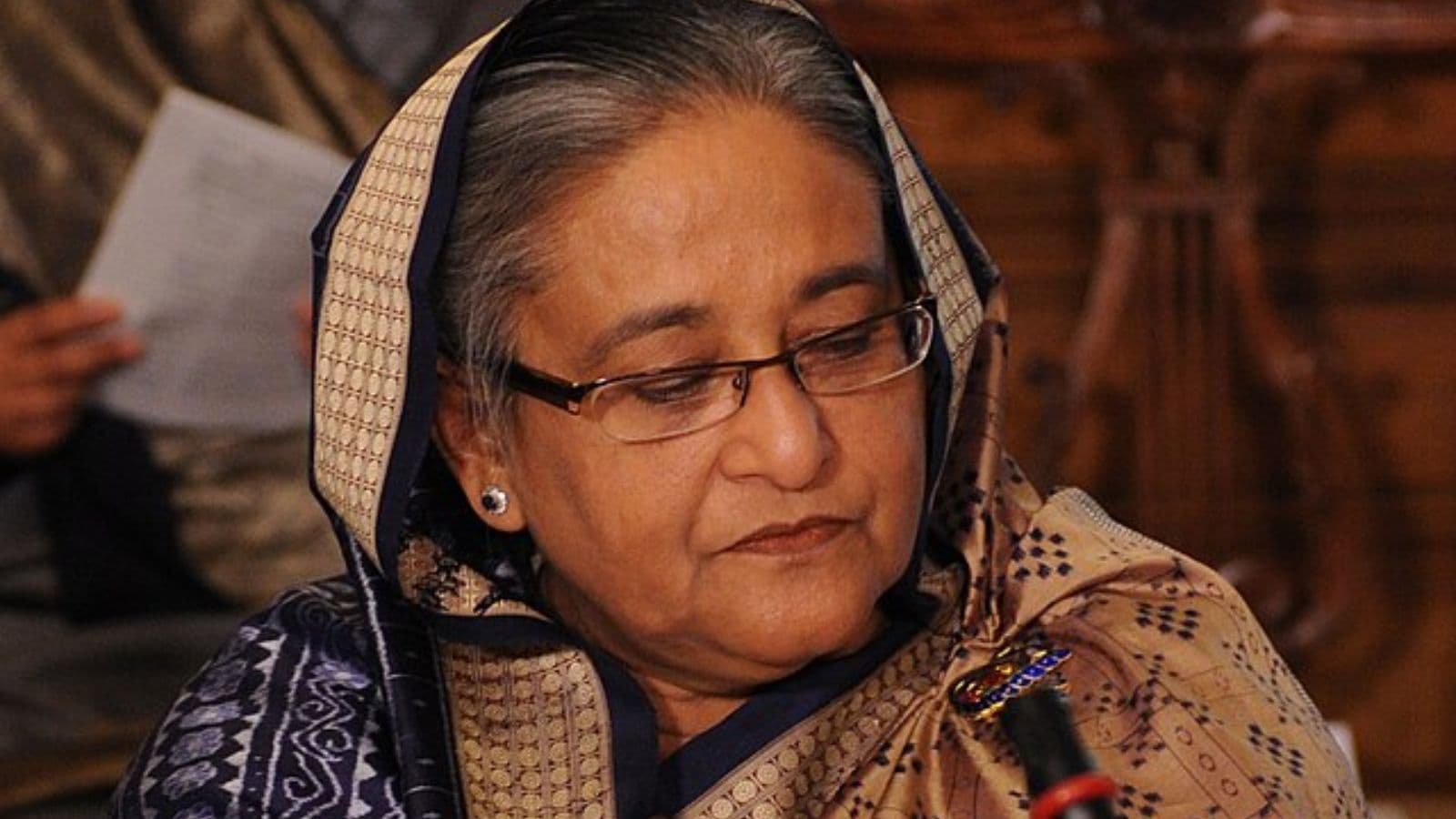
New DelhiAug 6, 2026 04:20 AM IST Cannot stay away while my countrymen are suffering: Ex-PM Sheikh Hasina.(Wikimedia Commons Photo)Declaring that her “life moved beyond calculations of personal safety long ago”, former Bangladesh Prime Minister Sheikh Hasina, who has been living in India ever since her ouster in August 2024, said Wednesday that she plans to return to her country, stand with its people and help improve their lives. Asked when she plans to return, Hasina referred to the 1971 Bangladesh liberation war and said, “December is our victory month, so I want to go back in the month of December.”She faces a death sentence in Bangladesh and her party, the Awami League, has been banned. Addressing a press conference at the Foreign Correspondents’ Club of South Asia in New Delhi via an audio link, she said, “Whatever fate awaits me, I will return to my people. I cannot stay away while my beloved countrymen are suffering. I know I may be detained. I may be sent to prison. They may try to enforce verdicts in fabricated cases, but fear cannot decide my duty to the people. My life moved beyond calculations of personal safety long ago… I know that they may put me in jail or they may kill me.” “There were 19 assassination attempts against me… I am not worried about my own future, I am worried about the future of Bangladesh. I want to return because the people deserve security, development, prosperity and peace,” she said. “They deserve a state that protects them, an economy that gives them opportunity, and democracy that gives them rights. My return and the return of the family to the democratic process is not about power. It is about putting Bangladesh back on the right track. It is about reviving the country’s path of development, progress, secularism and stability. I want to return to Bangladesh for one purpose: to stand beside the people and help improve their lives. People are the source of all power. I believe in them. I trust them. I love them and I will return to them,” Hasina said. Reacting sharply to the event, the Bangladesh Foreign Ministry said on Wednesday: “Bangladesh is outraged that the absconding convicted genocider Sheikh Hasina was allowed this evening to engage in live interaction with the media in New Delhi where she and her henchmen launched venomous vitriol against the State of Bangladesh and her people.”Story continues below this ad “Dhaka deeply regrets that in spite of concerns conveyed a priori to the Government of India about the likely ramifications of this event on the reset of our bilateral relations, this public event was permitted to be held,” the statement added. It said that while Dhaka wishes to maintain a constructive, mutually beneficial and forward-looking relationship with India “…allowing her (Hasina) the opportunity to openly interact with the media under any pretext is deeply hurtful to our people’s sentiment and detrimental to the development of harmonious bilateral relations between Bangladesh and India.” On Tuesday, the Ministry of External Affairs, moving to address concerns in Dhaka, had made it clear that it was neither involved in nor was it going to endorse any view aired during Hasina’s media interaction. Hasina’s son praises India On how the Indian government had been treating her, Hasina’s son Sajeeb Wazed Joy, who had been an advisor in her government, said, “With regards to how they are treating her, they are treating her like a head of state. They are treating her very well. She is staying with the full services and security of the Head of State… Prime Minister Modi’s government has shown her the utmost respect, and for that I am eternally grateful.”Story continues below this ad Asked whether his mother had any regret for the killing of students and protesters in July-August 2024, Joy said, “Look, this question of regret and apologies has been raised, but you see the Yunus regime and the BNP regime has continued… They have legalized killings – the killings of
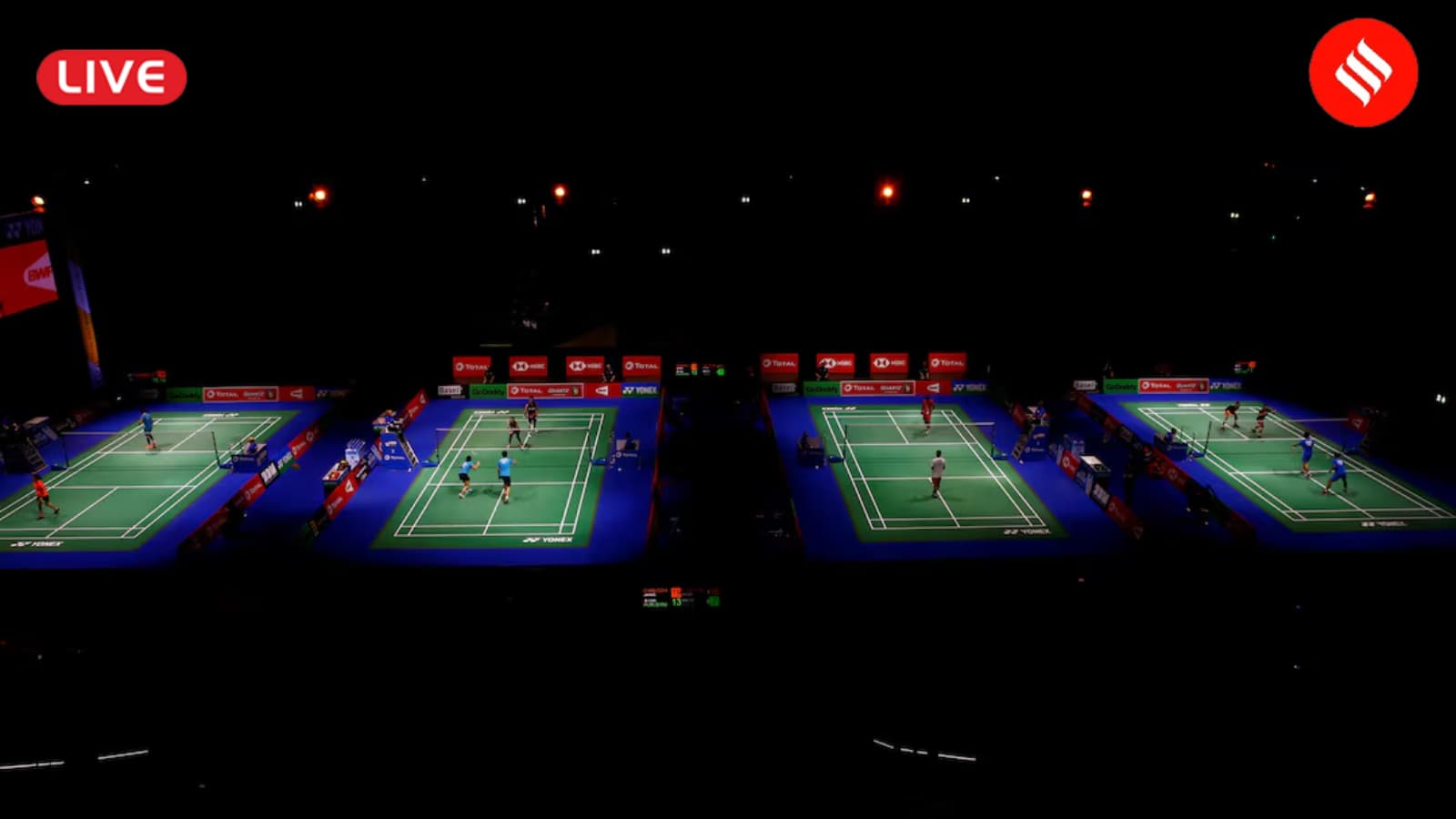
Follow live updates of BWF Badminton World Championship draw. (Reuters)The draw for the BWF World Championships 2026 will be held in New Delhi on Wednesday, setting the stage for the tournament that runs from August 17 to 23 at the Indira Gandhi Stadium. The drawing ceremony is scheduled to begin at 2:30 PM IST. With India fielding two entries in all five categories, the host nation has secured seeded representation in four of them, led by Asian Games gold medallists Satwiksairaj Rankireddy and Chirag Shetty, who are seeded fifth in men’s doubles. PV Sindhu, coming off a Japan Open title, is seeded ninth in women’s singles. The two-time Olympic medallist will be joined by former World Championships bronze medallist Lakshya Sen, seeded 14th in men’s singles. In mixed doubles, the pairing of Dhruv Kapila and Tanisha Crasto has received the 15th seed.Story continues below this ad While Chinese and South Korean shuttlers dominate the top seedings – Shi Yuqi (men’s singles) and An Se Young (women’s singles) lead the charts – the Indian contingent will look to capitalise on home support as the marquee event has returned to the country after 17 years with the 2009 edition being held in Hyderabad. The final seedings could see adjustments if any seeded players withdraw before the draw. Scroll down to follow live updates of Badminton World Championships 2026 draw ceremony Live Updates Badminton World Championships: PV Sindhu seeded 9th, Satwik-Chirag 5th The Indians will be playing in front of the home crowd as the marquee event has returned to the country after 17 years with the 2009 edition being held in Hyderabad. (BAI media) Double Olympic medallist PV Sindhu will be seeded ninth while 2022 Asian Games champion men’s doubles pair Satwiksairaj Rankireddy and Chirag Shetty have been handed the fifth seeding for the upcoming BWF World Championships scheduled from August 17-23 at the Indira Gandhi Stadium, New Delhi. India has two more seeded entries, with former World Championships bronze medallist Lakshya Sen seeded 14th in men’s singles and the mixed doubles pairing of Dhruv Kapila and Tanisha Crasto seeded 15th. (READ MORE) © IE Online Media Services Pvt Ltd Tags: badminton Badminton World Championship BWF BWF World Championships India Badminton India Badminton news
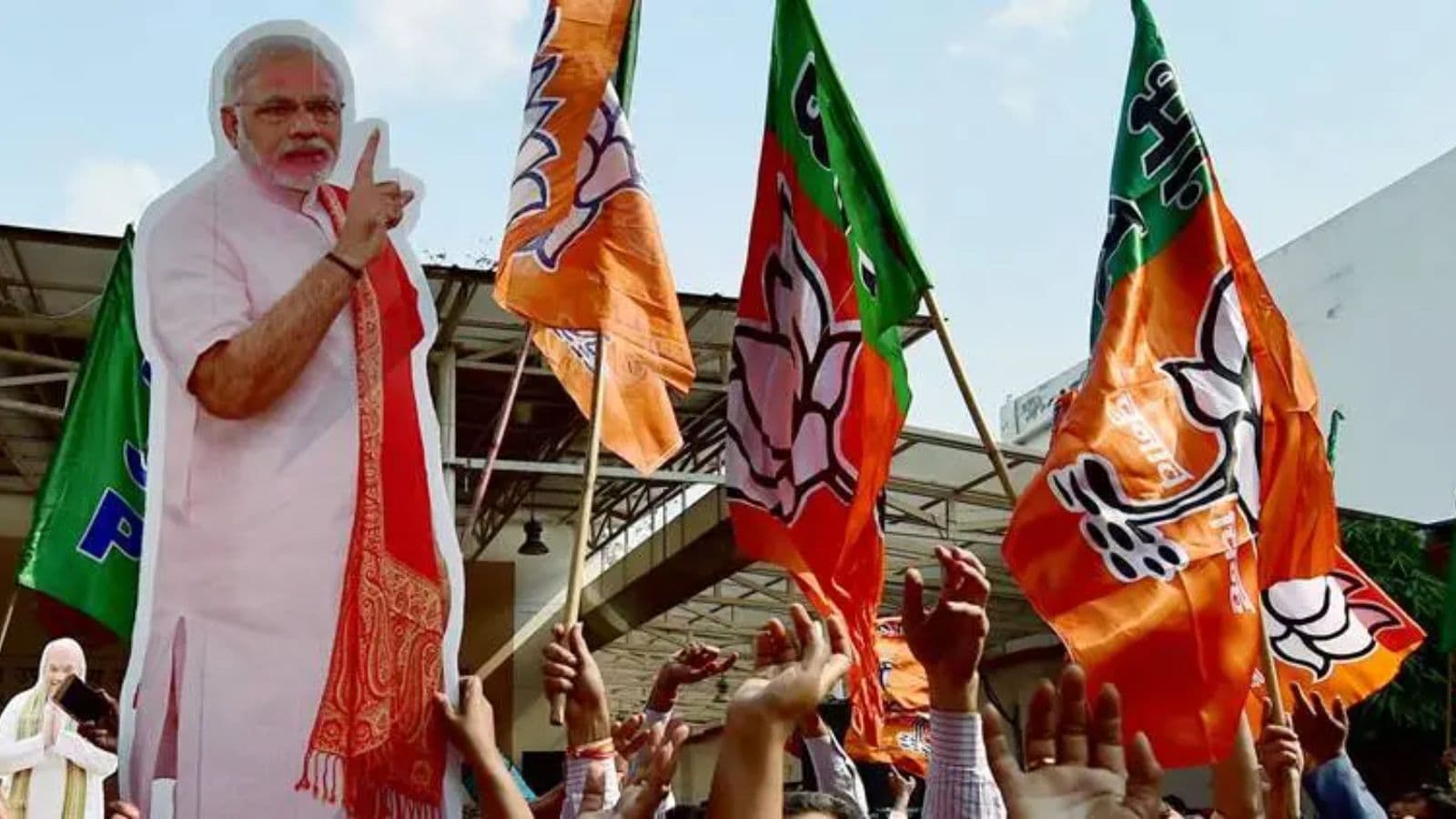
The organisational overhaul followed an intense day of introspection within the BJP. (File photo) 3 min readBhopalAug 4, 2026 09:58 PM IST First published on: Aug 4, 2026 at 09:58 PM IST Less than 24 hours after suffering one of its most politically significant defeats in recent years, the Bharatiya Janata Party’s Madhya Pradesh unit on Tuesday dissolved its entire Datia district organisation, signalling the scale of introspection triggered by the party’s loss in the high-stakes Assembly by-election. In an order issued by BJP state office secretary Shyam Mahajan, the party said that following the directions of state president Hemant Khandelwal and on the recommendations of a committee constituted to review the Datia bypoll results, the entire existing organisational structure of the district had been dissolved with immediate effect.The order removes the district president, district office-bearers, district executive, mandal committees, morchas, cells, projects, departments and all other organisational units in Datia from their responsibilities. The organisational overhaul followed an intense day of introspection within the BJP. Before dissolving the Datia district unit, Chief Minister Mohan Yadav chaired a high-level review meeting at his official residence attended by state BJP president Khandelwal, Deputy Chief Minister Jagdish Devda, ministers, senior office-bearers and leaders who had managed the Datia campaign. According to party sources, the meeting examined the reasons behind the 6,016-vote defeat, allegations of factionalism, the performance of the party organisation and complaints of sabotage by local leaders. The review is also expected to have disciplinary consequences. Party sources said complaints against Datia district president Raghuvir Kushwah and several office-bearers would be compiled and sent to the central leadership. Internal reports have also flagged allegations that more than a dozen BJP councillors worked against the official candidate during the campaign, with disciplinary action under consideration. The sweeping action comes a day after the Congress retained the Datia Assembly seat, with veteran leader Ghanshyam Singh defeating BJP debutant Ashutosh Tiwari in a contest that had evolved into a prestige battle for both parties. The by-election was the first electoral test for Khandelwal after taking charge as BJP’s state president and was closely watched because of the party’s decision to deny a ticket to six-time MLA and former Home Minister Narottam Mishra. The defeat exposed deep organisational fault lines. Mishra’s supporters had openly protested after the BJP replaced him with Tiwari, with road blockades, resignations and clashes with police forcing the party into damage-control mode during the campaign. Although Mishra later campaigned extensively for the BJP candidate, the party failed to retain a seat long identified with his political influence. Before Tuesday’s decision, Khandelwal had said the BJP would undertake a comprehensive review of the result and examine complaints of indiscipline or organisational lapses. The dissolution of the entire district unit marks the first major organisational action after that review process began and indicates that the leadership believes the setback went beyond the performance of an individual candidate. The move also underlines the political significance the BJP attached to the Datia contest. Senior leaders, including Chief Minister Yadav, ministers and organisational functionaries, had campaigned extensively in the constituency, making the defeat an embarrassment for the ruling party despite its comfortable majority in the Assembly.
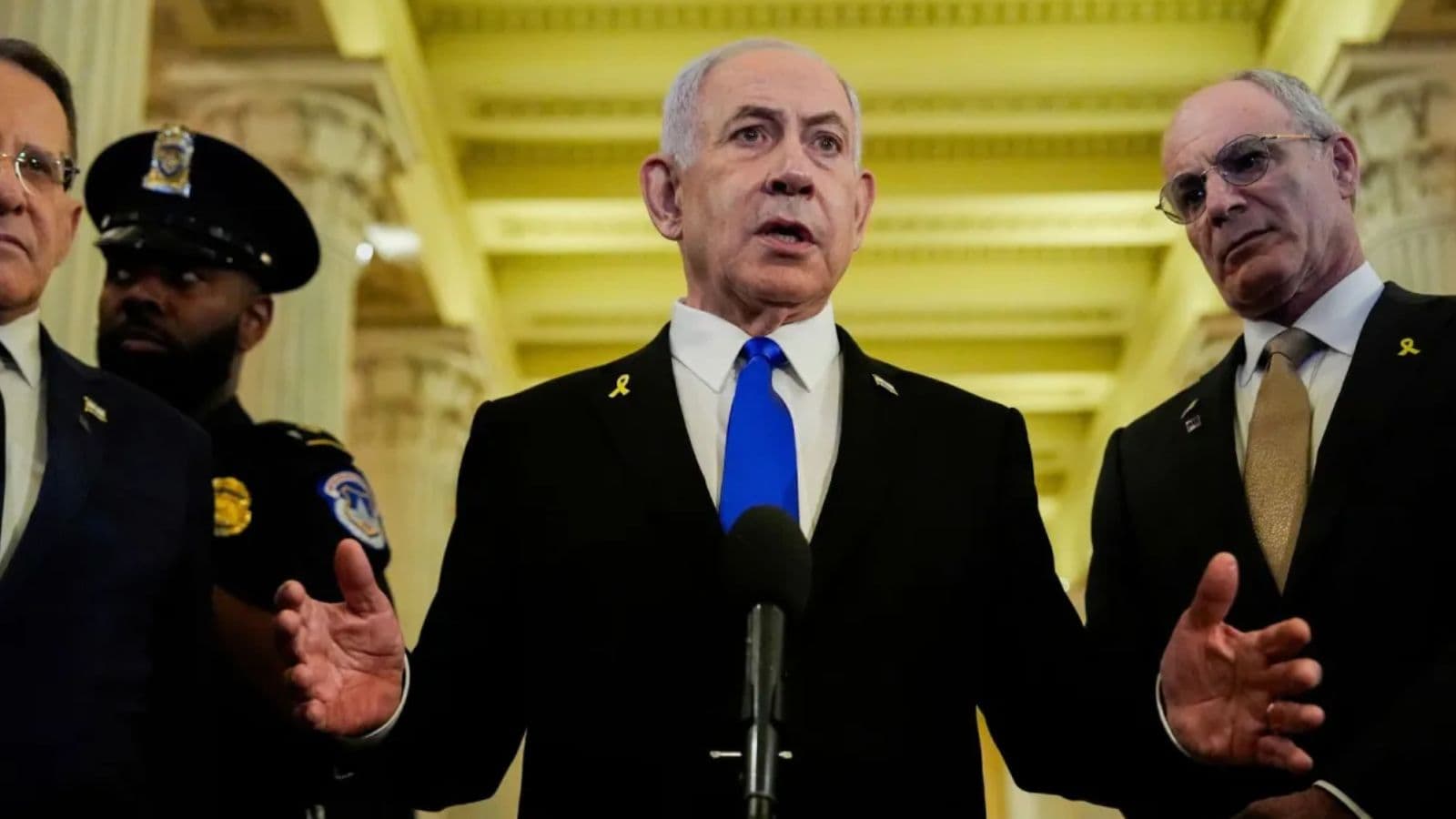
NewsWorld'We were left in the dark': How Israeli leaders learned about Trump's surprise Iran decision on social media Israel initially suspected this might be a tactic to make Iran lower its guard, but military and diplomatic officials later confirmed through their American counterparts that Trump had genuinely changed course. 3 min readAug 3, 2026 04:55 AM IST First published on: Aug 3, 2026 at 04:39 AM IST Israeli Prime Minister Benjamin Netanyahu. (File Photo) Israeli defence and diplomatic officials say they were left without information for hours about a planned joint attack with the US on Iran, before US President Donald Trump called it off, Channel 12 reported. ‘We were in real uncertainty’ A senior Israeli official said, “for hours, we were in real uncertainty.” According to the official, Trump gave Israel no clear updates, and senior officers only learned what was happening through his posts on social media. The official added that this left Israel feeling sidelined once Trump announced he was cancelling the attack. Prime Minister Benjamin Netanyahu, Defence Minister Israel Katz, and other senior officials reportedly also found out about the decision through Trump’s post on Truth Social, rather than through direct communication. Israel initially suspected this might be a tactic to make Iran lower its guard, but military and diplomatic officials later confirmed through their American counterparts that Trump had genuinely changed course. What did Trump actually say? In his post, Trump said Iran and other Middle Eastern countries had asked for time to reach a deal that would fully reopen the Strait of Hormuz and end what he called Iran’s nuclear threat. “The U.S.A. is locked and loaded and ready to go against the Islamic Republic of Iran, at levels of Military Terror, Strength, and Power not seen since World War II. Despite this, we have just been asked by Iran, and other Middle Eastern Countries, to hold off any attack in that… pic.twitter.com/Ylmlm06j3E— The White House (@WhiteHouse) August 2, 2026 He said he had agreed to hold off on the attack while a deal was worked out quickly, and said Israel had joined him in this commitment, a claim Israeli officials have not confirmed themselves. What has Iran said? Iran’s Foreign Minister Abbas Araghchi warned against any “adventurous action” by the US in separate calls with Turkish and Pakistani officials, saying Iran would respond decisively to aggression. Story continues below this ad He later told Saudi Arabia’s foreign minister that any attack by the US, Israel, or other regional countries would be met with a proportionate response. Saudi Crown Prince Mohammed bin Salman with US President Donald Trump. (File Photo) Why does the uncertainty matter operationally? Israeli officials said the sudden shift in plans creates practical problems beyond frustration. Lowering an alert level after mobilising forces takes time to reverse, one official said, adding that committing resources to a single front only to stand down without warning raises doubts about the president’s long-term plan. Despite the confusion, Israel is reportedly keeping its forces on high alert, given the possibility that Trump could change his position again without notice. The Express Global Desk at indianexpress.com which delivers authoritative, verified, and context-driven coverage of key international developments shaping global politics, policy, and migration trends. The desk focuses on stories with direct relevance for Indian and global audiences, combining breaking news with in-depth explainers and analysis. A major focus area of the desk is US immigration and visa policy, including developments related to student visas, work permits, permanent residency pathways, executive actions, and court rulings. The Global Desk also closely tracks Canada’s immigration, visa, and study policies, covering changes to study permits, post-study work options, permanent residence programmes, and regu
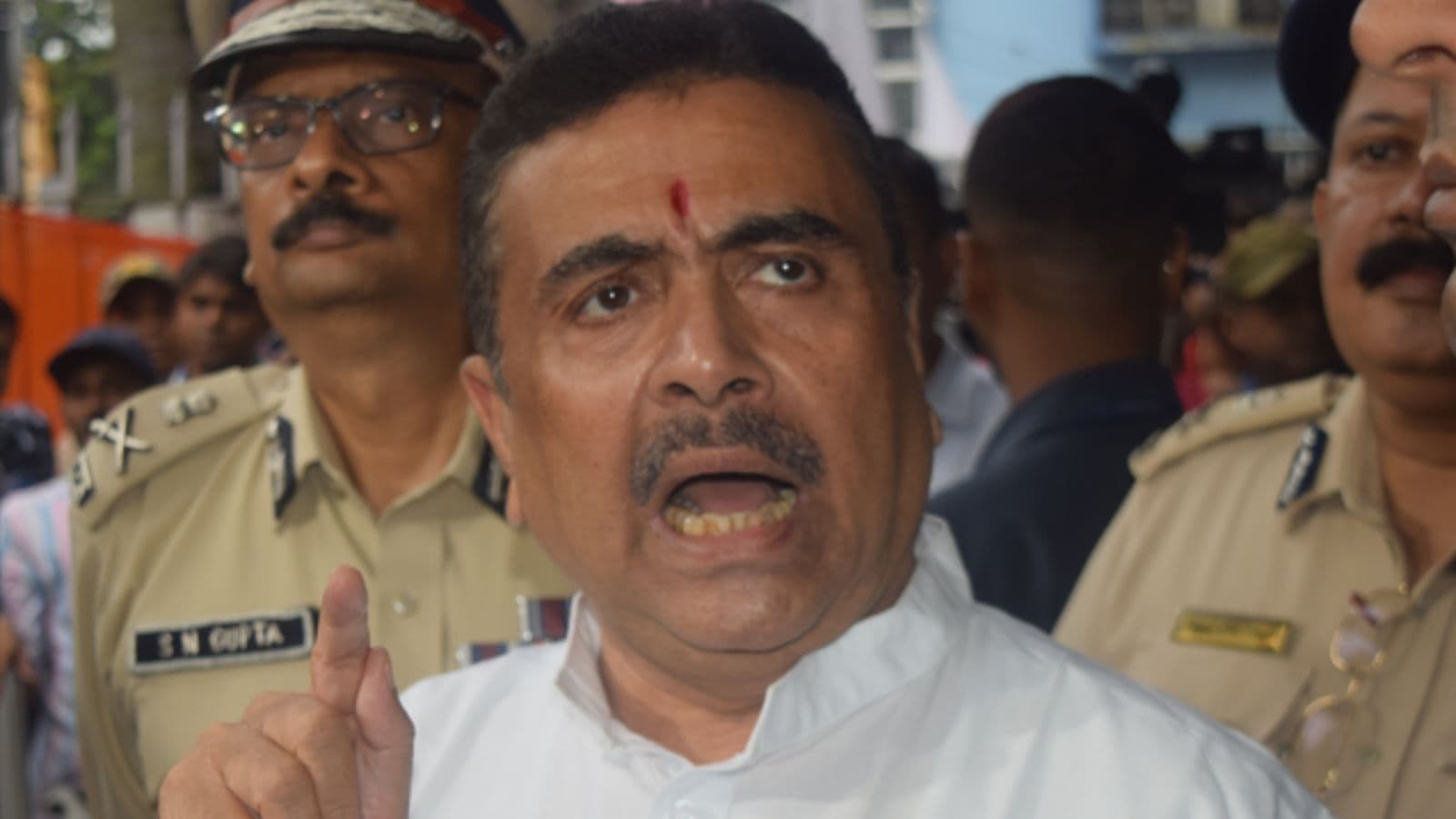
West Bengal Chief Minister Suvendu Adhikari on Saturday said it is not India’s responsibility to take care of infiltrators and that such people will be sent back to their homeland. Speaking at an event in Bidhannagar to mark the launch of the fortnight-long digital self-enumeration phase of the census exercise in the state, the chief minister also assured the audience that personal information collected during this period would not be misused.“The data is completely confidential and legally protected. It will be used only for statistics, planning, and development. There is no chance of anyone’s personal information being made public or misused,” Adhikari remarked. Explaining the details of the enumeration system, the chief minister said, “Those who are unable to use the online system or who live in remote areas need not worry. Government representatives will reach their homes directly. The entire process will be conducted in accordance with the guidelines of the Census Authority of India. Completing this census work is the constitutional duty of every government employee.” Thereafter, delivering a stern message on border security, Adhikari said, “Illegal infiltrators will not remain in this state or in this country. Through the prescribed legal process, they are being identified and sent back with due caution, and this will continue in the days ahead as well. It is not India’s responsibility to take care of illegal infiltrators.” The Bengal chief minister also claimed that “out of 27 lakh deleted electors in Special Intensive Revision (SIR), only 7 lakh applied to the tribunal.” Drawing a clear distinction between infiltrators and refugees, the chief minister remarked that under the provisions of the Citizenship Amendment Act (CAA), people from the Hindu, Sikh, Buddhist, Jain, Parsi, and Christian communities who have come from Bangladesh are not infiltrators but refugees.Story continues below this ad “According to the Government of India’s notification dated September 1, 2025, the rules are clear. No case may be filed against any refugee who came to this country by December 31, 2014, after suffering religious persecution or to save their life, and the police also cannot harass them in any way.” After the digital enumeration phase, physical house listing and house enumeration exercise under the census will be conducted from August 16 to September 14. During this period, detailed information related to the condition of the household, such as drinking water, toilets, electricity, cooking fuel, and internet connectivity, will be collected. Information on assets such as radios, televisions, computers, and two- and four-wheelers will also be gathered. The second phase of the census will be held in February next year. In that phase, officials will collect information on the name, age, gender, caste, and religion of each family member. Atri Mitra is a highly accomplished Special Correspondent for The Indian Express, bringing over 20 years of experience to his reporting. His work is characterized by deep regional knowledge and a focus on critical administrative and political developments, establishing strong Expertise and Authority in his domain. Experience Current Role: Special Correspondent, The Indian Express. Decades of Experience: Over two decades of extensive reporting experience, primarily covering administration and political news. Geographical Focus: Holds significant reporting experience from West Bengal, Bihar, and the North-East, providing a comprehensive understanding of the socio-political landscape in these regions. Key Coverage: Has dedicated more than ten years to covering administration and political news, with a keen focus on political developments in West Bengal. Electoral Reporting: Demonstrated a commitment to crucial political moments, having covered the 2009 Lok Sabha election and 2010 assembly elections during his time at Anandabazar Patrika, and the 2019 Biha
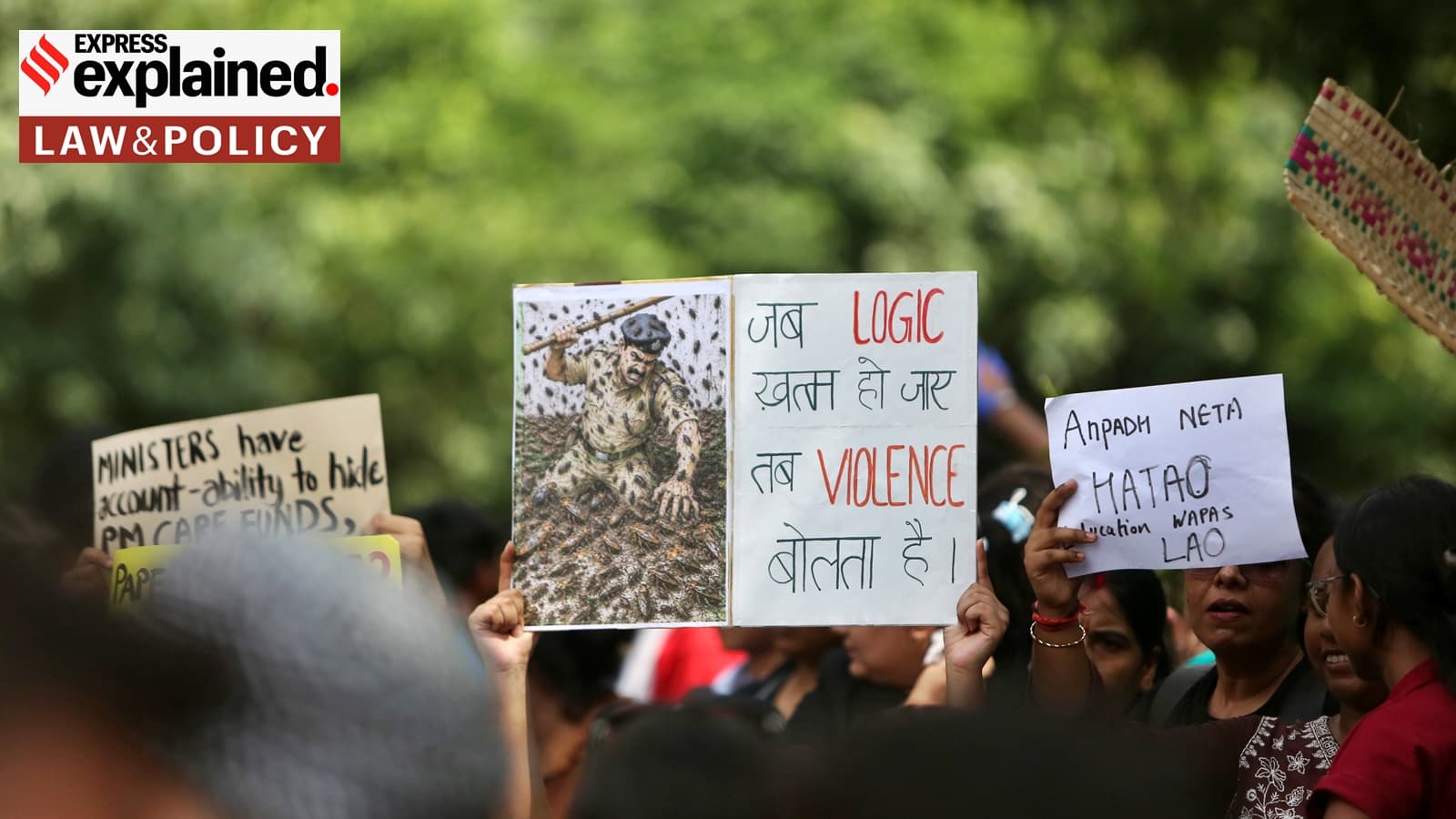
Protesters at Parliament Street, New Delhi, in July. (Express photo by Gajendra Yadav)On Wednesday (July 29), Noida Police registered a Zero FIR against a 25-year-old woman, Ruchika Singh, over remarks made about Prime Minister Narendra Modi during a protest at Delhi’s Jantar Mantar. The FIR invokes Sections 352, 353(1) and 356(1) of the Bharatiya Nyaya Sanhita (BNS) — covering insult, public mischief and defamation. The case has triggered a public debate, veering into moralistic notions about profanity, especially against public leaders. Is crude language a crime in India?Obscenity as an offence The provision most commonly reached for in such disputes is Section 296 of the BNS (Section 294 of the Indian Penal Code). It punishes “whoever, to the annoyance of others, (a) does any obscene act in any public place, or (b) sings, recites or utters any obscene song, ballad or words, in or near any public place” with up to three months in jail. It is the default charge for loud, crude public behaviour. But “obscene” carries a precise legal meaning that courts have read narrowly. The test for determining obscenity The legal doctrine for defining obscenity in India was tested by the ban on DH Lawrence’s final novel, Lady Chatterley’s Lover, published in the 20th century. In the 1965 landmark ruling in Ranjit D. Udeshi v. State of Maharashtra, the Supreme Court upheld the book ban and the constitutionality of Section 292 of the IPC, which allows the “sale of obscene books”. In doing so, the court also laid down the test for obscenity: an 1868 English rule called the Hicklin test. The test asked whether isolated passages of a work could corrupt the most vulnerable reader, and the court determined that Lady Chatterley’s Lover did that. While even English law had moved on from this archaic notion of not offending the most vulnerable reader, courts in India applied this test for a few decades. In 2006, the SC opened a window in Doordarshan v Anand Patwardhan, where the state broadcaster had refused to air Patwardhan’s documentary Father, Son and Holy War over its adult censor certificate. The SC cleared the telecast, holding that obscenity must be judged by viewing a work as a whole, through the eyes of an average, healthy viewer and not by isolating scenes.Story continues below this ad The test changed significantly in 2014 with Aveek Sarkar v State of West Bengal, where the SC held that a nude photograph of tennis player Boris Becker and his fiancée was not obscene, and formally discarded Hicklin for a “community standards” test. This test stated that the allegedly problematic material is obscene only if it “tends to arouse sexual feelings, judged by an average person applying contemporary standards.” “Only those sex-related materials which have a tendency of “exciting lustful thoughts” can be held to be obscene, but the obscenity has to be judged from the point of view of an average person, by applying contemporary community standards,” the court had said. Legal scholar Gautam Bhatia has flagged a problem with the “community standards” language, which was borrowed from the American case Roth v United States (1957). He argued in a 2014 blog post that Roth prescribed a three-part test requiring community standards, patent offensiveness, and an absence of redeeming social value, but the SC adopted only the first prong. Bhatia termed this “worse than vague”, since the SC never explains why sexual arousal alone should be criminal, and risks letting majority sensibility decide what counts as decent in a deeply plural country. Profanity or vulgarity as a crime In 2024, TVF’s web series College Romance landed in legal trouble under the Information Technology Act over an expletive-heavy episode. Essentially, a ban was sought because the content was obscene. The SC, however, quashed the FIR, holding that vulgarity and profanity are not, by themselves, the same as obscenity.Story continues below this ad “While the literal meaning of the terms used



Discussion (0)