
Loading dispatches...
← Return to Newsroomgeneral
Did the Rs 4,700-crore Lucknow-Kanpur Expressway suffer damage? NHAI responds
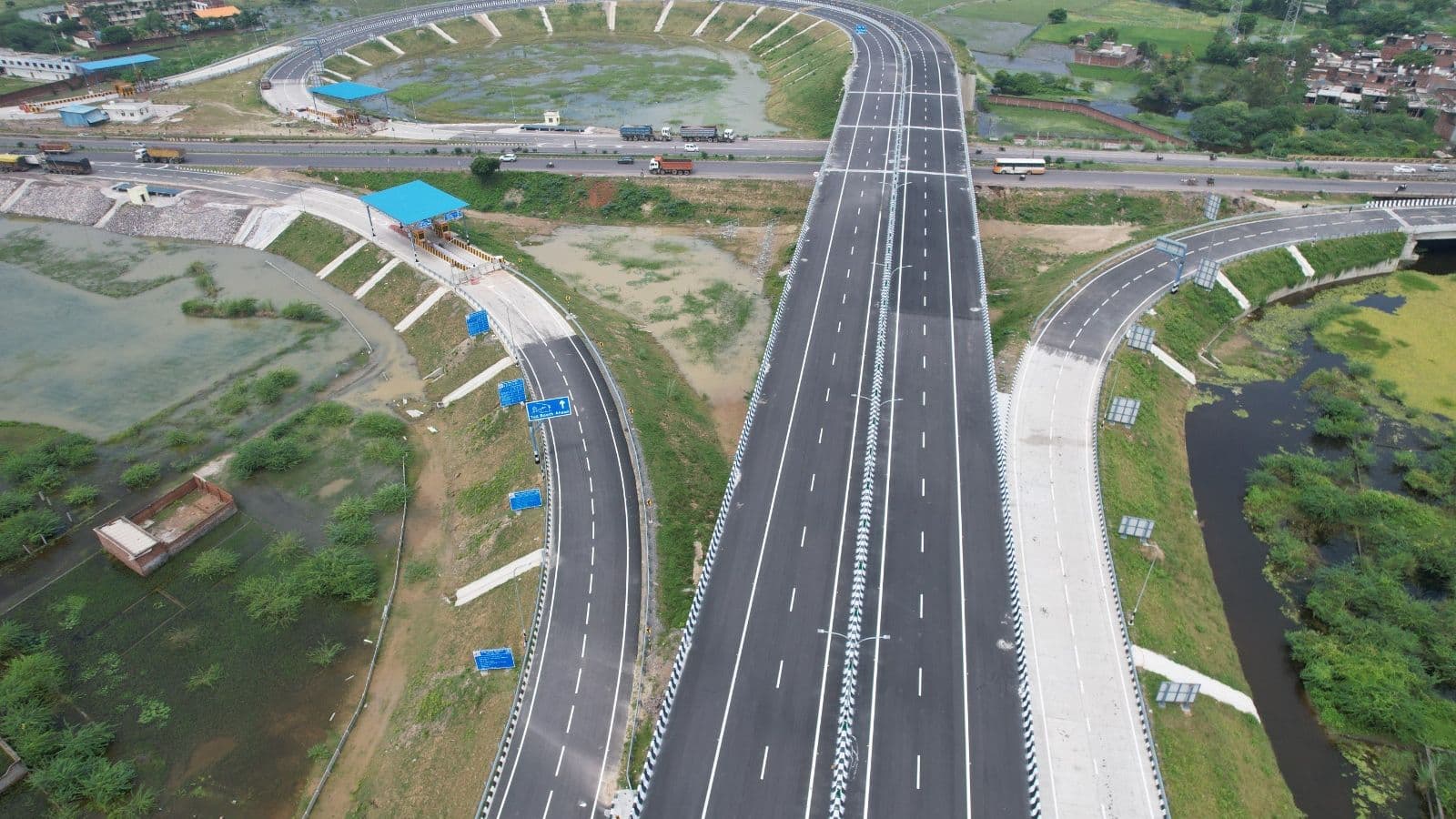
The six-lane access-controlled expressway is expected to cut travel time between Lucknow and Kanpur from around 90 minutes to just 35-40 minutes. (Special arrangement photo)Less than three weeks after it was inaugurated, the Rs 4,700 crore Lucknow-Kanpur Expressway has found itself at the centre of a controversy after videos shared online alleged damage and repair work being carried out. The first video, shared by a Samajwadi Party (SP) leader earlier this week, purportedly showed cracks on the expressway. A second video, circulated days later, showed workers carrying out repairs at the site, triggering criticism from the Opposition.SP chief Akhilesh Yadav, sharing the latest video on social media, posted: “Running less, sinking more: Lucknow-Kanpur Expressway! Cost: Rs 4,700 crore!” The National Highways Authority of India (NHAI), however, has refuted all claims of damage along the 63-km corridor. Inaugurated on July 13, the expressway has been touted as a game changer for residents — it is expected to reduce travel time between Lucknow and Kanpur from around 90 minutes to about 35-40 minutes. What NHAI said Responding to the first video, the NHAI in a post on X said it was a localised surface slippage near Km 64 in Unnao’s Korari area that was later rectified. It said the latest video is not of any new damage but of preventive maintenance and corrective work being carried out after a detailed inspection of the entire expressway following the “slippage incident”.Story continues below this ad Officials in the NHAI told The Indian Express that following reports of the initial slippage, the authority removed three officials associated with it: two independent engineers engaged by NHAI for supervision and one official of the construction company. The move, officials said, was part of corrective measures taken after the incident. Speaking to The Indian Express, NHAI Project Director Nakul Prakash Verma said: “Following the initial slippage, we carried out a thorough review of the entire expressway. Based on the findings, preventive corrective work is being undertaken. The slippage was rectified within six hours and traffic resumed the same day. The videos now being circulated are not of current situation.” In a statement, it said: “As part of routine Operations & Maintenance (O&M) activities, preventive maintenance works are being undertaken on the Lucknow-Kanpur Expressway as and when required, particularly in view of the monsoon season.” The authority further said the expressway is covered under a 15-year Defect Liability Period (DLP), during which the concessionaire is responsible for carrying out timely maintenance and rectification work at no additional cost to NHAI. “This includes prompt rectification of rain cuts and other monsoon-related maintenance works to ensure the safety, serviceability and smooth operation of the Expressway,” it said.Story continues below this ad It rejected claims that the expressway had “caved in”, asserting that only the bituminous wearing course over an approximately 40-metre stretch was affected and there was no structural damage. Political backlash The purported videos triggered political criticism, with the Opposition accusing the BJP government of compromising construction quality in one of its flagship infrastructure projects. The SP, in a post on X, alleged that the expressway required repairs for the second time in 17 days and accused the BJP of “setting a record for building dilapidated roads in the name of expressways”. The party further alleged that Chief Minister Yogi Adityanath was “ruining projects” and said the people of UP would remember it. The UP Congress also attacked the government in a post on X, alleging that the condition of expressway was “direct and clear proof of the BJP government’s corruption”. It accused the ruling dispensation of “putting people’s lives in danger by looting taxpayers’ hard-earned money.” Maulshree Seth is a
The study also found that the association was almost entirely with non-scarring alopecia, a form of hair loss in which the hair follicles remain healthy. (Source: File)The new generation of weight loss drugs has revolutionised the treatment of Type 2 diabetes and obesity, helping millions of people improve blood sugar control while achieving substantial weight loss. Yet, as the use of these medications continues to expand, researchers are uncovering side effects that extend beyond the digestive system. This time to your scalp. A new study, published in The BMJ, suggests that adults with Type 2 diabetes taking GLP-1 receptor agonists — a class of drugs that mimics a natural gut hormone to regulate blood sugar, decrease appetite, and slow digestion — may have a slightly higher risk of developing hair loss, or alopecia, compared with those using other commonly prescribed diabetes medications. The researchers, however, stress that the overall risk remains low and should be viewed alongside the well-established health benefits of these drugs.What the study was about The researchers analysed electronic health records from the University of Pennsylvania Health System, comparing more than 12,000 adults prescribed GLP-1 receptor agonists with patients taking other diabetes drugs like SGLT-2 and DPP-4 inhibitors between 2019 and 2024. After adjusting for differences such as age, sex, ethnicity, body mass index and other illnesses, they found that people on GLP-1 drugs had a 37 per cent higher risk of alopecia than those taking SGLT-2 inhibitors and a 68 per cent higher risk than those on DPP-4 inhibitors. At first glance, those figures sound alarming. But the researchers urge caution. The increase refers to relative risk, while the absolute risk was small—roughly six to seven cases of hair loss for every 1,000 people followed for a year. In other words, most people taking these medications did not experience hair loss. The study also found that the association was almost entirely with non-scarring alopecia, a form of hair loss in which the hair follicles remain healthy. Unlike scarring alopecia, where follicles are permanently damaged, non-scarring hair loss is often temporary and hair can grow back once the trigger is removed or the body readjusts. Is it the drug or the weight loss? That question remains unanswered. Many specialists believe the medications may not be directly damaging hair follicles. Instead, the more likely explanation is that the rapid weight loss they produce places the body under metabolic stress, temporarily disrupting the normal hair growth cycle. Hair follicles are surprisingly sensitive to changes in the body’s nutritional and hormonal environment. When someone loses a large amount of weight over a short period — whether through medication, bariatric surgery or a strict diet — the body may divert energy towards essential organs rather than hair growth. This can push a greater number of hair follicles into a resting phase, leading to diffuse hair shedding two to four months later, a condition known as telogen effluvium.Story continues below this ad Rapid weight loss can also reduce stores of nutrients that hair depends on, including protein, iron, zinc and certain B vitamins. In some people, lower calorie intake and changes in eating patterns may further contribute to these deficiencies. The result is not permanent damage to the hair follicle, but a temporary interruption of its growth cycle. Researchers also suspect that the profound hormonal and metabolic changes triggered by GLP-1 drugs may play a role. These medicines alter insulin signalling, appetite regulation and energy metabolism, while significant fat loss changes levels of hormones released by fat tissue. Hair follicles are influenced by many of these signals, although there is currently no clear evidence that GLP-1 drugs themselves directly impair hair growth. More research is needed to disentangle the effects of the medication from those of rapid we


Discussion (0)