
Loading dispatches...
← Return to NewsroomPolitics
Assam Christian Forum opposes proposed FCRA Amendment Bill
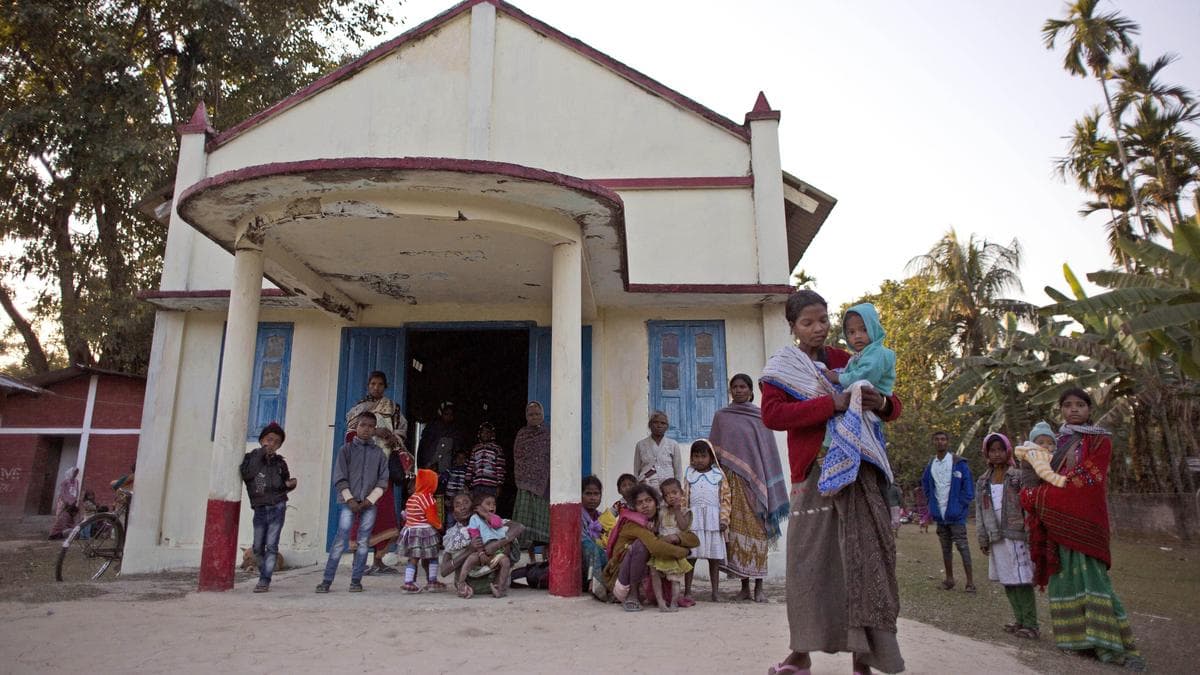
The Assam Christian Forum has opposed the proposed amendment to the Foreign Contribution (Regulation) Act, urging the Centre and the MPs from the eight northeastern States to abandon its “draconian” provisions.The forum said they should instead amend the existing FCRA 2010 in accordance with the norms of natural justice.“The proposed amendments pose a severe threat to civil society organisations, churches and institutions that serve the poor, Dalits, tribals and marginalised communities across Assam and the northeast,” the forum said.The key provisions of the proposed amendment include forfeiture of all movable and immovable assets built in whole or in part with foreign contributions since the original 1976 Act; the creation of a Designated Authority empowered to take over such assets and dispose of them under undefined norms; and the transfer of remaining funds of deregistered organisations to the Consolidated Fund of India.According to the forum, such an Authority permanently vested with the assets may hand the transferred funds over to any government body or sell them.“These measures reverse the earlier position under which organisations denied or surrendering registration retained their assets (with remaining funds merely frozen). They go far beyond regulation and amount to punitive confiscation,” the forum said.Disproportionate punishmentAllen Brooks, the forum’s spokesperson, said on Saturday (August 8, 2026) that natural justice demands that punishment be proportionate to the offence.“Studies show that of more than 15,000 organisations denied permission to receive foreign contributions in recent years, only about a dozen faced denial for corruption-related offences. The vast majority lost registration for minor technical issues such as delayed reporting or accounting errors,” he said.“Depriving organisations of assets built since 1976 for such lapses is grossly disproportionate and violates basic principles of fairness. The most that can justly be accepted is the takeover of a specific asset after a transparent process proves corrupt acquisition or construction of that particular asset,” he said.The forum said the consequences for beneficiaries will be severe. It said many schools, health centres, dispensaries and other institutions in remote tribal areas of the northeast, including Assam, were built partly or wholly with foreign contributions precisely because State infrastructure remains inadequate.“In large parts of the hills and remote regions, two-thirds of the population still depends on traditional healing systems because government health centres often lack staff, medicines, testing facilities, and electricity. Schools frequently operate with a single irregular teacher, and mid-day meals exist largely on paper. Poor rural transport further isolates communities from the few better institutions concentrated in places such as Guwahati and Shillong,” it said in a statement.“Civil society groups, including church-run institutions, have stepped in to fill these gaps, providing accessible education and healthcare that the State has a constitutional duty to ensure as fundamental rights. They often charge low fees or none, keep teacher salaries modest, and rely on foreign contributions and local charity because Indian public funding for such work remains extremely difficult to access,” the statement read.“If the Designated Authority takes over their assets, these organisations will be forced to discontinue services. Poor patients, students and communities will lose access to the very facilities that currently prevent further land alienation, impoverishment and the ethnic tensions that arise from it,” it noted.Curtailing religious freedomThe forum said the amendment Bill also raises serious concerns about freedom of religion. Provisions allowing State management of churches, mosques, and temples “while maintaining religious character” under government oversight threaten the autonomy of places of worship.It pointed out tha
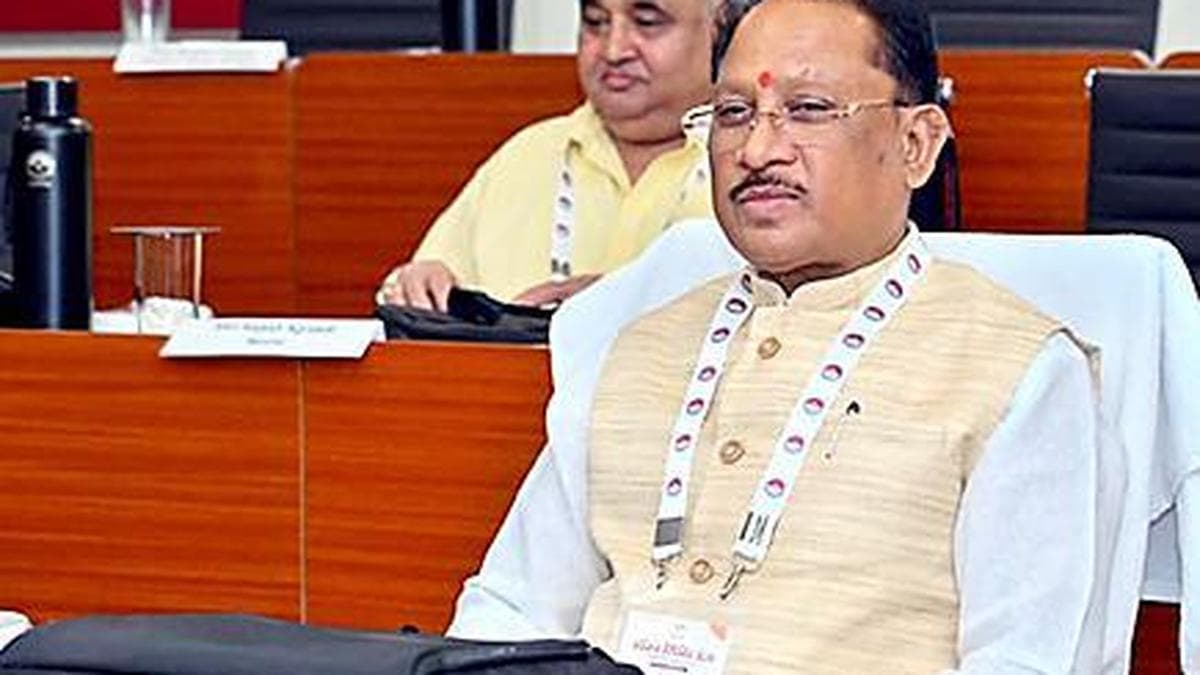
Chhattisgarh Chief Minister Vishnu Deo Sai. | According to an official statement, the last date has been set as October 15 by the five five-member high-level committee. Last month, Chief Minister Vishnu Deo Sai had said that the UCC will be introduced in the Assembly in the upcoming Winter Session.Since 2024, Uttarakhand, Gujarat, Assam, and Madhya Pradesh have implemented the UCC that largely regulates areas of personal law such as marriage, divorce, succession and inheritance, and live-in relationships.“The committee is studying the legal, social and administrative aspects of implementing the UCC. Its mandate includes examining the State’s existing legal framework and preparing practical recommendations on matters such as marriage, divorce, maintenance, inheritance and adoption. It will also study UCC models adopted by other States, consider suggestions received from the citizens, legal experts, social organisations and other stakeholders, and prepare a comprehensive draft along with legislative and administrative recommendations,” the statement added.The committee had appealed to government and non-government organisations, social groups, religious institutions, communities, political parties and citizens to submit their views and suggestions by October 15 this year, the statement said.“Suggestions can be submitted by email at ucc-chhattisgarh@cg.gov.in, through the web portal https://ucc.cgstate.gov.in/, or by post to the Office of the Uniform Civil Code Committee, New Circuit House, Civil Lines, Room No. 202, Raipur, Chhattisgarh – 492001,” said the official.While the government statement asserted that the objective of the proposed law was to bring all citizens under a common constitutional framework in place of religion-based personal laws, the Opposition has been long demanding that such a legislation proposed should provide exemptions for tribal communities. It demands that the centuries-old conservative traditions, marriage systems, and social systems of tribal communities should be excluded from the scope of the UCC to ensure that their specific rights are not violated.In July, the Madhya Pradesh Assembly passed a UCC Bill with provisions to ban polygamy and make the registration of live-in relationships mandatory, while excluding the tribal community from its scope. The committee headed by Justice Desai was examining the need for a Uniform Civil Code in Chhattisgarh, preparing its framework and undertaking a comprehensive review of the existing laws governing personal civil matters, the official added. Published - August 05, 2026 03:50 am IST
The Mysuru–T. Narasipura stretch of National Highway-766, within the T. Narasipura Regional Forest Range, is being widened. | A. Sriram The Forest Department of Karnataka has invited objections from people to the proposed felling of 86 trees for widening of the Mysuru–T. Narasipura stretch of National Highway-766 within the T. Narasipura Regional Forest Range.The National Highways Authority of India (NHAI) has proposed the removal of trees that would obstruct the road-widening work up to Kempayyanahundi. Of the 86 trees identified for removal, 41 are on the left side of the road, and 45 on the right.The trees proposed to be felled include peepal, honge, amte, neem, gobbali, maddi, holemathi, cherry (gasegase), subabul, gulmohar, mahogany, rain tree, mango, and wild almond.Forest officials have completed the inventory and prepared measurement records for the identified trees.According to a notification issued by the Tree Officer and Range Forest Officer of T. Narasipura Regional Forest Range, people can submit objections or grievances regarding the proposed tree felling on or before August 3 through email at rfotnp@gmail.com by post to Tree Officer and Range Forest Officer, Regional Forest Range Office, Hale Santhemala, T. Narasipura-571124 Published - July 31, 2026 02:52 pm IST


Discussion (0)