6th edition of Staff Talks between Indian Navy and Royal Navy of Oman conducted in New Delhi
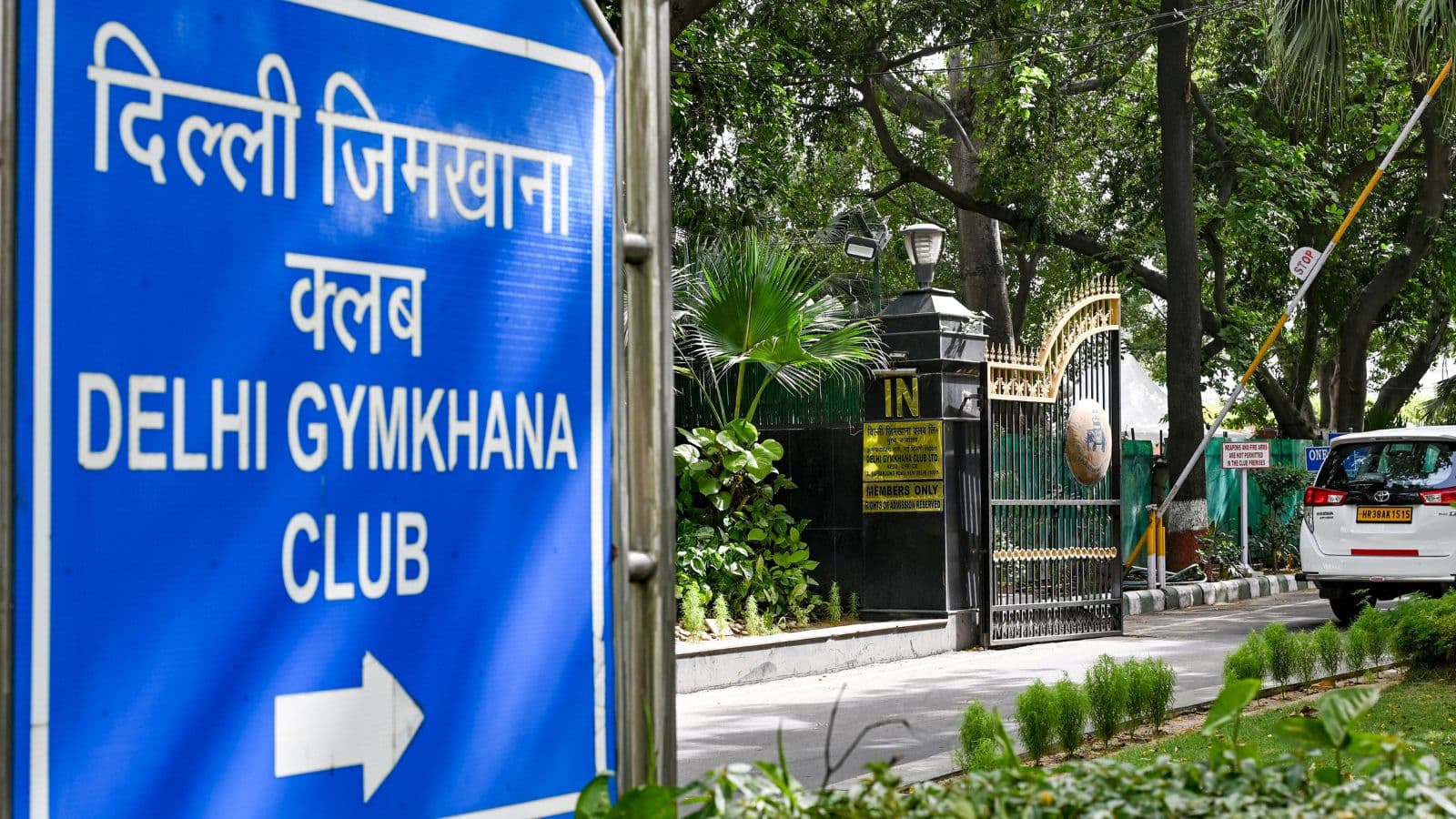
NewsOpinionColumnsThe Delhi Gymkhana takeover isn't about decolonisation or egalitarianism – it's symbolic conquest Institutions should be reformed and transparency should be enforced. Access can be broadened. But destroying civic legacy, riding on a catchy slogan, is rarely wise. Nations mature not by erasing remnants of their past, but by learning how to adapt heritage to contemporary purpose and without reducing governance to symbolic conquest Gymkhana is not simply a refuge of privilege. It is one of the few remaining social spaces where retired soldiers, diplomats, bureaucrats, academics, CEOs, journalists, and politicians interact outside the rigid formality of offices. Written by: Yashovardhan Jha Azad 5 min readMay 27, 2026 04:27 PM IST First published on: May 27, 2026 at 04:27 PM IST The proposed takeover or closure of the Delhi Gymkhana Club has triggered familiar slogans — elitism versus egalitarianism, colonial hangover versus decolonisation, privilege versus social justice. Few institutions in India offer such an inviting target: Sprawling green lawns in the heart of Lutyens’ Delhi, old-world architecture, diplomats and retired officials in blazers, and a membership long accused of exclusivity. It is, therefore, politically convenient to portray action against the club as a moral correction, favouring the common citizen. But beneath the rhetoric, it is important to examine plain facts. The selective demolition of an old institution has very little to do with social justice. If the issue is genuinely privilege, misuse of public land, or elite culture, then the logic must be applied consistently across the capital’s many protected islands of influence.The first argument advanced in favour of public security and defence requirements appears unconvincing. The club has remained there through some of India’s most turbulent decades — the Punjab insurgency, Kashmir militancy, the Parliament attack, and multiple terror alerts in the national capital. Every Prime Minister except Chandra Shekhar functioned from the same PM house. The current Prime Minister too has occupied the adjoining complex for 12 years without the club suddenly becoming an intolerable security threat. With the PM shifting to the new complex, the urgency for reclaiming the land raises legitimate questions. If the intention is to absorb the Gymkhana with the present PM’s house, into yet another government complex in already overcrowded Lutyens’ Delhi, it would be deeply unfortunate. Delhi Lutyens is crammed with imposing government buildings and suffers from vanishing open spaces, blocked roads, and the steady erosion of urban grace. The idea of suddenly locating a defence establishment there too, appears really odd. The second argument targets “elite culture”. But who is exactly elite in modern India? Is it only a retired civil servant surviving on pension and occasional club lunches? Or is it also the powerful politician occupying sprawling Lutyens’ bungalows at nominal rents, with layers of security and influence? One rarely hears similar outrage over the vast government estates, dotted with official clubs like the Ashoka Hotel, state bhavans, Western Court, or heavily subsidised bungalows, institutions that function as exclusive enclaves in their own right. If club culture itself is objectionable, then let the government announce a transparent national policy on all such institutions — government clubs, defence clubs, officers’ clubs, constitutional clubs, press clubs, and numerous state-run establishments occupying prime urban land. Selectivity weakens the moral argument. Certainly, mismanagement at the Gymkhana cannot be ignored. Property tax liabilities reportedly climbed to nearly Rs 49 crore but the matter is in court. Questions were raised over finances, administration, and membership rules. But these issues were already under the purview of a government-nominated management committee for the past five years. If mismanagement persisted, th