Electricity bills to increase by 10% in UP from June, govt cites surcharge on fuel price
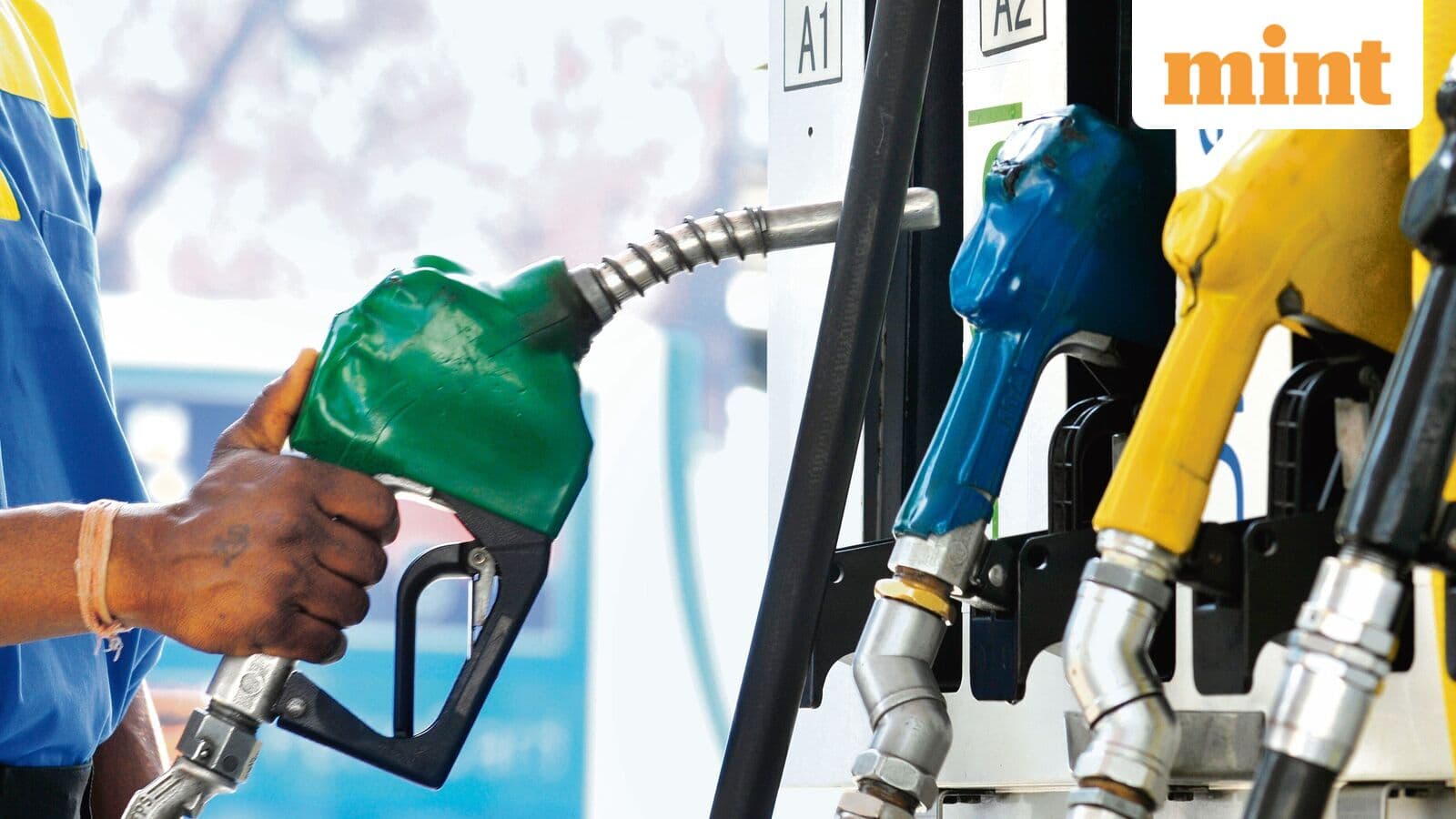
Fuel prices were unchanged today on Monday, 15 June. The last fuel price hike was on Monday, 25 May, when oil marketing companies (OMCs) hiked both petrol and diesel prices by more than ₹2.50/litre.Petrol, diesel prices on June 15.Petrol and diesel prices remained unchanged across India on June 15, as state-owned oil marketing companies continued to hold fuel rates steady. While domestic fuel prices have not seen any revisions today, global crude oil markets remain volatile amid ongoing tensions in the West Asia crisis, keeping investors and policymakers on alert.Fuel prices were raised in MayPetrol and diesel prices were last revised in May 2026, when rates were increased by ₹3 per litre. Since then, oil marketing companies have been conducting regular price reviews but have opted to maintain current rates. The decision to keep prices unchanged has provided some relief to consumers despite fluctuations in international crude oil prices.Consumers can check the latest petrol and diesel prices in their respective cities through the table below.CityPetrol ( ₹/litre)Diesel ( ₹/litre)Delhi ₹102.12 ₹95.20Mumbai ₹111.21 ₹97.83Kolkata ₹113.47 ₹99.82Chennai ₹107.88 ₹99.65Lucknow ₹101.86 ₹95.36Noida ₹102.12 ₹95.56What determines petrol and diesel prices in India?The prices motorists pay for petrol and diesel are influenced by a mix of global and domestic factors.The most significant driver is the international price of crude oil, the primary raw material used to produce both fuels. Any movement in global crude prices typically has a direct impact on retail fuel rates in India.Another crucial factor is the rupee–US dollar exchange rate. As India imports the majority of its crude oil requirements, a weaker rupee makes imports more expensive, increasing the overall cost of fuel.Why do fuel prices vary from city to city?Fuel prices differ across cities and states largely because of variations in state-level taxes. While the central government levies excise duty, state governments impose their own value-added tax (VAT), resulting in differing retail prices across the country.In addition, transportation and distribution costs, along with local demand and supply conditions, can influence the final price consumers pay at the pump.Govt bars industries from buying petrol, diesel at pumpsMeanwhile, the Centre barred industrial, commercial and institutional consumers from purchasing petrol and diesel through retail fuel outlets and directed them to procure supplies from authorised bulk sellers instead.The move followed an order issued by the Ministry of Petroleum and Natural Gas on Wednesday. Under the Motor Spirit and High Speed Diesel (Temporary Regulation of Supply through Retail Outlets) Order, 2026, oil marketing companies and fuel retailers were instructed to restrict bulk fuel purchases at petrol pumps for periods of up to 90 days.The government took the step in response to unusually high demand growth, particularly for diesel, in certain regions. Officials noted that several bulk consumers had shifted their purchases to retail fuel stations to take advantage of price differences, putting additional pressure on supplies at petrol pumps.About the AuthorKanishka SinghariaKanishka Singharia is a Senior Content Producer at Mint with a passion for news, trends, and the stories shaping the digital world. She specialises in spotting viral narratives by constantly tracking social media platforms and turning them into engaging, reader-friendly stories. Her work ranges from fast-paced breaking updates to sensitive human-interest features, blending speed with clarity. With over four years of experience in news and trend reporting, Kanishka has worked with leading organisations such as Hindustan Times and Times Now. She moves seamlessly between profiling business leaders and telling the stories of everyday people, covering national developments just as effortlessly as the memes and conversations that dominate online culture. She also